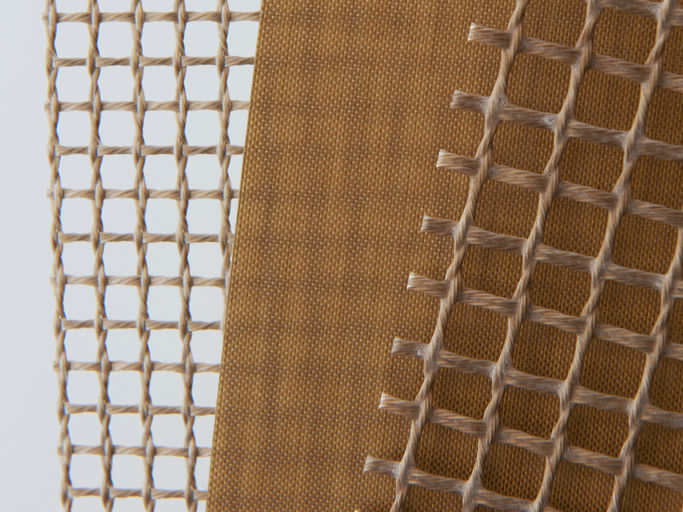
Alternatives guide

Alternatives to PTFE (Teflon)

16 lower-impact options for PTFE (Teflon), grouped by the kind of change you would be making. The best of them cuts carbon by 98% per kilogram.

PTFE (Teflon)

PTFE (Teflon) today

Checked as Fluoropolymer: Polytetrafluoroethylene. Also known as Teflon.

16.5 kg CO₂e/kgCarbon: Very high
LowCircularity potential (estimate)

Concerns

Polytetrafluoroethylene (PTFE) is the most common type of fluoropolymer. It has some exceptional properties as a result of its carbon-fluorine structure, which promotes a highly oriented and closely packed crystalline structure - it is the highest density plastic. Full check for PTFE (Teflon) →

Recycled 2

Recycled grades, of the same material where one exists and of close relatives where not.

Thermoplastic polyurethane (TPU)

Reycled

Low carbon
This option0.7 kg CO₂e/kg (estimate)Today16.5 kg CO₂e/kg

What you gain

  • 96% less carbon
  • Circular end of life
  • 44% lighter
  • 52% cheaper
  • Avoids: forever chemicals, non-renewable ingredients, raw material generates polluting by-products

What it costs you

  • Max use temperature 100 °C (vs 300 °C)
  • Not listed for food contact
Check this material →

Polyvinyl chloride (PVC)

Recycled

Ultra low carbon
This option0.4 kg CO₂e/kg (estimate)Today16.5 kg CO₂e/kg

What you gain

  • 98% less carbon
  • Higher circularity potential
  • Recyclable
  • 36% lighter
  • 91% cheaper
  • Avoids: forever chemicals, non-renewable ingredients, raw material generates polluting by-products

What it costs you

  • New concern: hazardous end of life
  • Max use temperature 50 °C (vs 300 °C)
  • Not listed for food contact
Check this material →

Plant-based plastic 4

Plastics made partly or wholly from plants. Usually a small change in tooling and process.

Biodegradable polyester

Polylactic acid (Bio-based plastic)

Moderate carbon
This option3.05 kg CO₂e/kgToday16.5 kg CO₂e/kg

What you gain

  • 82% less carbon
  • Higher circularity potential
  • Renewable
  • Circular end of life
  • 43% lighter
  • 79% cheaper
  • Avoids: forever chemicals, low circularity potential, non-renewable ingredients, potentially toxic in use, raw material generates polluting by-products

What it costs you

  • Max use temperature 60 °C (vs 300 °C)

4.53× stiffer.

Check this material →

Biodegradable polyester

High temperature polylactic acid (Bio-based plastic)

Moderate carbon
This option3.05 kg CO₂e/kgToday16.5 kg CO₂e/kg

What you gain

  • 82% less carbon
  • Higher circularity potential
  • Renewable
  • Circular end of life
  • 43% lighter
  • 74% cheaper
  • Avoids: forever chemicals, low circularity potential, non-renewable ingredients, potentially toxic in use, raw material generates polluting by-products

What it costs you

  • Far more rigid (6× stiffer)
  • Max use temperature 120 °C (vs 300 °C)
Check this material →

Polyurethane resin (PUR)

Bio-based plastic

Moderate carbon
This option2.75 kg CO₂e/kg (estimate)Today16.5 kg CO₂e/kg

What you gain

  • 83% less carbon
  • Renewable
  • 43% lighter
  • Avoids: forever chemicals, non-renewable ingredients, potentially toxic in use, raw material generates polluting by-products

What it costs you

  • Lower circularity potential
  • Max use temperature 100 °C (vs 300 °C)
  • 65% more expensive
Check this material →

See all 4 plant-based plastic options in the checker →

Glass, ceramic and stone 6

Glass, ceramic, stone and plaster options that do the same job.

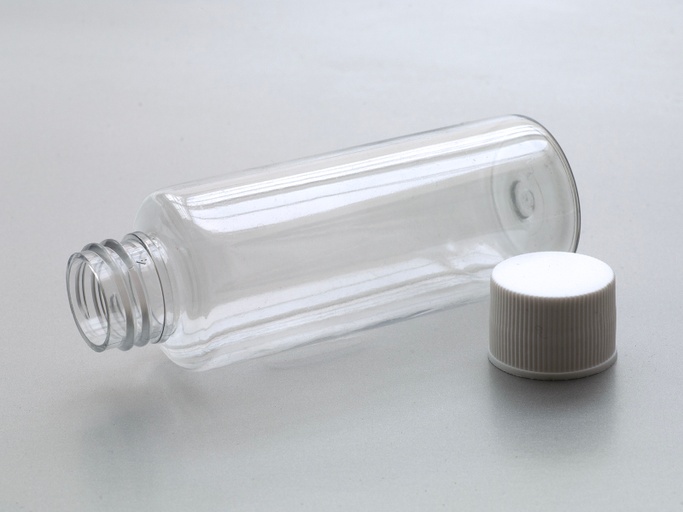
Float glass

Heat strengthened (Sheet glass)

Moderate carbon
This option1.5 kg CO₂e/kgToday16.5 kg CO₂e/kg

What you gain

  • 91% less carbon
  • Higher circularity potential
  • Plastic free
  • Circular end of life
  • Recyclable
  • 83% cheaper
  • Avoids: forever chemicals, low circularity potential, microplastics, potentially toxic in use

What it costs you

  • No trade-offs flagged in the data
Check this material →

Float glass

Chemically strengthened (Sheet glass)

Moderate carbon
This option1.65 kg CO₂e/kgToday16.5 kg CO₂e/kg

What you gain

  • 90% less carbon
  • Higher circularity potential
  • Plastic free
  • Circular end of life
  • Recyclable
  • 74% cheaper
  • Avoids: forever chemicals, low circularity potential, microplastics, potentially toxic in use

What it costs you

  • No trade-offs flagged in the data
Check this material →

Natural hydraulic lime (NHL) mortar

Ultra low carbon
This option0.3 kg CO₂e/kgToday16.5 kg CO₂e/kg

What you gain

  • 98% less carbon
  • Higher circularity potential
  • Circular end of life
  • 20% lighter
  • 76% cheaper
  • Avoids: forever chemicals, low circularity potential, microplastics, potentially toxic in use

What it costs you

  • 98% lower strength
  • Not listed for food contact
Check this material →

See all 6 glass, ceramic and stone options in the checker →

Other plastics 4

Other materials that do the same job with a lower footprint.

Polyetherimide (PEI)

30% glass fibre (Moulded composite)

Very high carbon
This option10.6 kg CO₂e/kg (estimate)Today16.5 kg CO₂e/kg

What you gain

  • 36% less carbon
  • Higher circularity potential
  • Recyclable
  • 32% lighter
  • Avoids: forever chemicals, potentially toxic in use

What it costs you

  • Far more rigid (8.67× stiffer)
  • Max use temperature 150 °C (vs 300 °C)
  • About 2.7× the cost
Check this material →

Polyvinylidene fluoride (Fluoropolymer)

High carbon
This option8.5 kg CO₂e/kg (estimate)Today16.5 kg CO₂e/kg

What you gain

  • 48% less carbon
  • Recyclable
  • 20% lighter

What it costs you

  • Max use temperature 150 °C (vs 300 °C)

2.33× stiffer.

Check this material →

Polyvinyl chloride (PVC)

Vinyl (Rigid plastic)

Moderate carbon
This option2.3 kg CO₂e/kgToday16.5 kg CO₂e/kg

What you gain

  • 86% less carbon
  • Higher circularity potential
  • Recyclable
  • 35% lighter
  • 91% cheaper
  • Avoids: forever chemicals

What it costs you

  • New concern: hazardous end of life
  • New concern: potential conflict commodity (3tg)
  • Max use temperature 50 °C (vs 300 °C)
  • Not listed for food contact

4.2× stiffer.

Check this material →

See all 4 other plastics options in the checker →

Not quite your material?

These are typical grades. The checker does the same comparison for more than 800 materials, or for every part of a product at once.

Companies working on this

Related commercial materials from the database. Listed for reference, not rated.

More guides