Thermoplastic polyester
Polyethylene terephthalate (Recycled)
Low carbonWhat you gain
- 77% less carbon
What it costs you
- 26% less stiff
Alternatives guide
18 lower-impact options for PLA bioplastic, grouped by the kind of change you would be making. The best of them cuts carbon by 94% per kilogram.
Checked as Biodegradable polyester: Polylactic acid. Also known as Ingeo, Luminy.
Concerns
Polylactic acid (PLA), also called polylactide, is produced from lactic acid, polymerised into a polyester. The lactic acid is derived from the fermentation of plant starch, such as obtained from corn, sugarcane and sugar beet. Bacteria feed on the sugars and yield a broth from which the lactic acid is extracted and purified. It is also possible to make PLA from chemical feedstock, like a conventional petrochemical plastic. Full check for PLA bioplastic →
Recycled grades, of the same material where one exists and of close relatives where not.
Thermoplastic polyester
Polypropylene (PP)
Plastics made partly or wholly from plants. Usually a small change in tooling and process.
Thermoplastic polyester
Leaves plastic behind altogether. A bigger design change, with the biggest gains.
Beech
3.75× stiffer. Made a different way: Pressing, Steam bending.
Check this material →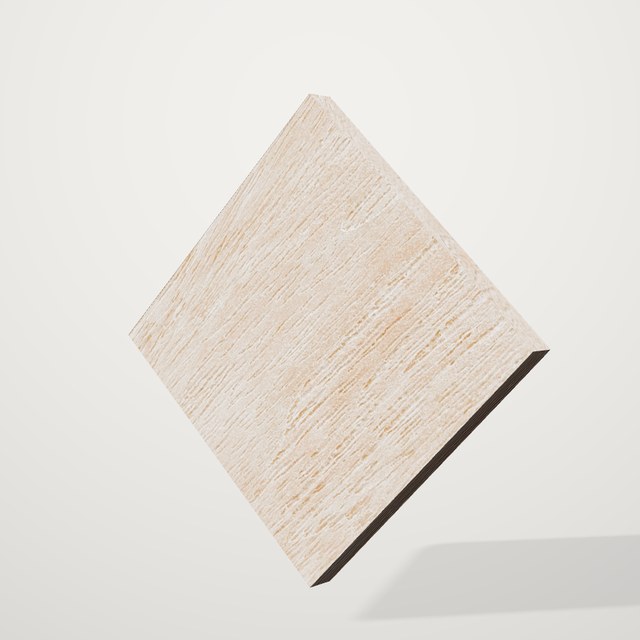
2.72× stiffer. Made a different way: Pressing.
Check this material →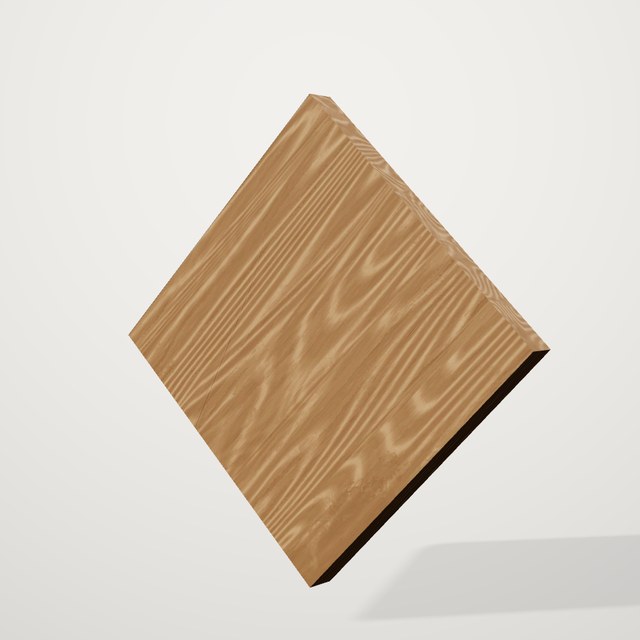
3.97× stiffer.
Check this material →Other materials that do the same job with a lower footprint.
Biodegradable polyester
3.24× stiffer.
Check this material →
5× stiffer.
Check this material →These are typical grades. The checker does the same comparison for more than 800 materials, or for every part of a product at once.
Related commercial materials from the database. Listed for reference, not rated.
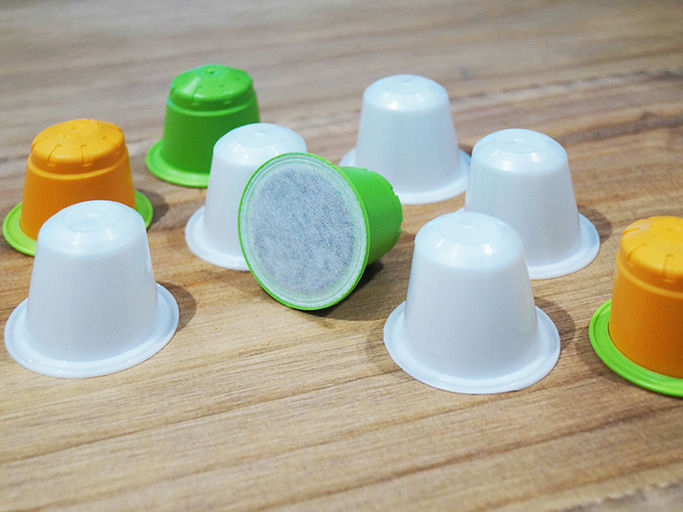 Nurel Inzea bioplasticsNurel Inzea are bio-based and biodegradable polyesters, up to 85% of which are produced from various bioplastics such as non-genetically modified polylactic acid (PLA) and starch. The range carries the OK compost label…Image: Nurel
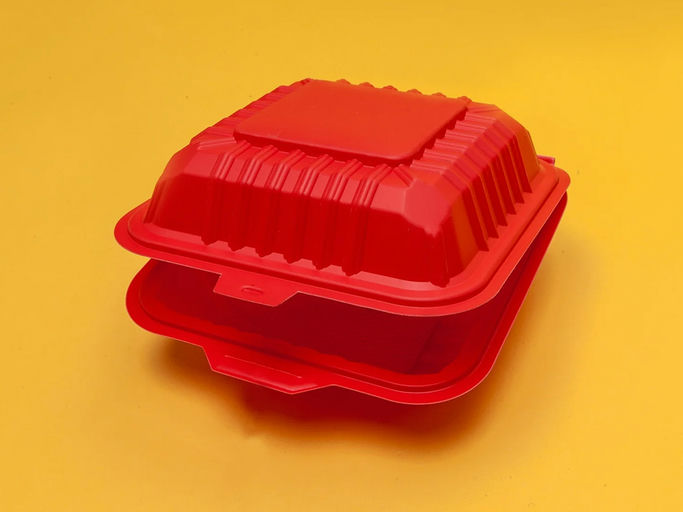 Polylactic acid (PLA) food packaging made with corn starchCorn starch bioplastic disposable food packaging (CornWare) is made with polylactic acid (PLA), which is industrially compostable. Neither the company Element nor the CornWare product could be found online in November…Image: Element
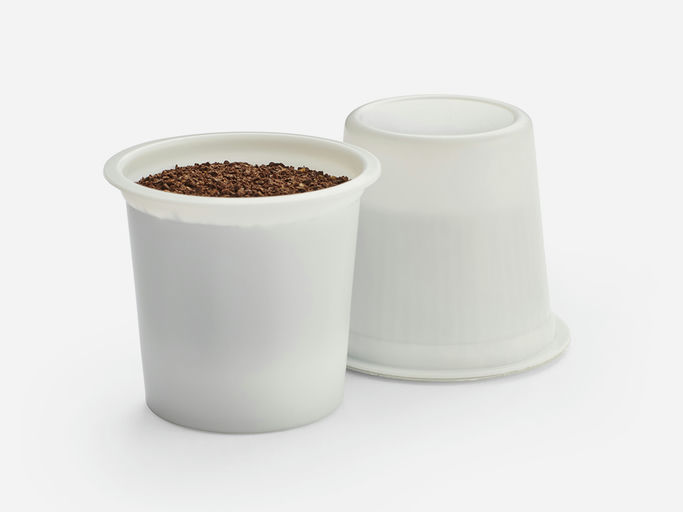 Ingeo polylactic acid (PLA) by NatureWorksNatureWorks Ingeo polylactic acid (PLA) provides compostable packaging for food and beverages such as coffee, dairy, dry foods, produce and bakery goods. It is suitable for ultrasonic welding, such as used to seal…Image: NatureWorks
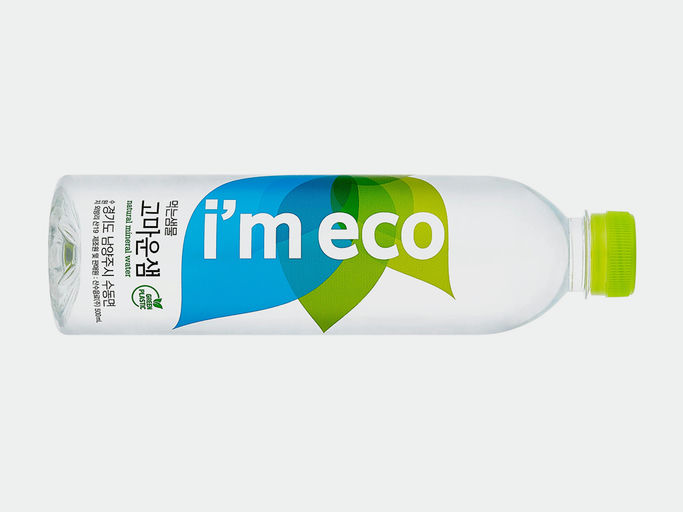 Luminy polylactic acid (PLA) by Total CorbionLuminy by TotalEnergies Corbion (formerly Total Corbion) is a portfolio of bio-based and industrially compostable polylactic acid (PLA), including both high heat and standard PLA grades, used in a wide range of markets…Image: TotalEnergies Corbion
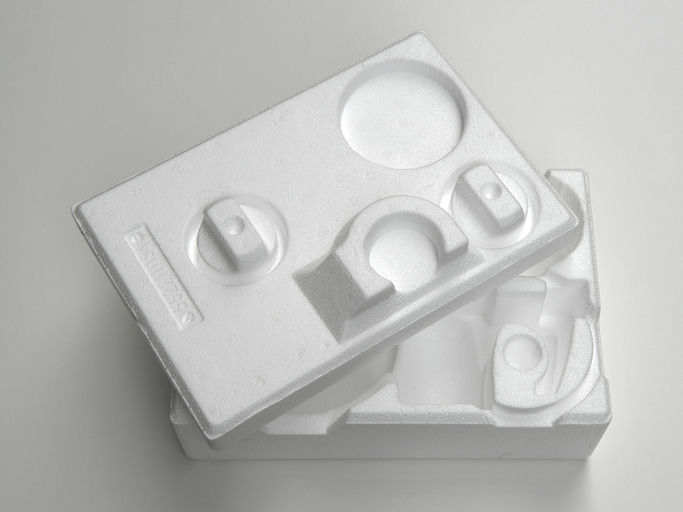 EPS (Styrofoam)
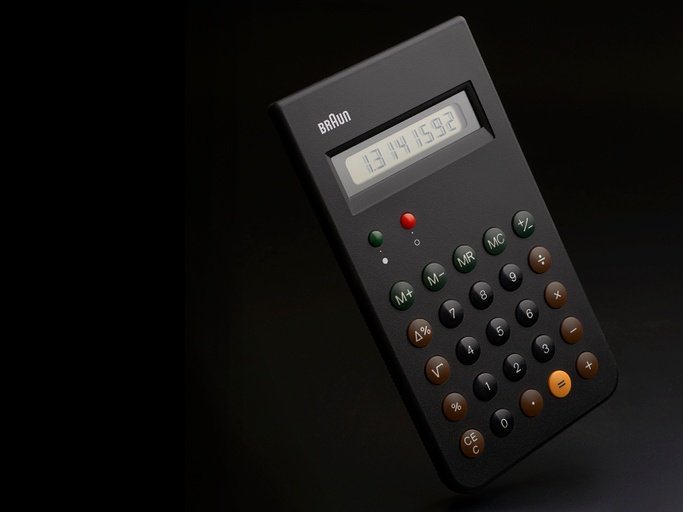 ABS plastic
 PVC (vinyl)
 Polycarbonate
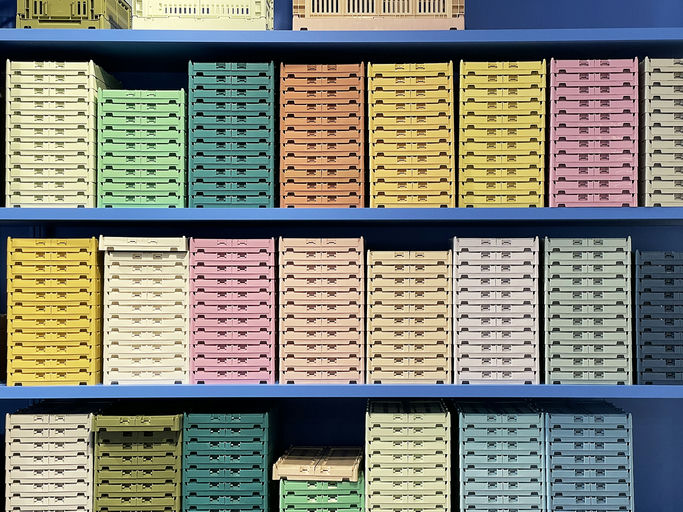 Polypropylene (PP)
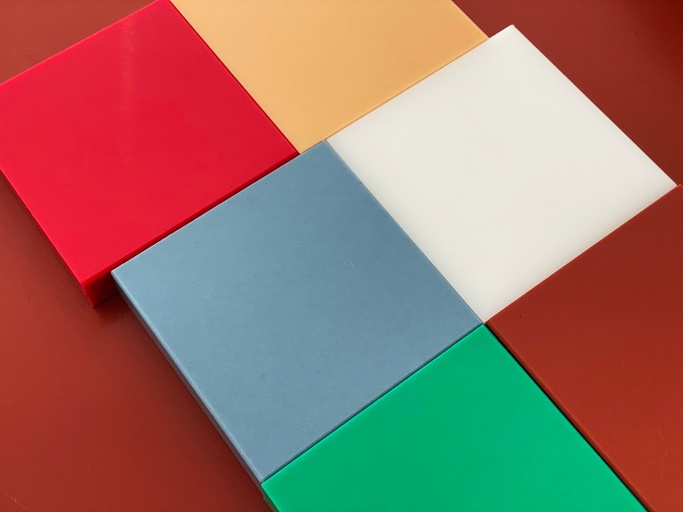 HDPE
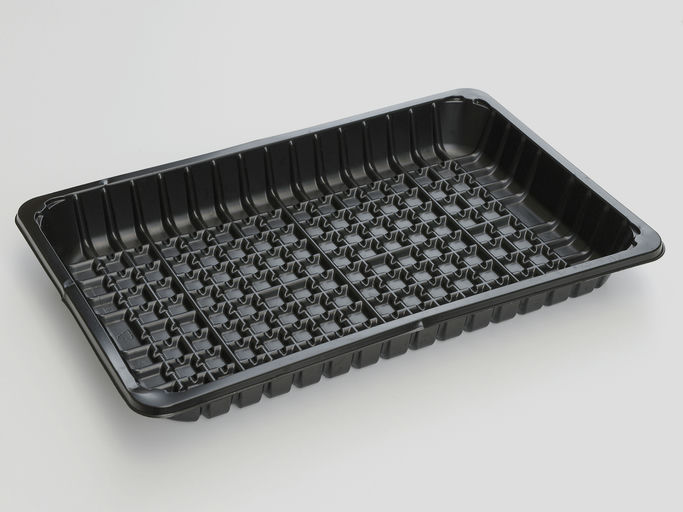 PET plastic
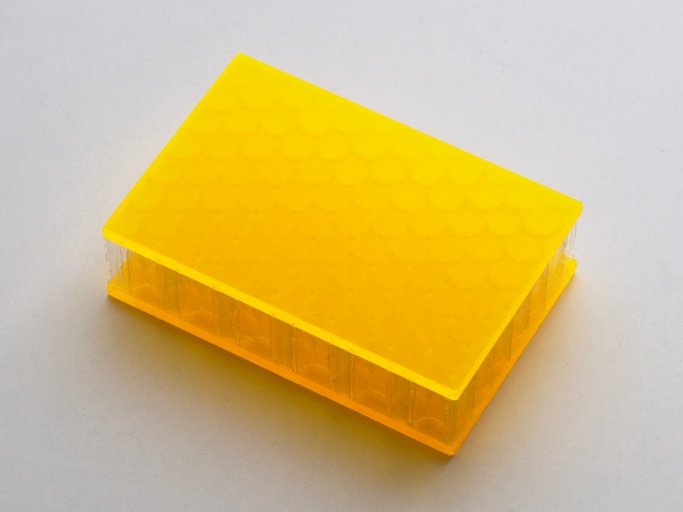 Acrylic (PMMA, Plexiglas)
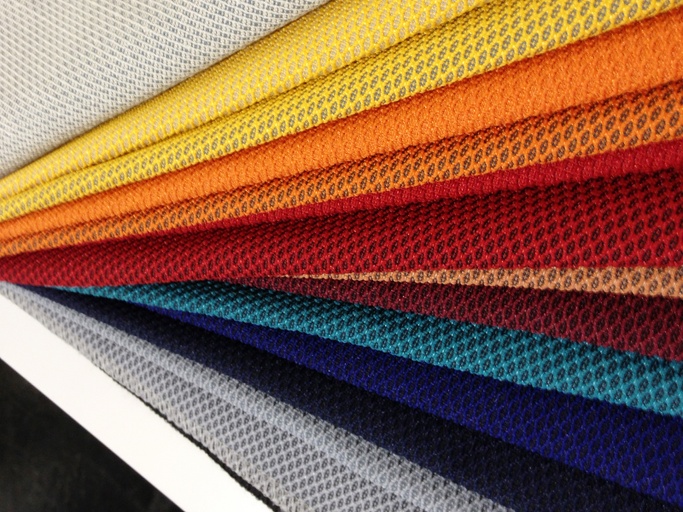 Nylon (PA6)
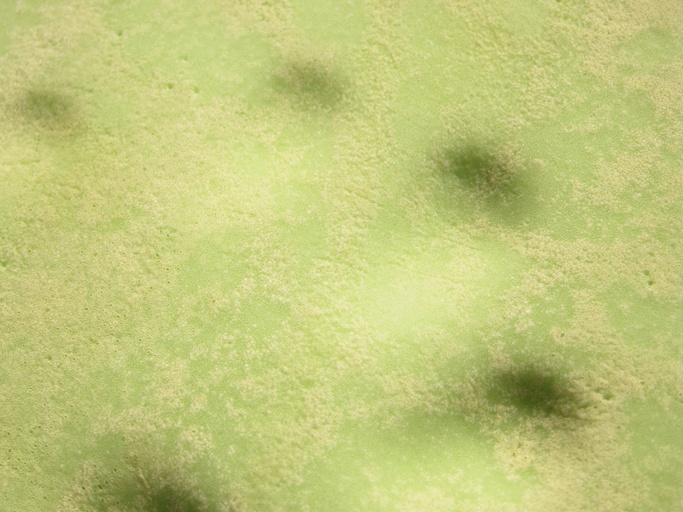 Flexible polyurethane foam
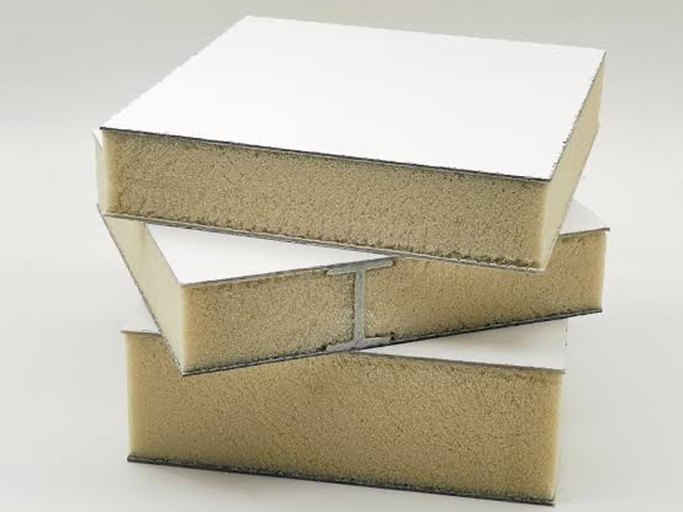 Rigid polyurethane insulation
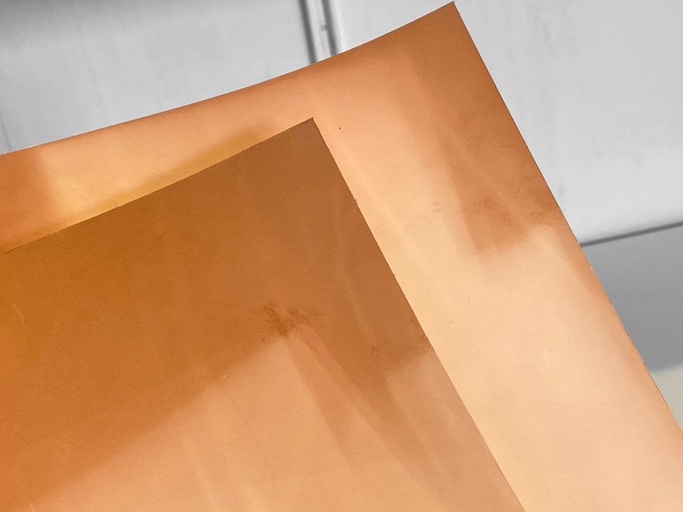 Cow leather
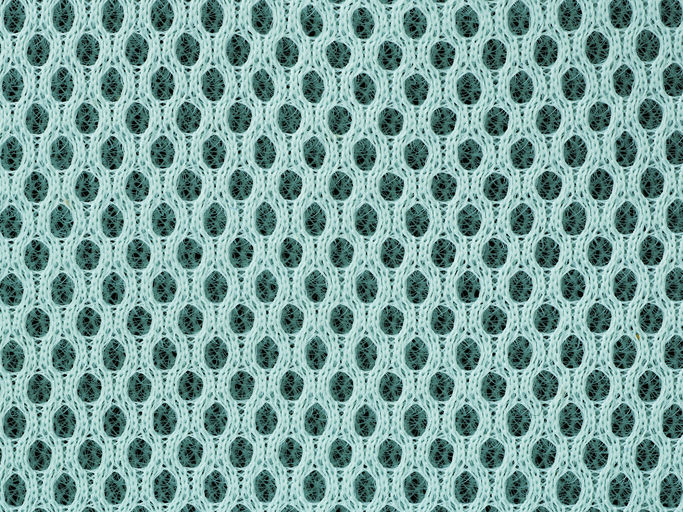 Polyester fabric
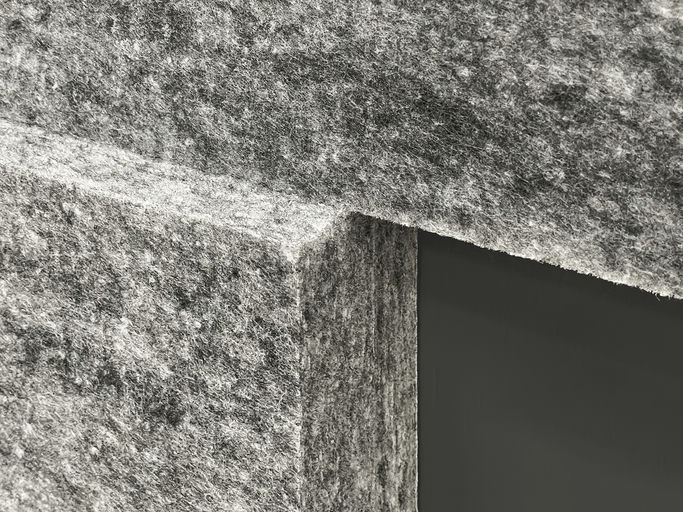 PET felt acoustic panels
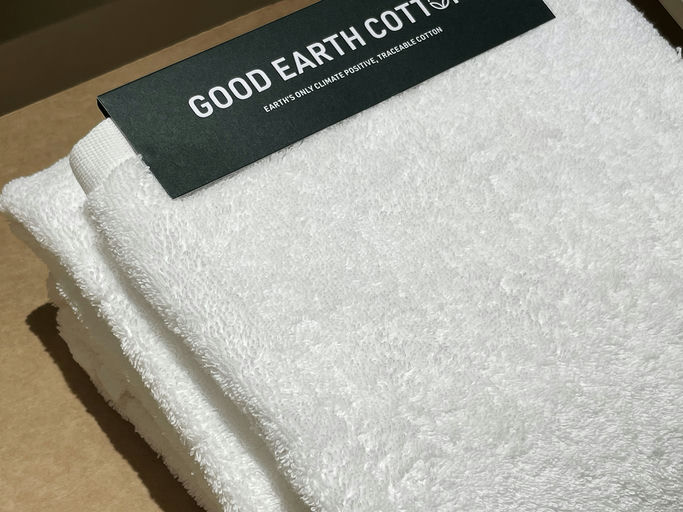 Cotton
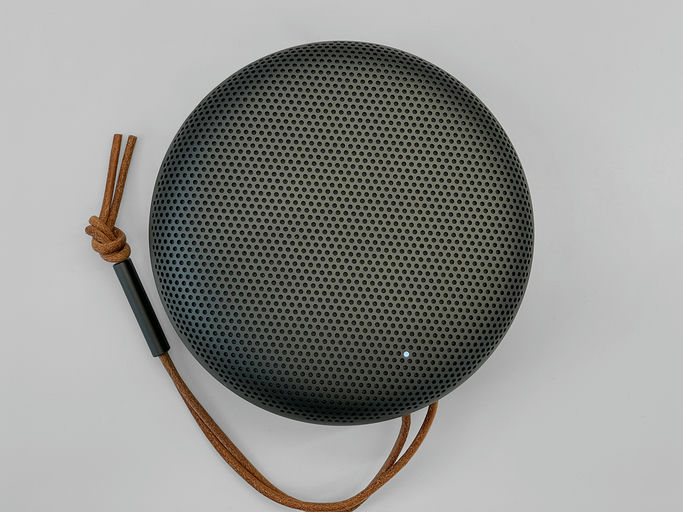 Aluminium
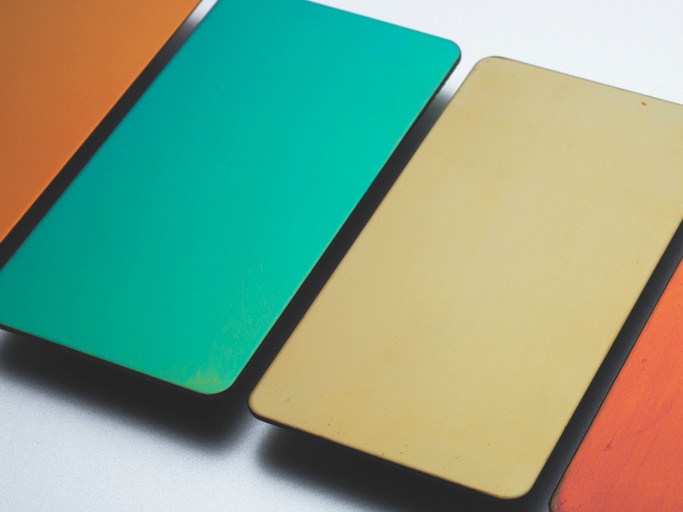 Stainless steel
 Mild steel
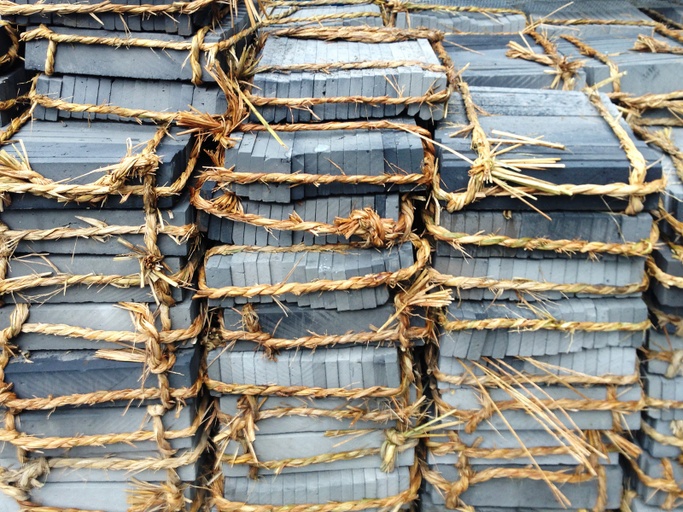 Concrete
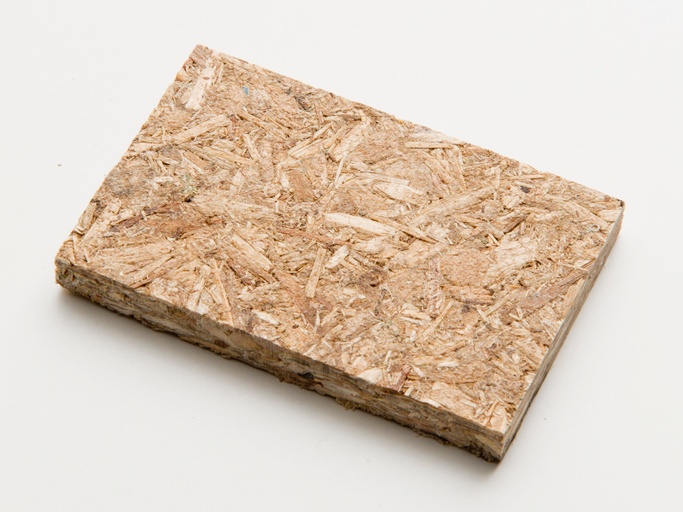 Particleboard (chipboard)
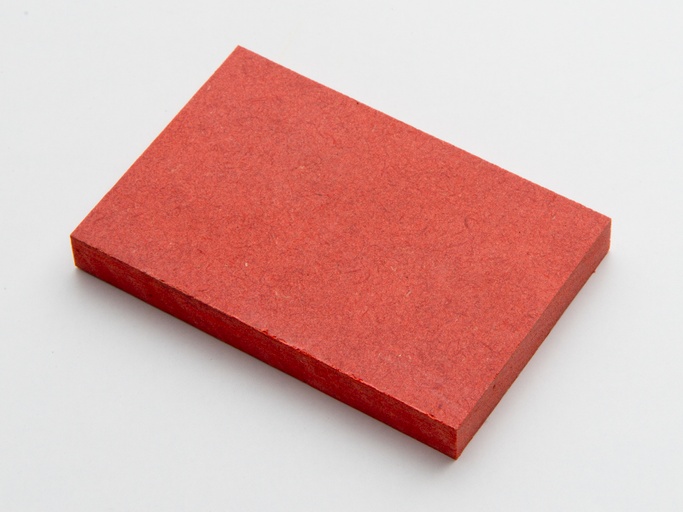 MDF
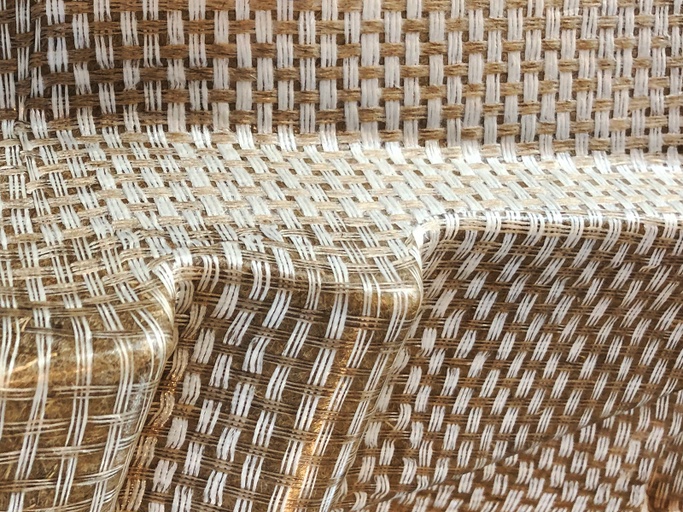 Epoxy resin
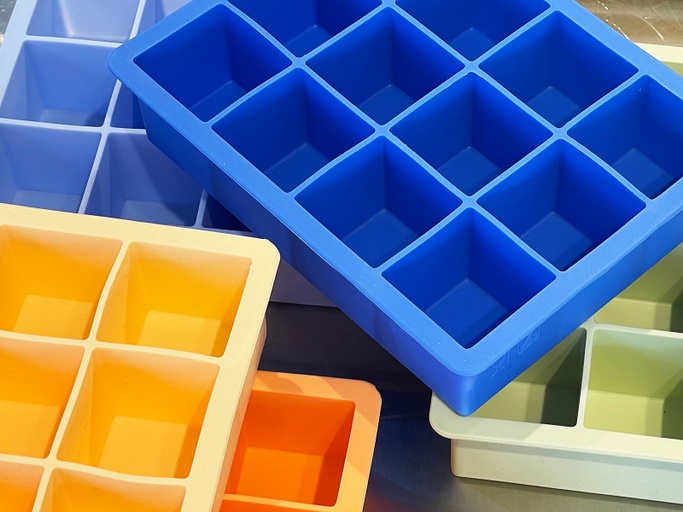 Silicone rubber
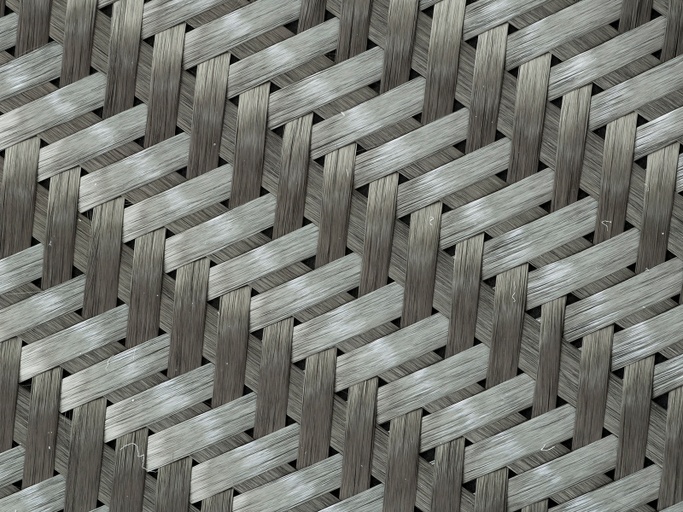 Carbon fibre
 Glass fibre (fibreglass)
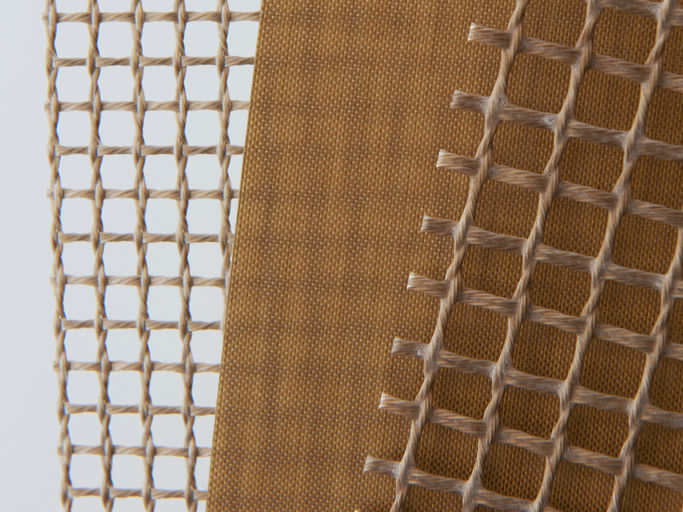 PTFE (Teflon)
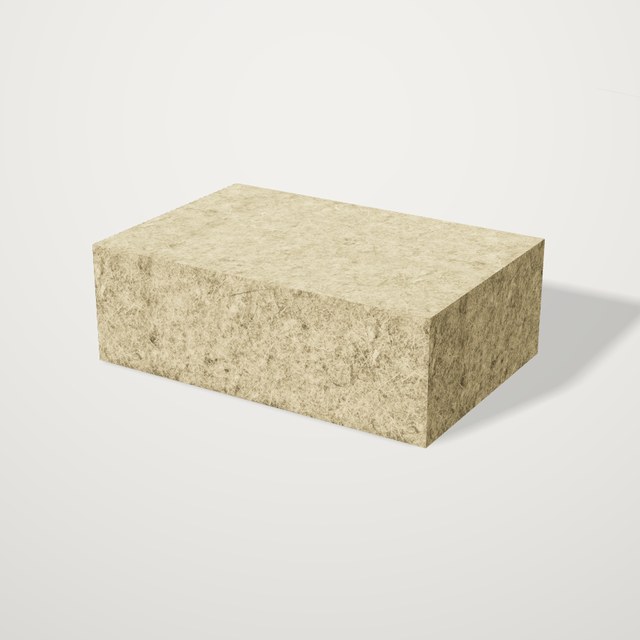 Stone wool insulation
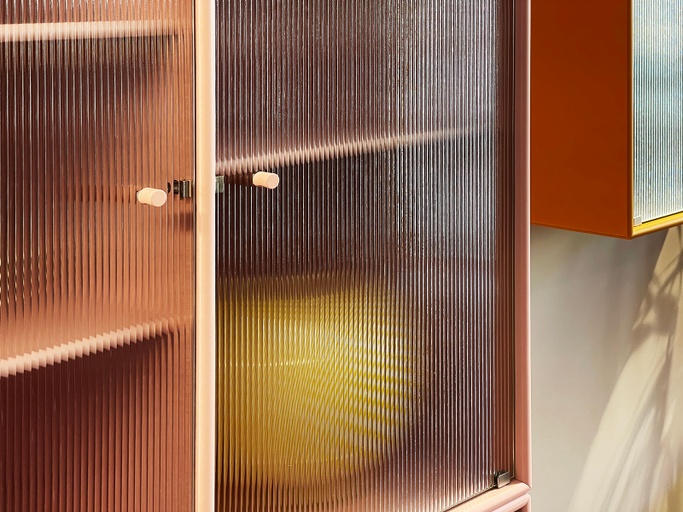 Float glass
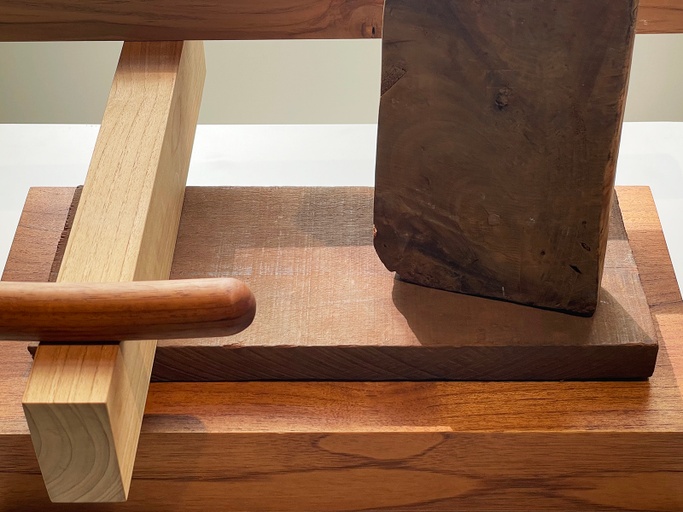 Teak