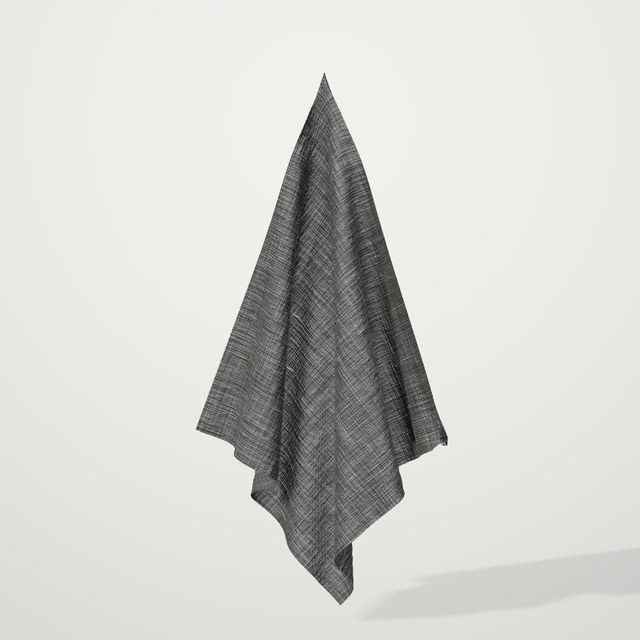
Polyester fibre
Polyethylene terephthalate (Recycled)
Moderate carbonWhat you gain
- 55% less carbon
- Circular end of life
- Avoids: non-renewable ingredients, raw material generates polluting by-products
What it costs you
- 50% more expensive
Alternatives guide
14 lower-impact options for polyester fabric, grouped by the kind of change you would be making. The best of them cuts carbon by 93% per kilogram.
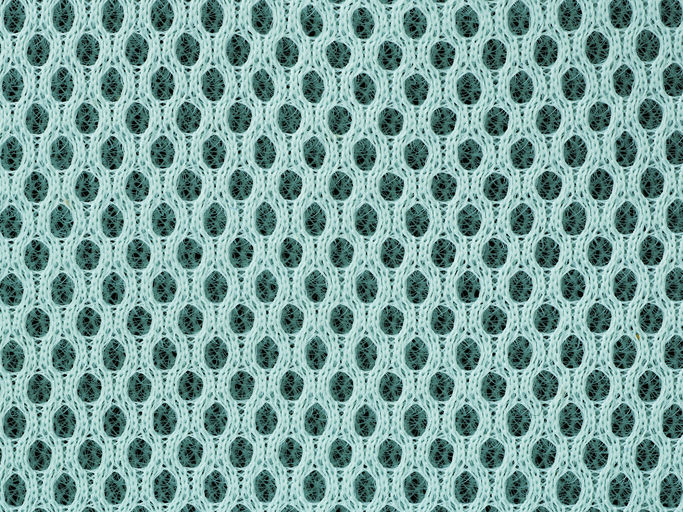
Checked as Polyester fibre: Polyethylene terephthalate. Also known as Polyester, Dacron, Terylene, Trevira.
Concerns
Polyethylene terephthalate (PETE, PET) is the most common of the polyester fibres. Known under trade names, such as Dacron, Terylene and Trevira, it can be found in a wide range of textile applications, from carpets, pillows and mattresses, to fashion textiles, faux fur, sportswear and conveyor belts. For demanding applications, it may be coated to extend its useful life. Full check for polyester fabric →
Recycled grades, of the same material where one exists and of close relatives where not.
Polyester fibre
Polyamide fibre (PA)
Polyester fibre
Density not comparable (fibre vs. felt or batt).
Check this material →Plastics made partly or wholly from plants. Usually a small change in tooling and process.
Biodegradable polyester
Leaves plastic behind altogether. A bigger design change, with the biggest gains.
Jute fibre
Hemp
Grass
Other materials that do the same job with a lower footprint.
Polypropylene (PP)
Polyester fibre
Density not comparable (fibre vs. felt or batt).
Check this material →These are typical grades. The checker does the same comparison for more than 800 materials, or for every part of a product at once.
Related commercial materials from the database. Listed for reference, not rated.
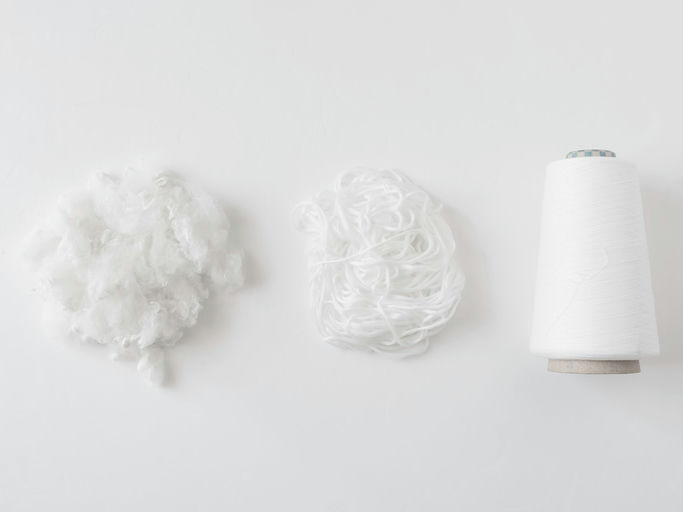 NaNea biodegradable polyester fibreOceanSafe have developed a 25-30% bio-based polyethylene terephthalate (PET), polyester, that is biodegradable in soil, marine and landfill. In marine water it biodegrades by >93% within 99 days (tested to ASTM D6691),…Image: OceanSafe
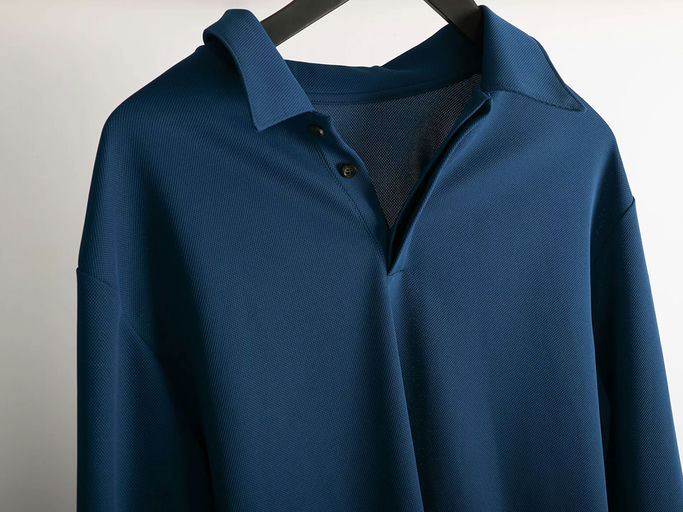 Syre chemically recycled polyesterBacked by H&M Group, Syre have developed a chemical recycling process to convert waste polyester (PET) textiles into new fibres. The polyester, derived from post-consumer waste and direct industry waste from factories,…Image: Syre
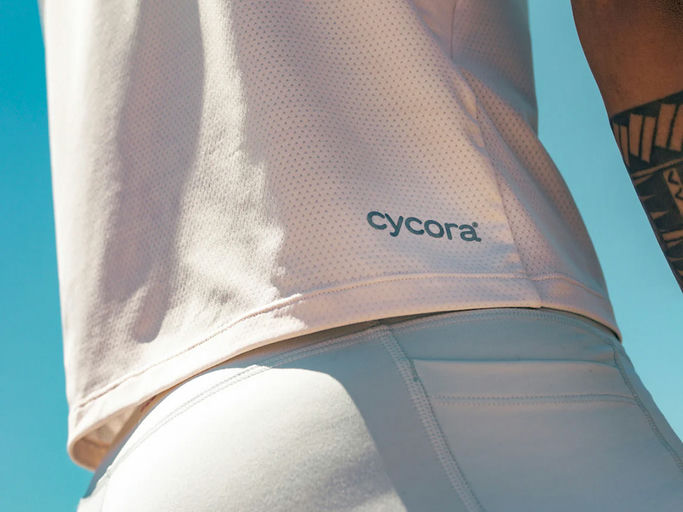 Cycora chemically recycled polyesterAmbercycle have developed a chemical recycling process that converts waste polyethylene terephthalate (PET), polyester, fibre and textiles into raw materials without any loss of quality. The resulting regenerated…Image: Ambercycle
 Circ Polyester fibreCirc have developed a hydrothermal process for recycling mixed textiles made up of cotton and polyester, like polycotton. With their technology, it is possible to extract both materials separately and convert them into…Image: Circ
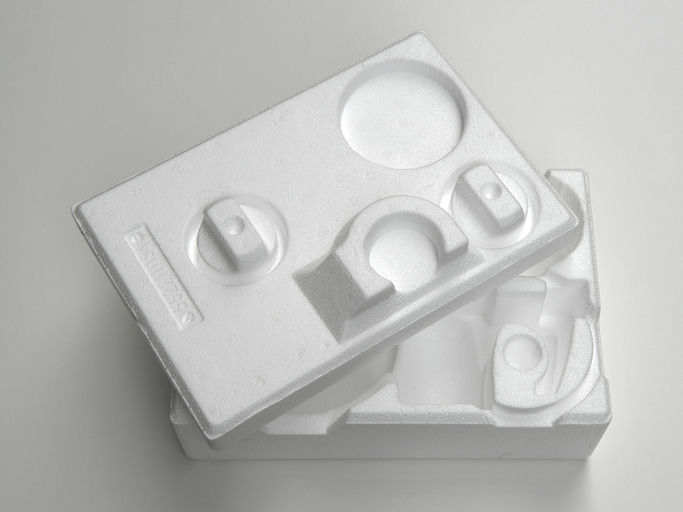 EPS (Styrofoam)
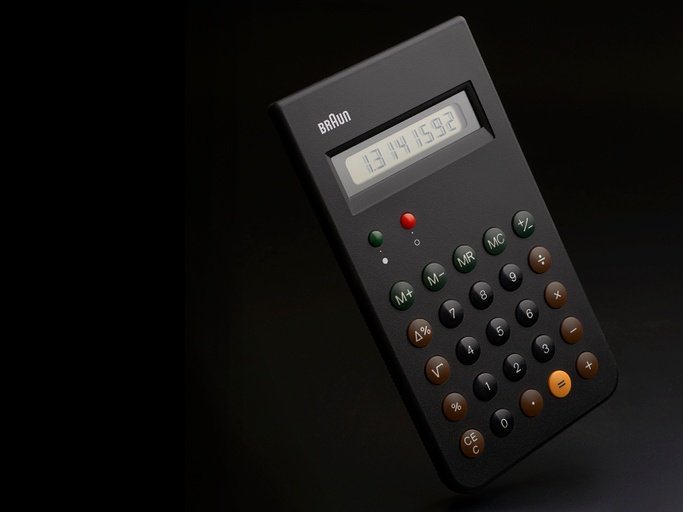 ABS plastic
 PVC (vinyl)
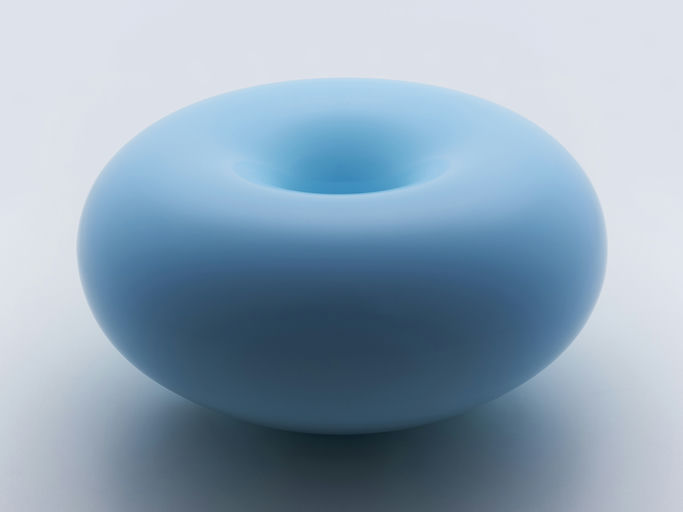 Polycarbonate
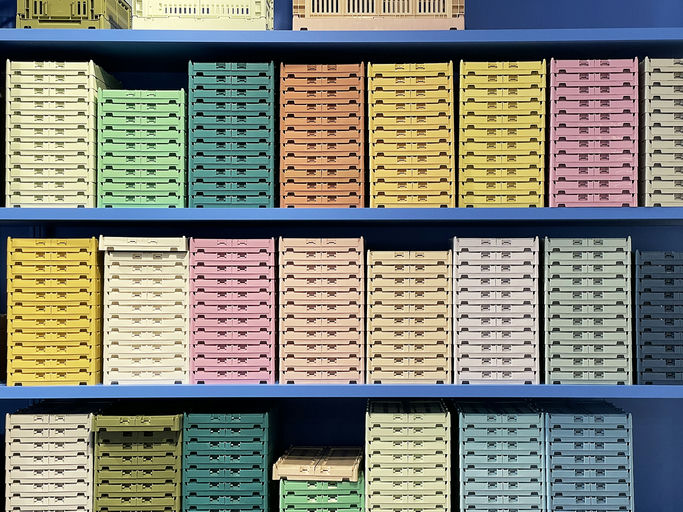 Polypropylene (PP)
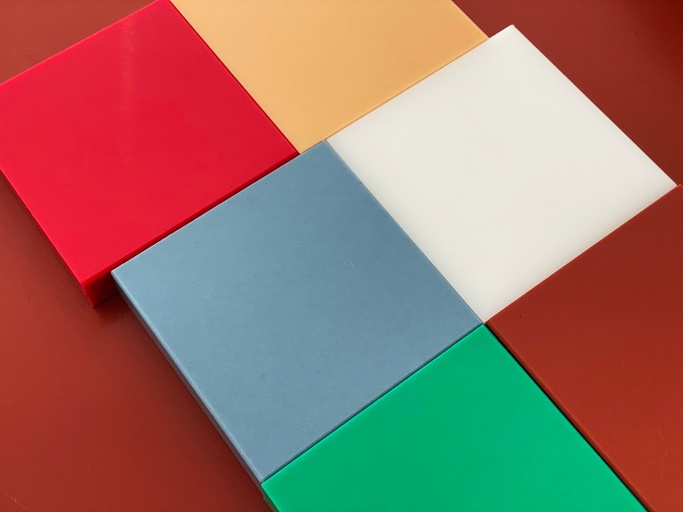 HDPE
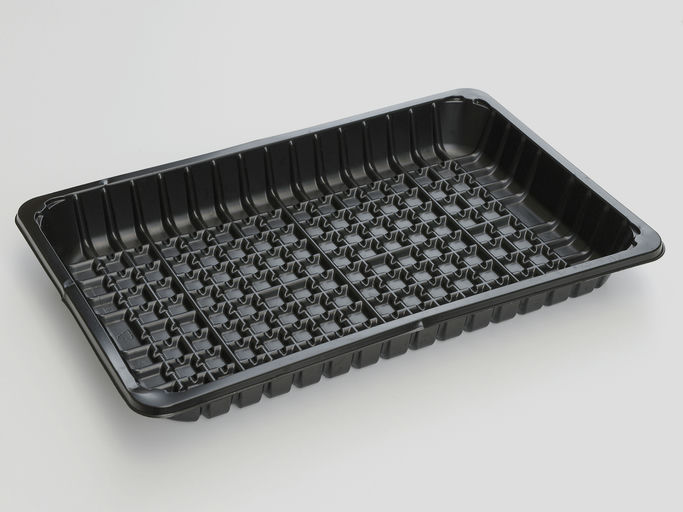 PET plastic
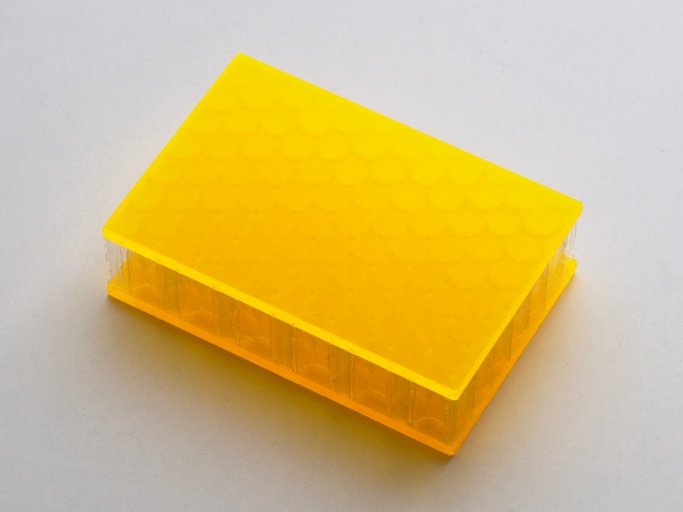 Acrylic (PMMA, Plexiglas)
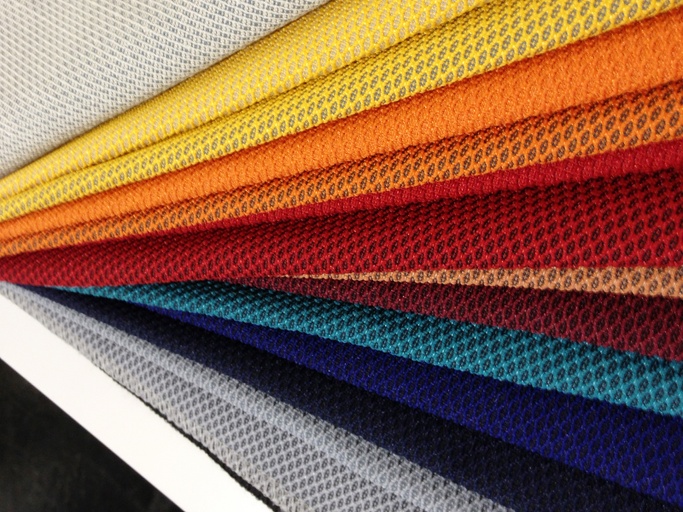 Nylon (PA6)
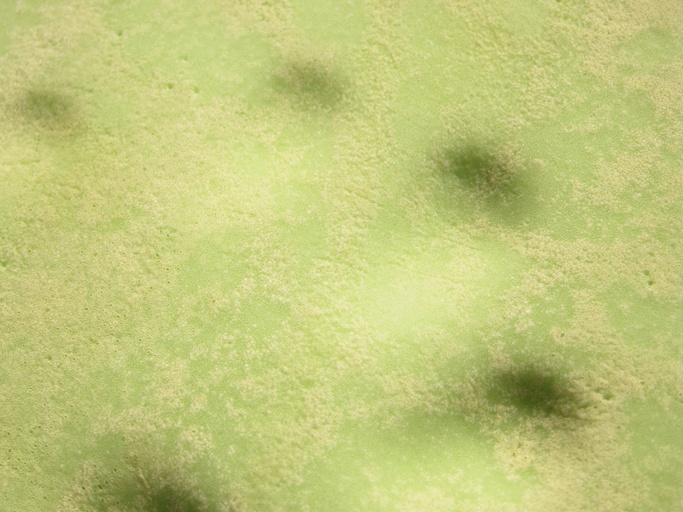 Flexible polyurethane foam
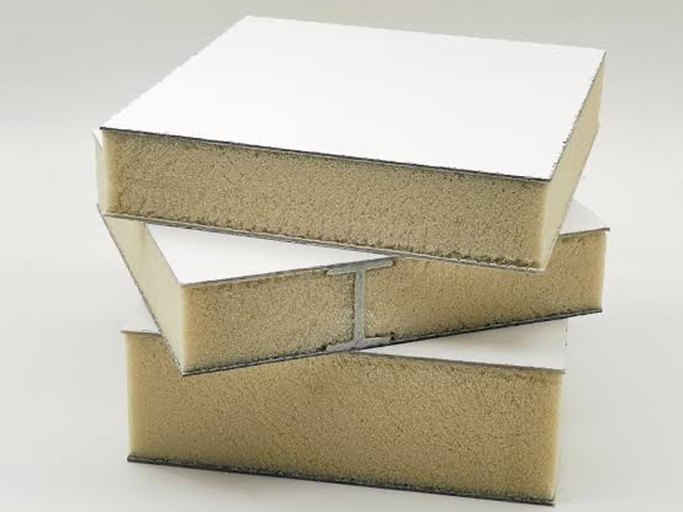 Rigid polyurethane insulation
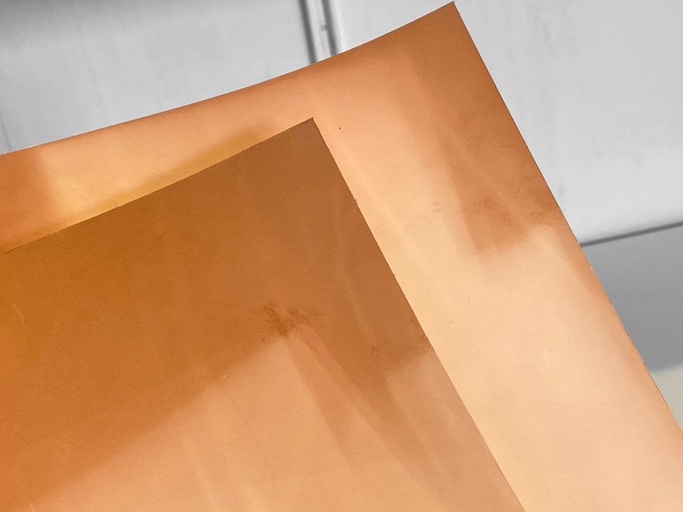 Cow leather
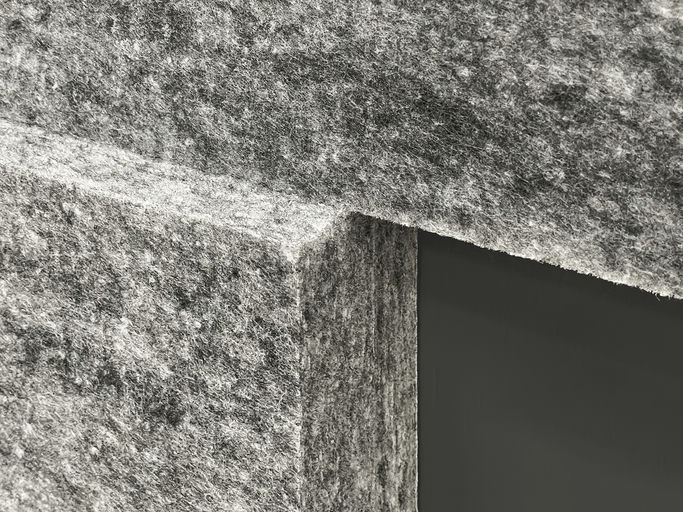 PET felt acoustic panels
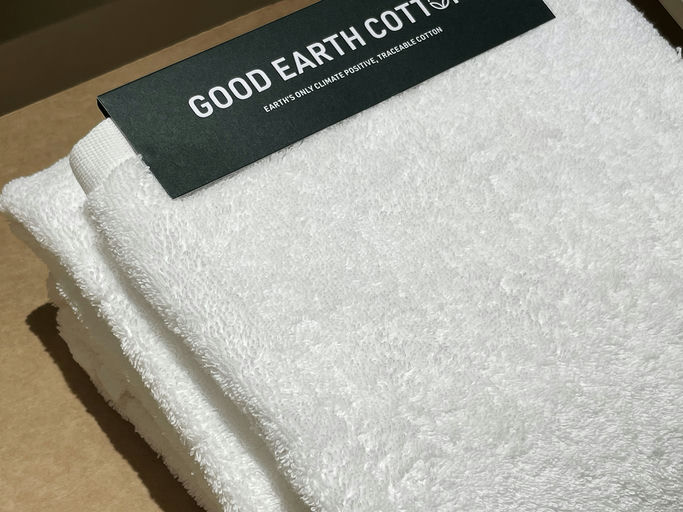 Cotton
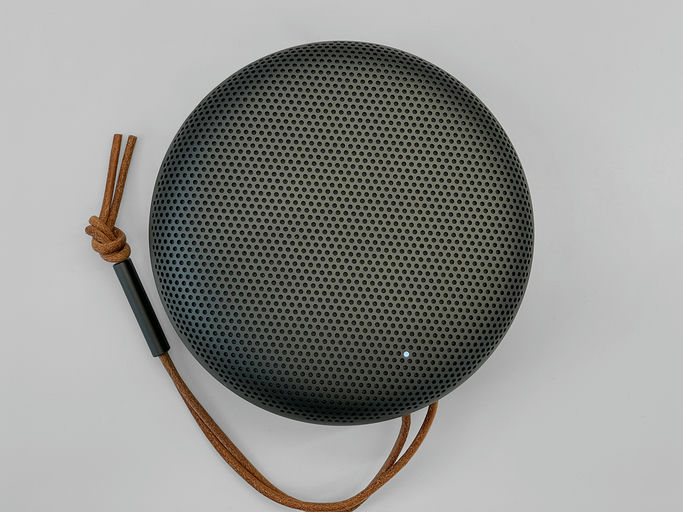 Aluminium
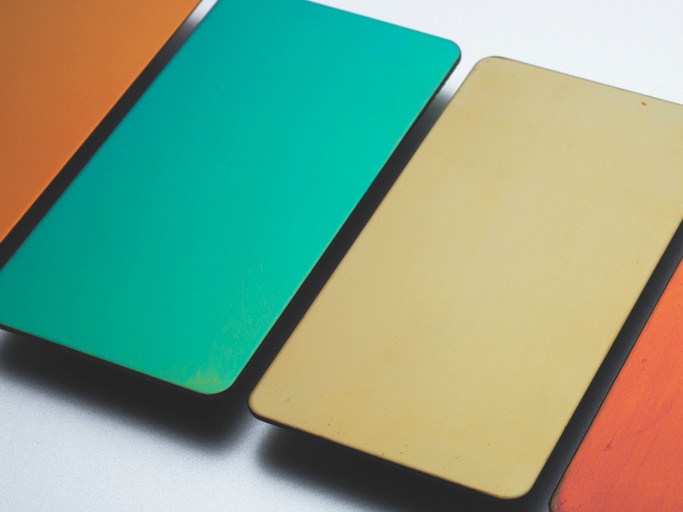 Stainless steel
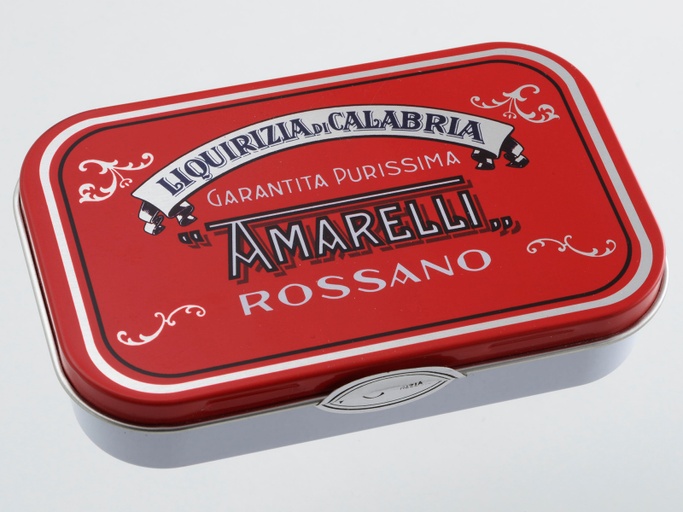 Mild steel
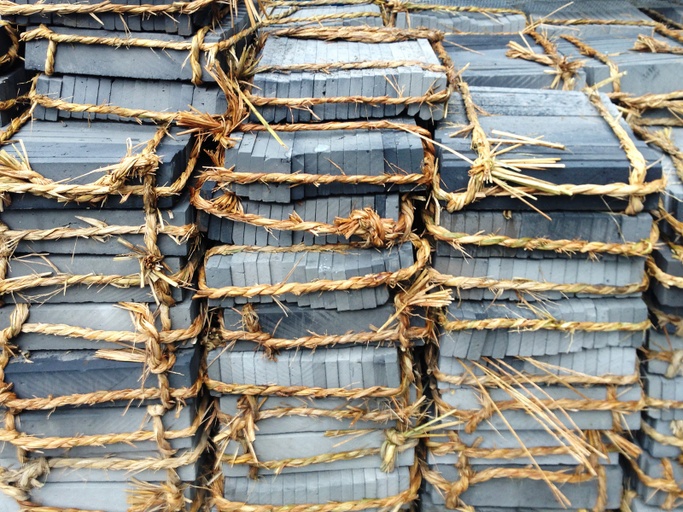 Concrete
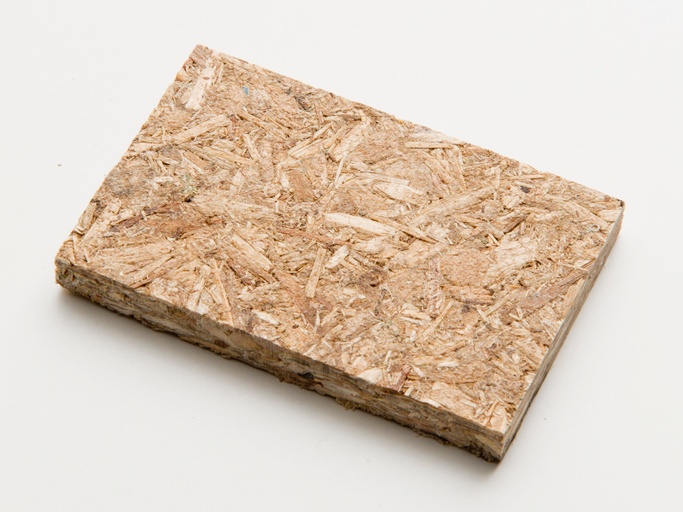 Particleboard (chipboard)
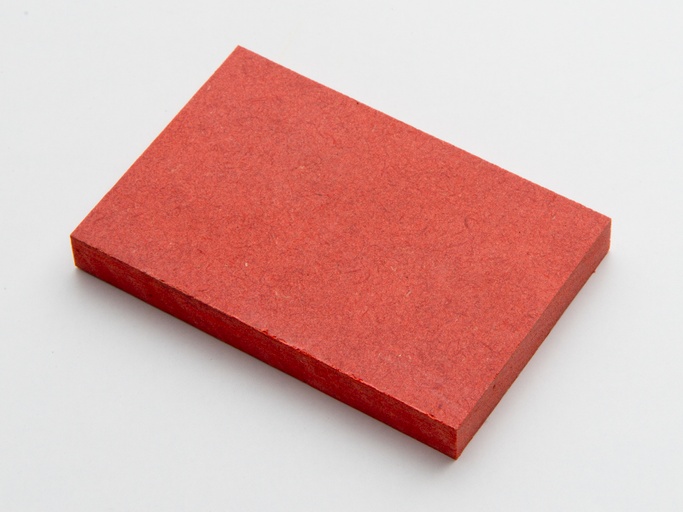 MDF
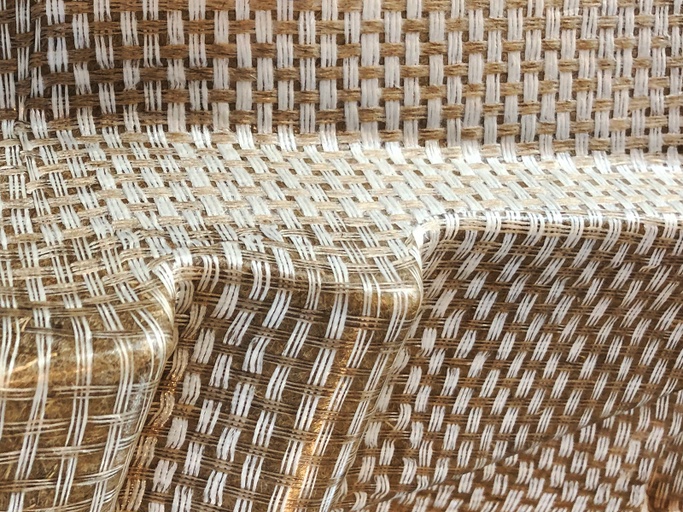 Epoxy resin
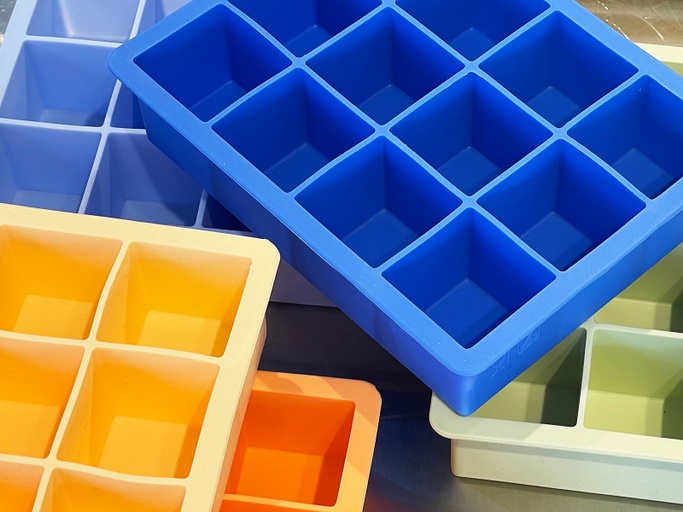 Silicone rubber
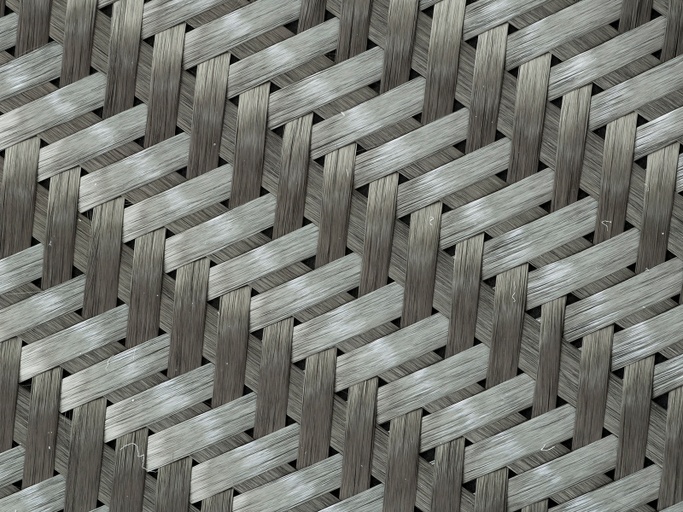 Carbon fibre
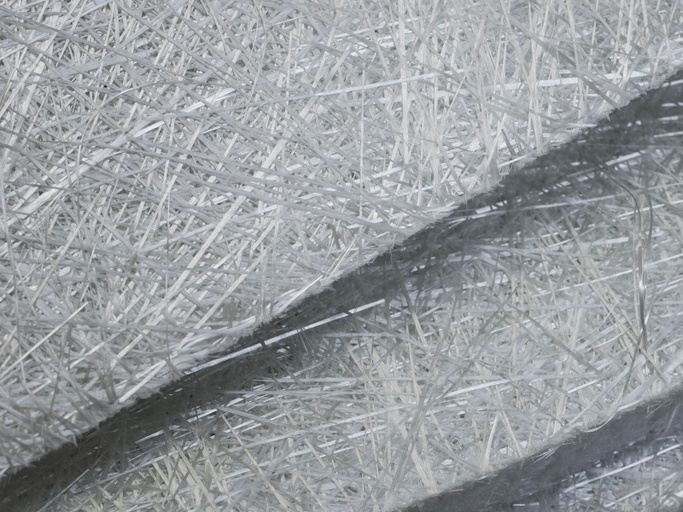 Glass fibre (fibreglass)
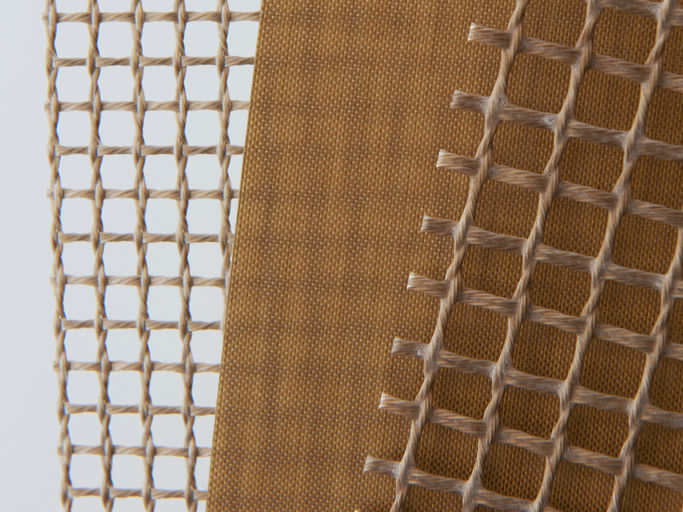 PTFE (Teflon)
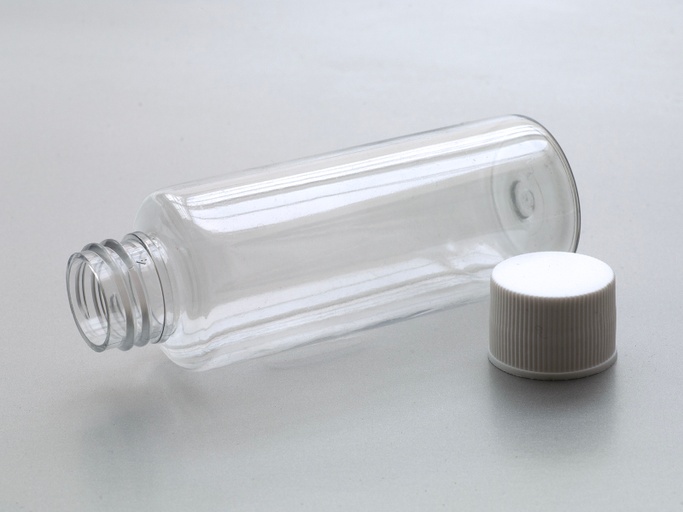 PLA bioplastic
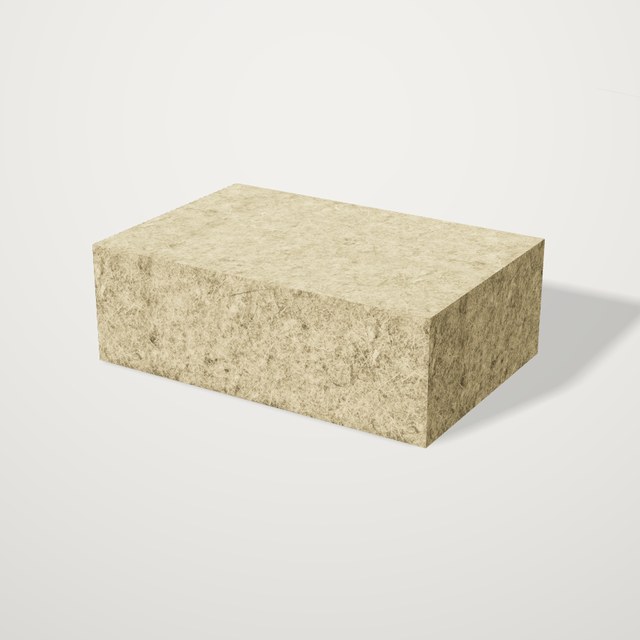 Stone wool insulation
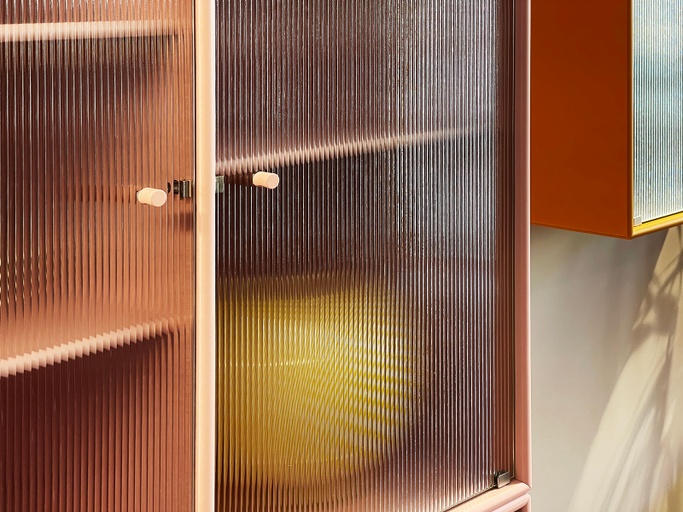 Float glass
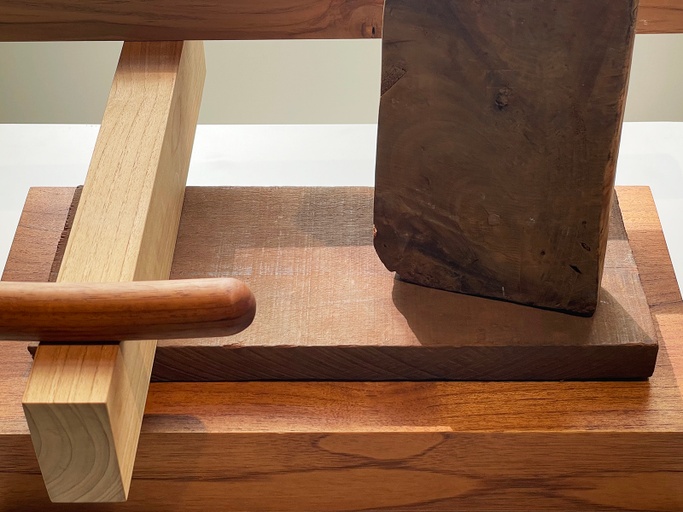 Teak