Alternatives guide

Alternatives to PVC (vinyl)

25 lower-impact options for PVC (vinyl), grouped by the kind of change you would be making. The best of them cuts carbon by 98% per kilogram.

PVC (vinyl)

PVC (vinyl) today

Checked as Polyvinyl chloride (PVC): Vinyl. Also known as uPVC, Rigid vinyl.

2.3 kg CO₂e/kgCarbon: Moderate
ModerateCircularity potential (estimate)
RecycleTypical end of life

Concerns

Rigid polyvinyl chloride (PVC) is also known as unplasticised (UPVC, PVC-U), because it does not contain plasticiser. As an amorphous plastic it is naturally transparent, but most often pigmented with colour. It is quite brittle with very poor temperature resistance in its pure state. Therefore, it is most commonly mixed with stabilisers to improve heat resistance for processing and use. Chlorinated PVC (CPVC, PVC-C) has a higher proportion of chlorine, which makes it less brittle. Full check for PVC (vinyl) →

Recycled 6

Recycled grades, of the same material where one exists and of close relatives where not.

Thermoplastic polyester

Polyethylene terephthalate (Recycled)

Low carbon
This option0.7 kg CO₂e/kgToday2.3 kg CO₂e/kg

What you gain

  • 70% less carbon
  • Circular end of life
  • Avoids: hazardous end of life, low circularity potential, non-renewable ingredients, potential conflict commodity (3tg), potentially toxic in use, raw material generates polluting by-products

What it costs you

  • About 2.3× the cost
Check this material →

Recycled high density polyethylene

Ultra low carbon
This option0.45 kg CO₂e/kgToday2.3 kg CO₂e/kg

What you gain

  • 80% less carbon
  • Circular end of life
  • 33% lighter
  • Avoids: hazardous end of life, low circularity potential, non-renewable ingredients, potential conflict commodity (3tg), potentially toxic in use, raw material generates polluting by-products

What it costs you

  • 65% less stiff
  • 55% more expensive
Check this material →

Polyvinyl chloride (PVC)

Recycled

Ultra low carbon
This option0.4 kg CO₂e/kg (estimate)Today2.3 kg CO₂e/kg

What you gain

  • 83% less carbon
  • Avoids: non-renewable ingredients, potential conflict commodity (3tg), raw material generates polluting by-products

What it costs you

  • No trade-offs flagged in the data
Check this material →

See all 6 recycled options in the checker →

Plant-based plastic 3

Plastics made partly or wholly from plants. Usually a small change in tooling and process.

Bio-based polyethylene (Bio-based plastic)

Moderate carbon
This option1.7 kg CO₂e/kgToday2.3 kg CO₂e/kg

What you gain

  • 26% less carbon
  • Renewable
  • 33% lighter
  • Avoids: hazardous end of life, low circularity potential, non-renewable ingredients, potential conflict commodity (3tg), potentially toxic in use, raw material generates polluting by-products

What it costs you

  • 65% less stiff
  • About 2.3× the cost
Check this material →

Thermoplastic polyester

Polyethylene furanoate (Bio-based plastic)

Low carbon
This option1.2 kg CO₂e/kgToday2.3 kg CO₂e/kg

What you gain

  • 48% less carbon
  • Avoids: hazardous end of life, non-renewable ingredients, potential conflict commodity (3tg), potentially toxic in use, raw material generates polluting by-products

What it costs you

  • About 3.1× the cost
Check this material →

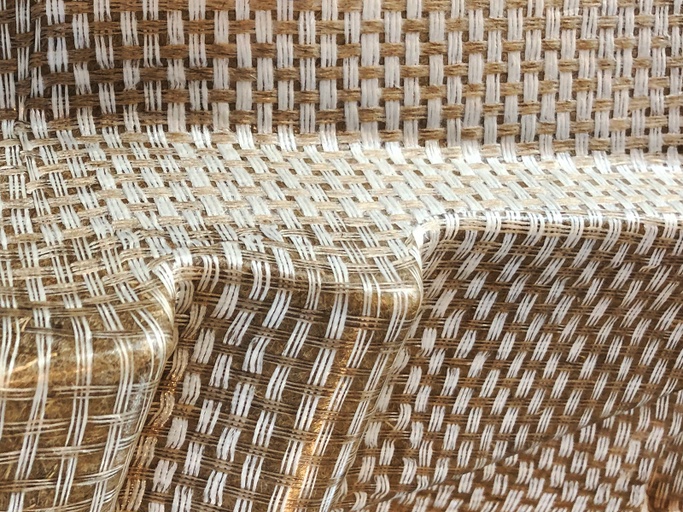
30% continuous flax (Laminated polypropylene composite)

Moderate carbon
This option1.7 kg CO₂e/kg (estimate)Today2.3 kg CO₂e/kg

What you gain

  • 26% less carbon
  • Higher circularity potential
  • Renewable
  • 27% lighter
  • Avoids: hazardous end of life, potential conflict commodity (3tg), potentially toxic in use

What it costs you

  • About 5.0× the cost

2.06× stiffer.

Check this material →

Natural, plastic free 5

Leaves plastic behind altogether. A bigger design change, with the biggest gains.

Spruce

Sawnwood kiln dried

Ultra low carbon
This option0.19 kg CO₂e/kgToday2.3 kg CO₂e/kg

What you gain

  • 92% less carbon
  • Higher circularity potential
  • Renewable
  • Circular end of life
  • 70% lighter
  • Avoids: hazardous end of life, low circularity potential, microplastics, non-renewable ingredients, potential conflict commodity (3tg), potentially toxic in use, raw material generates polluting by-products

What it costs you

  • 50% more expensive

3.37× stiffer.

Check this material →

Larch

Eastern, Tamarack, Western, Siberian, European, Japanese (Sawnwood kiln dried)

Ultra low carbon
This option0.19 kg CO₂e/kgToday2.3 kg CO₂e/kg

What you gain

  • 92% less carbon
  • Higher circularity potential
  • Renewable
  • Circular end of life
  • 59% lighter
  • Avoids: hazardous end of life, low circularity potential, microplastics, non-renewable ingredients, potential conflict commodity (3tg), potentially toxic in use, raw material generates polluting by-products

What it costs you

  • About 4.0× the cost

3.98× stiffer.

Check this material →

Douglas fir

Sawnwood kiln dried

Ultra low carbon
This option0.19 kg CO₂e/kgToday2.3 kg CO₂e/kg

What you gain

  • 92% less carbon
  • Higher circularity potential
  • Renewable
  • Circular end of life
  • 65% lighter
  • Avoids: hazardous end of life, low circularity potential, microplastics, non-renewable ingredients, potential conflict commodity (3tg), potentially toxic in use, raw material generates polluting by-products

What it costs you

  • About 3.5× the cost

4.24× stiffer.

Check this material →

See all 5 natural, plastic free options in the checker →

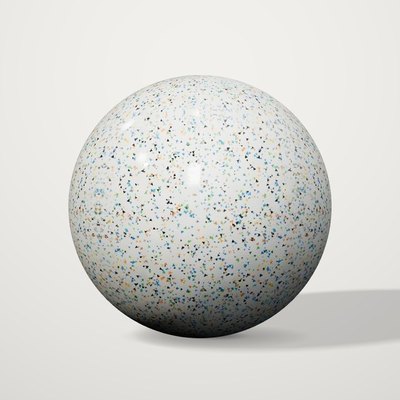
Glass, ceramic and stone 6

Glass, ceramic, stone and plaster options that do the same job.

Clay plaster (Unfired)

Ultra low carbon
This option0.04 kg CO₂e/kgToday2.3 kg CO₂e/kg

What you gain

  • 98% less carbon
  • Higher circularity potential
  • Circular end of life
  • Avoids: hazardous end of life, low circularity potential, microplastics, potential conflict commodity (3tg), potentially toxic in use, raw material generates polluting by-products

What it costs you

  • 19% heavier
Check this material →

Float glass

Heat strengthened (Sheet glass)

Moderate carbon
This option1.5 kg CO₂e/kgToday2.3 kg CO₂e/kg

What you gain

  • 35% less carbon
  • Higher circularity potential
  • Plastic free
  • Circular end of life
  • Avoids: hazardous end of life, low circularity potential, microplastics, potential conflict commodity (3tg), potentially toxic in use

What it costs you

  • 75% heavier
  • 93% more expensive

Made a different way: Pressing.

Check this material →

Plaster of Paris (Gypsum plaster)

Ultra low carbon
This option0.14 kg CO₂e/kgToday2.3 kg CO₂e/kg

What you gain

  • 94% less carbon
  • Plastic free
  • 93% cheaper
  • Avoids: hazardous end of life, microplastics, potential conflict commodity (3tg), potentially toxic in use

What it costs you

  • 32% heavier
  • 95% lower strength
Check this material →

See all 6 glass, ceramic and stone options in the checker →

Other plastics 5

Other materials that do the same job with a lower footprint.

Compression moulded with 40% random oriented sisal (Composite)

Moderate carbon
This option1.45 kg CO₂e/kg (estimate)Today2.3 kg CO₂e/kg

What you gain

  • 37% less carbon
  • Higher circularity potential
  • Renewable
  • 19% lighter
  • Avoids: hazardous end of life, microplastics, potential conflict commodity (3tg), potentially toxic in use, raw material generates polluting by-products

What it costs you

  • 40% lower strength
  • About 2.5× the cost
Check this material →

Polymethyl methacrylate (PMMA)

Jesmonite (Cast)

Low carbon
This option0.65 kg CO₂e/kg (estimate)Today2.3 kg CO₂e/kg

What you gain

  • 72% less carbon
  • Avoids: hazardous end of life, potential conflict commodity (3tg), potentially toxic in use

What it costs you

  • Lower circularity potential
  • 26% heavier
  • 47% lower strength
  • About 4.0× the cost
Check this material →

60% continuous flax (Laminated polypropylene composite)

Moderate carbon
This option1.35 kg CO₂e/kg (estimate)Today2.3 kg CO₂e/kg

What you gain

  • 41% less carbon
  • Higher circularity potential
  • Renewable
  • 16% lighter
  • Avoids: hazardous end of life, potential conflict commodity (3tg), potentially toxic in use

What it costs you

  • Far more rigid (6.67× stiffer)
  • About 7.5× the cost
Check this material →

See all 5 other plastics options in the checker →

Not quite your material?

These are typical grades. The checker does the same comparison for more than 800 materials, or for every part of a product at once.

Companies working on this

Related commercial materials from the database. Listed for reference, not rated.

More guides