Recycled expanded polystyrene (EPS)
Low carbonWhat you gain
- 81% less carbon
- 24% lighter
- Avoids: non-renewable ingredients, raw material generates polluting by-products
What it costs you
- Not listed for food contact
Alternatives guide
15 lower-impact options for EPS (Styrofoam), grouped by the kind of change you would be making. The best of them cuts carbon by 81% per kilogram.
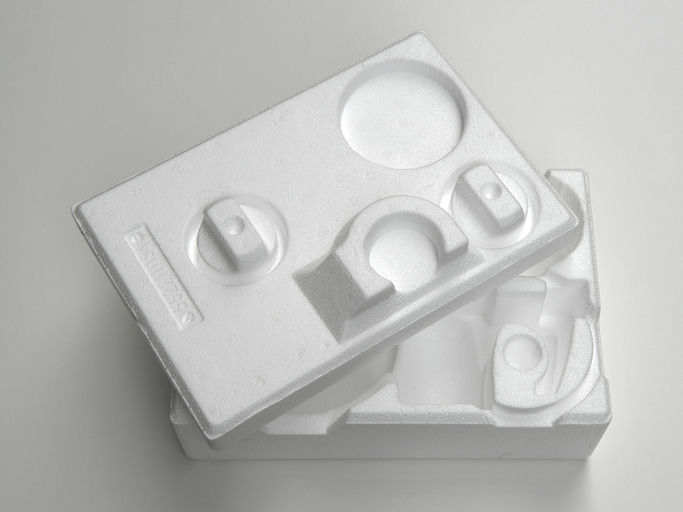
Checked as Polystyrene (PS): Expanded polystyrene, Styrofoam. Also known as Polystyrene foam, Airpop.
Concerns
Expanded polystyrene (EPS) is an ultralight rigid foam used for moulded packaging, insulation and impact protection. Packaging applications range from food containers (cooler boxes for medicine and frozen foods) to impact protection for domestic appliances. It is lightweight, cheap and insulating, which make it popular for single use food packaging. The problem with this is it is often not recycled. This means it typically ends up in refuse where it takes up a lot of space and breaks down into microplastics. Full check for EPS (Styrofoam) →
Recycled grades, of the same material where one exists and of close relatives where not.
Leaves plastic behind altogether. A bigger design change, with the biggest gains.
Cork
Starch
Different form, same job: thermal insulation, energy absorption.
Check this material →
Engineered wood
Different form, same job: thermal insulation.
Check this material →Mostly natural, held together or backed with a synthetic resin.
Different form, same job: thermal insulation, sound absorbing, acoustics. Made a different way: Nonwoven.
Check this material →
Made a different way: Moulding.
Check this material →
Carbon is a family-level figure. Different form, same job: thermal insulation, sound absorbing, acoustics. Made a different way: Nonwoven.
Check this material →Glass, ceramic, stone and plaster options that do the same job.
4.18× stiffer. Different form, same job: thermal insulation, sound absorbing. Made a different way: Casting, Compression moulding, Moulding.
Check this material →
Mineral wool
Different form, same job: thermal insulation, sound absorbing, acoustics. Made a different way: Nonwoven.
Check this material →
Mineral wool
Different form, same job: thermal insulation, sound absorbing. Made a different way: Fibre spinning, Nonwoven, Pressing.
Check this material →Other materials that do the same job with a lower footprint.
Trend briefing
Expanded polystyrene is mostly air, cheap and very good at two jobs: protecting things in transit and keeping heat in. The right replacement depends on which job. Here are the routes for packaging and for insulation, with the numbers and the catches.
Expanded polystyrene (EPS) is hard to beat on performance: almost weightless, shock-absorbing, insulating, waterproof and cheap. It is also a fossil plastic that breaks into beads, blows away, and is rarely collected.
The short version:
There is no single replacement, because EPS does two very different jobs.
Protecting. Around a television or under a bike helmet, EPS absorbs a knock by crushing. Around fish or medicines it also keeps the cold in. The packaging is used for days and then thrown away.
Insulating. In a wall, roof or floor, EPS sits for fifty years or more, keeping heat in. What matters is how well it insulates per centimetre, how it handles moisture and how it behaves in a fire.
A material that is right for one job can be wrong for the other. Mycelium is a good cushion and an average insulator; stone wool is the reverse. Start from the job, not from the foam.
If the design depends on EPS, the lowest-effort improvement is the same foam made from old foam. Recycled EPS is 0.53 kg CO₂e/kg against 2.7 kg CO₂e/kg for new EPS. It is made from collected packaging and building offcuts, and is sold mainly as insulation board.
Two limits. It is not approved for food contact. And it is still polystyrene: the same beads, the same litter problem if it escapes.
Expanded polypropylene (2 kg CO₂e/kg) is the tougher cousin, used where packaging is returned and reused many times, which is where a plastic foam makes most sense.
A caution on weight: these are figures per kilo, and EPS is extremely light. A pulp or board insert can weigh several times the foam it replaces, so compare whole packs. The win for fibre is mostly at the end of life, where it is actually collected and recycled.
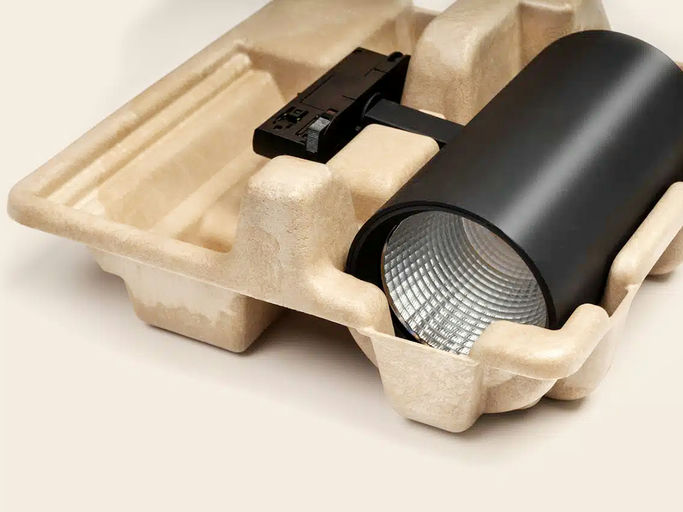 Paperfoam bio-based and biodegradable packagingPaperFoamPaperFoam consists of starch, natural fibres, water and a proprietary premix. It provides a lightweight, protective and home compostable packaging solution, certified OK compost HOME, and can also be recycled with paper. It provides a bio-based and biodegradable alternative to expanded polystyrene (EPS), styrofoam.Image: PaperFoam
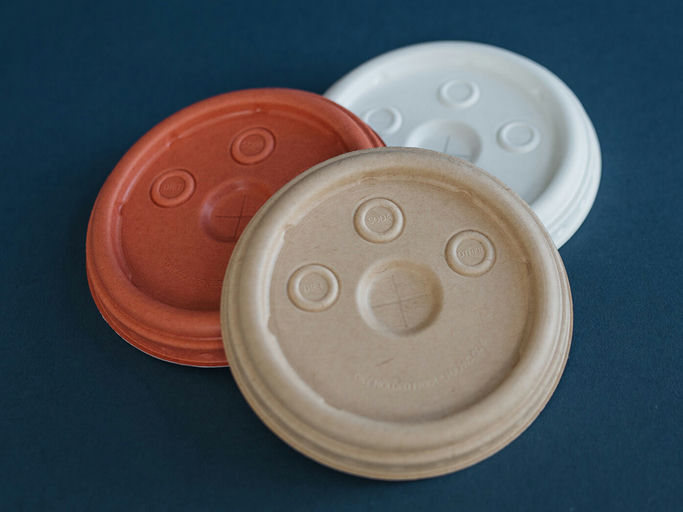 Dry molded fiber by PulpacPulPacThe dry molded fiber process, developed by Pulpac, removes most of the water from paper pulp moulding, which helps to increase efficiency, reduce cycle time, and minimise carbon footprint.Image: PulPac
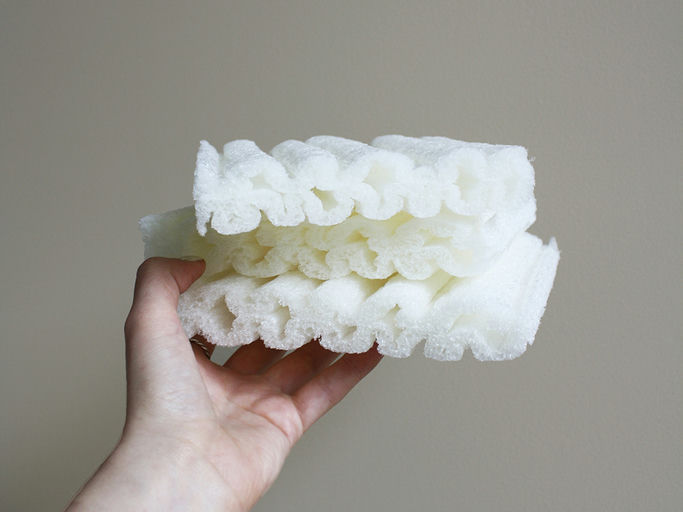 Green Cell Foam starch based packaging foamKTM IndustriesGreen Cell Foam by KTM Industries is a starch-based bioplastic derived from corn. It provides a compostable alternative to expanded polystyrene (EPS) and expanded polylactic acid (PLA) in packaging applications.Image: KTM Industries
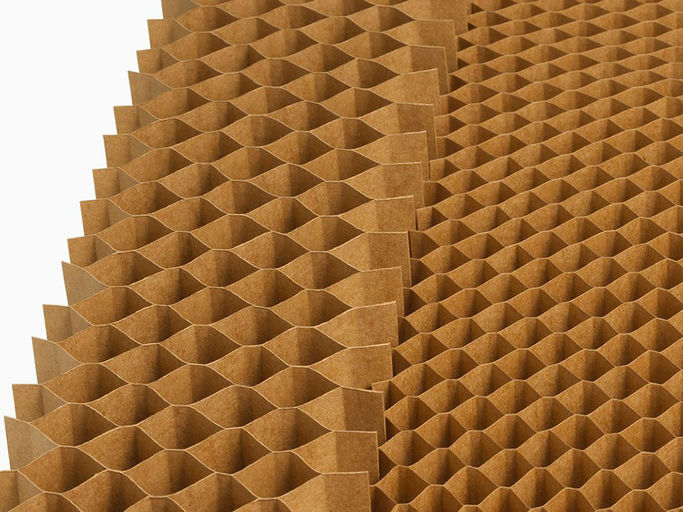 Hexacomb paper honeycombHexacomb (Smurfit Westrock)Hexacomb is a paper honeycomb board made by Smurfit Westrock from kraft paper, FSC-certified by default.Image: Hexacomb (Smurfit Westrock)
Again, per kilo misleads. Insulation is bought by performance: what matters is the carbon of the thickness needed to reach the same U-value. Plant-fibre boards are denser than EPS and need to be a little thicker, so check the product's EPD per square metre. They also store carbon taken up as the plant grew, which factory-gate figures do not show.
Where EPS still earns its place: below ground and under slabs, where insulation is wet and loaded. Cork and foam glass are the alternatives there.
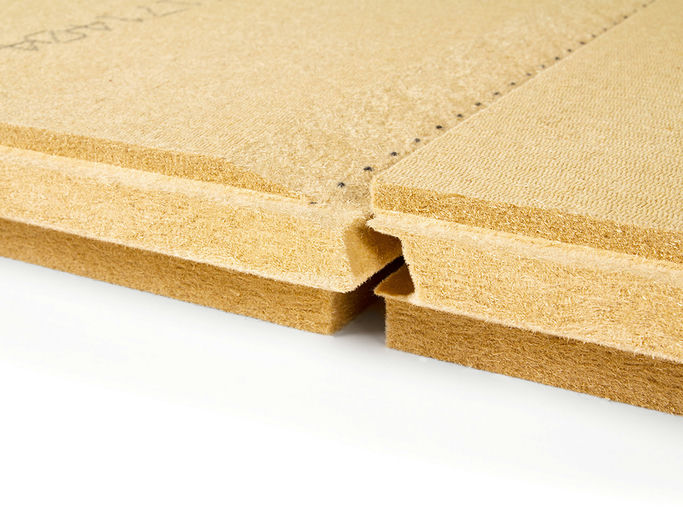 Gutex wood fibre insulationGutexFibre insulation panels and loose fill produced from wood provide a sustainable alternative to synthetic materials for thermal and acoustic applications in walls, ceilings and roofs. The panels are breathable and recyclable.Image: Gutex
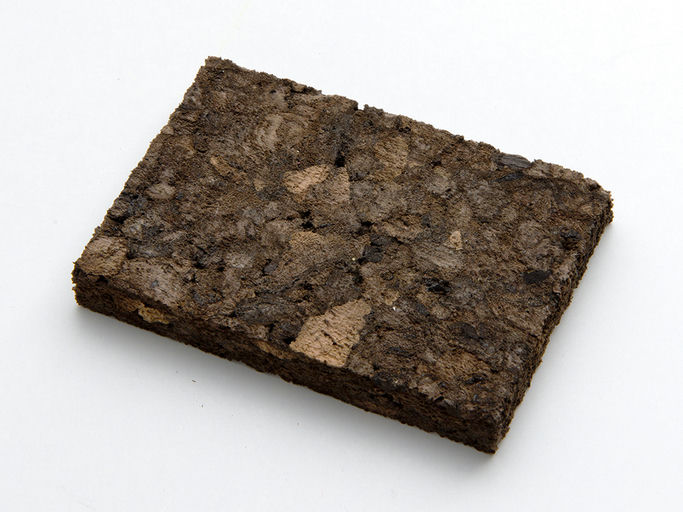 Amorim expanded corkAmorimAmorim expanded cork is used as a natural insulation in roofs, walls, floors, internal partitions and ceilings. It is made up of 100% cork, manufactured from scraps bound together with suberin (a waxy substance found in the cork cell walls).Image: Amorim
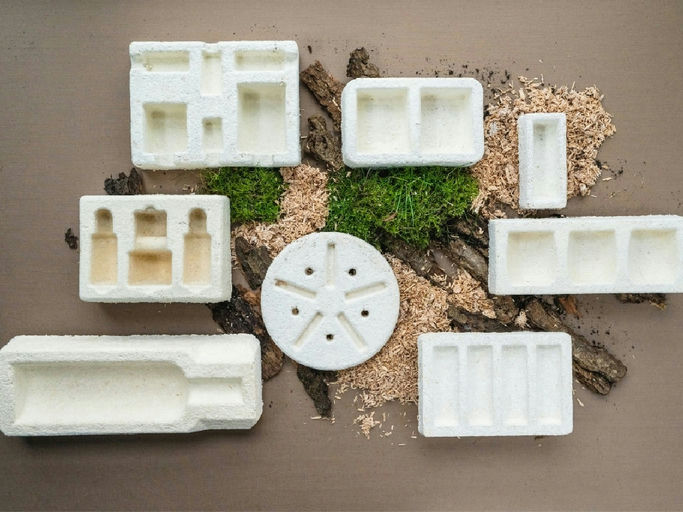 Mycelium insulation panel by Grown.bioGrown.bioGrown.bio, based in Hilversum in the Netherlands, grows products from mycelium, the root network of fungi, which binds agricultural waste into a solid material. Alongside protective packaging and interior products, it makes insulation panels for building.Image: Grown.bio
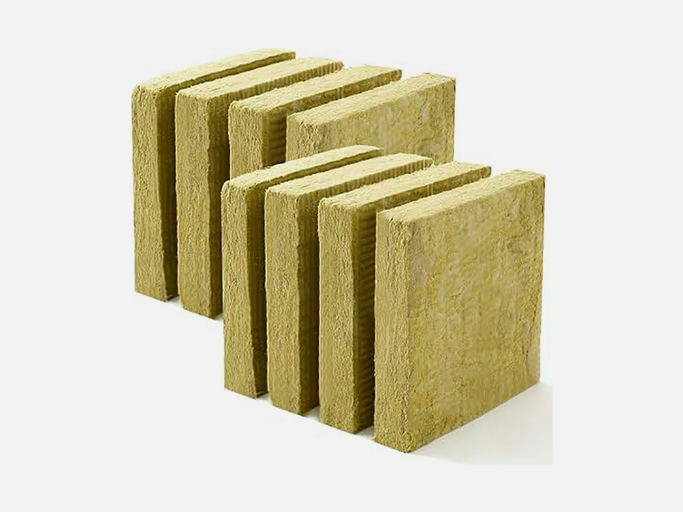 AFB evo formaldehyde-free stone wool acoustic batt by RockwoolRockwoolAFB evo (acoustical fire batt) is a lightweight stone wool batt sold by Rockwool in North America for sound absorption and fire protection in commercial steel-stud partitions and floor and ceiling assemblies.Image: Rockwool
The EU has banned food containers and cups made of expanded polystyrene since July 2021. For other EPS packaging the pressure comes from the packaging regulation: from 2030 packaging must reach a minimum recyclability score to be sold at all, plastic packaging must contain recycled plastic (35% for most non-food packaging), and empty space in transport packaging is capped. Foam fill will have to prove it is recycled in practice by 2035.
Sources: European Commission, Single-use plastics · Faerch, PPWR overview and targets · MAAK Law, The European Packaging and Packaging Waste Regulation
In the Material checker, pick EPS and choose "Protective packaging" or "Architecture" to see the routes for each job.
These are typical grades. The checker does the same comparison for more than 800 materials, or for every part of a product at once.
Related commercial materials from the database. Listed for reference, not rated.
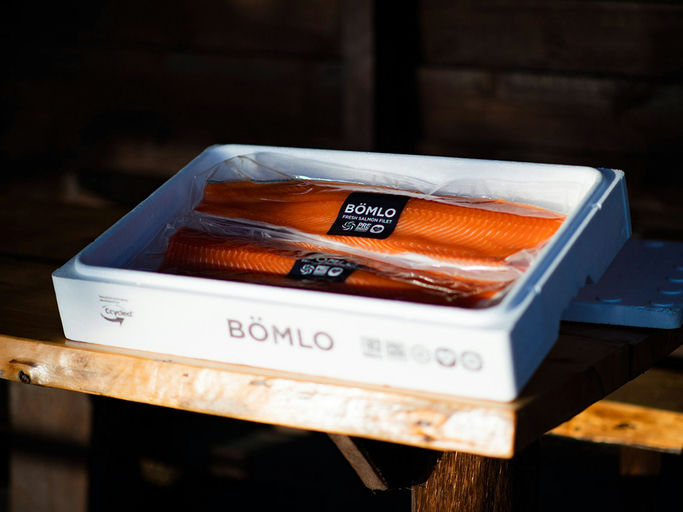 BASF Styropor Ccycled expanded polystyrene (rEPS)BASF Styropor Ccycled expanded polystyrene (rEPS) is made from raw materials derived from chemically recycling mixed plastic waste that would otherwise be incinerated or landfilled. BASF's partners convert the plastic…Image: BASF
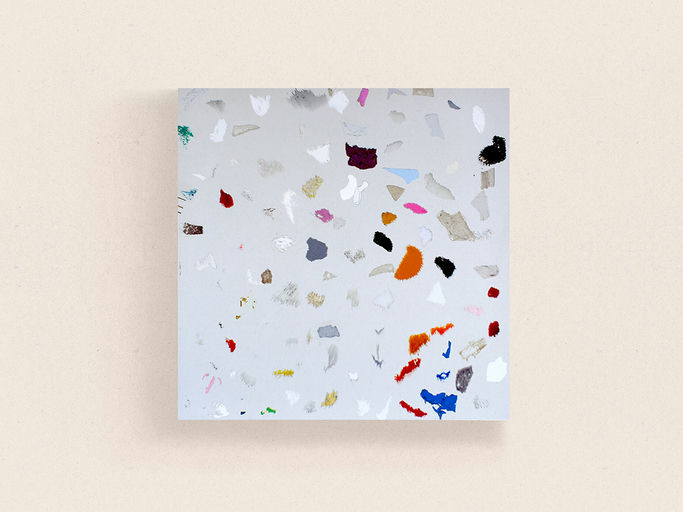 Plasticiet recycled polystyrene (PS) panelsPlasticiet recycled polystyrene (rPS) panels are produced from waste refrigerators and other industrial scrap. Plasticiet could not be found online in November 2026, so this product is shown as discontinued.Image: Plasticiet
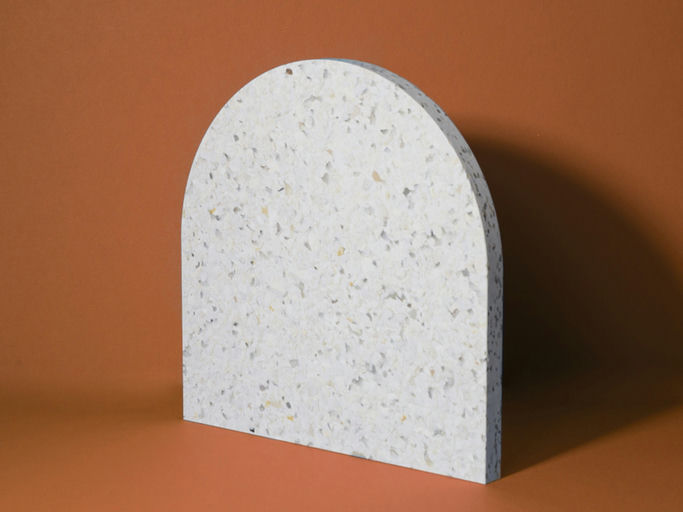 Smile Plastics recycled sheet materials from waste white goodsHeron collection of recycled sheet materials, produced from high impact polystyrene (HIPS) white goods. Smile Plastics take in waste materials and convert them into large sheets suitable for interior and furniture…Image: Smile Plastics
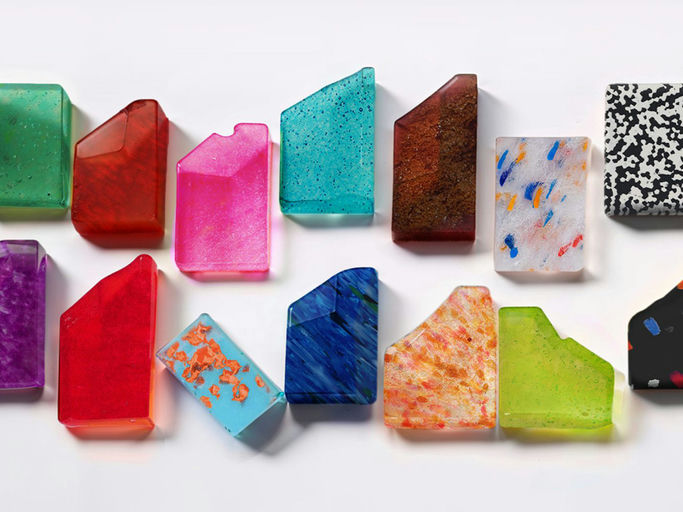 Polygood recycled polystyrene (rPS) interior panelsPolygood panels are manufactured by the Good Plastic Company using 100% post consumer recycled polystyrene (rPS). The company takes back off-cuts and used Polygood panels at its Netherlands factory and recycles them…Image: Good Plastic Company
 ABS plastic
 PVC (vinyl)
 Polycarbonate
 Polypropylene (PP)
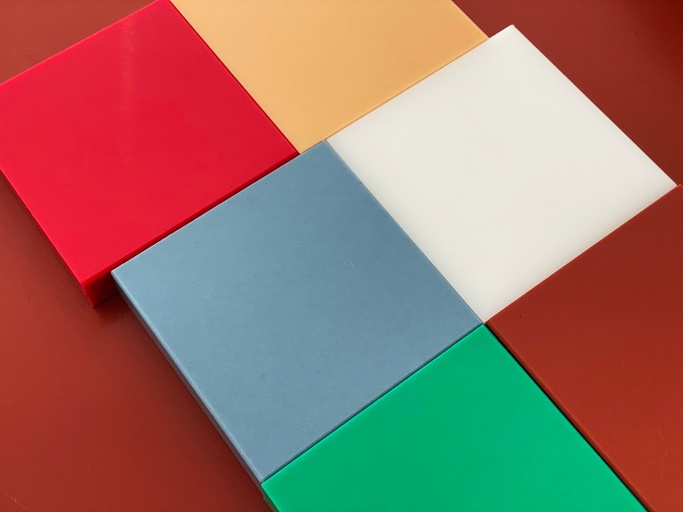 HDPE
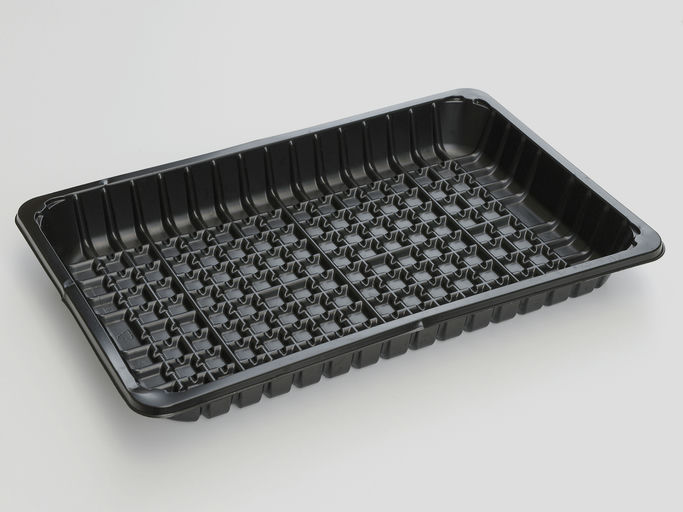 PET plastic
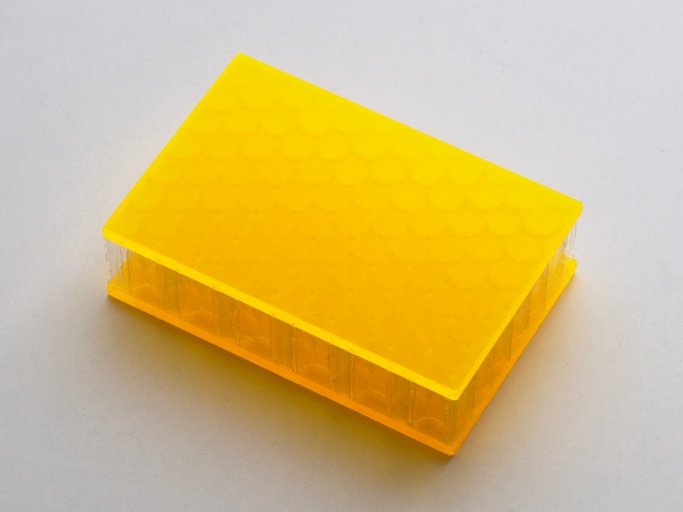 Acrylic (PMMA, Plexiglas)
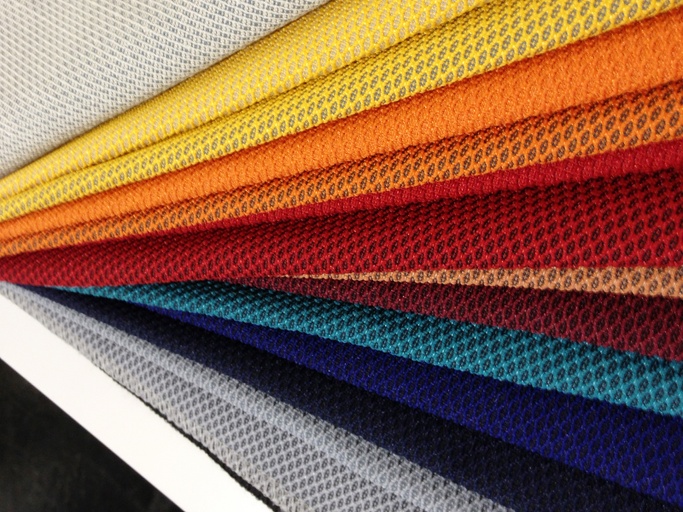 Nylon (PA6)
 Flexible polyurethane foam
 Rigid polyurethane insulation
 Cow leather
 Polyester fabric
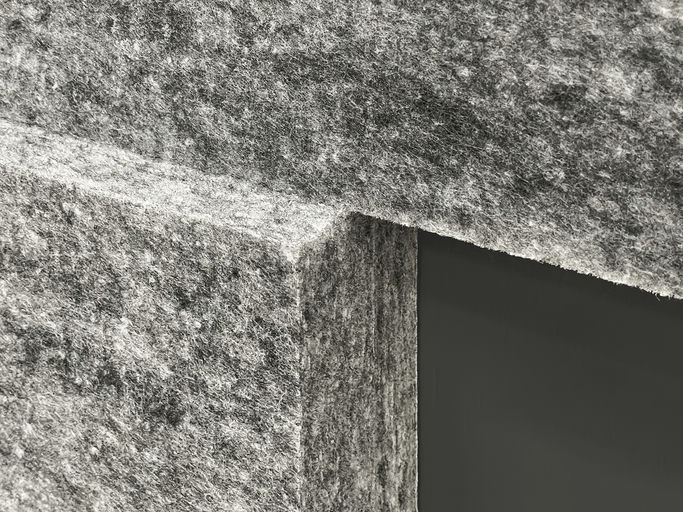 PET felt acoustic panels
 Cotton
 Aluminium
 Stainless steel
 Mild steel
 Concrete
 Particleboard (chipboard)
 MDF
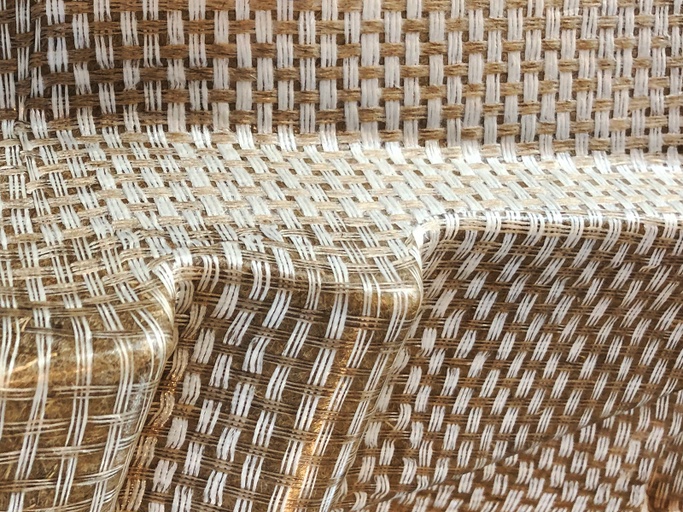 Epoxy resin
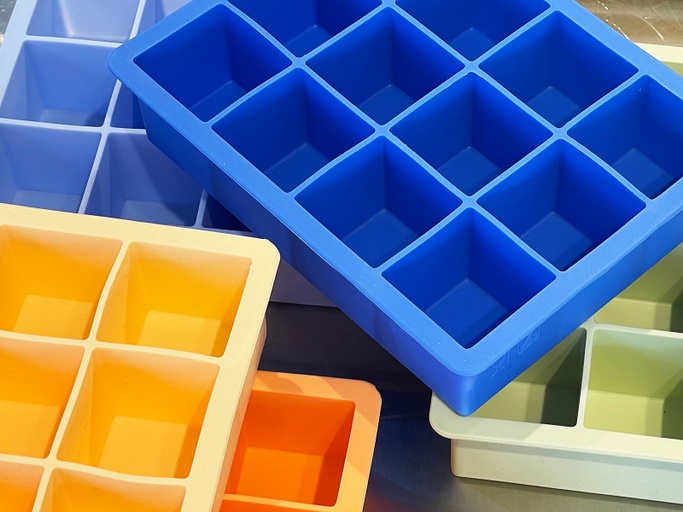 Silicone rubber
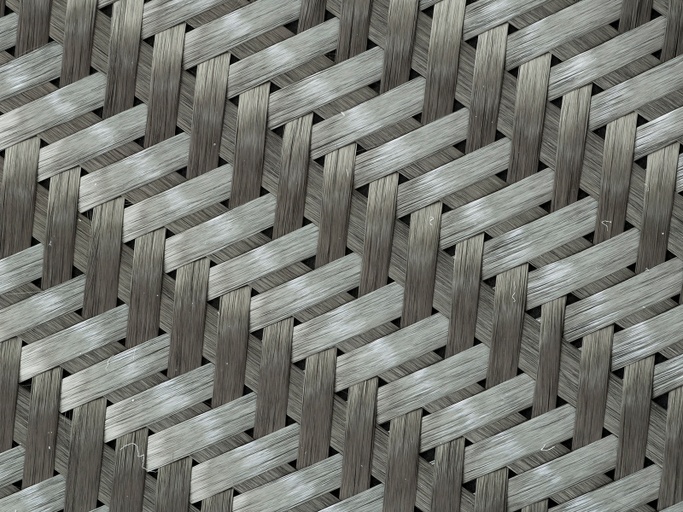 Carbon fibre
 Glass fibre (fibreglass)
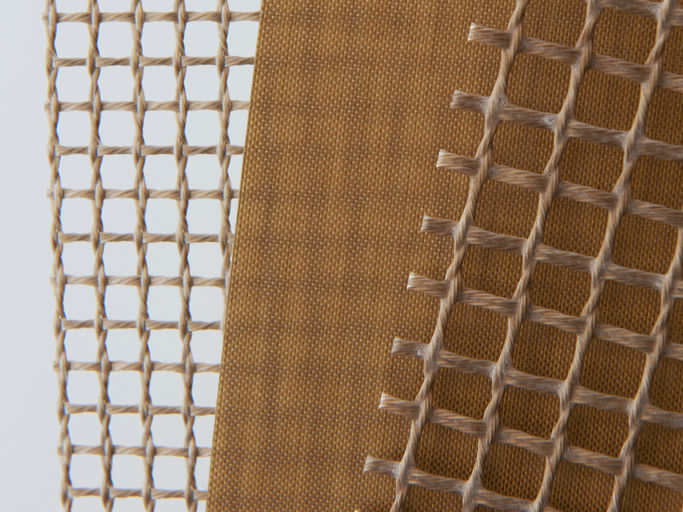 PTFE (Teflon)
 PLA bioplasticStone wool insulation
 Float glass
 Teak