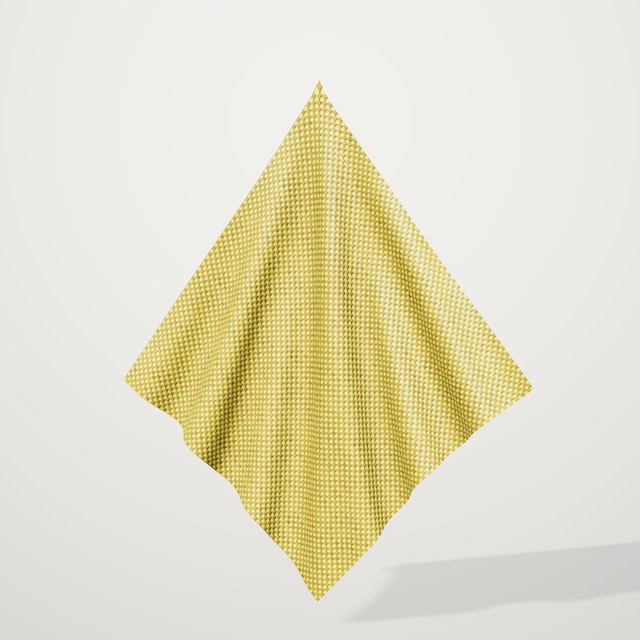
Aramid fibre (AF)
Standard modulus (Kevlar)
Very high carbonWhat you gain
- 58% less carbon
- 18% lighter
What it costs you
- 71% less stiff
- Max use temperature 150 °C (vs 300 °C)
Alternatives guide
3 lower-impact options for carbon fibre, grouped by the kind of change you would be making. The best of them cuts carbon by 88% per kilogram.
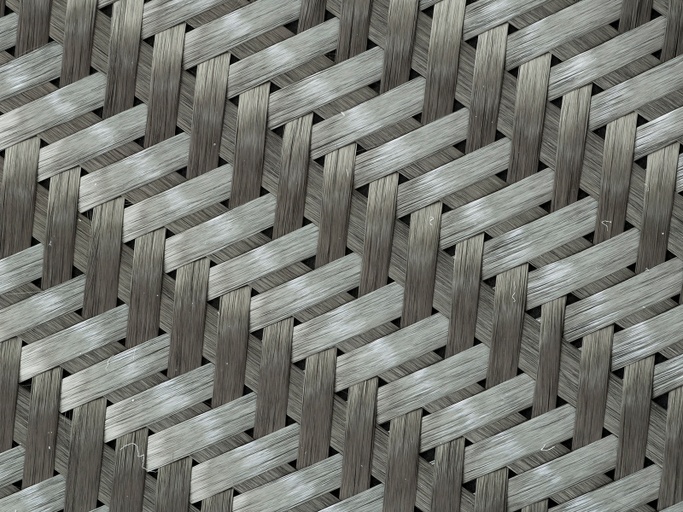
Checked as Carbon fibre (CF): 1K, 3K, 6K and 12K tow.
Concerns
T300 is considered a baseline carbon fibre, produced from PAN, and the most cost-effective in terms of tensile strength or modulus per unit cost. It has been in production for over 40 years and has 20-year service history in aerospace applications. It offers a balance of properties and is widely available in many formats. Full check for carbon fibre →
Other materials that do the same job with a lower footprint.
Aramid fibre (AF)
Aramid fibre (AF)
These are typical grades. The checker does the same comparison for more than 800 materials, or for every part of a product at once.
Related commercial materials from the database. Listed for reference, not rated.
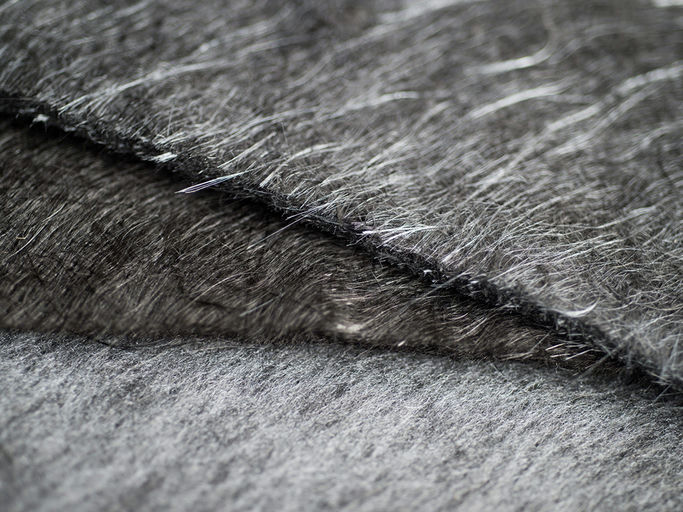 Recycled carbon fibre (rCF)Recycled carbon fibre (rCF) by Gen 2 Carbon is produced from carbon fibre composite waste, both waste generated in manufacturing (around 30% of produced carbon fibre ends up as waste at some point in the process) and…Image: Gen 2 Carbon
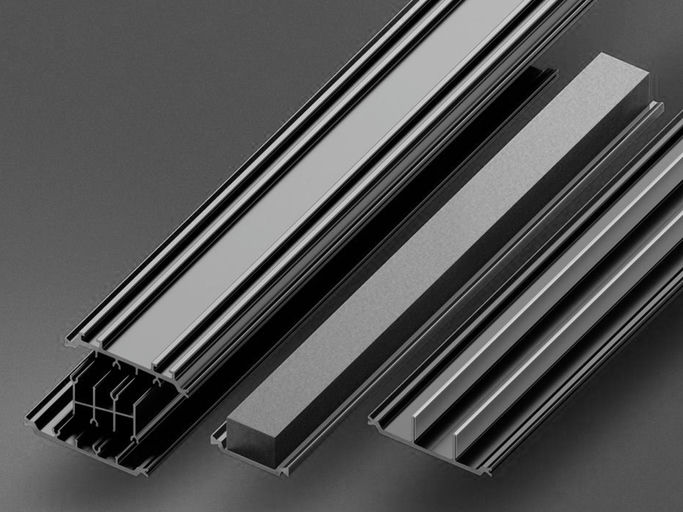 Technoform bio-based polyamide (bio-PA), nylonTechnoform bio-based polyamide (bio-PA), nylon, is produced from castor oil, polymerised into nylon. Technoform uses it for thermal insulating profiles (thermal breaks) in aluminium windows, doors and facades. The…Image: Technoform
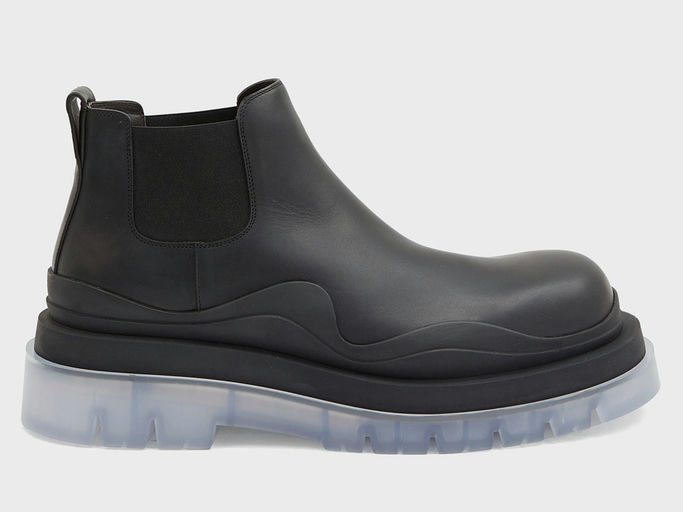 Apilon 52 bio-based thermoplastic polyurethane (bio-TPU) by TrinseoApilon 52 bio-based thermoplastic polyurethane (bio-TPU) by Trinseo contains raw materials from renewable sources and offers the same performance as traditional fossil-based TPUs. This family of materials includes soft…Image: Trinseo
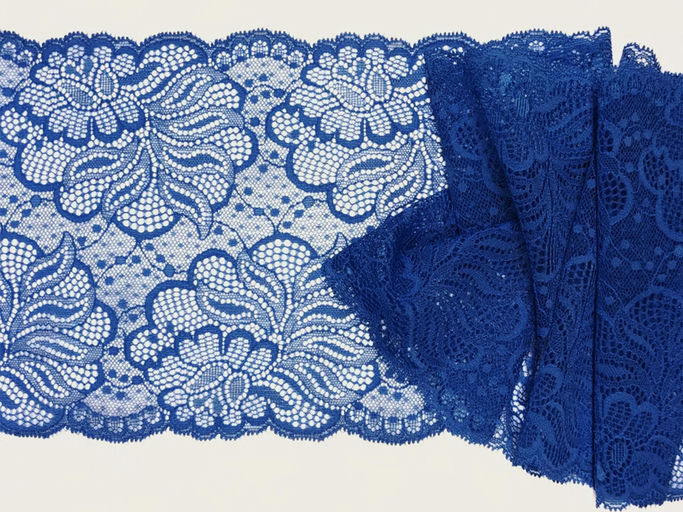 Roica V550 degradable elastane yarn by Asahi KaseiRoica V550 is a polyurethane elastane (spandex) yarn that has been engineered to degrade. While the process is slow - Asahi Kasei reports that around 50% of the yarn broke down within 24 months in a controlled…Image: Asahi Kasei
 EPS (Styrofoam)
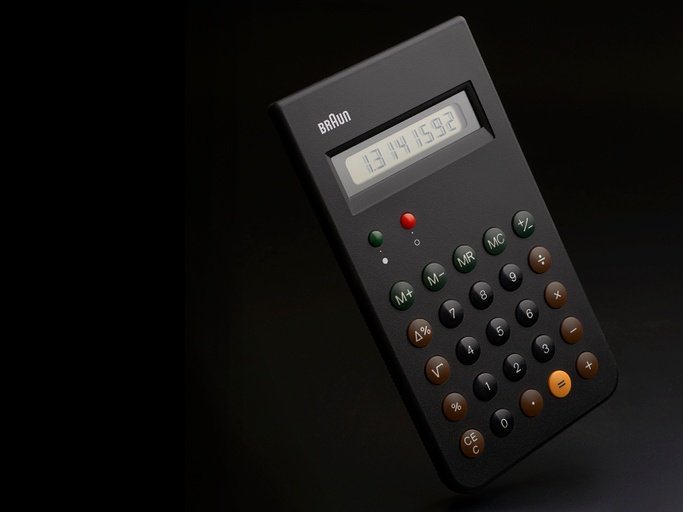 ABS plastic
 PVC (vinyl)
 Polycarbonate
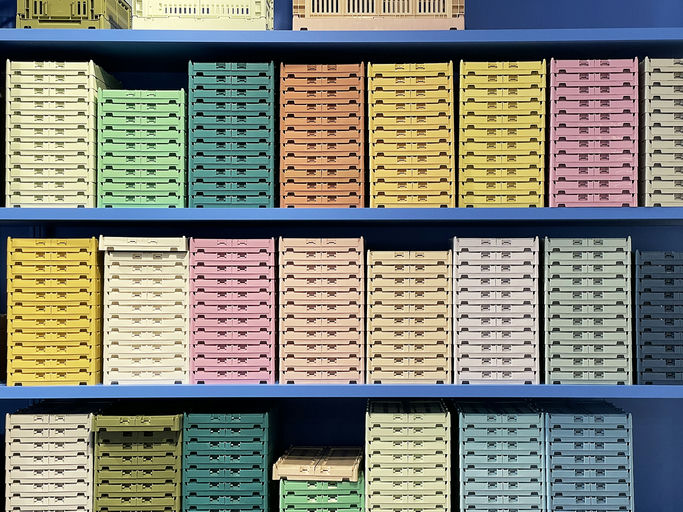 Polypropylene (PP)
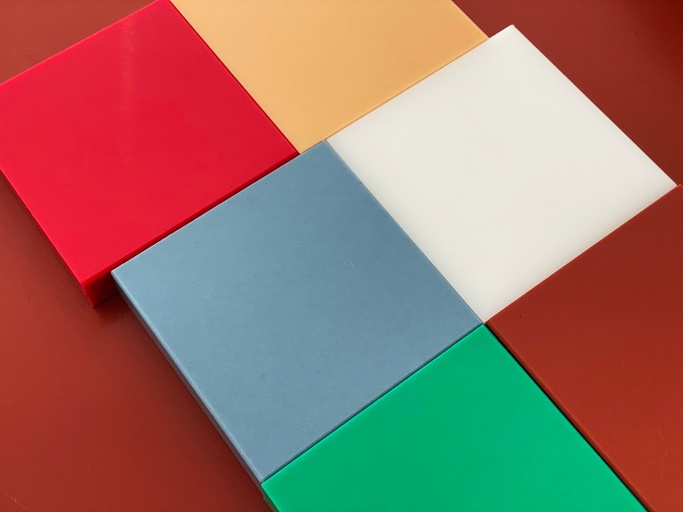 HDPE
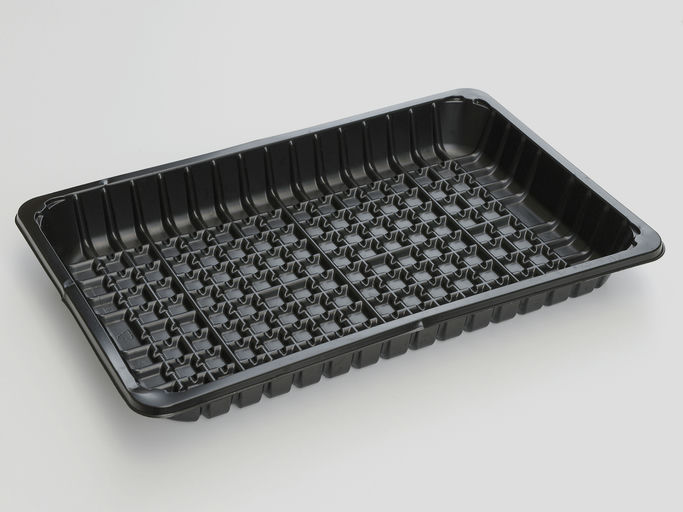 PET plastic
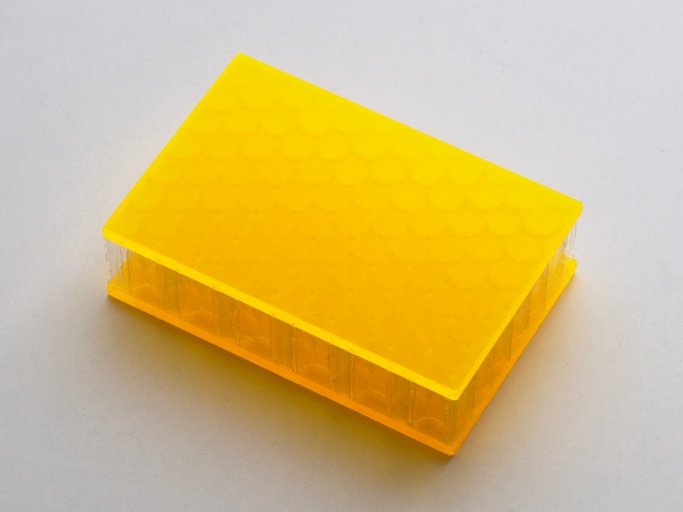 Acrylic (PMMA, Plexiglas)
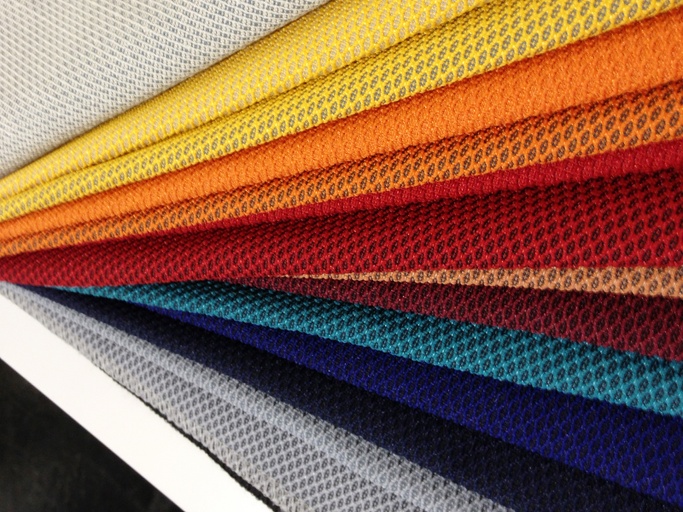 Nylon (PA6)
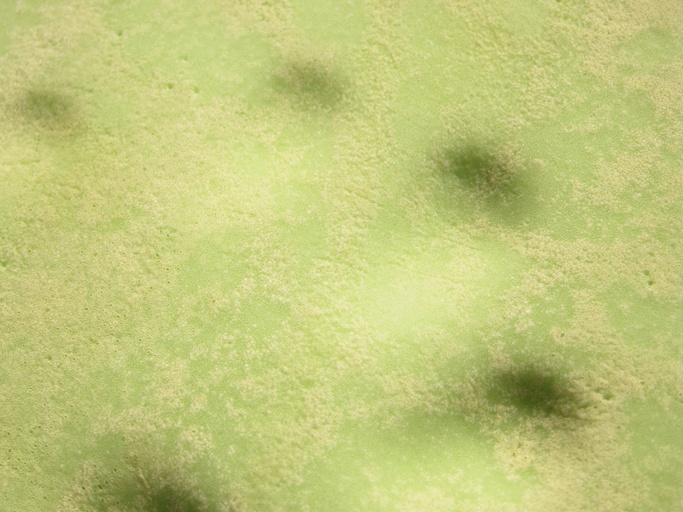 Flexible polyurethane foam
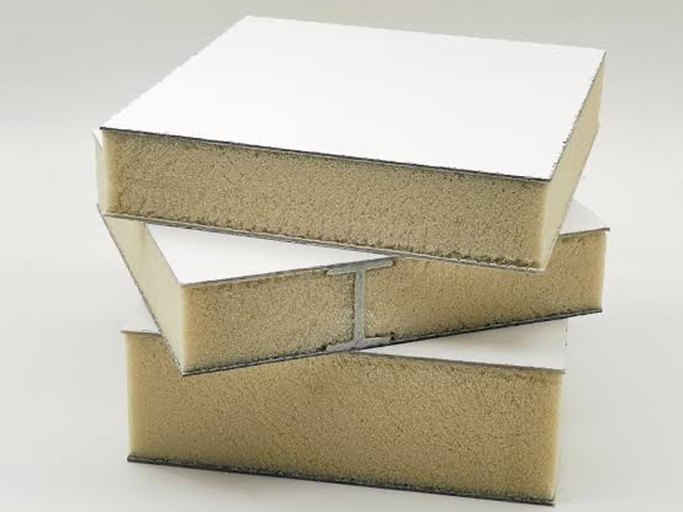 Rigid polyurethane insulation
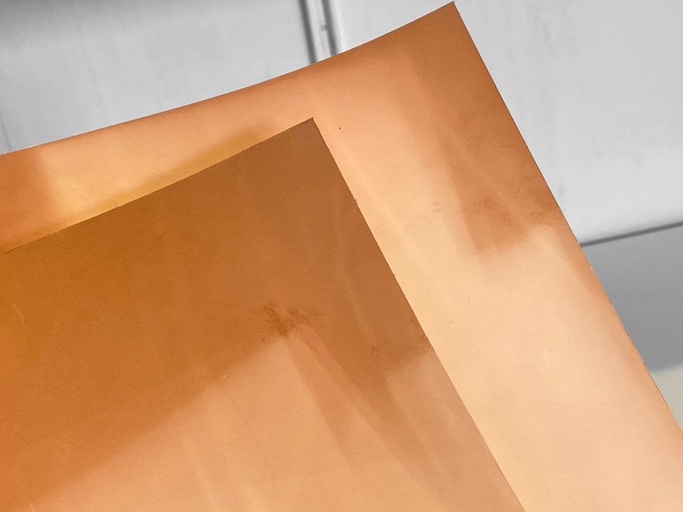 Cow leather
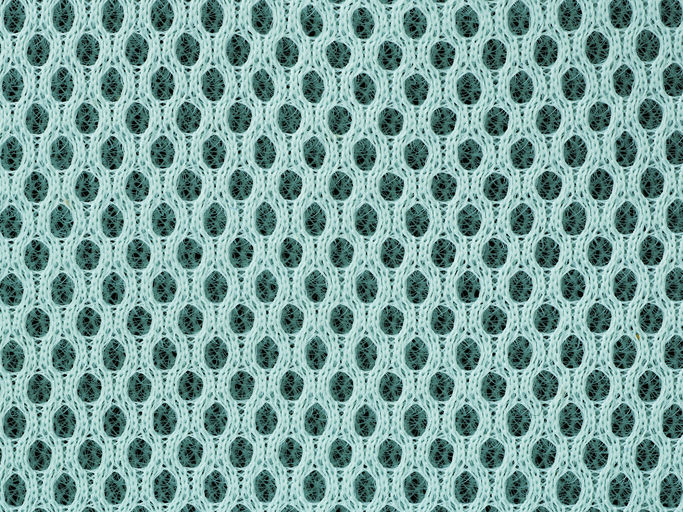 Polyester fabric
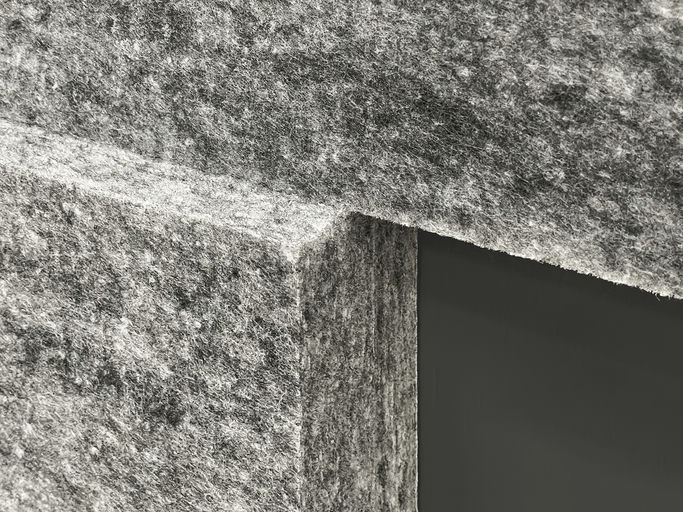 PET felt acoustic panels
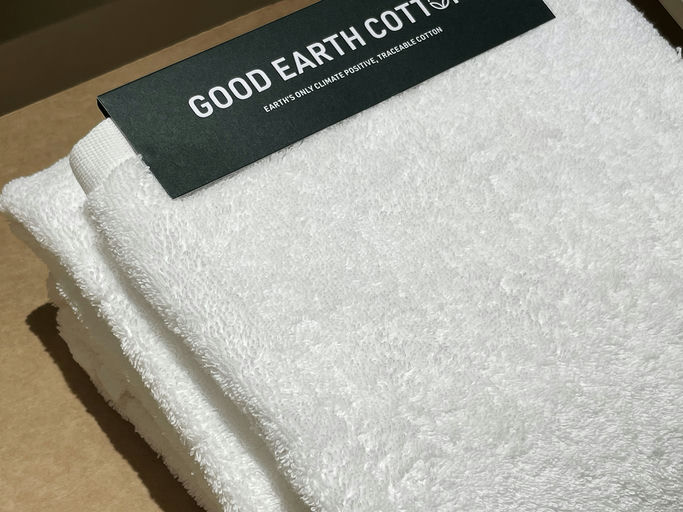 Cotton
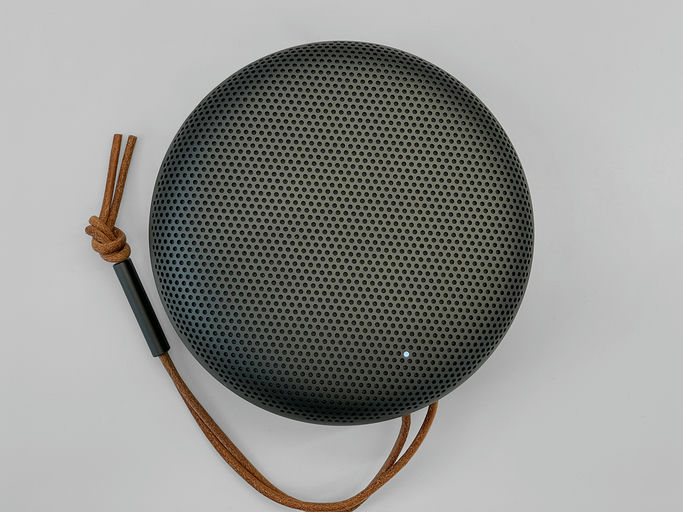 Aluminium
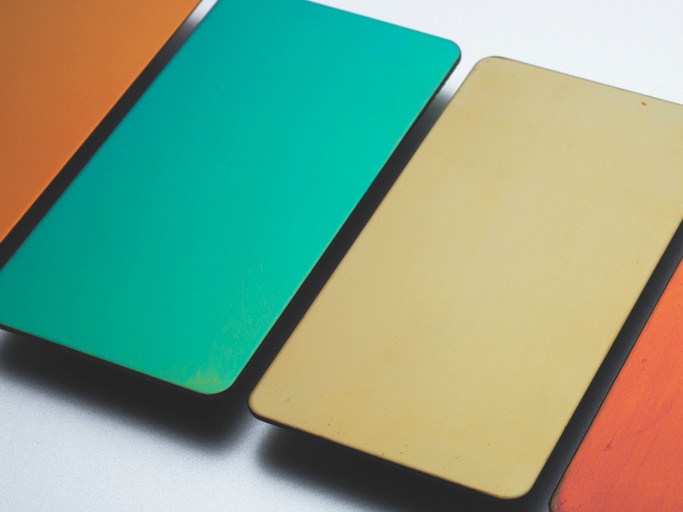 Stainless steel
 Mild steel
 Concrete
 Particleboard (chipboard)
 MDF
 Epoxy resin
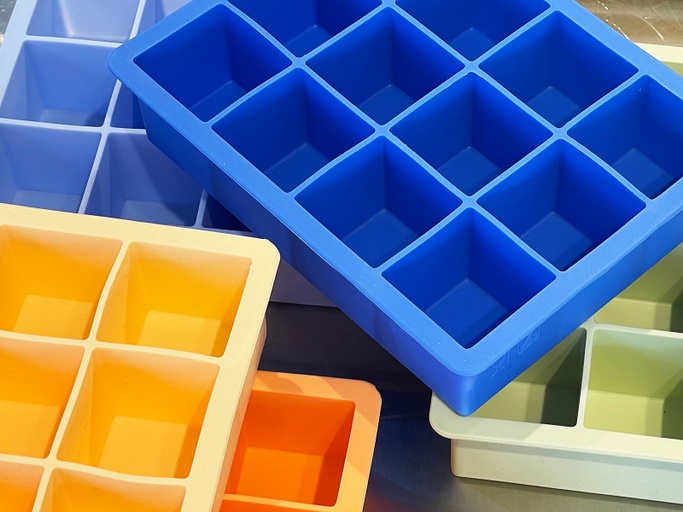 Silicone rubber
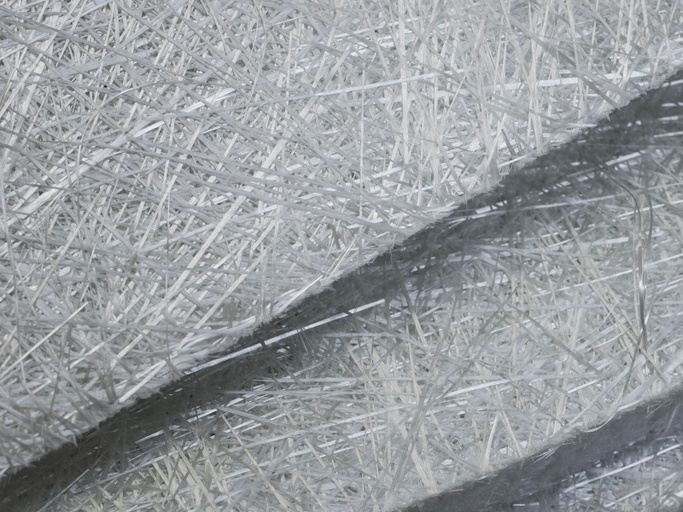 Glass fibre (fibreglass)
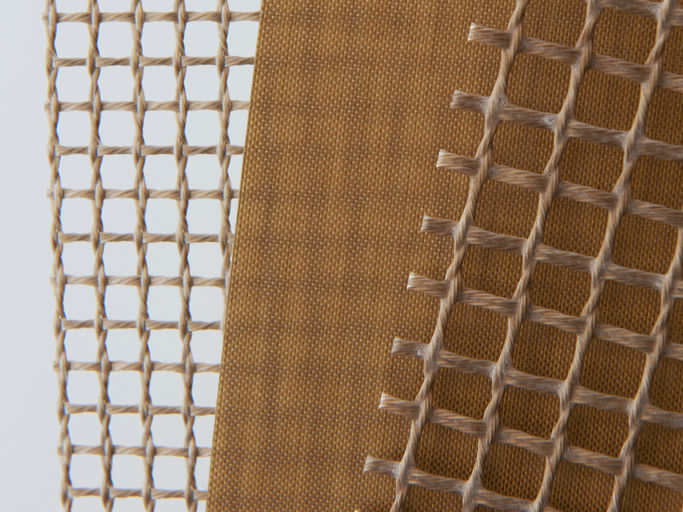 PTFE (Teflon)
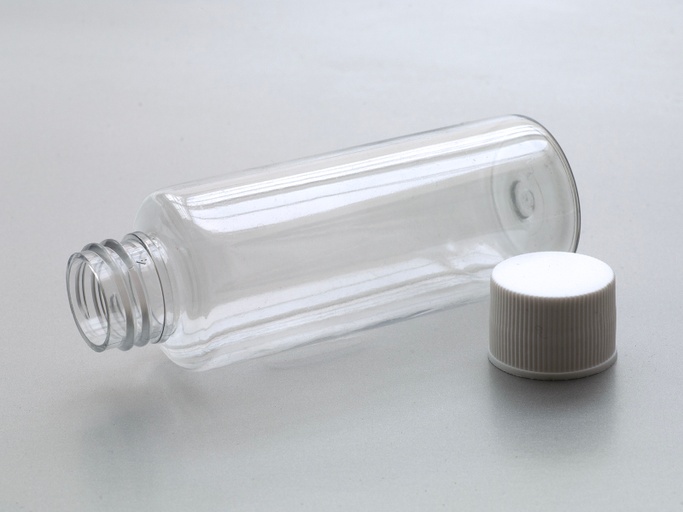 PLA bioplastic
 Stone wool insulation
 Float glass
 Teak