
Alternatives guide

Alternatives to Silicone rubber

8 lower-impact options for silicone rubber, grouped by the kind of change you would be making. The best of them cuts carbon by 85% per kilogram.

silicone rubber

Silicone rubber today

Checked as Silicone: Polysiloxane. Also known as Silicone rubber.

6.8 kg CO₂e/kgCarbon: High
LowCircularity potential (estimate)

Concerns

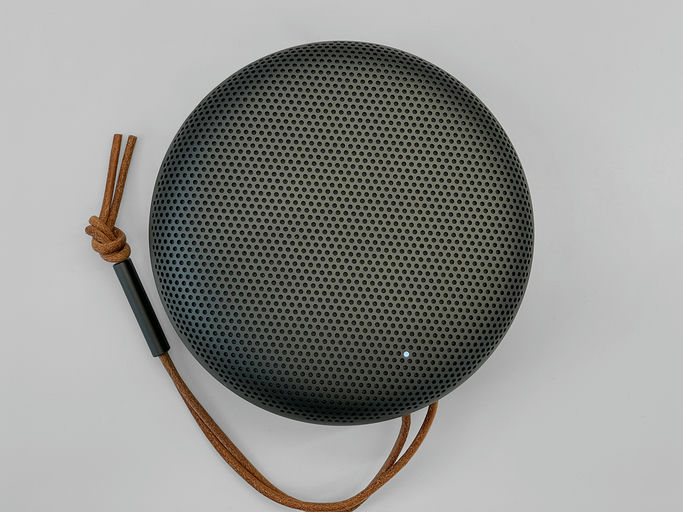
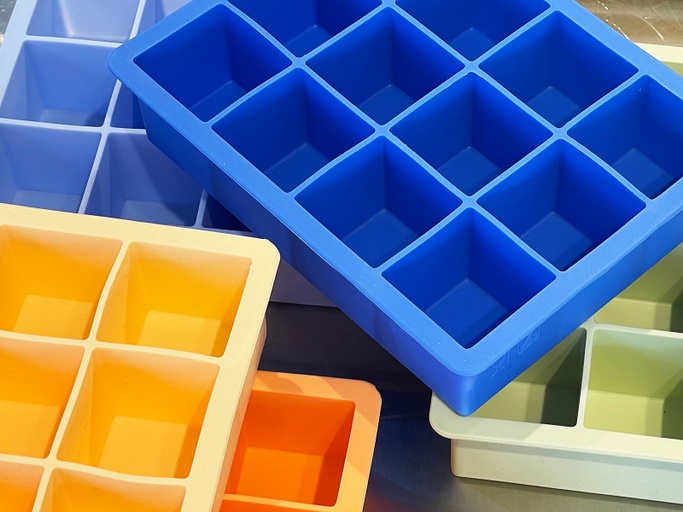
Silicone is a high performance elastomer that is naturally transparent, and so available in a range of saturated colours. From rigid plastic to soft gel, it is found in almost every product sector. In consumer electronics, it is used to seal components and provide protection from impact (bumpers and cases), as keypads and buttons, and conductive grades are used in keyboard contacts. It is used as the seal, gasket and drive belt in cooking appliances. Full check for silicone rubber →

Plant-based plastic 1

Plastics made partly or wholly from plants. Usually a small change in tooling and process.

Synthetic rubber

Polychloroprene rubber (Neoprene)

Moderate carbon
This option5 kg CO₂e/kgToday6.8 kg CO₂e/kg

What you gain

  • 26% less carbon
  • 35% cheaper

What it costs you

  • Lower circularity potential
  • New concern: hazardous end of life
  • New concern: potentially toxic in use
  • 18% heavier
  • Max use temperature 125 °C (vs 300 °C)
  • Not listed for food contact
Check this material →

Natural, plastic free 2

Leaves plastic behind altogether. A bigger design change, with the biggest gains.

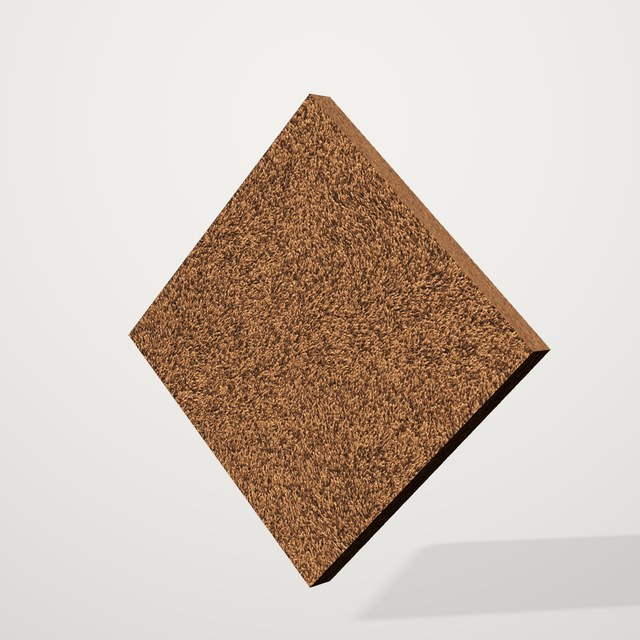
Coir latex composite (Rubberised coir)

Low carbon
This option1.05 kg CO₂e/kg (estimate)Today6.8 kg CO₂e/kg

What you gain

  • 85% less carbon
  • Higher circularity potential
  • Renewable
  • Circular end of life
  • 92% lighter
  • 20% cheaper
  • Avoids: microplastics, non-renewable ingredients

What it costs you

  • New concern: deforestation risk
  • Max use temperature 100 °C (vs 300 °C)
  • Not listed for food contact
Check this material →

Natural rubber

Rubber

Moderate carbon
This option1.6 kg CO₂e/kgToday6.8 kg CO₂e/kg

What you gain

  • 76% less carbon
  • Plastic free
  • 63% cheaper
  • Avoids: microplastics, non-renewable ingredients

What it costs you

  • Lower circularity potential
  • New concern: deforestation risk
  • About 6.75× softer
  • Max use temperature 100 °C (vs 300 °C)
Check this material →

Other plastics 5

Other materials that do the same job with a lower footprint.

Thermoplastic elastomer (TPE)

Halogen-free flame-retardant cable compound

Moderate carbon
This option2 kg CO₂e/kg (estimate)Today6.8 kg CO₂e/kg

What you gain

  • 71% less carbon
  • 54% cheaper
  • Avoids: microplastics, raw material generates polluting by-products

What it costs you

  • 29% heavier
  • Max use temperature 100 °C (vs 300 °C)
  • Not listed for food contact
Check this material →

Polyurethane resin (PUR)

Elastomer

Moderate carbon
This option4.4 kg CO₂e/kgToday6.8 kg CO₂e/kg

What you gain

  • 35% less carbon
  • 43% cheaper

What it costs you

  • Lower circularity potential
  • Max use temperature 150 °C (vs 300 °C)
Check this material →

Thermoplastic elastomer (TPE)

Nylon elastomer

High carbon
This option7 kg CO₂e/kg (estimate)Today6.8 kg CO₂e/kg

What you gain

  • Recyclable

What it costs you

  • 3% more carbon
  • Max use temperature 150 °C (vs 300 °C)
  • 73% more expensive
  • Not listed for food contact
Check this material →

See all 5 other plastics options in the checker →

Not quite your material?

These are typical grades. The checker does the same comparison for more than 800 materials, or for every part of a product at once.

Companies working on this

Related commercial materials from the database. Listed for reference, not rated.

More guides