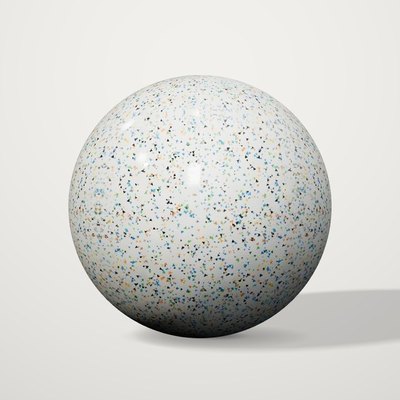
Recycled high density polyethylene
Ultra low carbonWhat you gain
- 79% less carbon
- Circular end of life
- Avoids: non-renewable ingredients, raw material generates polluting by-products
What it costs you
- 55% more expensive
Alternatives guide
22 lower-impact options for HDPE, grouped by the kind of change you would be making. The best of them cuts carbon by 91% per kilogram.
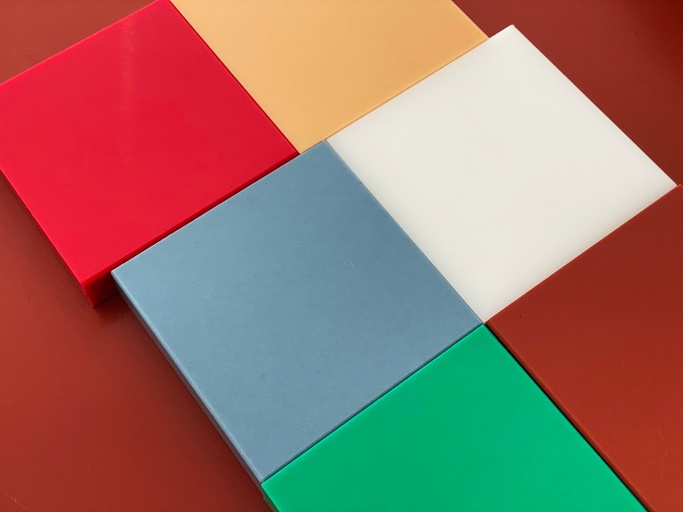
Checked as Polyethylene (PE): High density polyethylene.
Concerns
High density polyethylene (HDPE) is the workhorse of the PE family. It is relatively stiff and strong compared to lower density grades, but maintains good toughness compared to other types of plastic. It is used in applications ranging from blow moulded packaging (rigid bottles and containers) to extruded pipes (water, agriculture and industry) to rotation moulded playgrounds, kayaks and tanks. Full check for HDPE →
Recycled grades, of the same material where one exists and of close relatives where not.
Polypropylene (PP)
Plastics made partly or wholly from plants. Usually a small change in tooling and process.
Polypropylene (PP)
Thermoplastic polyester
2.91× stiffer.
Check this material →Leaves plastic behind altogether. A bigger design change, with the biggest gains.
Spruce
Made a different way: Pressing.
Check this material →Mostly natural, held together or backed with a synthetic resin.
Spruce
Glass, ceramic, stone and plaster options that do the same job.
Float glass
Made a different way: Pressing.
Check this material →Float glass
Made a different way: Pressing.
Check this material →
Other materials that do the same job with a lower footprint.
Polypropylene (PP)
2.36× stiffer.
Check this material →
Polymethyl methacrylate (PMMA)
5× stiffer.
Check this material →These are typical grades. The checker does the same comparison for more than 800 materials, or for every part of a product at once.
Related commercial materials from the database. Listed for reference, not rated.
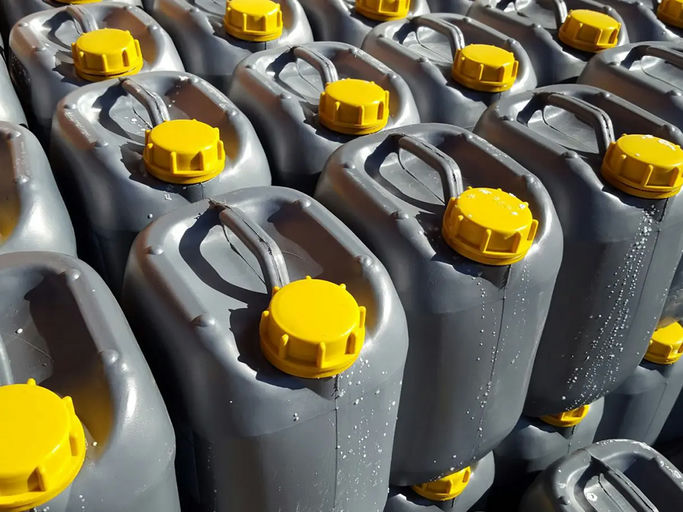 Terralene by FKuRTerralene by FKuR includes a range of partially bio-based polyolefins - polyethylene (bio-PE) and polypropylene (bio-PP) - for extrusion blow moulding, extruded profiles and injection moulding. The bio-PE grades are…Image: FKuR
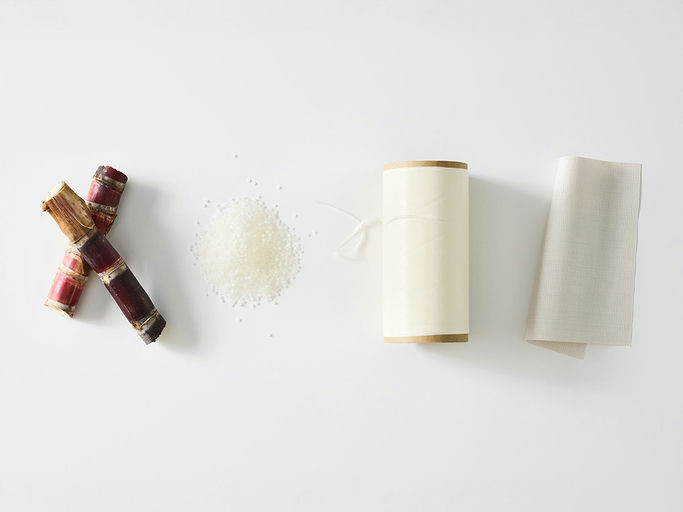 Biobased Xorel sugarcane polyethylene textile by CarnegieBiobased Xorel is a woven textile from the American fabric company Carnegie, made from polyethylene (PE) derived from sugarcane rather than oil. Many patterns contain up to 91% bio-based content. It is used for…Image: CarnegieEcoWorx PVC-free carpet tile backing by ShawEcoWorx is a carpet tile backing made by Shaw Industries in the United States and used under Shaw Contract's nylon carpet tiles since 1999. It is based on polyolefin resins rather than PVC, contains about 40% recycled…
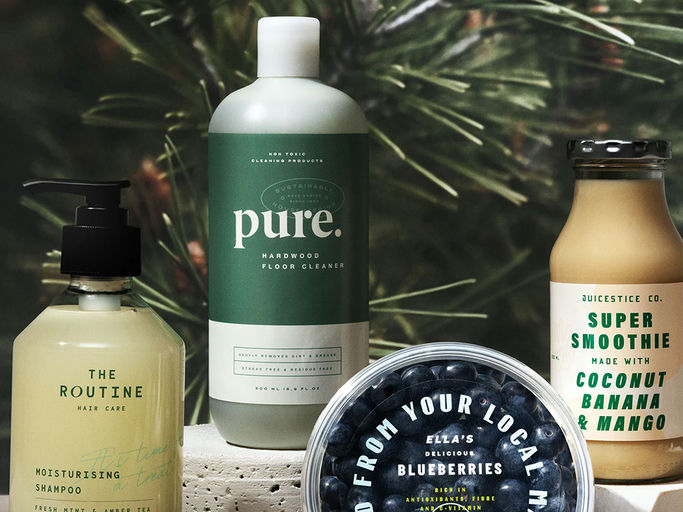 Forest Film by UPM RaflatacForest Film labels by UPM Raflatac are made from wood-based raw materials. Crude tall oil, a by-product of the paper pulping process, is refined into UPM BioVerno naphtha, which is converted into bio-based polypropylene…Image: UPM Raflatac
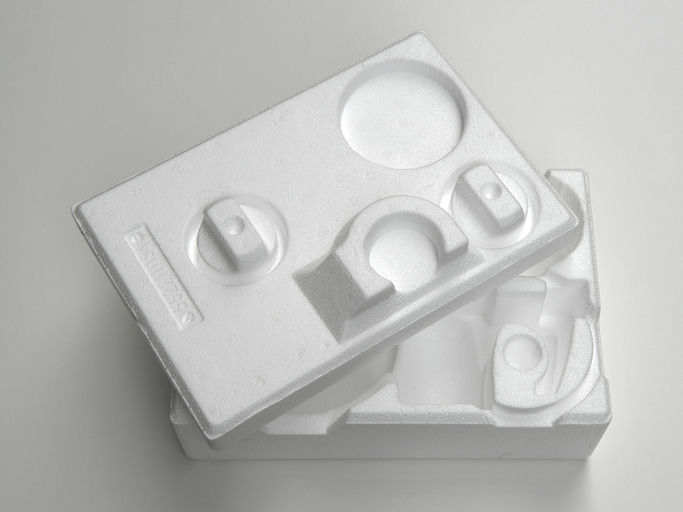 EPS (Styrofoam)
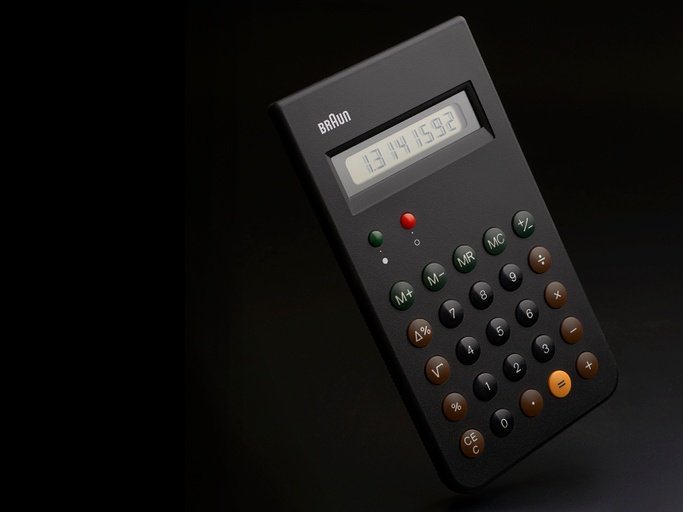 ABS plastic
 PVC (vinyl)
 Polycarbonate
 Polypropylene (PP)
 PET plastic
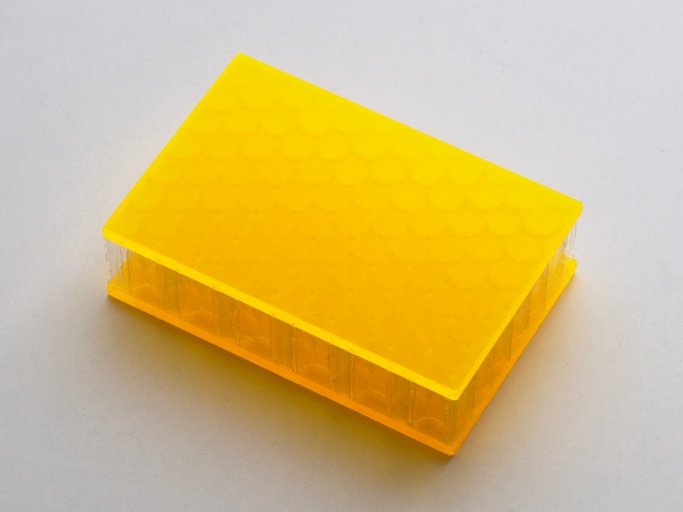 Acrylic (PMMA, Plexiglas)
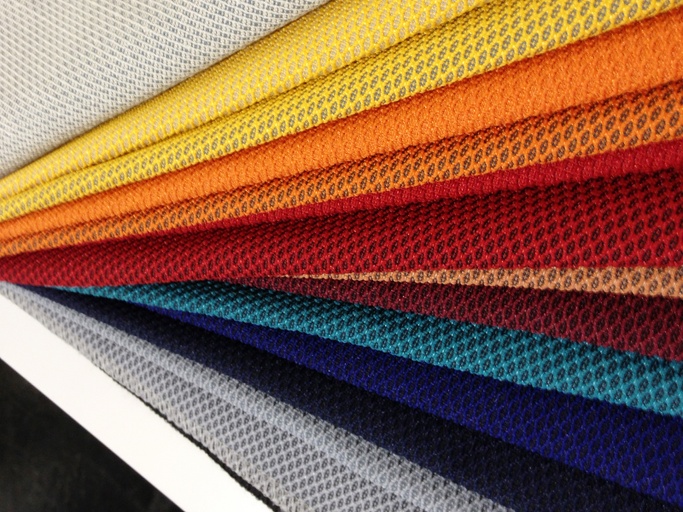 Nylon (PA6)
 Flexible polyurethane foam
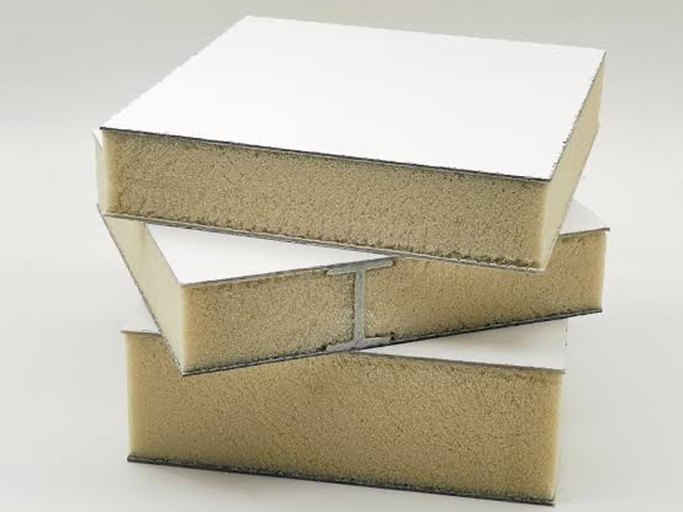 Rigid polyurethane insulation
 Cow leather
 Polyester fabric
 PET felt acoustic panels
 Cotton
 Aluminium
 Stainless steel
 Mild steel
 Concrete
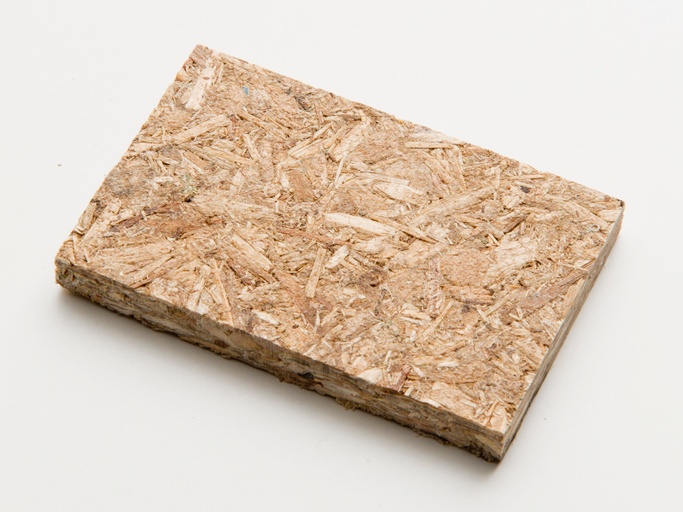 Particleboard (chipboard)
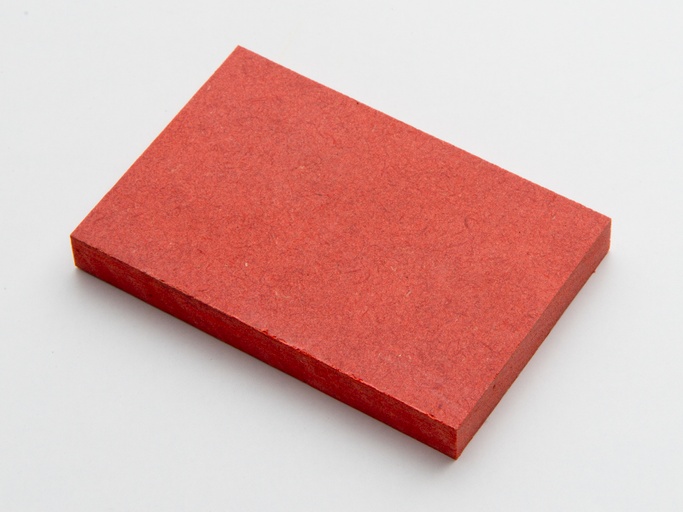 MDF
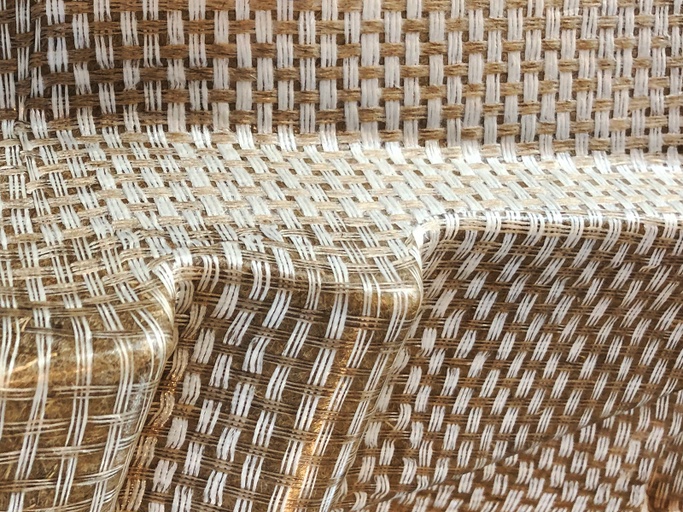 Epoxy resin
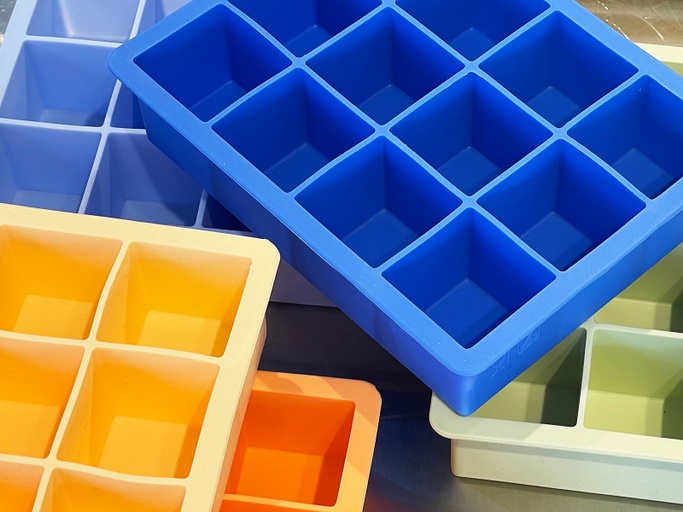 Silicone rubber
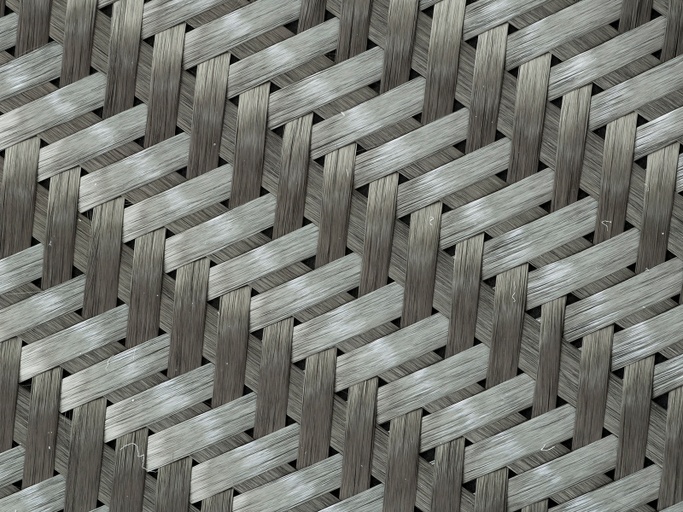 Carbon fibre
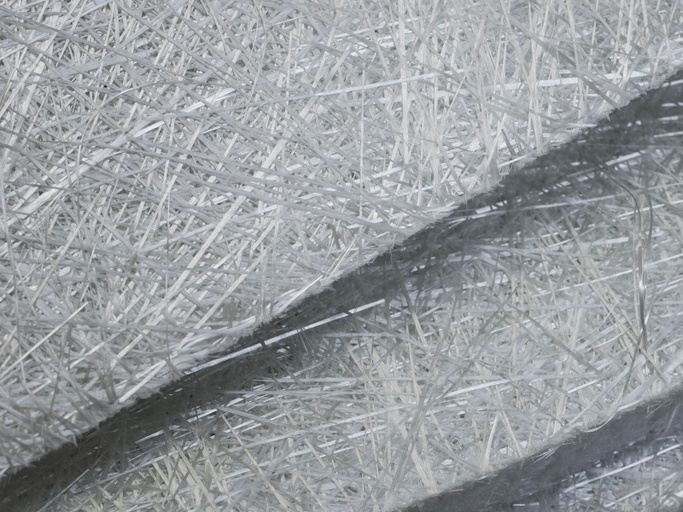 Glass fibre (fibreglass)
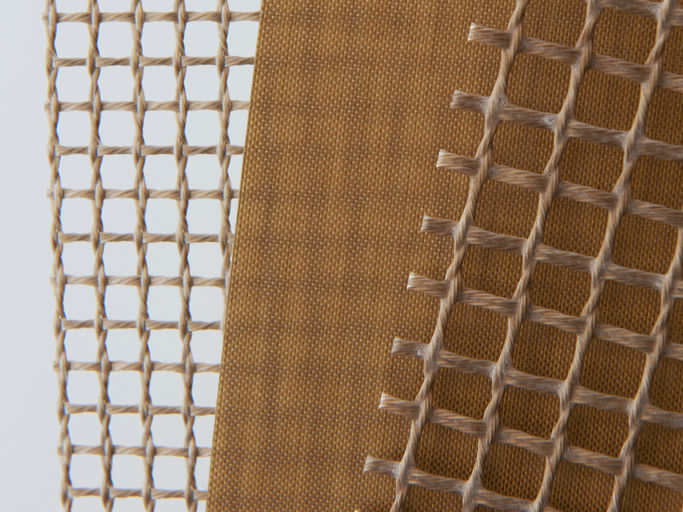 PTFE (Teflon)
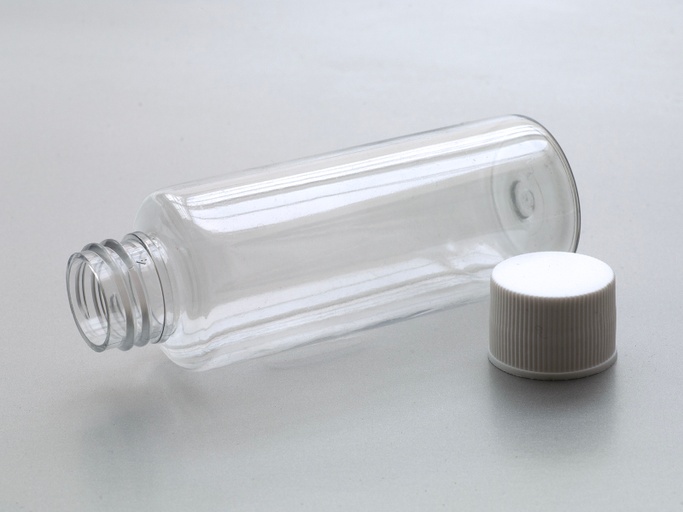 PLA bioplastic
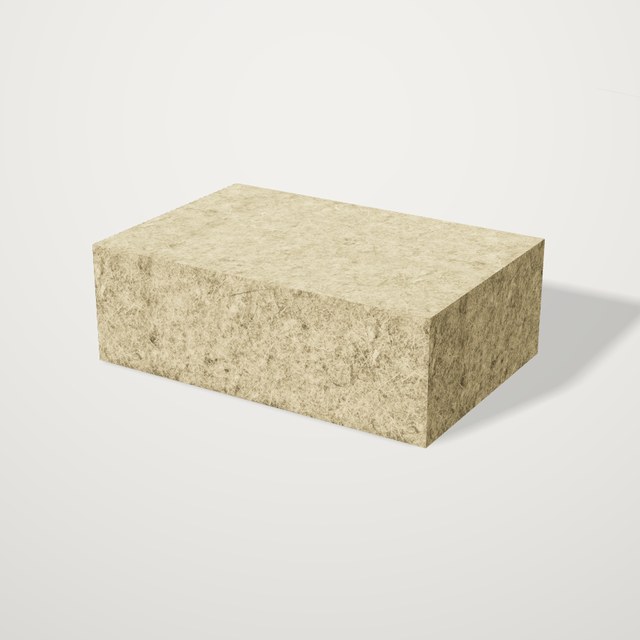 Stone wool insulation
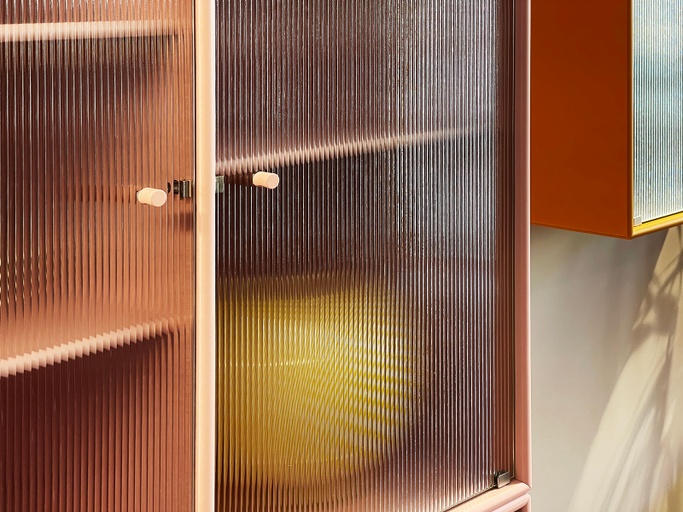 Float glass
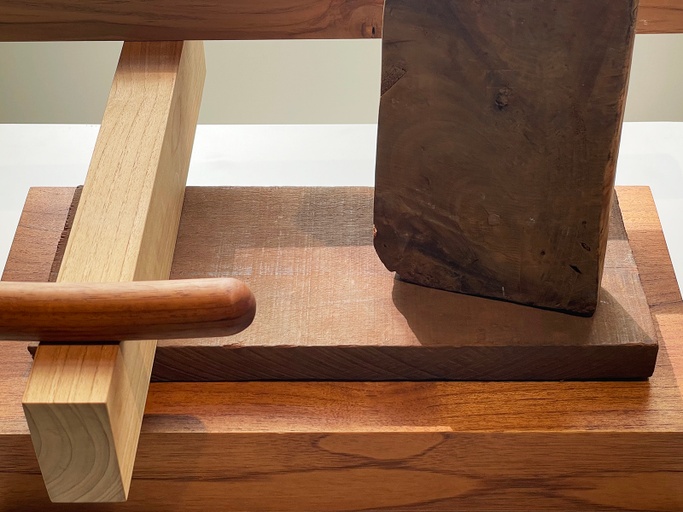 Teak