Alternatives guide

Alternatives to Aluminium

17 lower-impact options for aluminium, grouped by the kind of change you would be making. The best of them cuts carbon by 98% per kilogram.

aluminium

Aluminium today

Checked as Aluminium: 6063 & 6063A.

10.6 kg CO₂e/kgCarbon: Very high
HighCircularity potential (estimate)
RecycleTypical end of life

Concerns

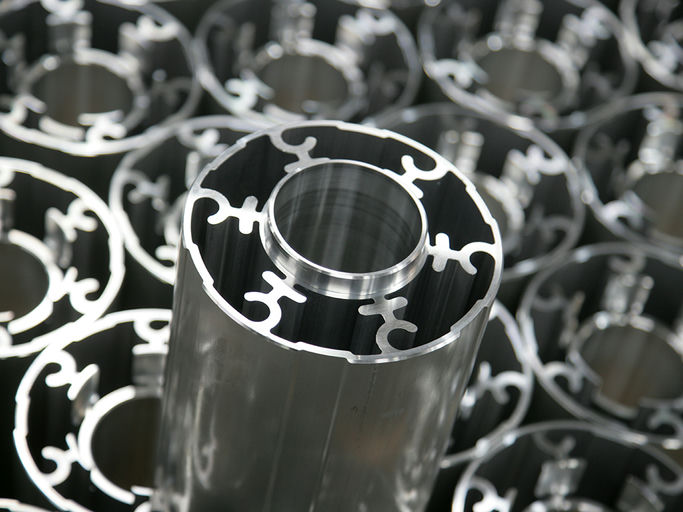
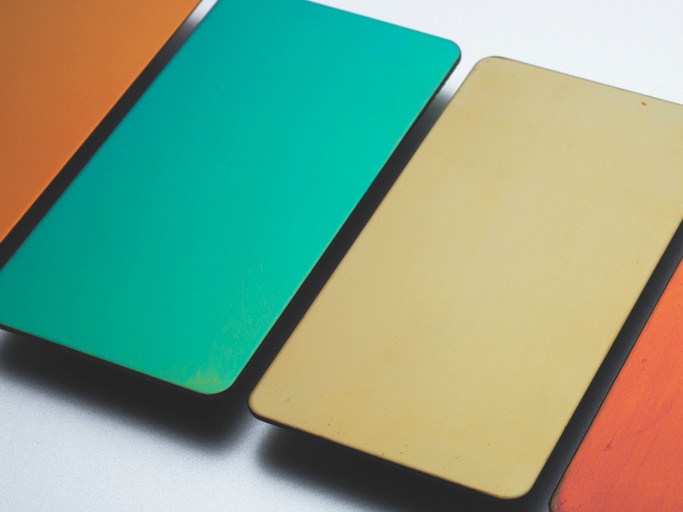
Aluminium 6063 is a very popular alloy, considered a cost-effective balance of strength and high-surface quality with good resistance to corrosion. It is popular in extruded parts, including intricate profiles, such as furniture, window frames, door frames, kitchen cabinets, consumer electronics (phone and tablet housing), sports equipment, tubing and heat sinks. It is used with a bright (reflective) anodised finish as seen on decorative trim, frames, light reflectors and bathrooms, for example. Full check for aluminium →

Recycled 2

Recycled grades, of the same material where one exists and of close relatives where not.

Aluminium

Cast alloy (Recycled)

Moderate carbon
This option1.35 kg CO₂e/kgToday10.6 kg CO₂e/kg

What you gain

  • 87% less carbon
  • Circular end of life
  • 17% cheaper
  • Avoids: non-renewable ingredients, raw material generates polluting by-products

What it costs you

  • No trade-offs flagged in the data

Made a different way: Casting.

Check this material →
Aluminium

Wrought alloy (Recycled)

Moderate carbon
This option1.35 kg CO₂e/kgToday10.6 kg CO₂e/kg

What you gain

  • 87% less carbon
  • Circular end of life
  • 17% cheaper
  • Avoids: non-renewable ingredients, raw material generates polluting by-products

What it costs you

  • No trade-offs flagged in the data
Check this material →

Natural, plastic free 6

Leaves plastic behind altogether. A bigger design change, with the biggest gains.

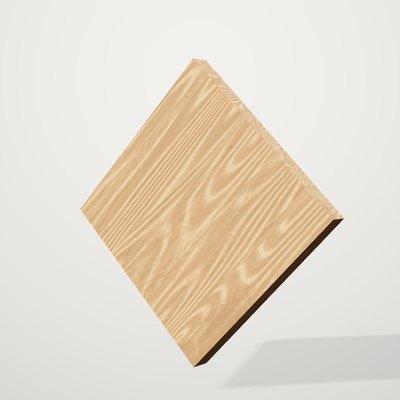
Larch

Eastern, Tamarack, Western, Siberian, European, Japanese (Sawnwood kiln dried)

Ultra low carbon
This option0.19 kg CO₂e/kgToday10.6 kg CO₂e/kg

What you gain

  • 98% less carbon
  • Higher circularity potential
  • Renewable
  • Circular end of life
  • 78% lighter
  • Avoids: non-renewable ingredients, raw material generates polluting by-products

What it costs you

  • 43% lower strength
  • Far more flexible: a soft material, not a rigid one
  • Max use temperature 150 °C (vs 250 °C)
Check this material →

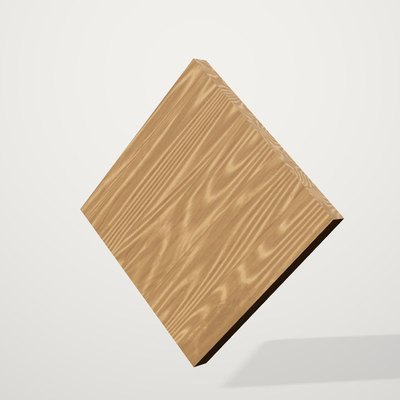
Douglas fir

Sawnwood kiln dried

Ultra low carbon
This option0.19 kg CO₂e/kgToday10.6 kg CO₂e/kg

What you gain

  • 98% less carbon
  • Higher circularity potential
  • Renewable
  • Circular end of life
  • 81% lighter
  • 22% cheaper
  • Avoids: non-renewable ingredients, raw material generates polluting by-products

What it costs you

  • 73% lower strength
  • Far more flexible: a soft material, not a rigid one
  • Max use temperature 150 °C (vs 250 °C)
Check this material →

Pine

Accoya (Modified timber)

Low carbon
This option0.8 kg CO₂e/kgToday10.6 kg CO₂e/kg

What you gain

  • 92% less carbon
  • Higher circularity potential
  • Renewable
  • Circular end of life
  • 81% lighter
  • Avoids: non-renewable ingredients, raw material generates polluting by-products

What it costs you

  • 56% lower strength
  • 78% less stiff
  • Max use temperature 150 °C (vs 250 °C)
  • 33% more expensive
Check this material →

See all 6 natural, plastic free options in the checker →

Natural, with a synthetic binder or backing 2

Mostly natural, held together or backed with a synthetic resin.

Douglas fir plywood

Low carbon
This option0.51 kg CO₂e/kgToday10.6 kg CO₂e/kg

What you gain

  • 95% less carbon
  • Higher circularity potential
  • Renewable
  • 82% lighter

What it costs you

  • New concern: low circularity potential
  • New concern: potentially toxic in use
  • 69% lower strength
  • Far more flexible: a soft material, not a rigid one
  • Max use temperature 150 °C (vs 250 °C)
  • 33% more expensive
Check this material →

Pine

Modified timber

Ultra low carbon
This option0.28 kg CO₂e/kgToday10.6 kg CO₂e/kg

What you gain

  • 97% less carbon
  • Higher circularity potential
  • Renewable
  • 80% lighter
  • 44% cheaper

What it costs you

  • New concern: hazardous end of life
  • New concern: low circularity potential
  • New concern: potentially toxic in use
  • 61% lower strength
  • Far more flexible: a soft material, not a rigid one
  • Max use temperature 150 °C (vs 250 °C)
Check this material →

Metal 1

Metals that do the same job, usually with a strong recycling route.

Aluminium

6063, low-carbon primary

Moderate carbon
This option3.7 kg CO₂e/kgToday10.6 kg CO₂e/kg

What you gain

  • 65% less carbon

What it costs you

  • No trade-offs flagged in the data
Check this material →

Glass, ceramic and stone 6

Glass, ceramic, stone and plaster options that do the same job.

Float glass

Chemically strengthened (Sheet glass)

Moderate carbon
This option1.65 kg CO₂e/kgToday10.6 kg CO₂e/kg

What you gain

  • 84% less carbon
  • Higher circularity potential
  • Circular end of life
  • 33% cheaper

What it costs you

  • No trade-offs flagged in the data
Check this material →

Soda lime glass

Recycled (Glass)

Low carbon
This option0.65 kg CO₂e/kg (estimate)Today10.6 kg CO₂e/kg

What you gain

  • 94% less carbon
  • Higher circularity potential
  • Circular end of life
  • 86% cheaper
  • Avoids: non-renewable ingredients, raw material generates polluting by-products

What it costs you

  • 78% lower strength
Check this material →

Float glass

Tempered or toughened (Sheet glass)

Moderate carbon
This option1.55 kg CO₂e/kgToday10.6 kg CO₂e/kg

What you gain

  • 85% less carbon
  • Higher circularity potential
  • Circular end of life
  • 57% cheaper

What it costs you

  • 63% lower strength
Check this material →

See all 6 glass, ceramic and stone options in the checker →

Not quite your material?

These are typical grades. The checker does the same comparison for more than 800 materials, or for every part of a product at once.

Companies working on this

Related commercial materials from the database. Listed for reference, not rated.

More guides