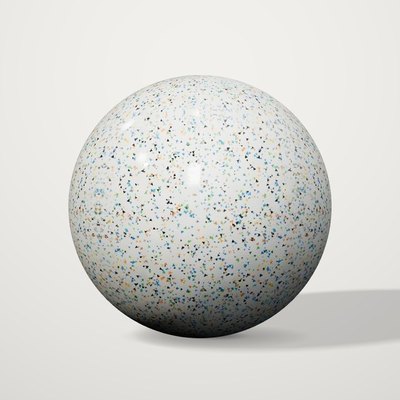
Recycled high density polyethylene
Ultra low carbonWhat you gain
- 76% less carbon
- Circular end of life
- Avoids: non-renewable ingredients, raw material generates polluting by-products
What it costs you
- Max use temperature 80 °C (vs 100 °C)
Alternatives guide
16 lower-impact options for polypropylene (PP), grouped by the kind of change you would be making. The best of them cuts carbon by 79% per kilogram.
Checked as Polypropylene (PP): General purpose.
Concerns
Pure polypropylene homopolymer (sometimes PPH) is stiffer and higher-strength than polypropylene copolymer (PPC). It is used in technical parts, such as for healthcare and household appliances, as well as blown films and thermoformed packaging (yogurt pots, trays and bottles, for example). Full check for polypropylene (PP) →
Recycled grades, of the same material where one exists and of close relatives where not.
Polypropylene (PP)
Thermoplastic polyester
Plastics made partly or wholly from plants. Usually a small change in tooling and process.
Polypropylene (PP)
Thermoplastic polyester
Leaves plastic behind altogether. A bigger design change, with the biggest gains.
Made a different way: Pressing.
Check this material →Mostly natural, held together or backed with a synthetic resin.
Spruce
Glass, ceramic, stone and plaster options that do the same job.
Float glass
Made a different way: Pressing.
Check this material →Float glass
Made a different way: Pressing.
Check this material →Other materials that do the same job with a lower footprint.
Polypropylene (PP)
Polypropylene (PP)
These are typical grades. The checker does the same comparison for more than 800 materials, or for every part of a product at once.
Related commercial materials from the database. Listed for reference, not rated.
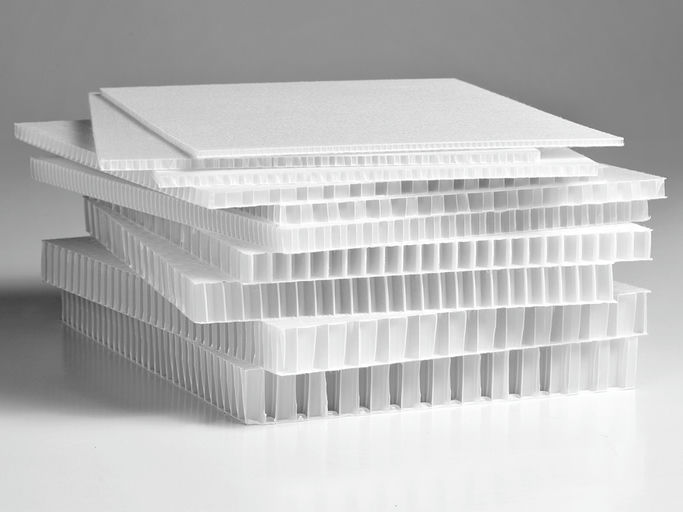 ThermHex EconCore polypropylene (PP) honeycombThermHex Waben GmbH, based in Halle (Saale), Germany, makes continuous polypropylene (PP) honeycomb cores under licence from EconCore, using EconCore's patented continuous production process. The cores come in…Image: EconCore
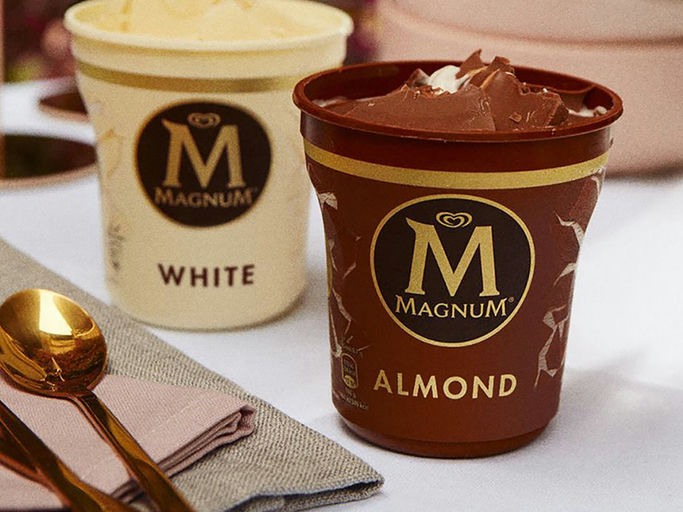 Sabic recycled polypropylene (rPP) impact copolymerSabic recycled polypropylene (rPP) impact copolymer, from its Trucircle programme, is made from post-consumer mixed plastic, which is chemically broken down into its molecular building blocks, to create plastics with…Image: SABIC
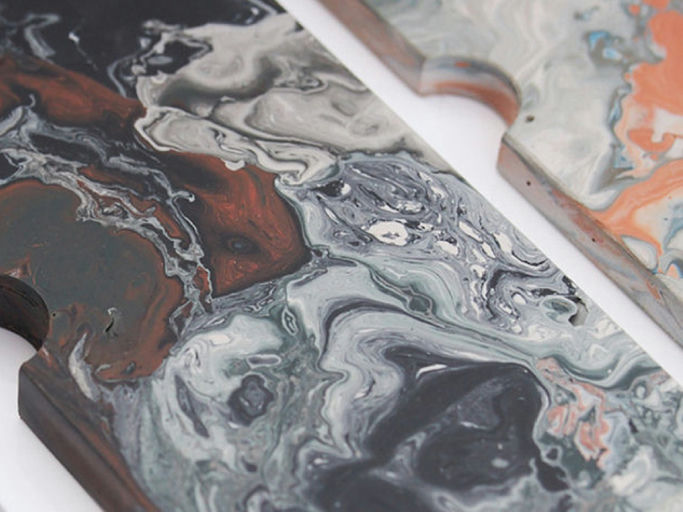 Sustaign recycled polypropylene (rPP) panelsSustaign, in Hardenberg, the Netherlands, produces handmade sheets from recycled plastics such as polypropylene (PP), polyethylene (PE) and polystyrene (PS), with marbled colour effects that imitate natural stone. The…Image: Sustaign
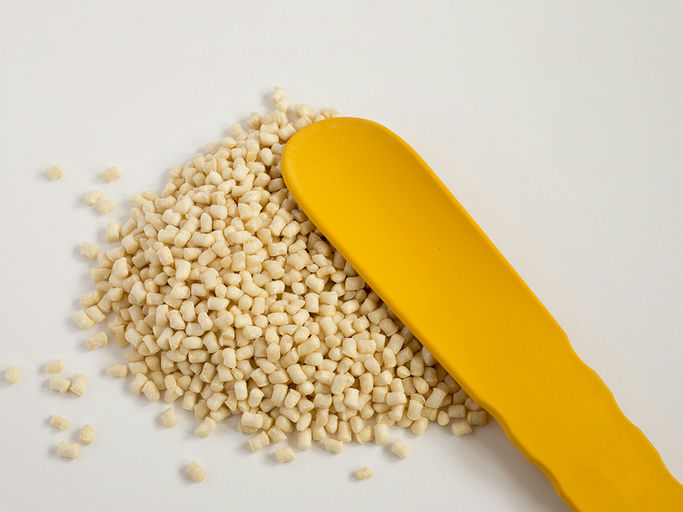 UPM Formi EcoAce bio-based polypropylene (bio-PP)UPM Formi EcoAce is a bio-based polypropylene (bio-PP) produced from bio-based naphtha, which is made from crude tall oil, a byproduct of the paper pulp process. The bio-composite version contains certified wood fibre…Image: UPM
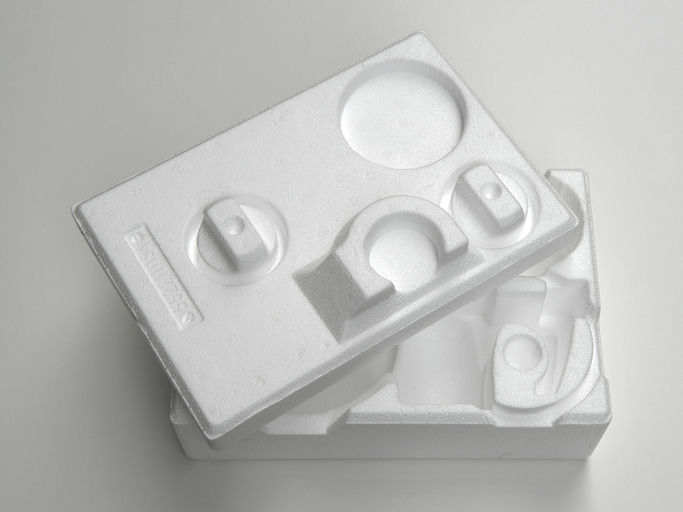 EPS (Styrofoam)
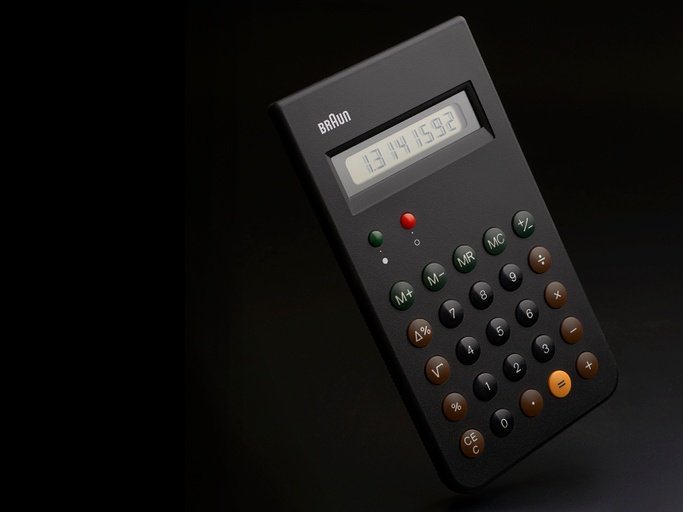 ABS plastic
 PVC (vinyl)
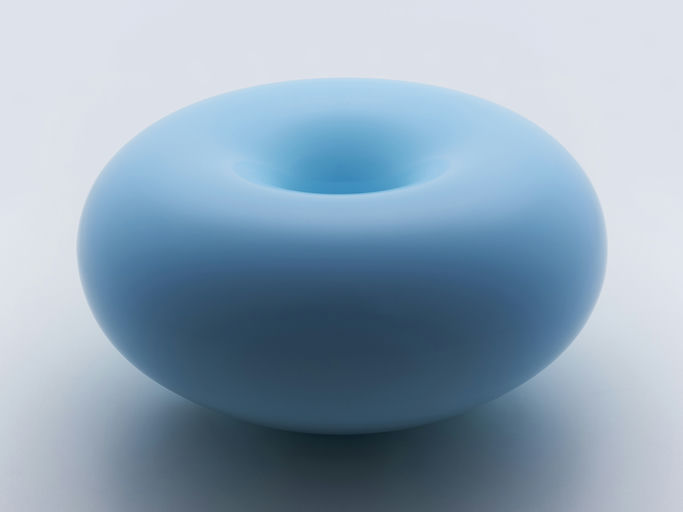 Polycarbonate
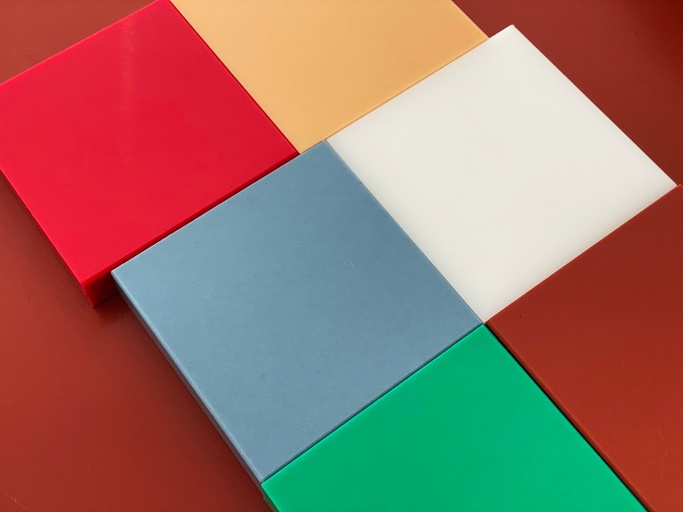 HDPE
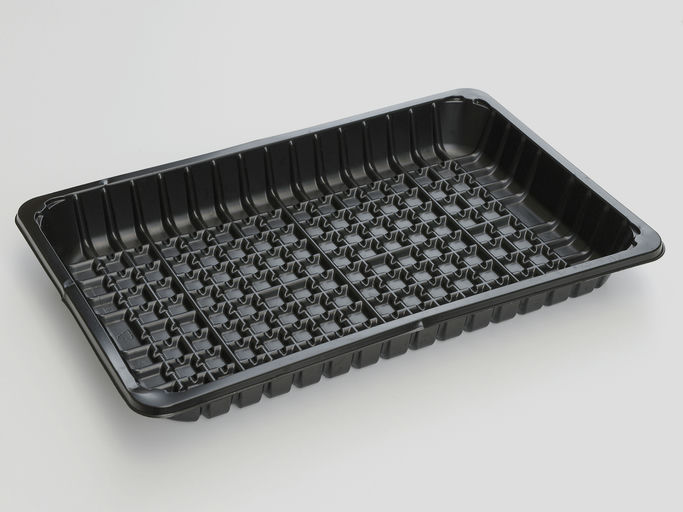 PET plastic
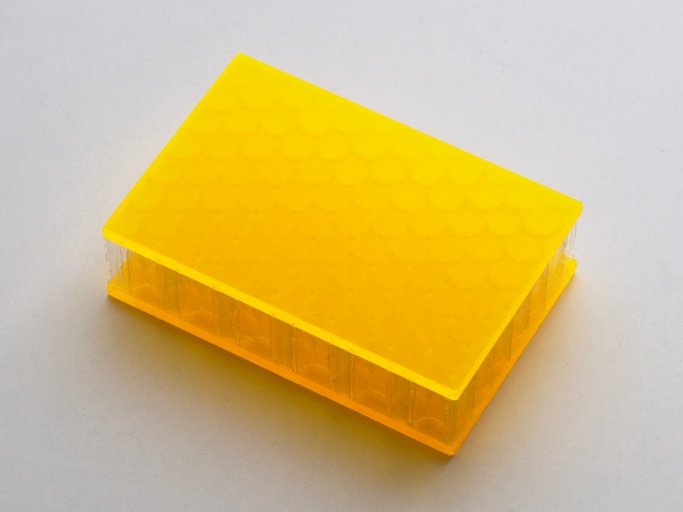 Acrylic (PMMA, Plexiglas)
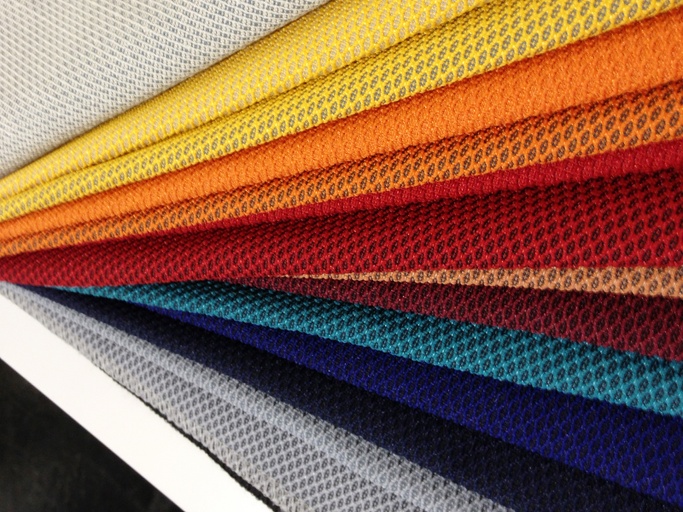 Nylon (PA6)
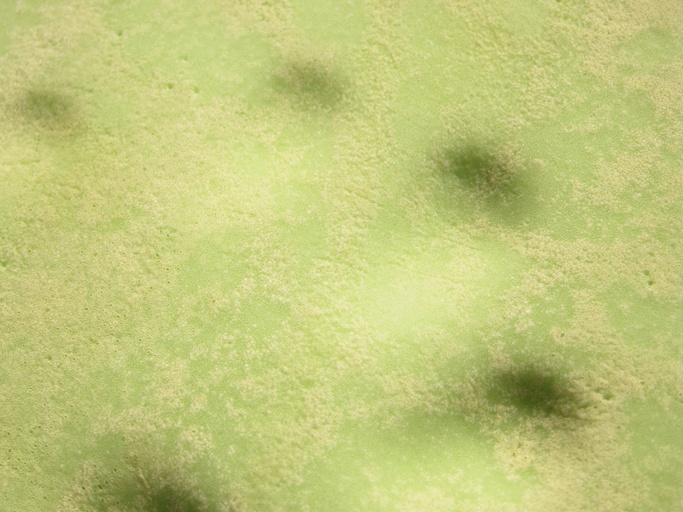 Flexible polyurethane foam
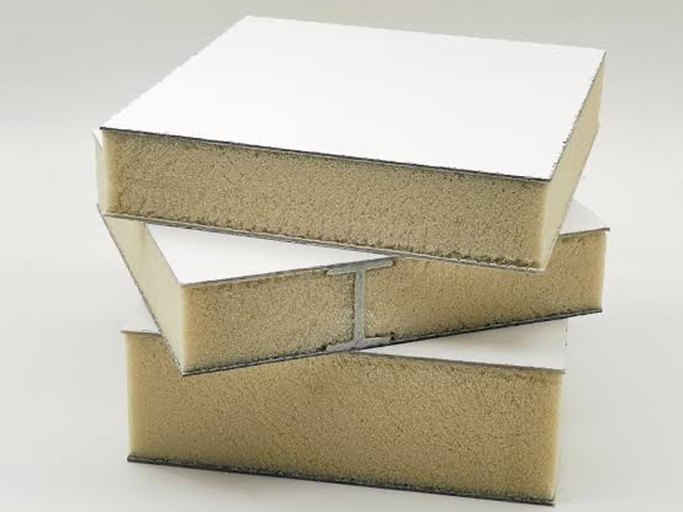 Rigid polyurethane insulation
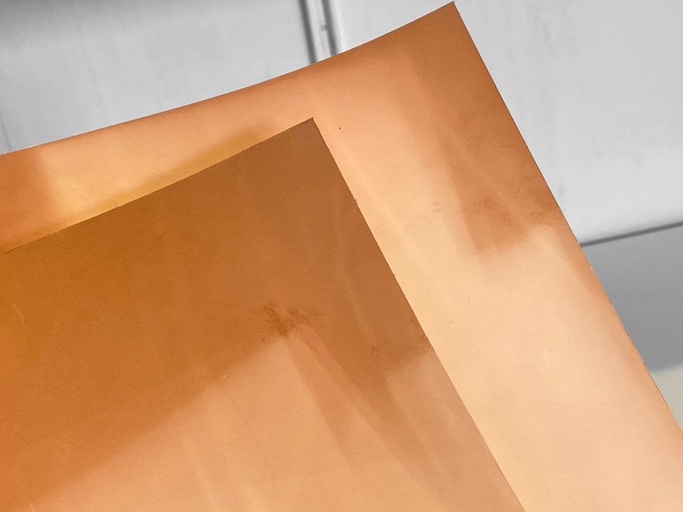 Cow leather
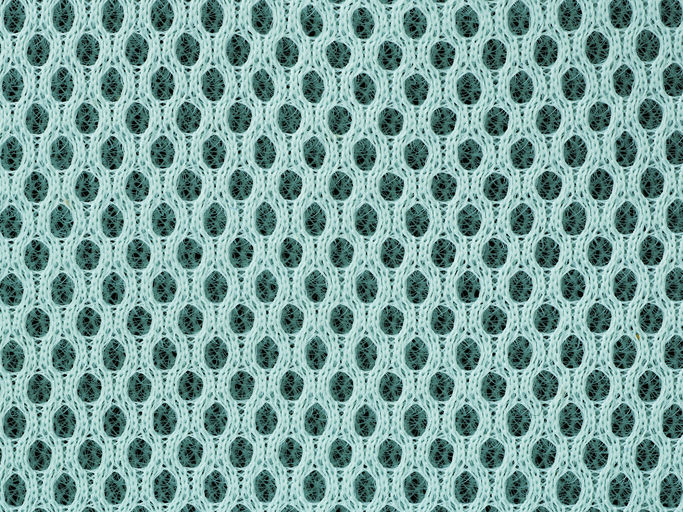 Polyester fabric
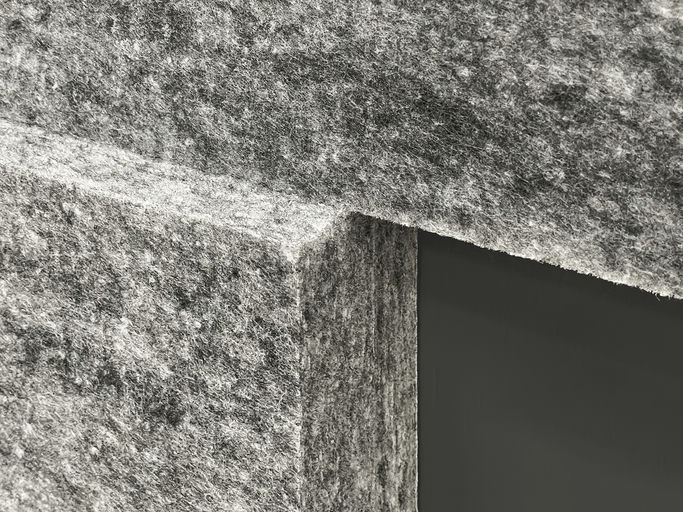 PET felt acoustic panels
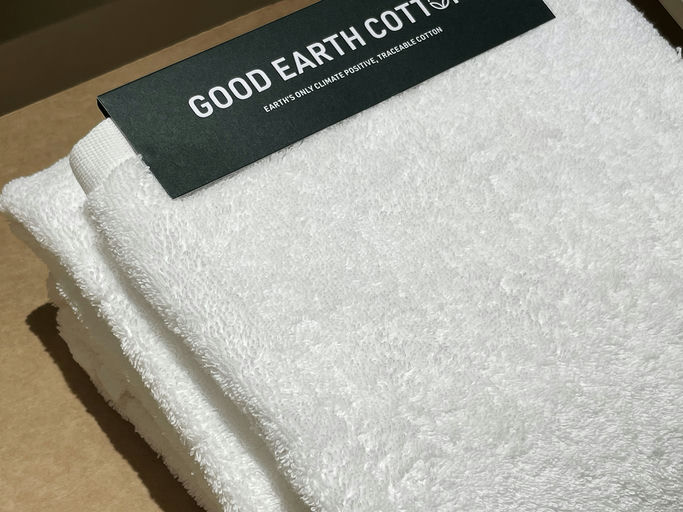 Cotton
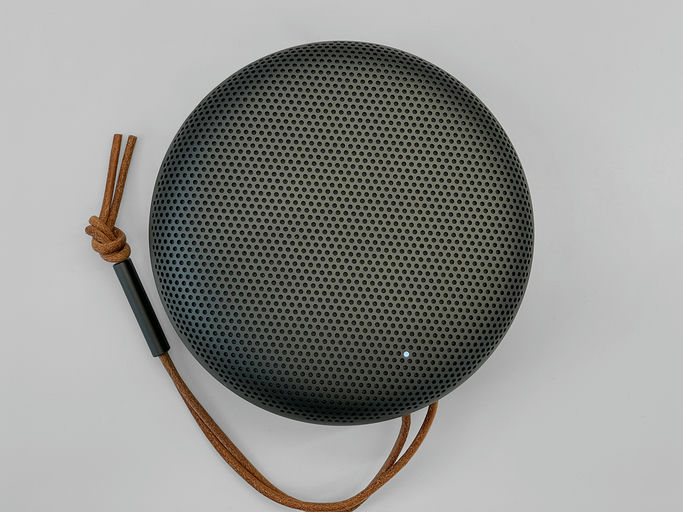 Aluminium
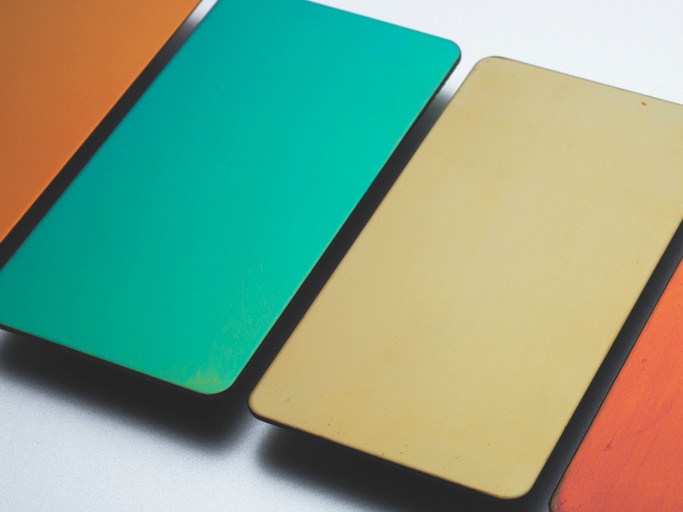 Stainless steel
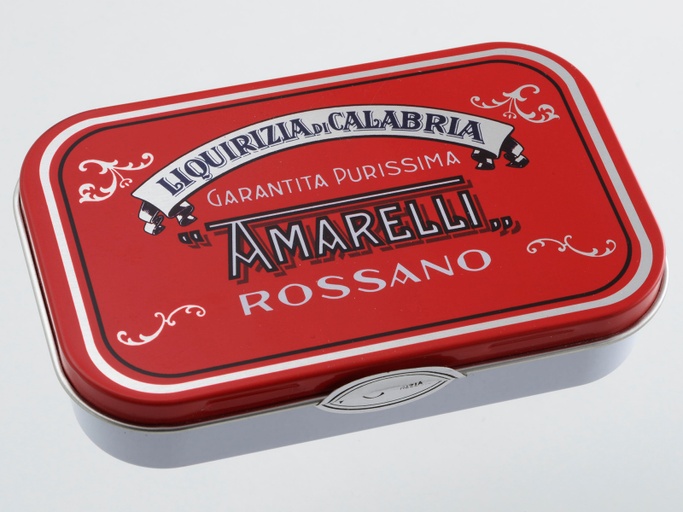 Mild steel
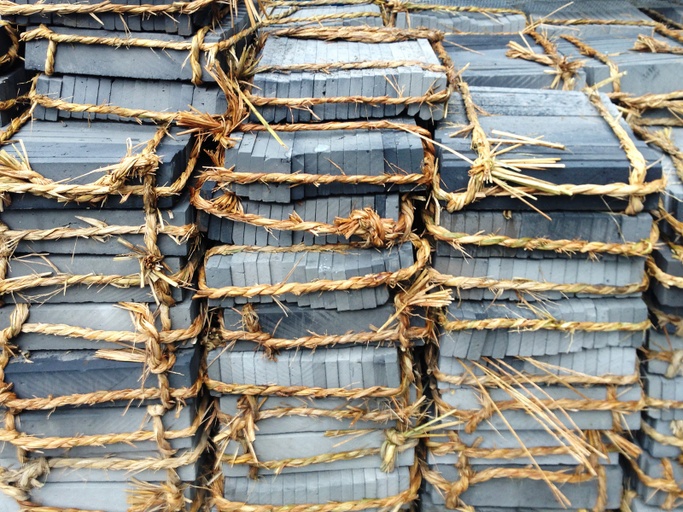 Concrete
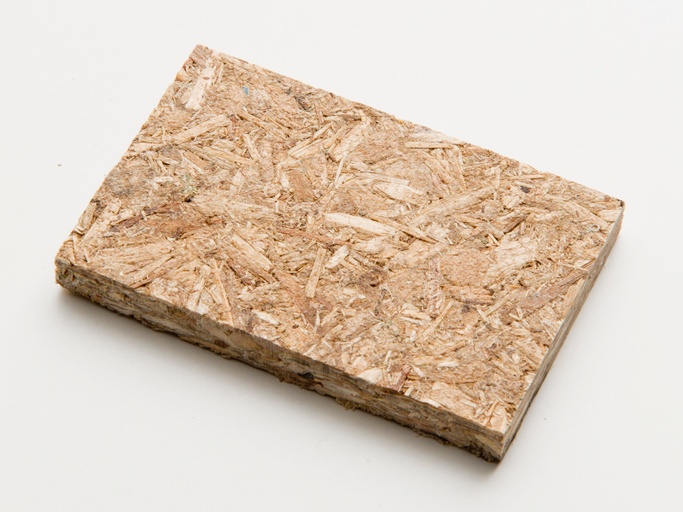 Particleboard (chipboard)
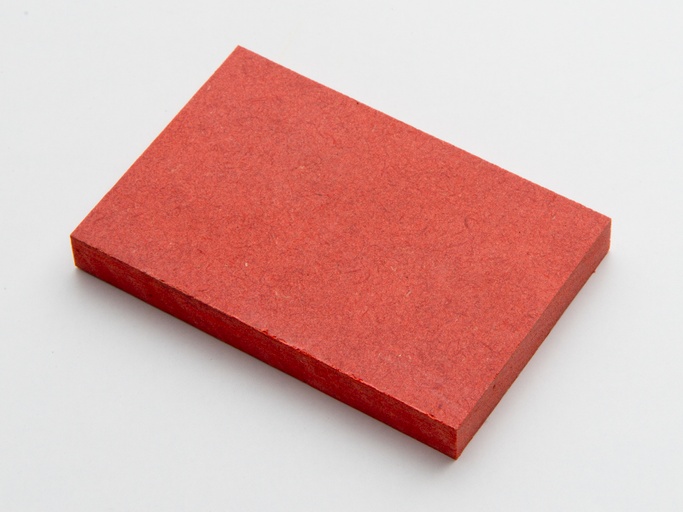 MDF
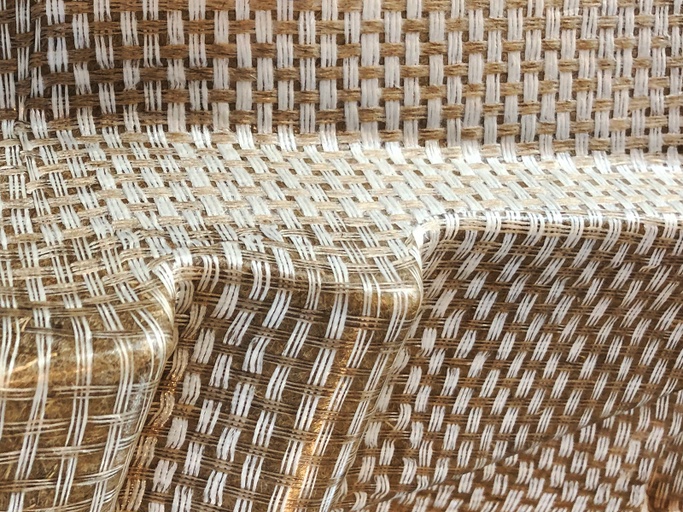 Epoxy resin
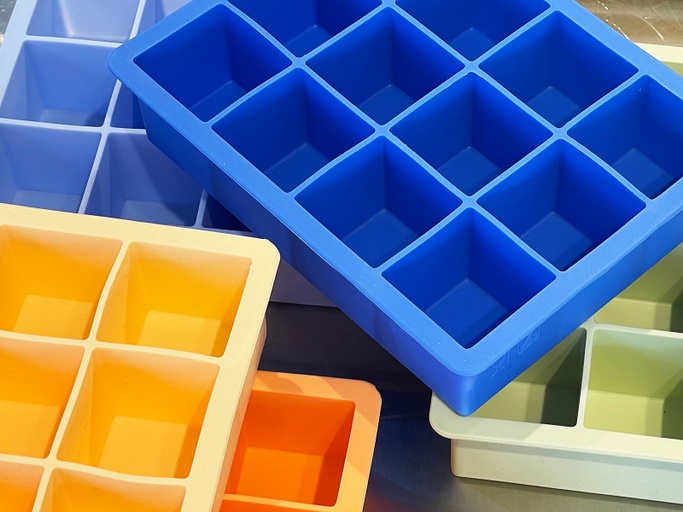 Silicone rubber
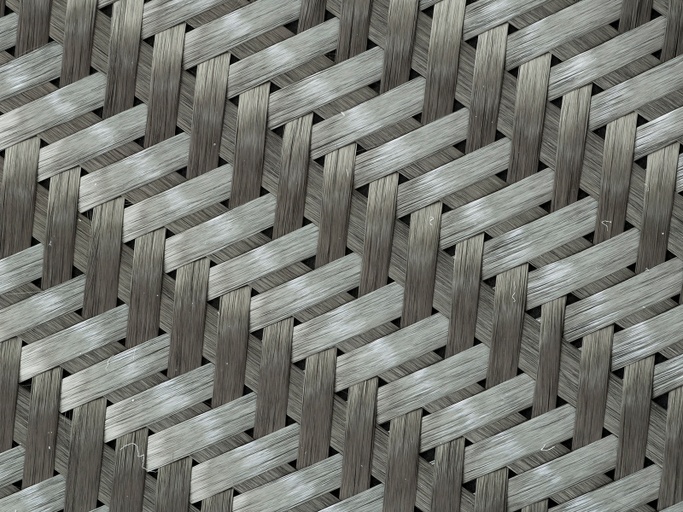 Carbon fibre
 Glass fibre (fibreglass)
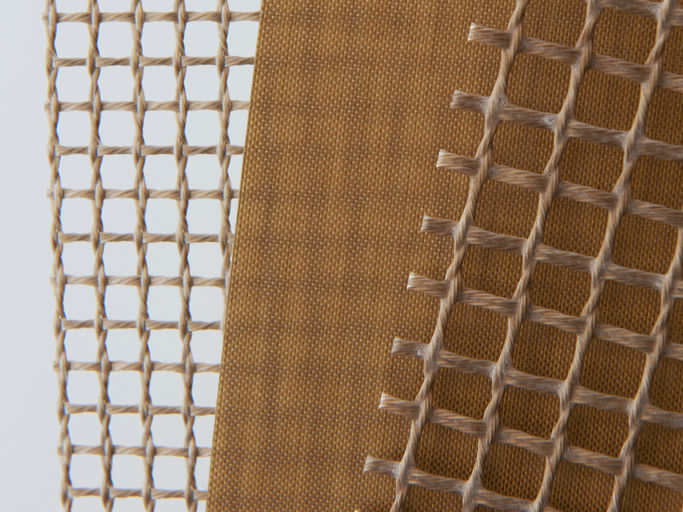 PTFE (Teflon)
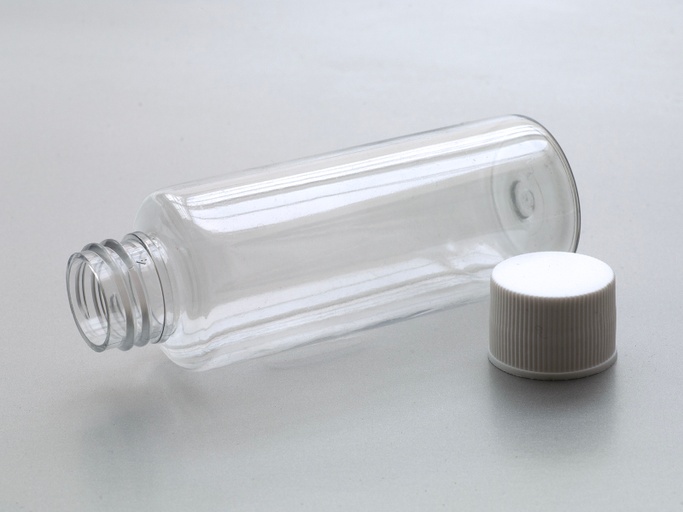 PLA bioplastic
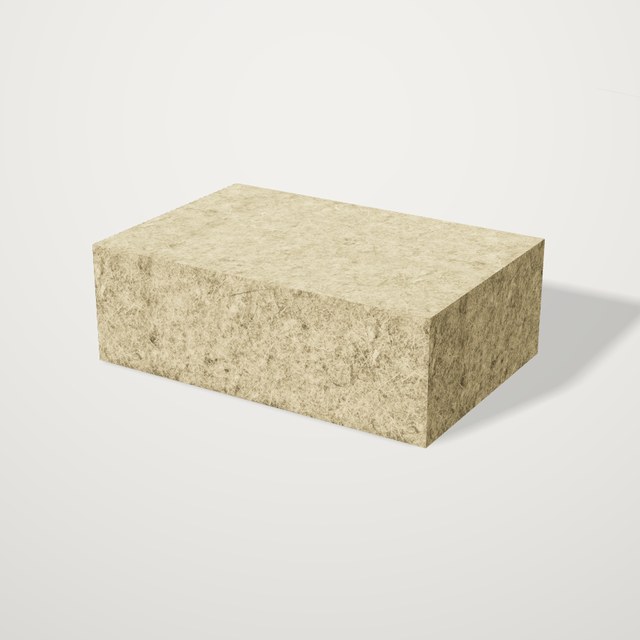 Stone wool insulation
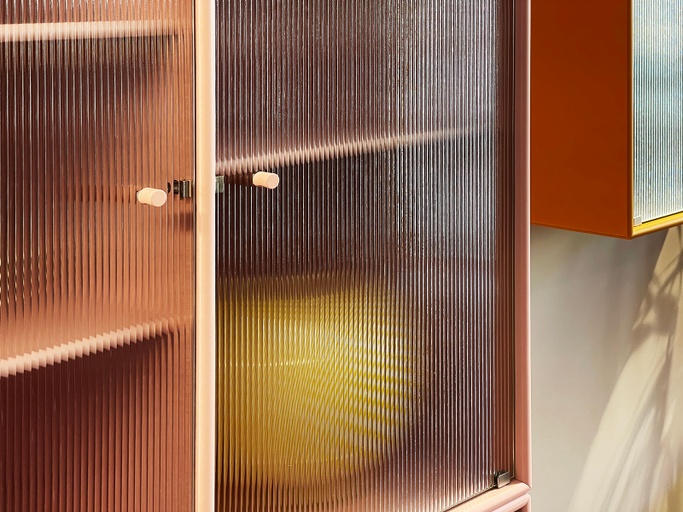 Float glass
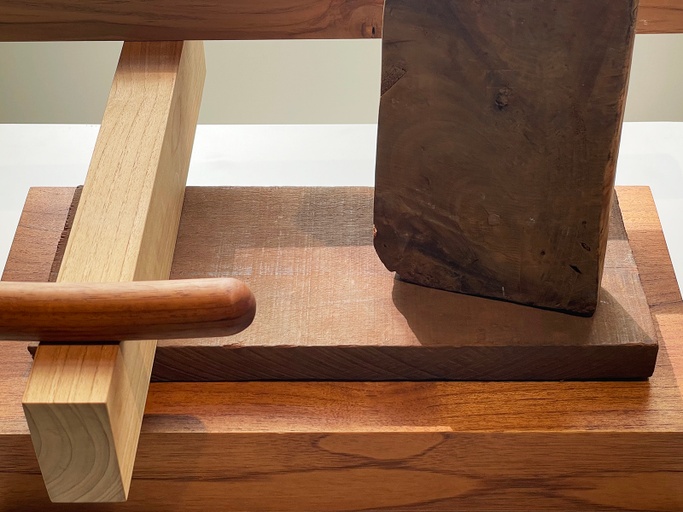 Teak