Alternatives guide

Alternatives to Cow leather

12 lower-impact options for cow leather, grouped by the kind of change you would be making. The best of them cuts carbon by 98% per kilogram.

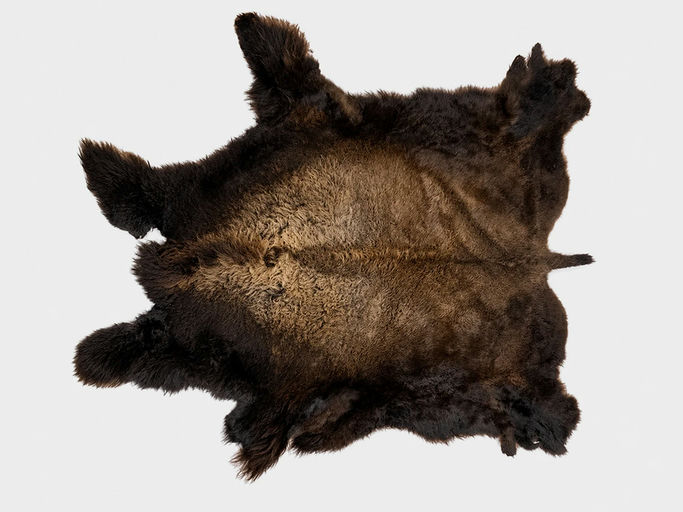
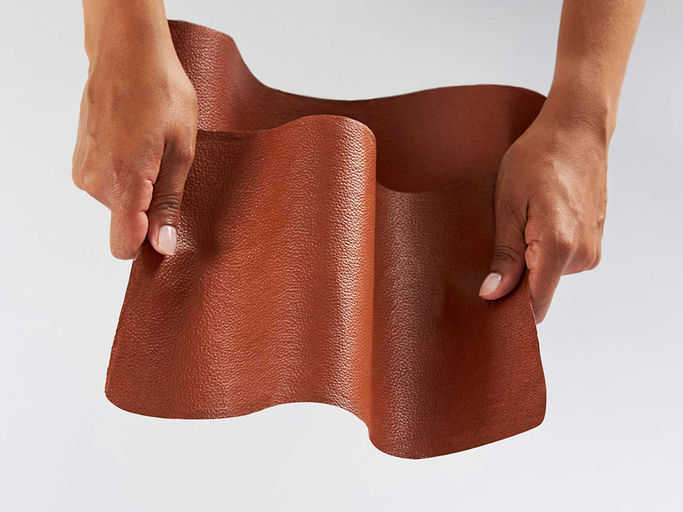
cow leather

Cow leather today

Checked as Cowhide: Cow.

27.5 kg CO₂e/kgCarbon: Extreme
LowCircularity potential (estimate)

Concerns

With cowhide from older animals, age, lifestyle and breed make a more significant contribution towards the quality of leather - the hides of older animals tend to have more marks and blemishes. Full check for cow leather →

Recycled 2

Recycled grades, of the same material where one exists and of close relatives where not.

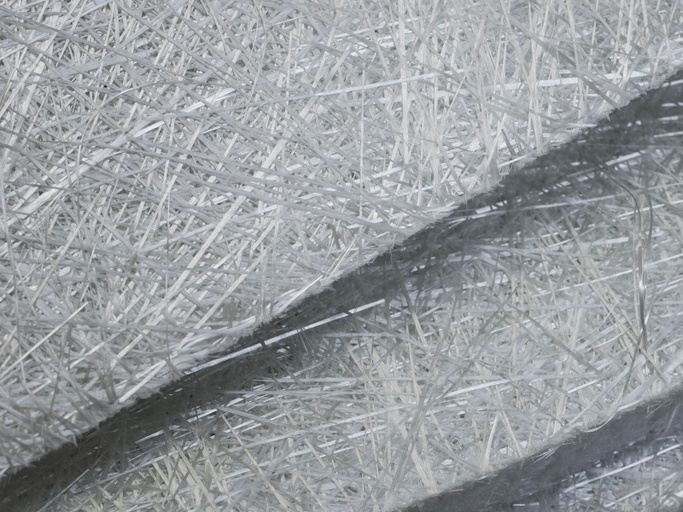
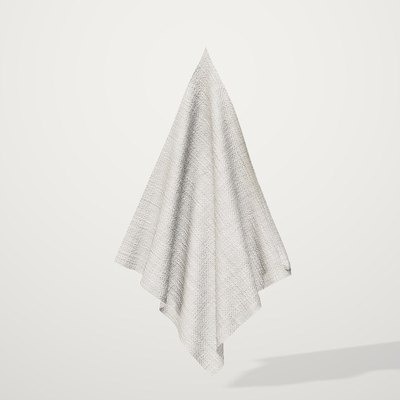
Recycled wool

Ultra low carbon
This option0.5 kg CO₂e/kgToday27.5 kg CO₂e/kg

What you gain

  • 98% less carbon
  • Higher circularity potential
  • Renewable
  • Circular end of life
  • Recyclable
  • 95% cheaper
  • Avoids: deforestation risk, non-renewable ingredients, raw material generates polluting by-products

What it costs you

  • 54% heavier
  • About 42.9× stiffer (firmer)

Different material, same job: softness, breathability, weather resistant. Made a different way: Braiding, Fibre spinning, Knitting.

Check this material →
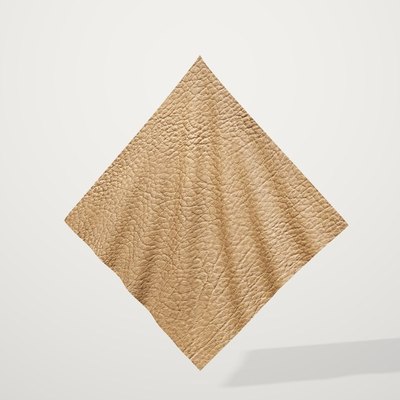
Cotton

Recycled

Low carbon
This option0.65 kg CO₂e/kg (estimate)Today27.5 kg CO₂e/kg

What you gain

  • 98% less carbon
  • Higher circularity potential
  • Circular end of life
  • Recyclable
  • Animal free
  • 93% cheaper
  • Avoids: deforestation risk, non-renewable ingredients, raw material generates polluting by-products, sourced from animals

What it costs you

  • 79% heavier
  • About 143× stiffer (firmer)

Different material, same job: softness, breathability. Made a different way: Braiding, Fibre spinning, Knitting.

Check this material →
Plant-based plastic 1

Plastics made partly or wholly from plants. Usually a small change in tooling and process.

Polyurethane resin (PUR)

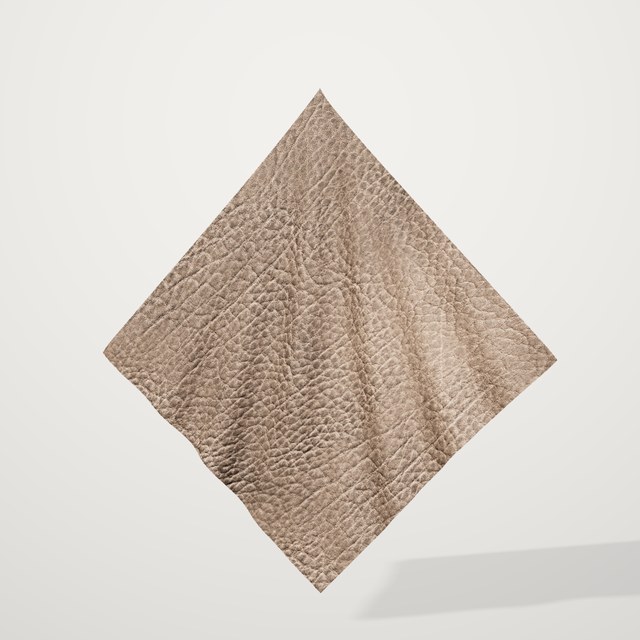
Plant-based synthetic leather (bio-PU coated textile with plant filler) (Bio-based synthetic leather)

Moderate carbon
This option4.5 kg CO₂e/kg (estimate)Today27.5 kg CO₂e/kg

What you gain

  • 84% less carbon
  • Animal free
  • 44% lighter
  • Avoids: deforestation risk, raw material generates polluting by-products, sourced from animals

What it costs you

  • Lower circularity potential
  • New concern: low circularity potential
  • New concern: microplastics
  • About 2.8× the cost
Check this material →

Natural, plastic free 6

Leaves plastic behind altogether. A bigger design change, with the biggest gains.

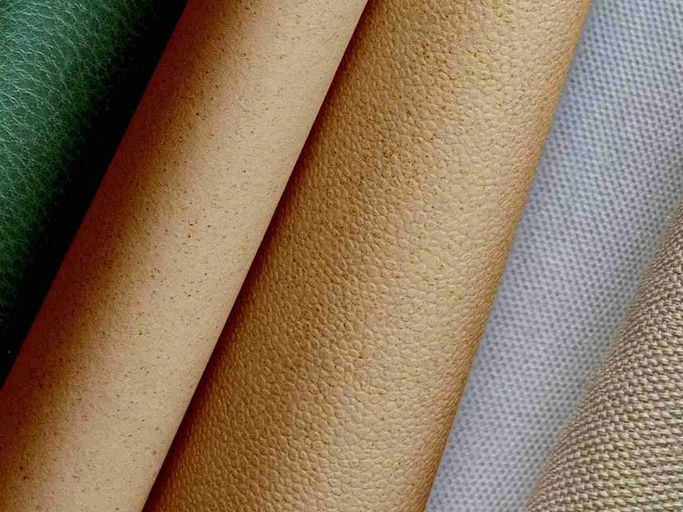
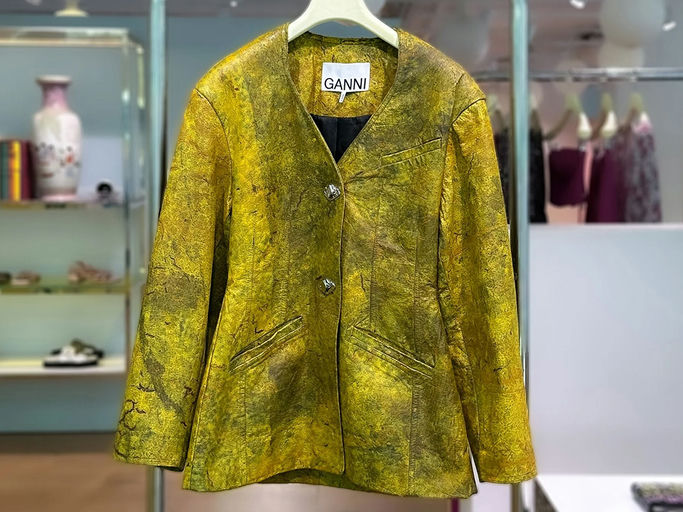
Reishi, Forager, AirMycelium, Mylea, Mylo (Mycelium leather)

Very high carbon
This option9.75 kg CO₂e/kgToday27.5 kg CO₂e/kg

What you gain

  • 65% less carbon
  • Higher circularity potential
  • Renewable
  • Circular end of life
  • Animal free
  • Avoids: deforestation risk, non-renewable ingredients, raw material generates polluting by-products, sourced from animals

What it costs you

  • 21% heavier
  • About 7.78× softer
  • About 11.7× the cost
Check this material →

Wool wadding / batting (upholstery)

Moderate carbon
This option2.05 kg CO₂e/kgToday27.5 kg CO₂e/kg

What you gain

  • 93% less carbon
  • Higher circularity potential
  • Renewable
  • 96% lighter
  • 40% cheaper
  • Avoids: deforestation risk, non-renewable ingredients

What it costs you

  • No trade-offs flagged in the data

Different material, same job: softness, breathability. Made a different way: Nonwoven.

Check this material →

Cotton

Organic

Moderate carbon
This option1.38 kg CO₂e/kgToday27.5 kg CO₂e/kg

What you gain

  • 95% less carbon
  • Higher circularity potential
  • Circular end of life
  • Recyclable
  • Animal free
  • 88% cheaper
  • Avoids: deforestation risk, non-renewable ingredients, raw material generates polluting by-products, sourced from animals

What it costs you

  • 79% heavier
  • About 200× stiffer (firmer)

Different material, same job: softness, breathability. Made a different way: Braiding, Fibre spinning, Knitting.

Check this material →

See all 6 natural, plastic free options in the checker →

Natural, with a synthetic binder or backing 1

Mostly natural, held together or backed with a synthetic resin.

Cork fabric (cork leather)

Low carbon
This option1.1 kg CO₂e/kg (estimate)Today27.5 kg CO₂e/kg

What you gain

  • 96% less carbon
  • Higher circularity potential
  • Animal free
  • Avoids: deforestation risk, raw material generates polluting by-products, sourced from animals

What it costs you

  • New concern: low circularity potential
  • 50% more expensive

Carbon is a family-level figure.

Check this material →
Other options 2

Other materials that do the same job with a lower footprint.

Polyurethane resin (PUR)

Leatherette, pleather (Artificial leather)

High carbon
This option7 kg CO₂e/kg (estimate)Today27.5 kg CO₂e/kg

What you gain

  • 75% less carbon
  • Animal free
  • 88% cheaper
  • Avoids: deforestation risk, sourced from animals

What it costs you

  • Lower circularity potential
  • New concern: low circularity potential
  • New concern: microplastics
  • 49% heavier
  • About 143× stiffer (firmer)
Check this material →

Cowhide

Composite (Bonded leather)

Moderate carbon
This option3 kg CO₂e/kg (estimate)Today27.5 kg CO₂e/kg

What you gain

  • 89% less carbon
  • 93% cheaper

What it costs you

  • New concern: low circularity potential
  • New concern: microplastics
  • 18% heavier
Check this material →

Trend briefing

Leather: hide, plastic or mushroom?

Leather's footprint is mostly the cow's, and how much of the cow you count is an argument that is still going on. The alternatives range from plain plastic to plants bound with plastic to mycelium grown in trays. Here is what the numbers say, what "vegan leather" usually means, and what changed in the EU's deforestation law this year.

17grades in 6 families
6company innovations

Live from the Spot Material database · figures updated 23 Nov 2026 · text last edited 18 Nov 2026

In short

Leather is durable, repairable and ages well. It is also the skin of an animal, with the land use and methane that go with cattle, and it is tanned with chemicals that need careful handling.

The alternatives are not one thing:

  • Plastic leatherette: PVC or polyurethane on a fabric backing. Cheap, low in carbon per kilo, short-lived.
  • Plant-and-plastic hybrids: pineapple leaf, apple or grape waste, bound or coated with polyurethane.
  • Plastic-free newcomers: natural rubber and plant-oil sheets, and mycelium.

None matches leather on every count. The useful questions are how long the product must last, and what the material is actually made of.

Whose carbon is it?

A hide is a by-product of meat and milk. Most of the emissions come from raising the animal, not from the tannery, so leather's footprint depends almost entirely on how much of the farm is charged to the hide.

  • Charge the hide in proportion to its value, and it carries a few per cent of the animal's footprint. This is the usual method, and the basis of the database range of 27.5 kg CO₂e/kg for cow leather.
  • Small changes in that share move the result a lot. One analysis found that raising the hide's share from 1.8% to 3.5% changed leather's footprint by about 30%.
  • In June 2026 UNIDO published guidelines that set the hide's share of the farm at 1.5%, which Europe's tanners welcomed. Campaign groups argue the true figure is far higher.

So treat any single number for leather with care, and ask which method is behind it. The comparison that holds either way: a leather product that lasts twenty years and is repaired is a different thing from one replaced every two.

Sources: Carbonfact, The life cycle assessment of leather · Leatherbiz, COTANCE welcomes UNIDO environmental footprint guidelines (Jun 2026) · Collective Fashion Justice, on leather's climate impact

Leathers compared

Cow leather is 27.5 kg CO₂e/kg; goat and sheep are similar at 30 kg CO₂e/kg and 30 kg CO₂e/kg. Pigskin is lower at 15 kg CO₂e/kg, because pigs do not produce methane the way cattle and sheep do.

Bonded leather is 3 kg CO₂e/kg: shavings and offcuts from tanneries, ground up and bound with latex or polyurethane onto a backing. It uses waste, but it wears like a coated fabric, not like leather.

The tanning method barely changes the carbon figure. It changes the chemistry.

Animal leathers (kg CO₂e per kg)

31030Bonded leather3Pigskin15Cow leather, chrome tanned27.5Cow leather, vegetable tanned27.5Goatskin30Sheepskin30
AlternativesAnimal leatherDot = typical, line = range · log scale

Tanning: chrome, plants or neither

Tanning stops a hide from rotting. There are three main ways.

  • Chrome tanning is fast, cheap and gives soft, colourfast leather; most of the world's leather is made this way. The chromium used is the safe form, but badly controlled tanning or ageing can turn traces into chromium(VI), a skin sensitiser and carcinogen, which the EU limits in leather goods. Where waste water is not treated, chrome tanning pollutes rivers.
  • Vegetable tanning uses tannins from bark, wood and leaves. It takes weeks, gives a firmer leather that darkens with age, and the leather can biodegrade. Vegetable-tanned leather is the choice for belts, bags and saddlery.
  • Chrome-free synthetic tanning (wet white) is used for car interiors and for people sensitive to chrome.

Newer tanning agents are made from olive leaves and other farm waste. Whatever the method, ask whether the tannery is audited: the Leather Working Group rates tanneries on water, energy, chemicals and traceability.

"Vegan leather" is mostly plastic

Per kilo, the plastics win on carbon: PVC leatherette is 2.85 kg CO₂e/kg and PU leatherette 7 kg CO₂e/kg, against 27.5 kg CO₂e/kg for cow leather. They are also thinner and lighter, so the gap per square metre is wider still.

What the number hides:

  • They are fossil plastics, and PVC needs plasticisers to stay soft.
  • They crack and peel in a few years and cannot be repaired or re-finished.
  • They shed microplastics and are not recycled.

The plant-based names sit in between. Piñatex (8.5 kg CO₂e/kg) is a felt of pineapple-leaf fibre with a plant-based binder and a polyurethane coating. Materials made with apple or grape waste are typically that waste mixed into polyurethane on a textile backing; plant-based synthetic leathers as a group are 4.5 kg CO₂e/kg. They cut the fossil share. They are not plastic-free, and should not be described as such.

Leather alternatives beside cow leather (kg CO₂e per kg)

31030PVC leatherette2.85Plant-based synthetic leather4.5PU leatherette7Piñatex8.5Mycelium leather9.75Cow leather27.5
AlternativesAnimal leatherDot = typical, line = range · log scale

Without animal or plastic

A smaller group of materials aims to leave out both.

  • Rubber and plant-oil sheets. Natural rubber, plant oils and mineral or plant fillers, cured without polyurethane. They can be ground up and remade, or returned to soil.
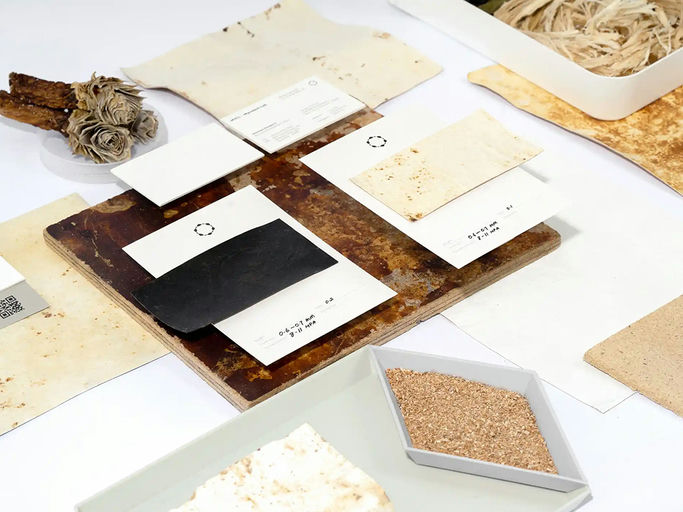
  • Mycelium leather (9.75 kg CO₂e/kg). Fungal root structure grown as a mat in days to weeks, then tanned and finished much like a hide. The footprint range is wide because it depends on the energy used for growing and on the finish; several early producers have closed or paused, and supply is still small.
  • Bacterial cellulose. Grown by microbes in tanks, at pilot scale.
  • Cork fabric. Thin cork bonded to a textile; the backing and glue decide whether it is plastic-free.
  • Amadou (0.5 kg CO₂e/kg). A suede-like material cut from a bracket fungus by hand; a craft material, not an industrial one.

Two checks for all of them: what is the coating, and what is the backing? A plastic-free core under a polyurethane topcoat is a hybrid.

Rules: leather drops out of the deforestation law

Cattle ranching is the largest single driver of deforestation in the Amazon, and leather was due to be covered by the EU Deforestation Regulation alongside beef. That changed in 2026. In its simplification package the Commission removed cattle hides, skins and leather from the list of products covered. The change was adopted in July and has been in force since 18 September 2026. Cattle and beef stay in scope, and the regulation applies from 30 December 2026.

Industry bodies had argued that hides are a by-product that does not drive land clearing. Environmental groups called the change a loophole.

In practice this means there is no legal duty to trace leather back to the farm. If deforestation matters to your product, ask for that traceability yourself: a tannery audit covers the tannery, not the ranch.

Leather clothing, accessories and footwear are within the EU's new producer responsibility rules for textiles, due in every member state by April 2028.

  1. Dec 2025Deforestation regulation postponed by a year and simplified
  2. May 2026Commission proposes dropping leather from the product list
  3. Jul 2026Revised product list adopted
  4. 18 Sep 2026Change in force: hides, skins and leather out of scope
  5. 30 Dec 2026Deforestation regulation applies to large and medium companies
  6. 30 Jun 2027Applies to micro and small companies

Sources: Baker McKenzie, Commission finalises the EUDR product scope (Jul 2026) · Fern, Commission drops leather from goods covered by the EUDR (May 2026) · Greenpeace EU, on the leather exemption · ecosistant, EU textile EPR directive

How to choose

  • Long life, heavy wear, repair (furniture, boots, bags): leather still performs best. Choose an audited tannery, ask where the hides came from, and consider vegetable or chrome-free tanning.
  • Short life or light use: a plant-based hybrid or a plastic-free sheet avoids the animal footprint. Be honest that a hybrid contains plastic.
  • No animal products at all: look first at rubber-based and mycelium materials, then hybrids; plain PVC and PU last.
  • Could it be a textile? A good wool, linen or hemp cloth often does the job with none of these trade-offs.

Questions for any supplier: what is the coating, what is the backing, how many years is it tested for, and what happens to it at the end?

Check cow leather in the Material checker

Not quite your material?

These are typical grades. The checker does the same comparison for more than 800 materials, or for every part of a product at once.

Companies working on this

Related commercial materials from the database. Listed for reference, not rated.

More guides