Alternatives guide

Alternatives to Particleboard (chipboard)

8 lower-impact options for particleboard (chipboard), grouped by the kind of change you would be making. The best of them cuts carbon by 93% per kilogram.

particleboard (chipboard)

Particleboard (chipboard) today

Checked as Engineered wood: Particleboard. Also known as Chipboard.

0.4 kg CO₂e/kgCarbon: Ultra low
Very highCircularity potential (estimate)
RecycleTypical end of life

Concerns

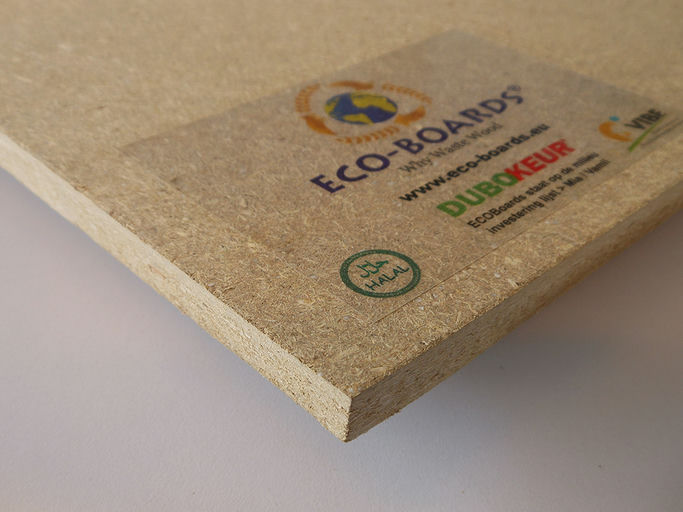
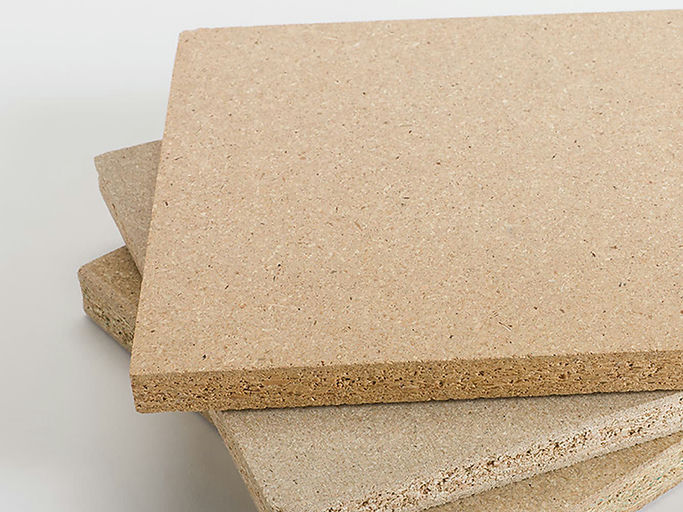
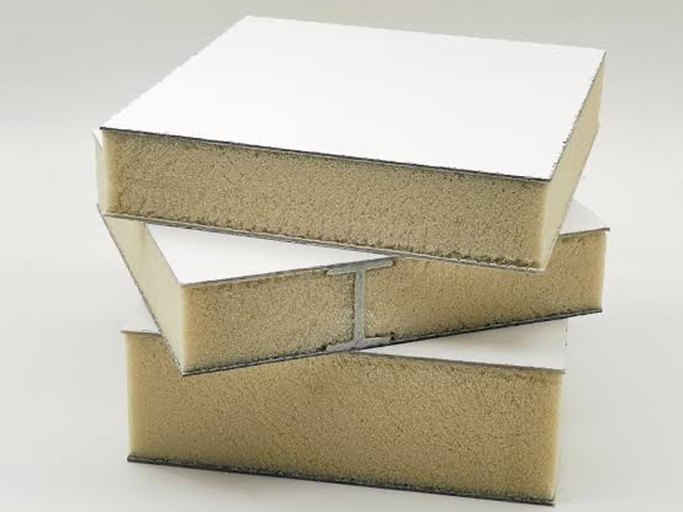
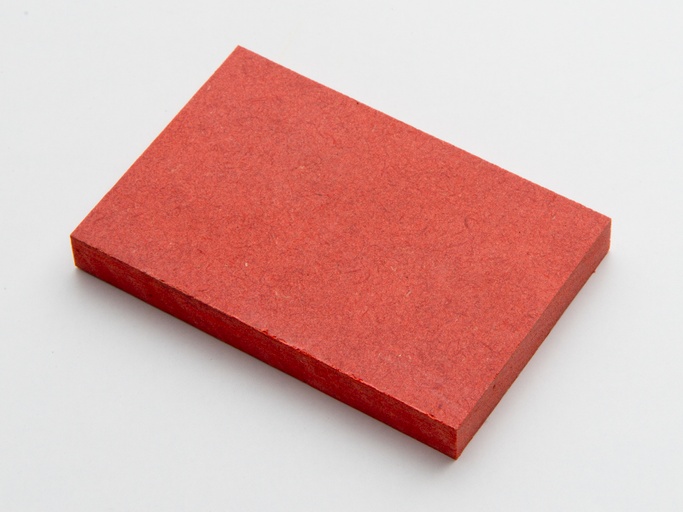
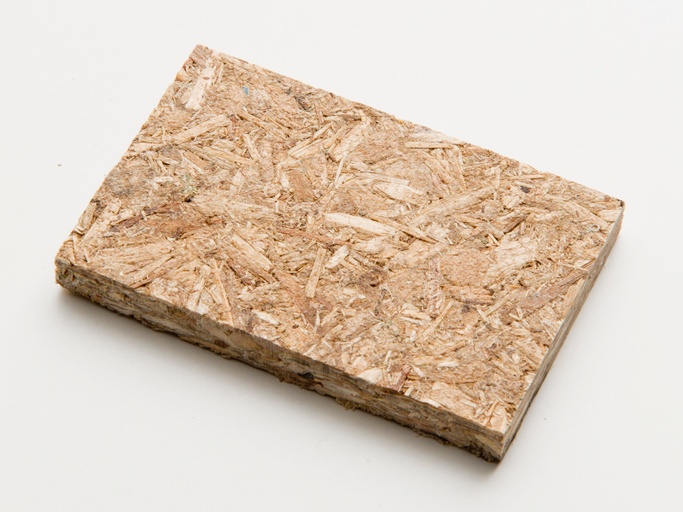
Particleboard (PB), also called low density fibreboard (LDF) and chipboard, provides a cheap alternative to plywood for furniture and interior applications (think IKEA and flatpack furniture). It is lightweight and more stable than plywood, but susceptible to moisture absorption. Veneers and laminates are added to produce a finished surface. They come in many profiles, including square edge, rounded, tongue and groove, and pre-grooved (routed) for use with underfloor heating, for example. Full check for particleboard (chipboard) →

Natural, plastic free 6

Leaves plastic behind altogether. A bigger design change, with the biggest gains.

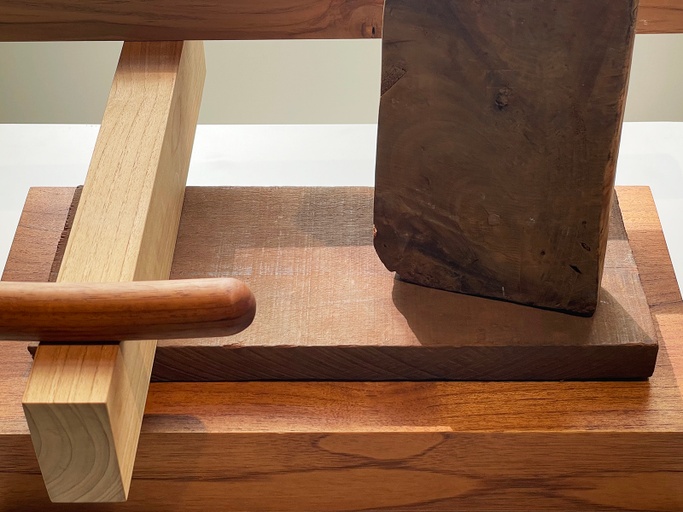
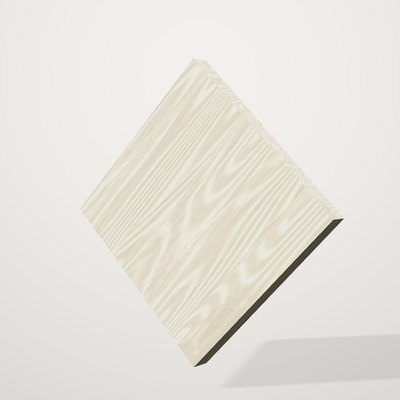
Spruce

Sawnwood kiln dried

Ultra low carbon
This option0.19 kg CO₂e/kgToday0.4 kg CO₂e/kg

What you gain

  • 53% less carbon
  • Plastic free
  • Circular end of life
  • Avoids: low circularity potential, non-renewable ingredients, potentially toxic in use, raw material generates polluting by-products

What it costs you

  • 40% heavier

4.42× stiffer.

Check this material →
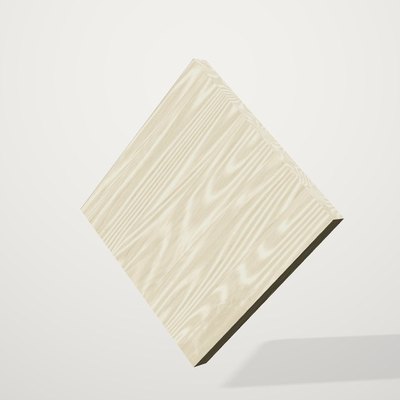
Spruce-pine-fir (Sawnwood kiln dried)

Ultra low carbon
This option0.19 kg CO₂e/kgToday0.4 kg CO₂e/kg

What you gain

  • 53% less carbon
  • Plastic free
  • Circular end of life
  • 20% cheaper
  • Avoids: low circularity potential, non-renewable ingredients, potentially toxic in use, raw material generates polluting by-products

What it costs you

  • 39% heavier
  • Far more rigid (5.21× stiffer)
Check this material →

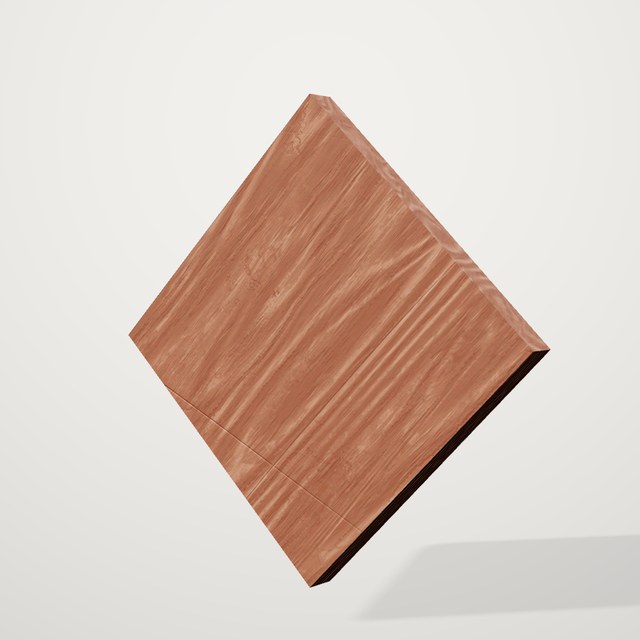
Western red cedar (Thuja plicata) and similar North American 'cedars': Atlantic white cedar, Northern white cedar, Port-Orford cedar, yellow cedar (Sawnwood kiln dried)

Ultra low carbon
This option0.19 kg CO₂e/kgToday0.4 kg CO₂e/kg

What you gain

  • 53% less carbon
  • Plastic free
  • Circular end of life
  • Avoids: low circularity potential, non-renewable ingredients, potentially toxic in use, raw material generates polluting by-products

What it costs you

  • 25% heavier
  • About 2.8× the cost

3.58× stiffer.

Check this material →

See all 6 natural, plastic free options in the checker →

Natural, with a synthetic binder or backing 1

Mostly natural, held together or backed with a synthetic resin.

Spruce

Modified timber

Ultra low carbon
This option0.28 kg CO₂e/kgToday0.4 kg CO₂e/kg

What you gain

  • 31% less carbon

What it costs you

  • New concern: hazardous end of life
  • 40% heavier
  • 60% more expensive

4.42× stiffer.

Check this material →
Glass, ceramic and stone 1

Glass, ceramic, stone and plaster options that do the same job.

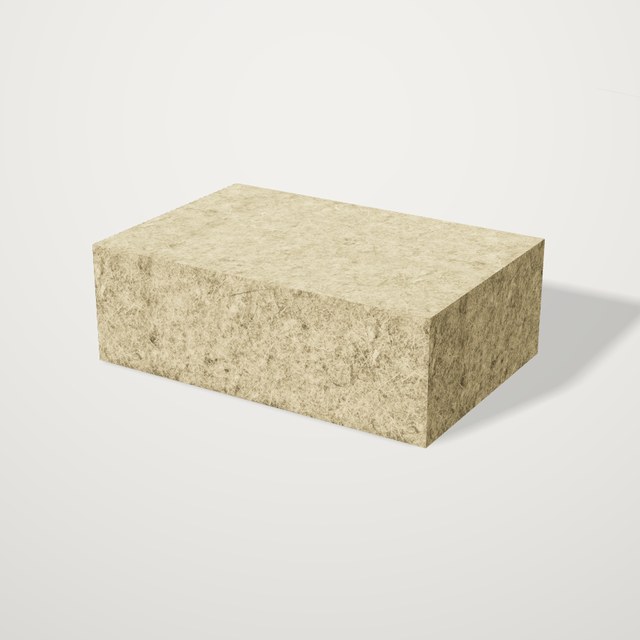
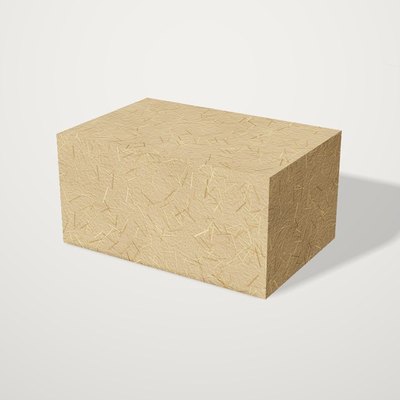
Light earth (straw-clay, woodchip-clay) (Unfired)

Ultra low carbon
This option0.03 kg CO₂e/kg (estimate)Today0.4 kg CO₂e/kg

What you gain

  • 93% less carbon
  • Plastic free
  • Circular end of life
  • 86% cheaper
  • Avoids: low circularity potential, potentially toxic in use, raw material generates polluting by-products

What it costs you

  • Lower circularity potential
  • About 2.5× heavier
Check this material →

Not quite your material?

These are typical grades. The checker does the same comparison for more than 800 materials, or for every part of a product at once.

Companies working on this

Related commercial materials from the database. Listed for reference, not rated.

More guides