Alternatives guide

Alternatives to Glass fibre (fibreglass)

3 lower-impact options for glass fibre (fibreglass), grouped by the kind of change you would be making. The best of them cuts carbon by 71% per kilogram.

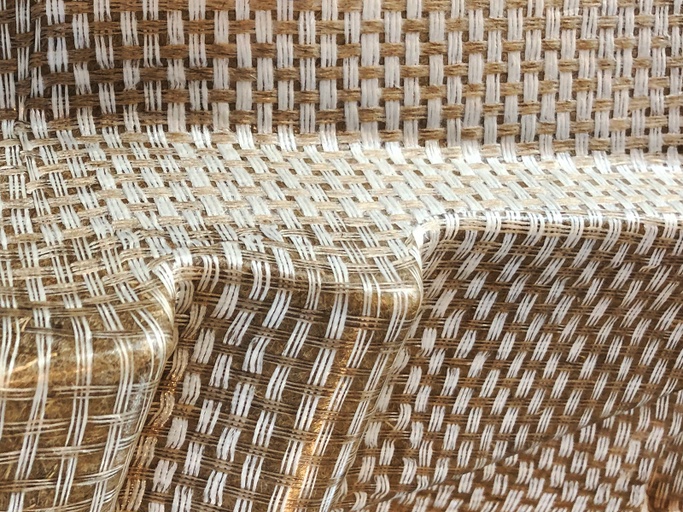
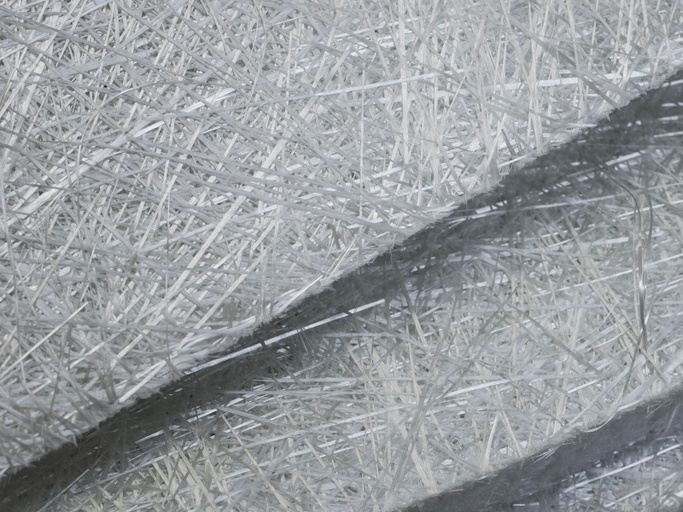
glass fibre (fibreglass)

Glass fibre (fibreglass) today

Checked as E-glass fibre: Electrical. Also known as E-glass, Fibreglass.

1.75 kg CO₂e/kgCarbon: Moderate
LowCircularity potential (estimate)
CircularTypical end of life

Concerns

Compared to other high performance fibres, such as carbon and aramid, E-glass offers a very cost-effective reinforcement suitable for a huge range of applications. It is used in laminated high-strength composites, and as a short fibre in mass-produced plastic parts, such as made from polypropylene (PP), nylon (PA) and thermoplastic polyester (PET and PBT). However, E‐glass fibres are susceptible to chloride ion attack and are unsuitable for marine applications. Full check for glass fibre (fibreglass) →

Natural, plastic free 1

Leaves plastic behind altogether. A bigger design change, with the biggest gains.

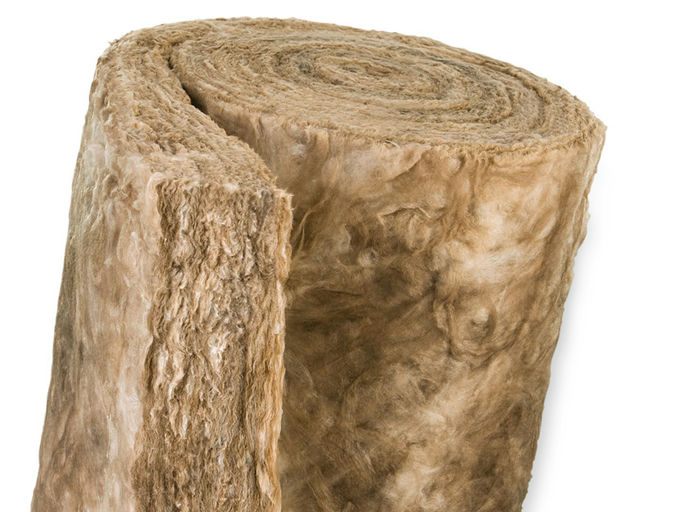
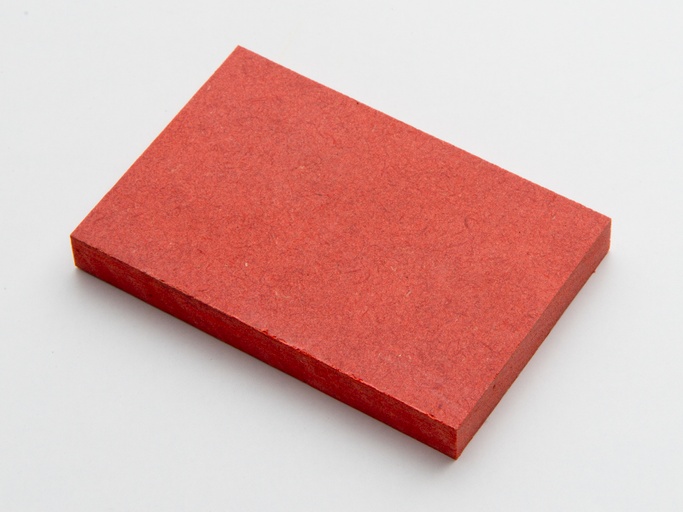
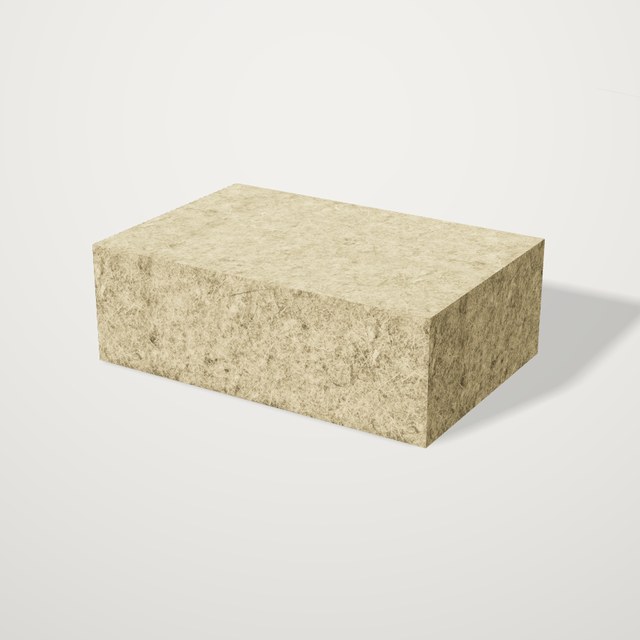
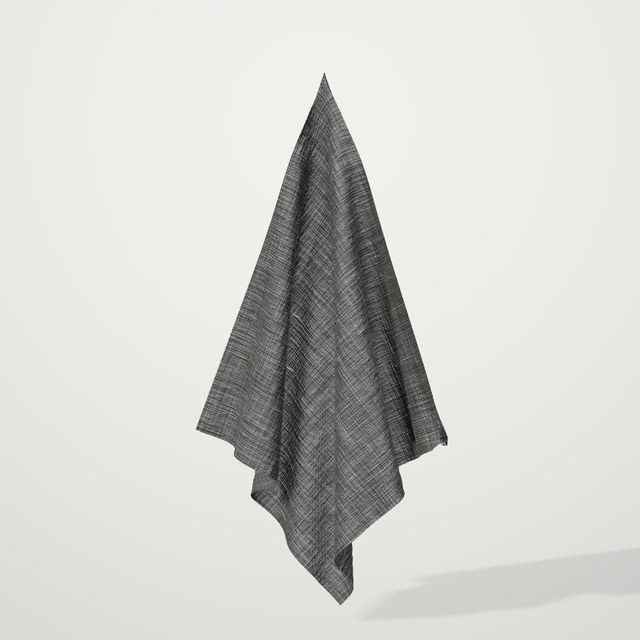
Recycled wool

Ultra low carbon
This option0.5 kg CO₂e/kgToday1.75 kg CO₂e/kg

What you gain

  • 71% less carbon
  • Higher circularity potential
  • Plastic free
  • Renewable
  • 49% lighter
  • Avoids: non-renewable ingredients, raw material generates polluting by-products

What it costs you

  • New concern: sourced from animals
  • 96% lower strength
  • About 49.7× softer
  • Max use temperature 100 °C (vs 300 °C)
Check this material →

Other options 2

Other materials that do the same job with a lower footprint.

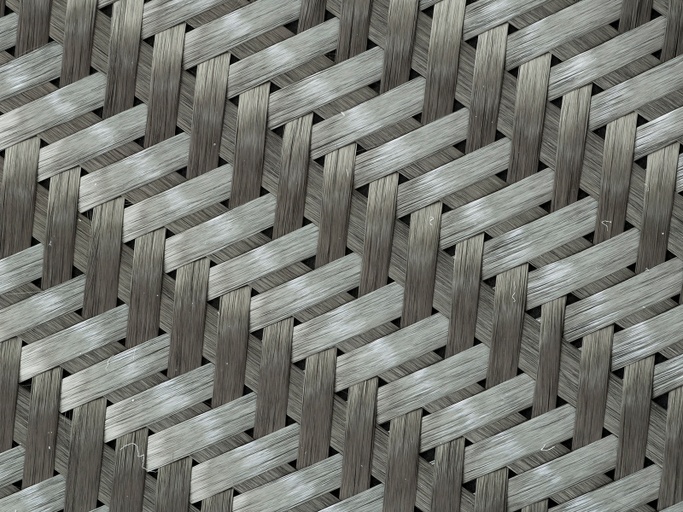
Polyamide fibre (PA)

Recycled, Econyl (Fibre)

Moderate carbon
This option1.6 kg CO₂e/kgToday1.75 kg CO₂e/kg

What you gain

  • 56% lighter
  • Avoids: non-renewable ingredients, raw material generates polluting by-products

What it costs you

  • New concern: microplastics
  • 67% lower strength
  • About 23.7× softer
  • Max use temperature 100 °C (vs 300 °C)
  • About 4.1× the cost
Check this material →

Polyester fibre

Polyethylene terephthalate (Recycled)

Moderate carbon
This option2 kg CO₂e/kgToday1.75 kg CO₂e/kg

What you gain

  • Higher circularity potential
  • 46% lighter
  • Avoids: non-renewable ingredients, raw material generates polluting by-products

What it costs you

  • 14% more carbon
  • New concern: microplastics
  • 66% lower strength
  • About 16.6× softer
  • Max use temperature 60 °C (vs 300 °C)
  • About 2.2× the cost
Check this material →

Not quite your material?

These are typical grades. The checker does the same comparison for more than 800 materials, or for every part of a product at once.

Companies working on this

Related commercial materials from the database. Listed for reference, not rated.

More guides