Alternatives guide

Alternatives to Polycarbonate

27 lower-impact options for polycarbonate, grouped by the kind of change you would be making. The best of them cuts carbon by 95% per kilogram.

polycarbonate

Polycarbonate today

Checked as Polycarbonate (PC): General purpose. Also known as Lexan, Makrolon.

3.8 kg CO₂e/kgCarbon: Moderate
LowCircularity potential (estimate)
RecycleTypical end of life

Concerns

Polycarbonate (PC) is an amorphous engineering plastic with good dimensional stability up to around 135 degC, making it suitable for structural applications and parts that demand reliability and guaranteed performance. However, similar to other members of the polyester family - polyethylene terephthalate (PET) and polybutadiene terephthalate (PBT) - PC cannot tolerate continuous exposure to warm water. After prolonged exposure to water at 60 degC its mechanical properties start to breakdown. Full check for polycarbonate →

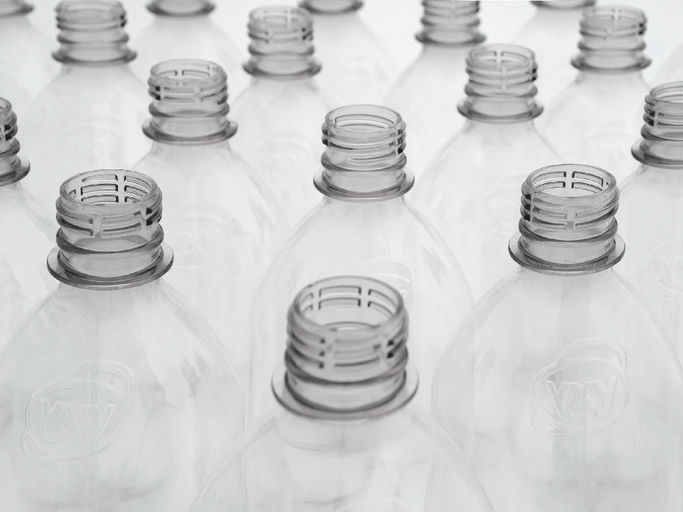
Recycled 6

Recycled grades, of the same material where one exists and of close relatives where not.

Thermoplastic polyester

Polyethylene terephthalate (Recycled)

Low carbon
This option0.7 kg CO₂e/kgToday3.8 kg CO₂e/kg

What you gain

  • 82% less carbon
  • Higher circularity potential
  • Circular end of life
  • 50% cheaper
  • Avoids: low circularity potential, non-renewable ingredients, potentially toxic in use, raw material generates polluting by-products

What it costs you

  • 16% heavier
  • Max use temperature 100 °C (vs 140 °C)
Check this material →

Polycarbonate (PC)

Recycled

Low carbon
This option0.9 kg CO₂e/kg (estimate)Today3.8 kg CO₂e/kg

What you gain

  • 76% less carbon
  • Circular end of life
  • Avoids: non-renewable ingredients, raw material generates polluting by-products

What it costs you

  • No trade-offs flagged in the data
Check this material →

Recycled high density polyethylene

Ultra low carbon
This option0.45 kg CO₂e/kgToday3.8 kg CO₂e/kg

What you gain

  • 88% less carbon
  • Higher circularity potential
  • Circular end of life
  • 21% lighter
  • 66% cheaper
  • Avoids: low circularity potential, non-renewable ingredients, potentially toxic in use, raw material generates polluting by-products

What it costs you

  • 50% lower strength
  • 50% less stiff
  • Max use temperature 80 °C (vs 140 °C)
Check this material →

See all 6 recycled options in the checker →

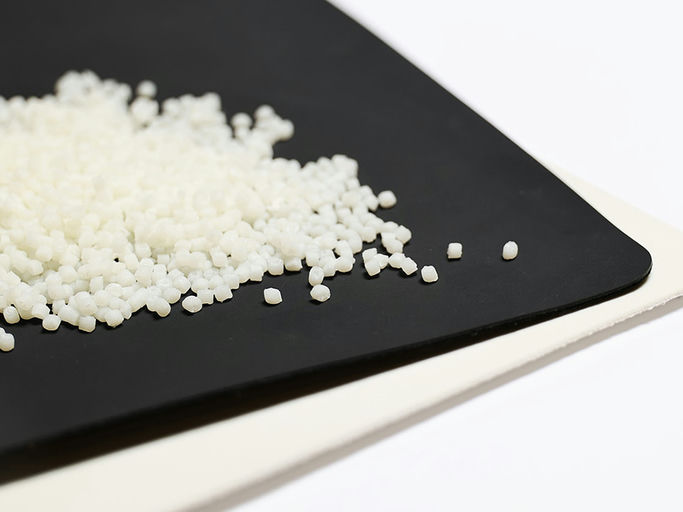
Plant-based plastic 6

Plastics made partly or wholly from plants. Usually a small change in tooling and process.

Bio-based polyethylene (Bio-based plastic)

Moderate carbon
This option1.7 kg CO₂e/kgToday3.8 kg CO₂e/kg

What you gain

  • 55% less carbon
  • Higher circularity potential
  • Renewable
  • 21% lighter
  • 50% cheaper
  • Avoids: low circularity potential, non-renewable ingredients, potentially toxic in use, raw material generates polluting by-products

What it costs you

  • 50% lower strength
  • 50% less stiff
  • Max use temperature 80 °C (vs 140 °C)
Check this material →

Thermoplastic polyester

Polyethylene furanoate (Bio-based plastic)

Low carbon
This option1.2 kg CO₂e/kgToday3.8 kg CO₂e/kg

What you gain

  • 68% less carbon
  • Higher circularity potential
  • Renewable
  • 31% cheaper
  • Avoids: non-renewable ingredients, potentially toxic in use, raw material generates polluting by-products

What it costs you

  • 19% heavier
  • Max use temperature 80 °C (vs 140 °C)
Check this material →

30% continuous flax (Laminated polypropylene composite)

Moderate carbon
This option1.7 kg CO₂e/kg (estimate)Today3.8 kg CO₂e/kg

What you gain

  • 55% less carbon
  • Higher circularity potential
  • Renewable
  • Avoids: potentially toxic in use

What it costs you

  • Max use temperature 100 °C (vs 140 °C)
2.95× stiffer.

Check this material →

See all 6 plant-based plastic options in the checker →

Natural, plastic free 5

Leaves plastic behind altogether. A bigger design change, with the biggest gains.

Spruce

Sawnwood kiln dried

Ultra low carbon
This option0.19 kg CO₂e/kgToday3.8 kg CO₂e/kg

What you gain

  • 95% less carbon
  • Higher circularity potential
  • Plastic free
  • Renewable
  • Circular end of life
  • 64% lighter
  • 67% cheaper
  • Avoids: low circularity potential, microplastics, non-renewable ingredients, potentially toxic in use, raw material generates polluting by-products

What it costs you

  • No trade-offs flagged in the data

4.82× stiffer.

Check this material →

Pine

Thermally modified timber

Low carbon
This option0.85 kg CO₂e/kgToday3.8 kg CO₂e/kg

What you gain

  • 78% less carbon
  • Higher circularity potential
  • Plastic free
  • Renewable
  • Circular end of life
  • 63% lighter
  • Avoids: low circularity potential, microplastics, non-renewable ingredients, potentially toxic in use, raw material generates polluting by-products

What it costs you

  • No trade-offs flagged in the data

4.09× stiffer.

Check this material →

Larch

Eastern, Tamarack, Western, Siberian, European, Japanese (Sawnwood kiln dried)

Ultra low carbon
This option0.19 kg CO₂e/kgToday3.8 kg CO₂e/kg

What you gain

  • 95% less carbon
  • Higher circularity potential
  • Plastic free
  • Renewable
  • Circular end of life
  • 51% lighter
  • Avoids: low circularity potential, microplastics, non-renewable ingredients, potentially toxic in use, raw material generates polluting by-products

What it costs you

  • Far more rigid (5.7× stiffer)
Check this material →

See all 5 natural, plastic free options in the checker →

Natural, with a synthetic binder or backing 6

Mostly natural, held together or backed with a synthetic resin.

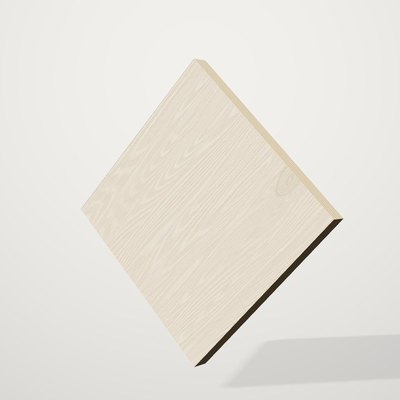
Poplar & Aspen

Hardwood plywood

Low carbon
This option0.51 kg CO₂e/kgToday3.8 kg CO₂e/kg

What you gain

  • 87% less carbon
  • Higher circularity potential
  • Renewable
  • 67% lighter
  • Avoids: microplastics

What it costs you

  • No trade-offs flagged in the data

Made a different way: Pressing.

Check this material →

Poplar & Aspen

Hardwood plywood with no added formaldehyde

Low carbon
This option0.51 kg CO₂e/kgToday3.8 kg CO₂e/kg

What you gain

  • 87% less carbon
  • Higher circularity potential
  • Renewable
  • 67% lighter
  • Avoids: microplastics

What it costs you

  • 33% more expensive

Made a different way: Pressing.

Check this material →

Birch

Hardwood plywood

Low carbon
This option0.51 kg CO₂e/kgToday3.8 kg CO₂e/kg

What you gain

  • 87% less carbon
  • Higher circularity potential
  • Renewable
  • 45% lighter
  • Avoids: microplastics, potentially toxic in use

What it costs you

  • Far more rigid (5.73× stiffer)

Made a different way: Pressing.

Check this material →

See all 6 natural, with a synthetic binder or backing options in the checker →

Glass, ceramic and stone 1

Glass, ceramic, stone and plaster options that do the same job.

Plasterboard, drywall (Gypsum board)

Ultra low carbon
This option0.35 kg CO₂e/kgToday3.8 kg CO₂e/kg

What you gain

  • 91% less carbon
  • Higher circularity potential
  • Plastic free
  • 37% lighter
  • 89% cheaper
  • Avoids: microplastics, potentially toxic in use

What it costs you

  • 98% lower strength
  • Max use temperature 100 °C (vs 140 °C)
Check this material →

Other plastics 3

Other materials that do the same job with a lower footprint.

60% continuous flax (Laminated polypropylene composite)

Moderate carbon
This option1.35 kg CO₂e/kg (estimate)Today3.8 kg CO₂e/kg

What you gain

  • 64% less carbon
  • Higher circularity potential
  • Renewable
  • Avoids: potentially toxic in use

What it costs you

  • Far more rigid (9.55× stiffer)
  • Max use temperature 100 °C (vs 140 °C)
  • 67% more expensive
Check this material →

Polypropylene (PP)

Compression moulded with 40% random oriented long flax fibre (Moulded bio-based composite)

Moderate carbon
This option1.6 kg CO₂e/kgToday3.8 kg CO₂e/kg

What you gain

  • 58% less carbon
  • Higher circularity potential
  • Renewable
  • Avoids: potentially toxic in use

What it costs you

  • Max use temperature 100 °C (vs 140 °C)
4× stiffer.

Check this material →

50% continuous flax (Laminated polypropylene composite)

Moderate carbon
This option1.5 kg CO₂e/kg (estimate)Today3.8 kg CO₂e/kg

What you gain

  • 61% less carbon
  • Higher circularity potential
  • Renewable
  • Avoids: potentially toxic in use

What it costs you

  • Far more rigid (9.09× stiffer)
  • Max use temperature 100 °C (vs 140 °C)
  • 50% more expensive
Check this material →

Not quite your material?

These are typical grades. The checker does the same comparison for more than 800 materials, or for every part of a product at once.

Companies working on this

Related commercial materials from the database. Listed for reference, not rated.

More guides