Green steel (Low carbon)
Ultra low carbonWhat you gain
- 76% less carbon
- Circular end of life
- Avoids: non-renewable ingredients, raw material generates polluting by-products
What it costs you
- 69% more expensive
Alternatives guide
11 lower-impact options for mild steel, grouped by the kind of change you would be making. The best of them cuts carbon by 76% per kilogram.
Checked as Carbon steel: Mild steel.
Concerns
Low carbon steels, also called mild steel, have a good balance of toughness, strength and ductility. They are classified by having less than 0.3% carbon (C) by weight. They are easier to form, machine and weld than high-carbon steel. However, they are not as strong or hard, and they have poor resistance to corrosion - they are painted, powder coated, galvanised or plated for protection. Full check for mild steel →
Recycled grades, of the same material where one exists and of close relatives where not.
Mostly natural, held together or backed with a synthetic resin.
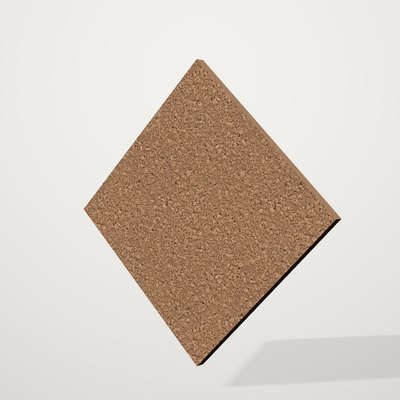
Made a different way: Moulding.
Check this material →Glass, ceramic, stone and plaster options that do the same job.
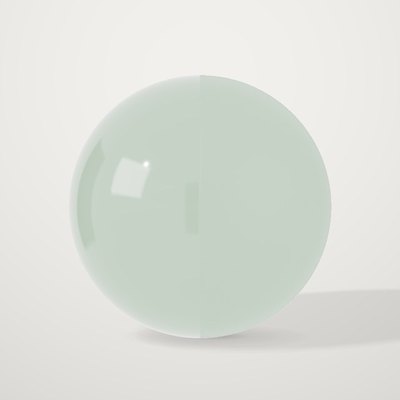
Soda lime glass
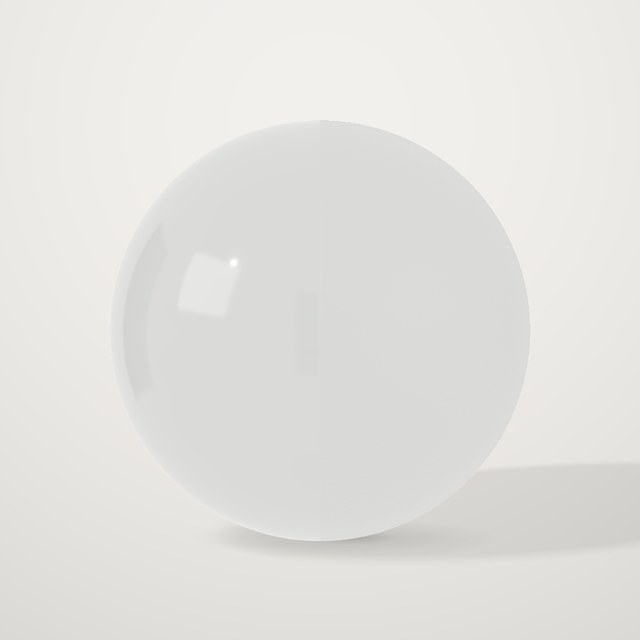
Soda lime glass
Float glass
These are typical grades. The checker does the same comparison for more than 800 materials, or for every part of a product at once.
Related commercial materials from the database. Listed for reference, not rated.
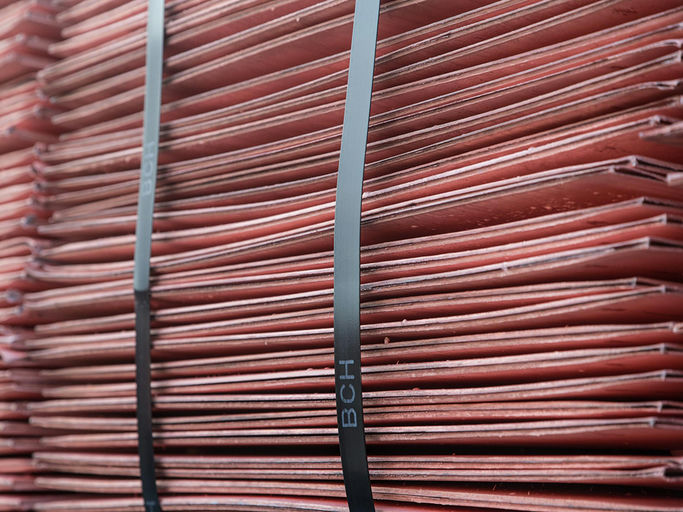 Boliden recycled copperCopper mining and smelting have a significant carbon footprint. The global average, according to the International Copper Association (ICA), is 2.3 kgCO2e/kg. Boliden low-carbon copper, produced with renewable energy…Image: Boliden
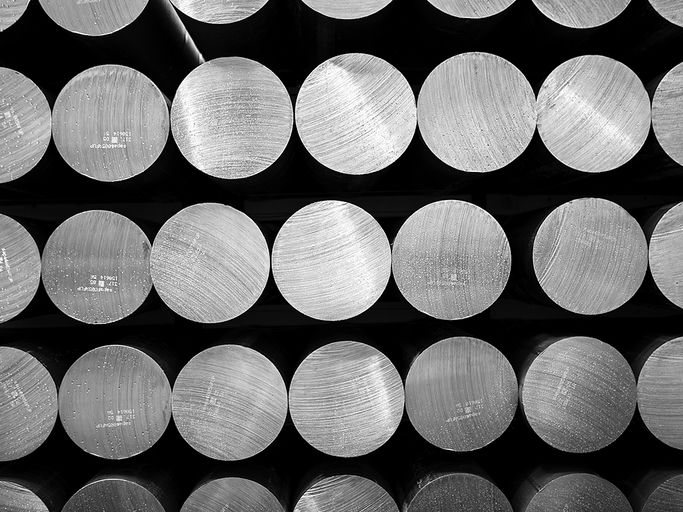 Hydro Reduxa aluminium alloysHydro Reduxa is a series of certified low-carbon aluminium alloys. While the average kgCO2/kg for aluminium is 16.7, Hydro Reduxa has a maximum of 4.0. The reduction is achieved through the use of renewable energy…Image: Hydro
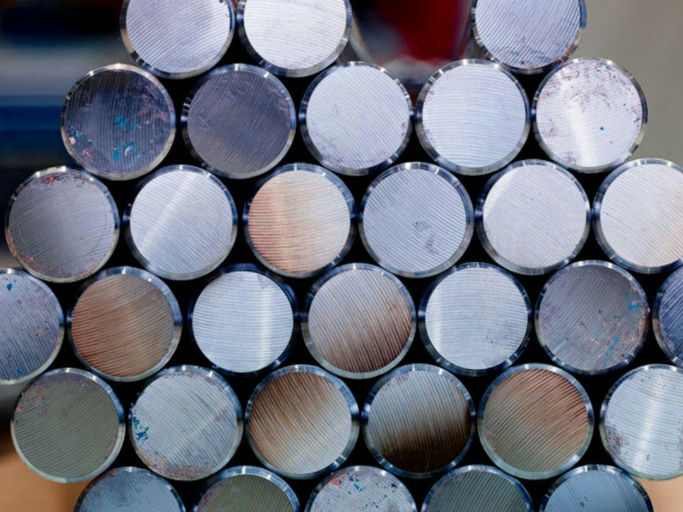 Ovako recycled steelOvako products consist of an average of 97% recycled steel scrap, according to the company (around 800,000 tons per year). Ovako mills recycle their own steel scrap, as well as scrap from downstream manufacturing…Image: Ovako
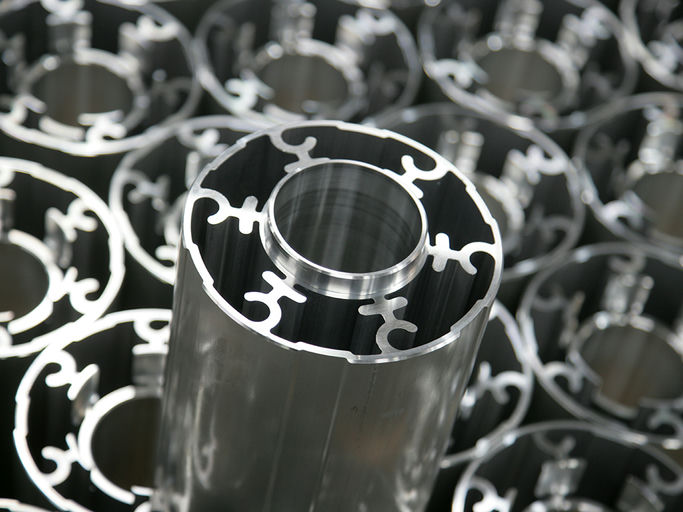 Hydro Circal 75R aluminium alloyHydro Circal 75R is recycled aluminium made up of a minimum of 75% post-consumer scrap, such as window frames, doors and facades that have reached the end of their life. The balance being a combination of manufacturing…Image: Hydro
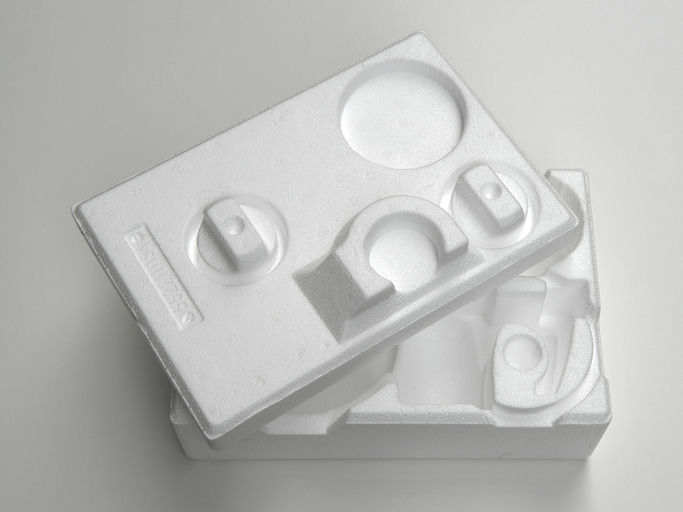 EPS (Styrofoam)
 ABS plastic
 PVC (vinyl)
 Polycarbonate
 Polypropylene (PP)
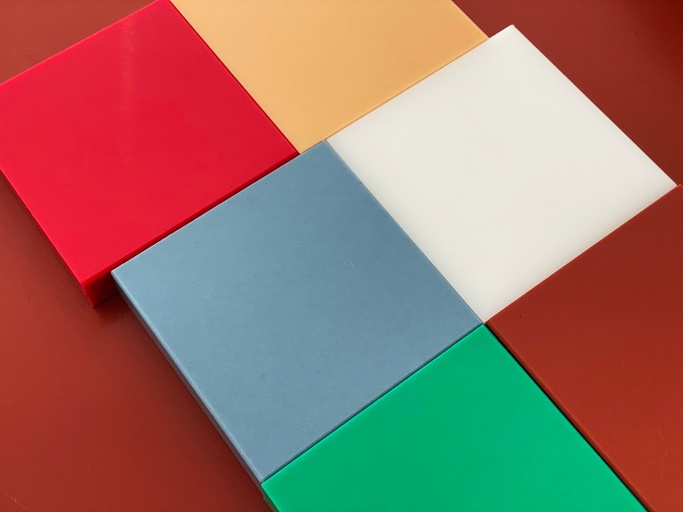 HDPE
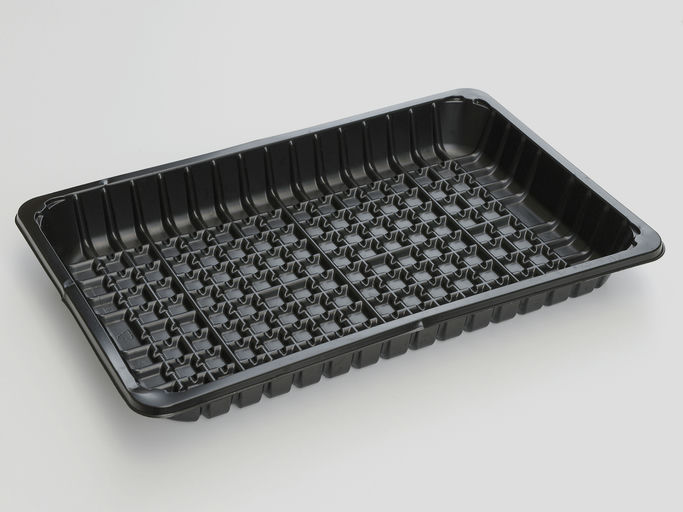 PET plastic
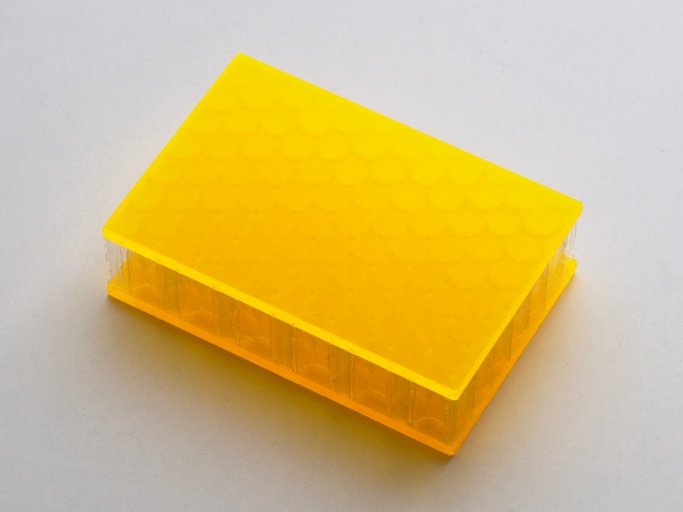 Acrylic (PMMA, Plexiglas)
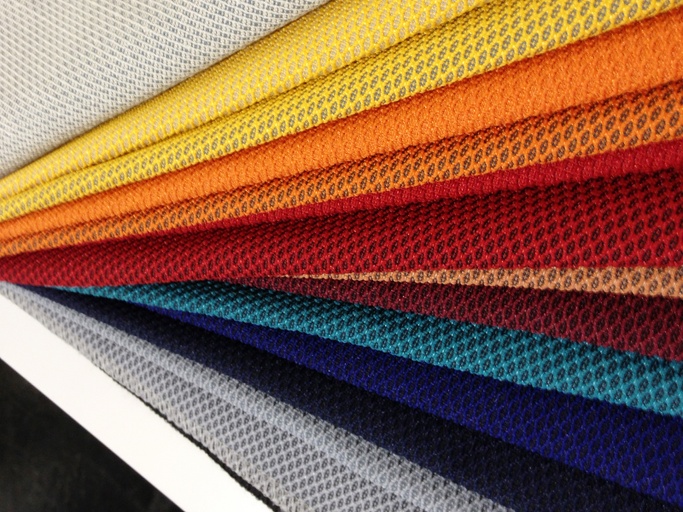 Nylon (PA6)
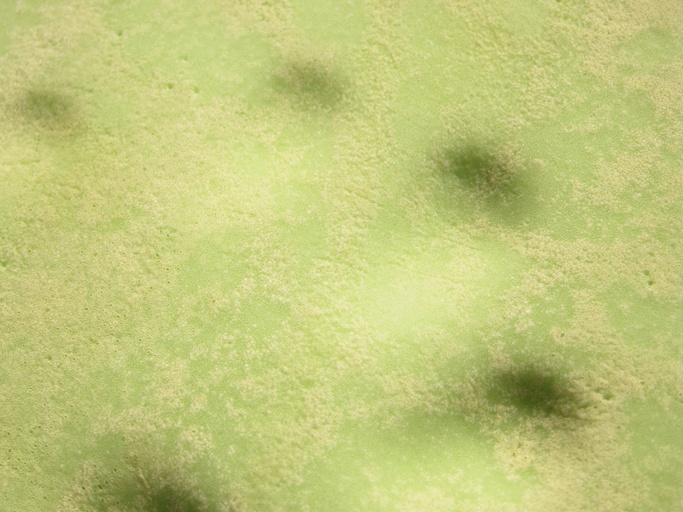 Flexible polyurethane foam
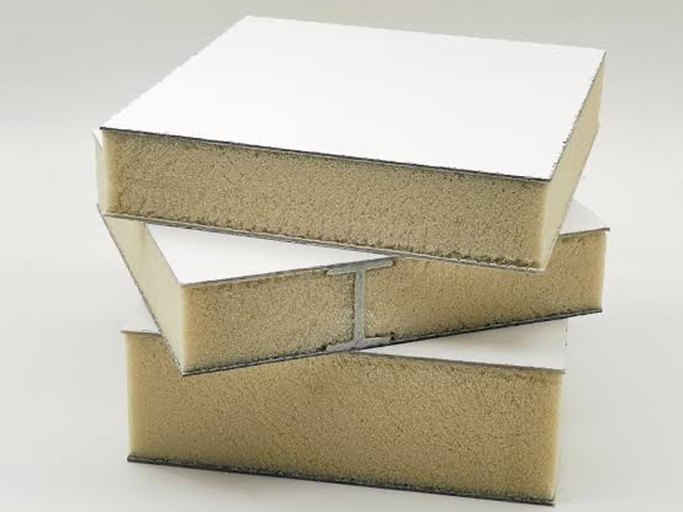 Rigid polyurethane insulation
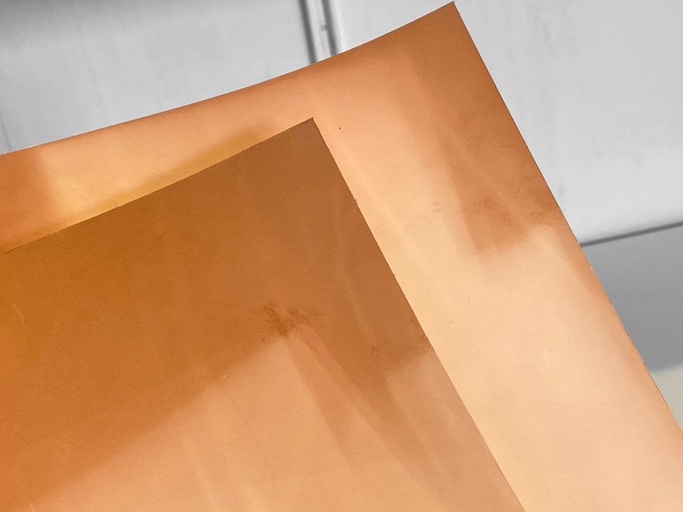 Cow leather
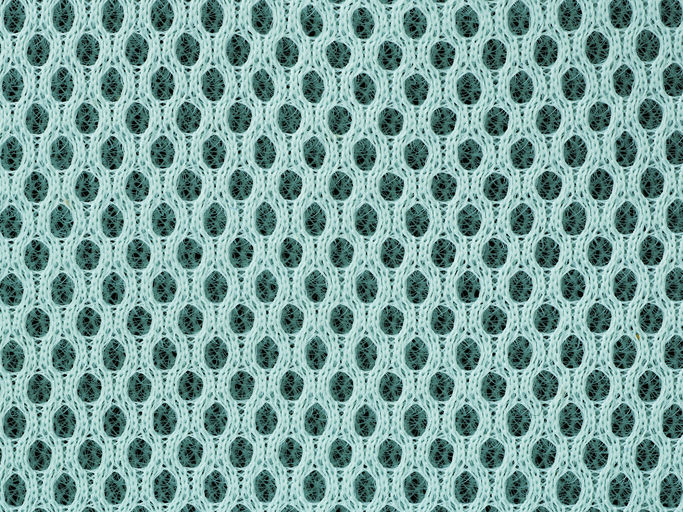 Polyester fabric
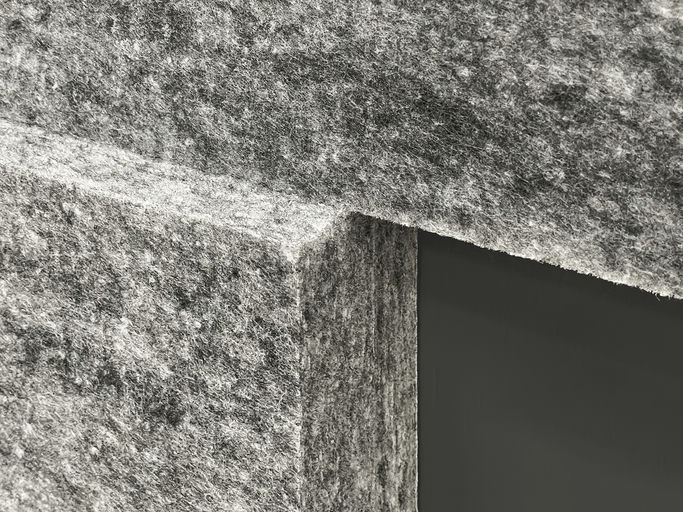 PET felt acoustic panels
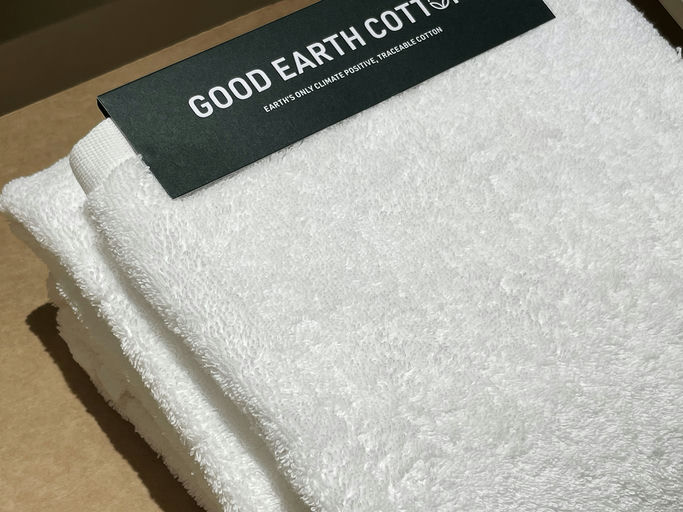 Cotton
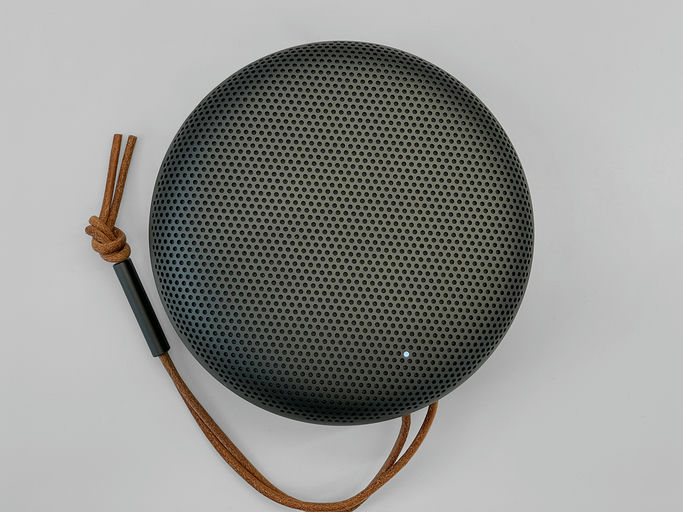 Aluminium
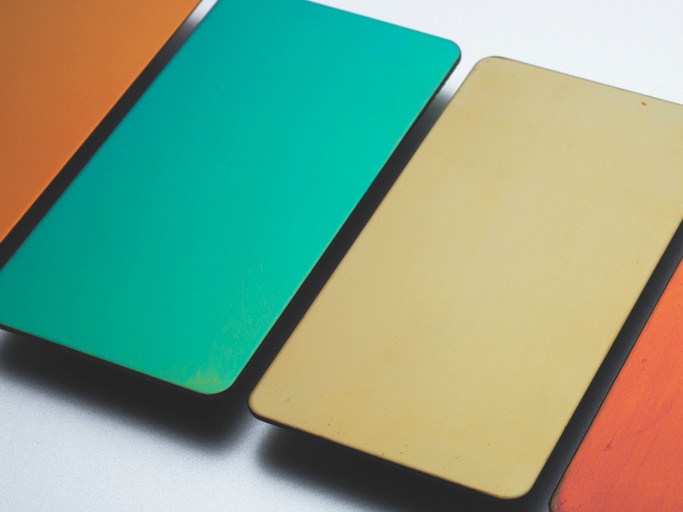 Stainless steel
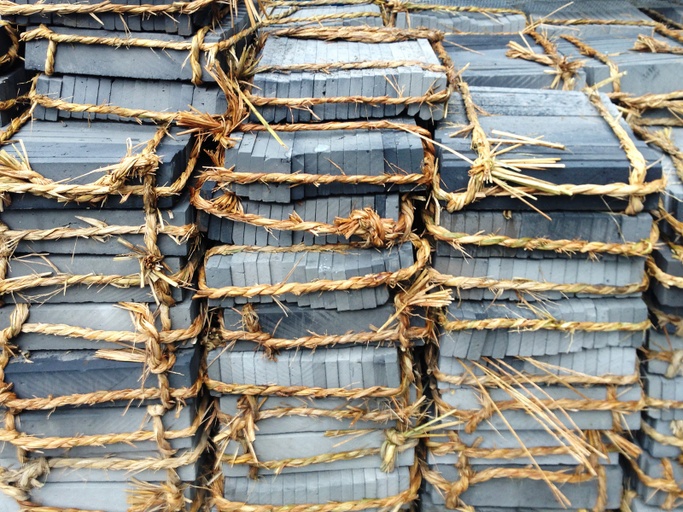 Concrete
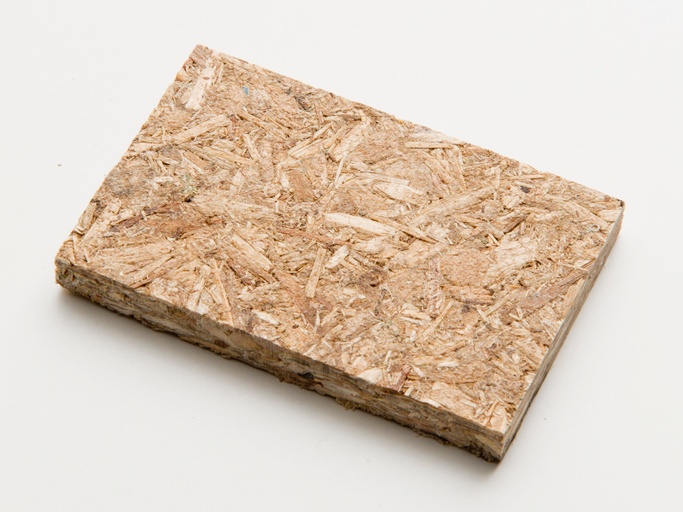 Particleboard (chipboard)
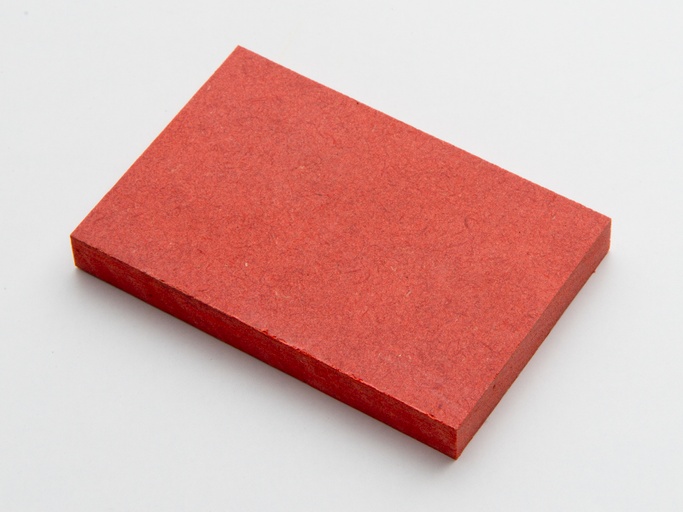 MDF
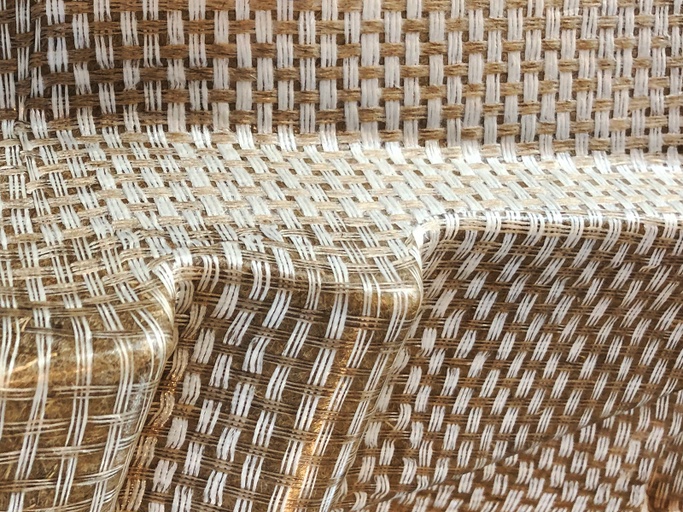 Epoxy resin
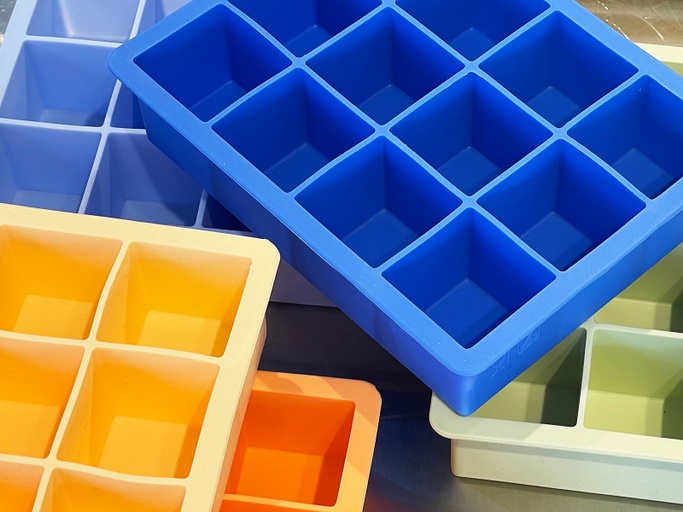 Silicone rubber
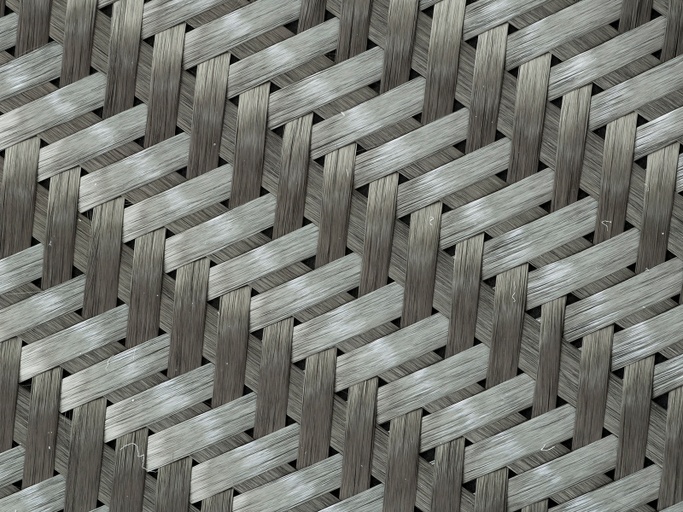 Carbon fibre
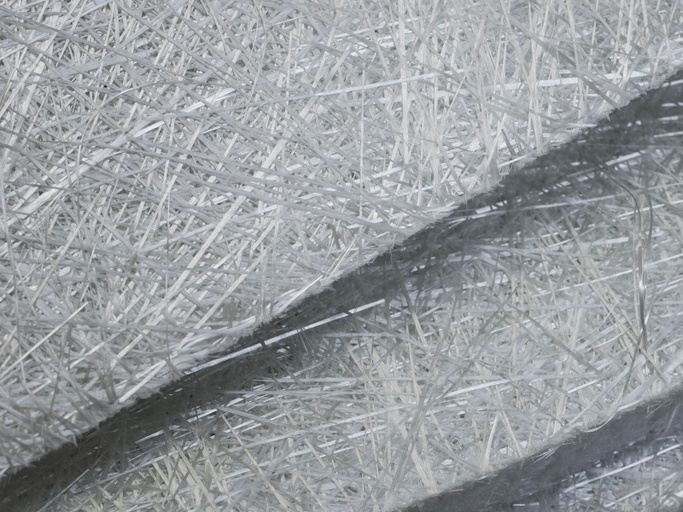 Glass fibre (fibreglass)
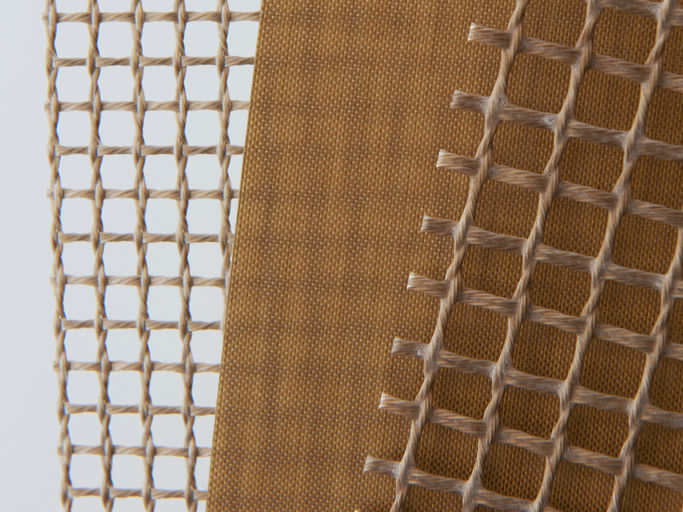 PTFE (Teflon)
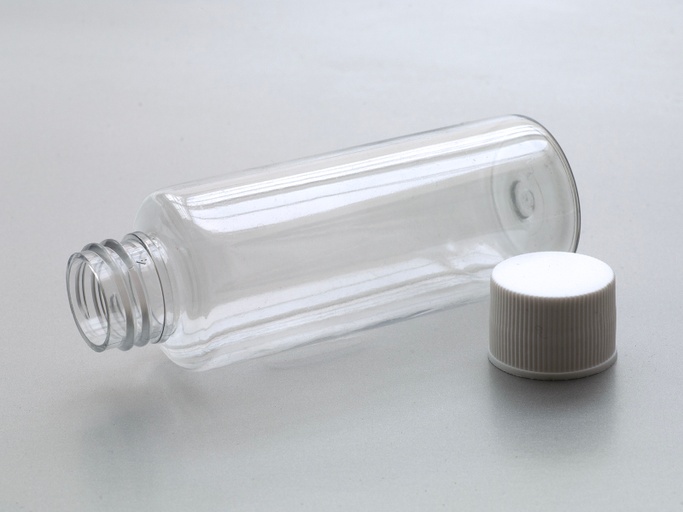 PLA bioplastic
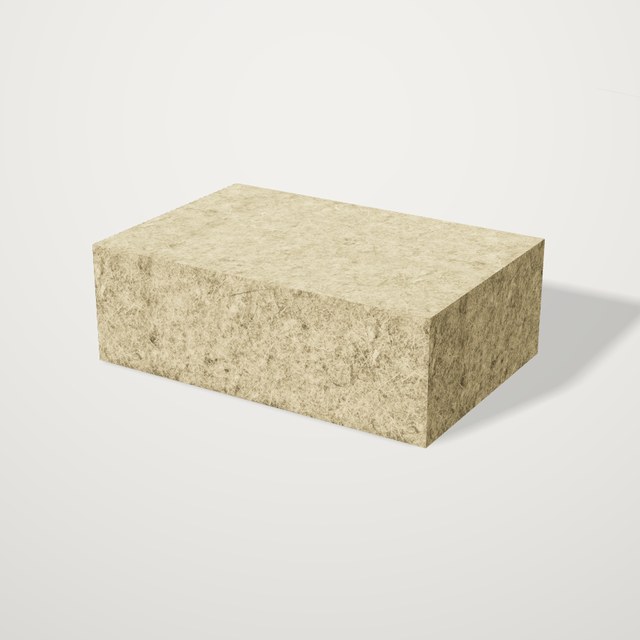 Stone wool insulation
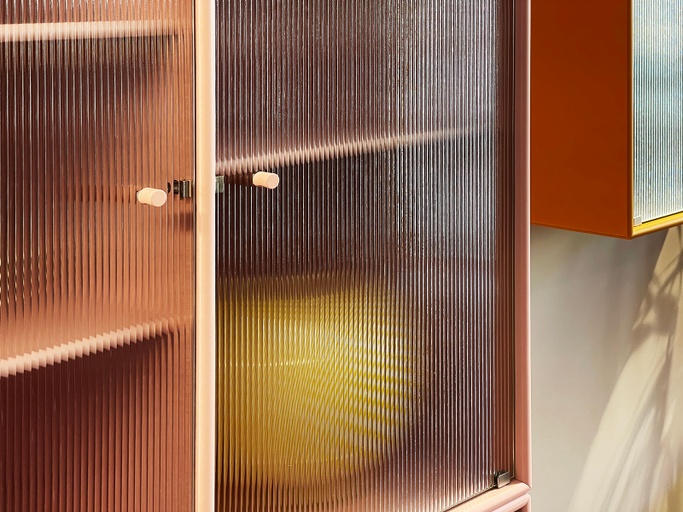 Float glass
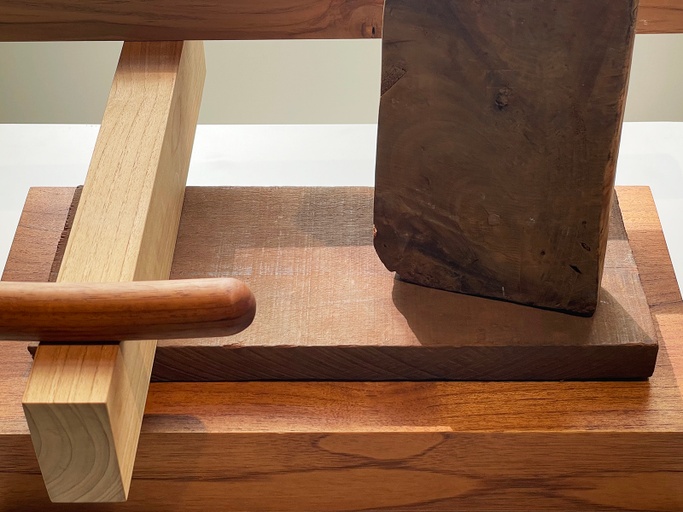 Teak