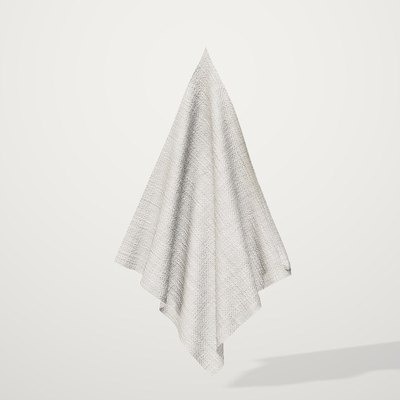
Cotton
Recycled
Low carbonWhat you gain
- 74% less carbon
- Avoids: raw material generates polluting by-products
What it costs you
- No trade-offs flagged in the data
Alternatives guide
9 lower-impact options for cotton, grouped by the kind of change you would be making. The best of them cuts carbon by 88% per kilogram.
Checked as Cotton: Fibre.
Concerns
Most cotton goes into apparel - tops, trousers, undergarments, t-shirts, dresses, skirts, nightwear, scarves, shawls, linings - and many fabrics have evolved around its specific qualities. For example, denim (workwear), terry (towels, robes and dressing gowns), velveteen, corduroy and seersucker. Densely woven cotton, such as Ventile, is naturally weatherproof. Full check for cotton →
Recycled grades, of the same material where one exists and of close relatives where not.
Cotton
Leaves plastic behind altogether. A bigger design change, with the biggest gains.
Grass
Coir
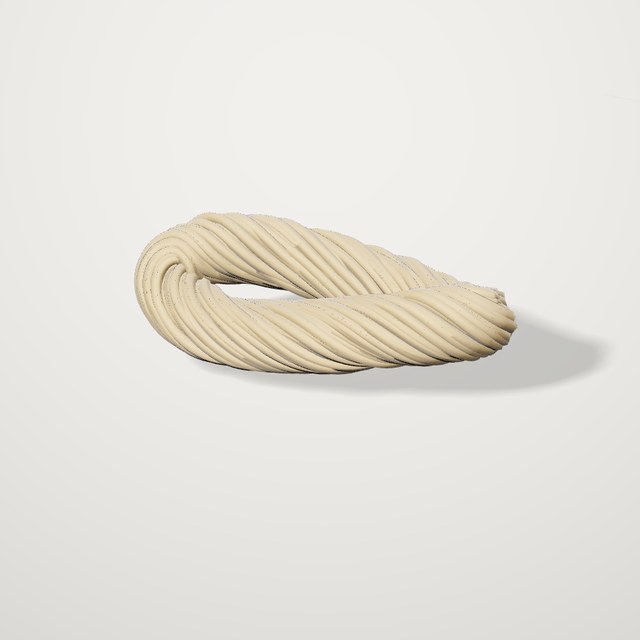
Jute fibre
4.64× stiffer.
Check this material →Mostly natural, held together or backed with a synthetic resin.
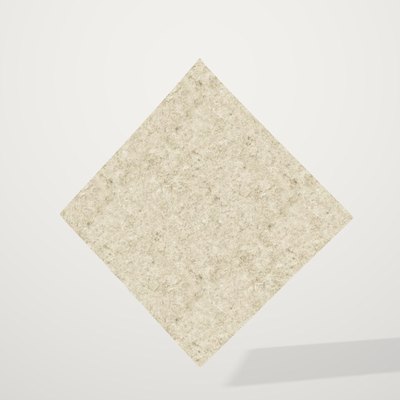
Density not comparable (fibre vs. felt or batt). Carbon is a family-level figure.
Check this material →Other materials that do the same job with a lower footprint.
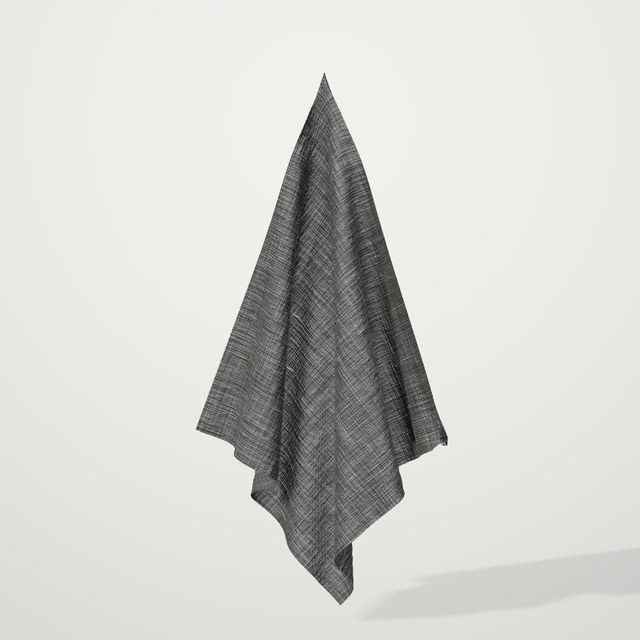
Polyester fibre
These are typical grades. The checker does the same comparison for more than 800 materials, or for every part of a product at once.
Related commercial materials from the database. Listed for reference, not rated.
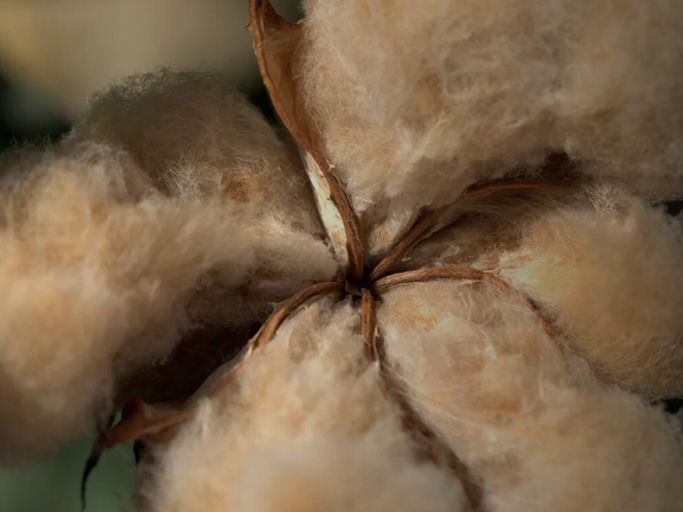 SÖKTAŞ naturally coloured cottonSÖKTAŞ naturally coloured cotton avoids the process of dyeing - the most polluting part of the textile production process - thereby avoiding all of the associated water and chemical use. The cotton is grown on the…Image: SÖKTAŞ
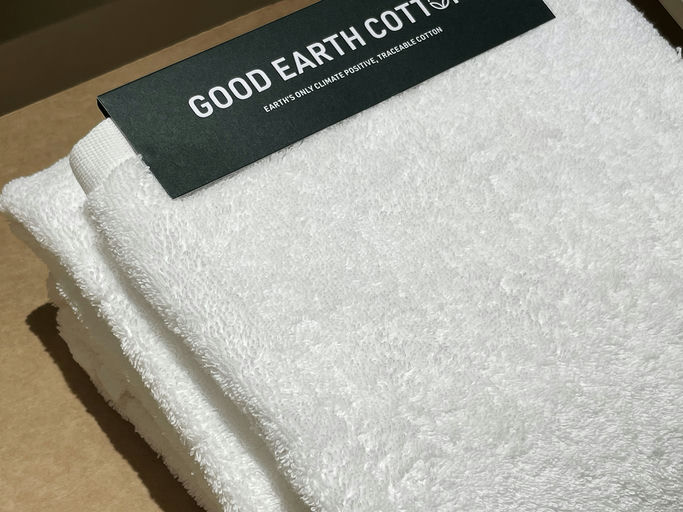
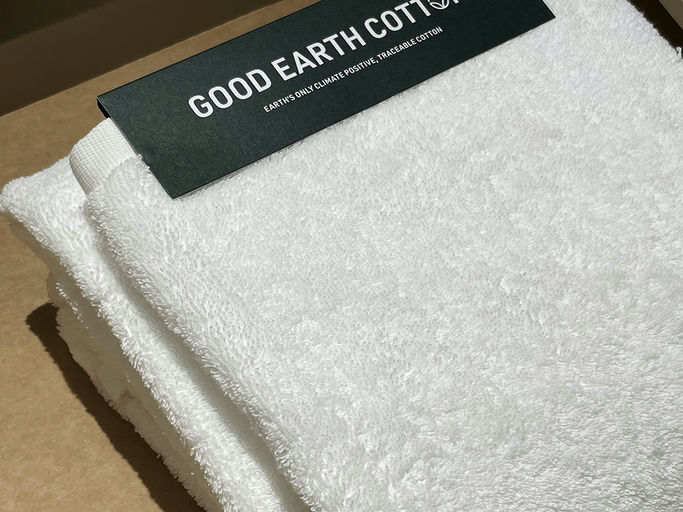 Good Earth CottonGood Earth Cotton is a regenerative cotton farming programme based at Keytah farm in Moree, Australia. The company describes it as the first carbon-positive cotton farm, although no verifier or figures were found. The…Image: Good Earth CottonHarald 3 cotton upholstery and curtain textile by KvadratHarald 3 is a heavy, durable fabric of 100% combed cotton from Kvadrat, the Danish textile company, used for both upholstery and curtains. It was originally designed by Fanny Aronsen, with a colour palette conceived by…
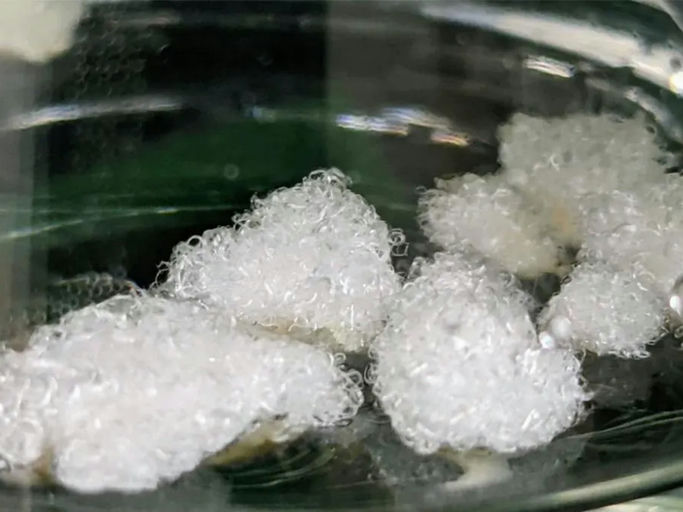 Galy lab-grown cottonEven though still in the lab, Galy promise their lab-grown Literally Cotton will be less susceptible to weather and environmental influences, in stable quantities and at stable prices. Instead of harvesting plants, the…Image: Galy
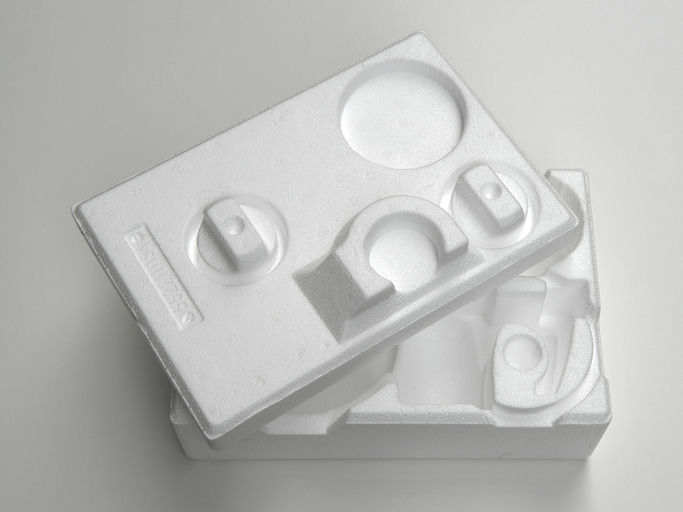 EPS (Styrofoam)
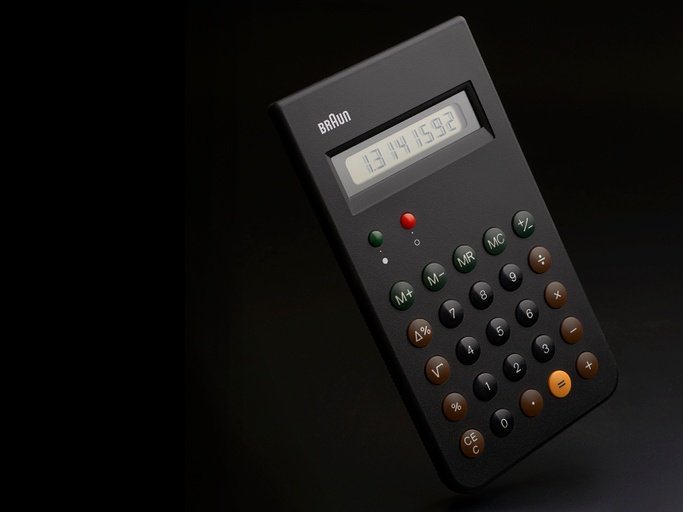 ABS plastic
 PVC (vinyl)
 Polycarbonate
 Polypropylene (PP)
 HDPE
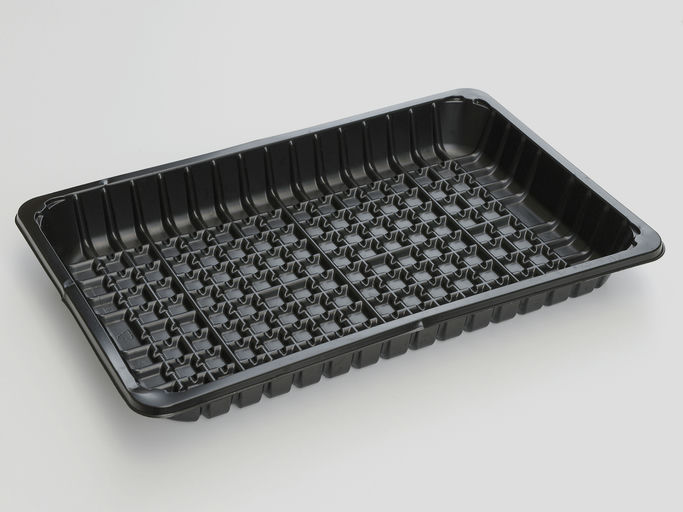 PET plastic
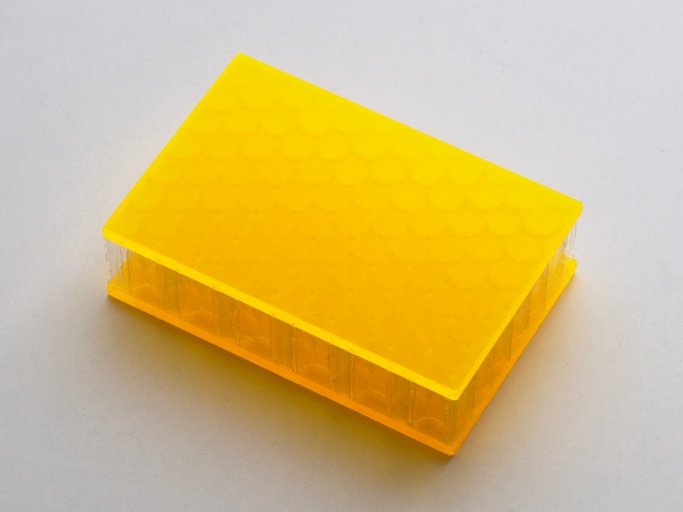 Acrylic (PMMA, Plexiglas)
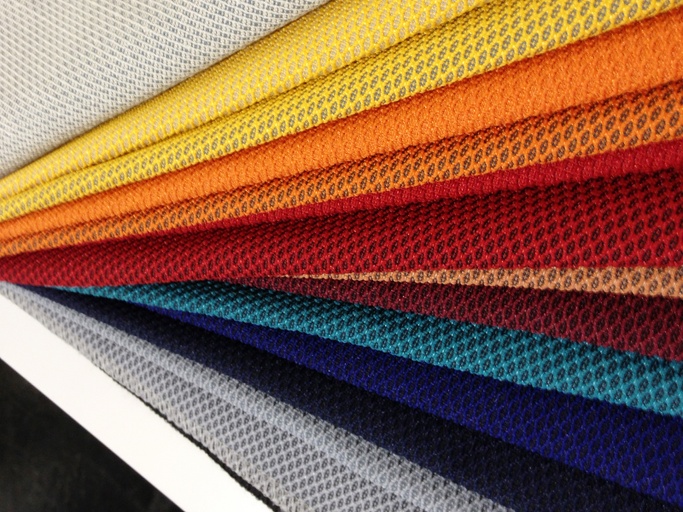 Nylon (PA6)
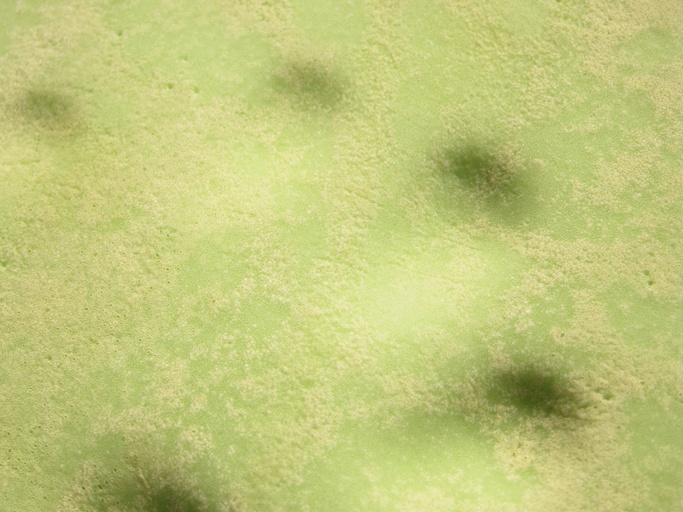 Flexible polyurethane foam
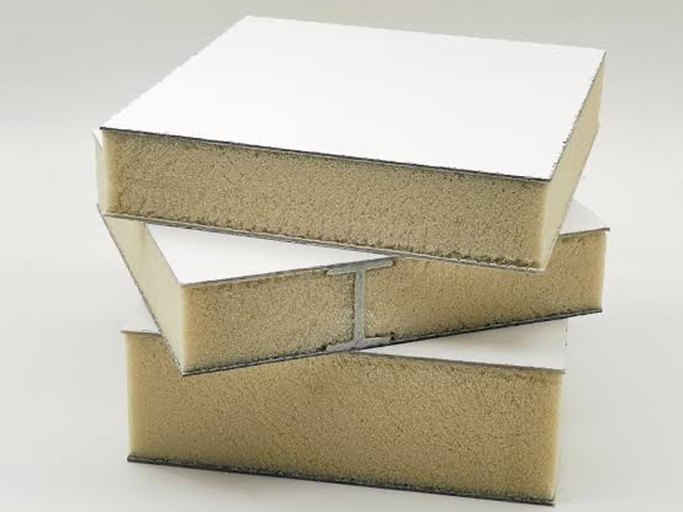 Rigid polyurethane insulation
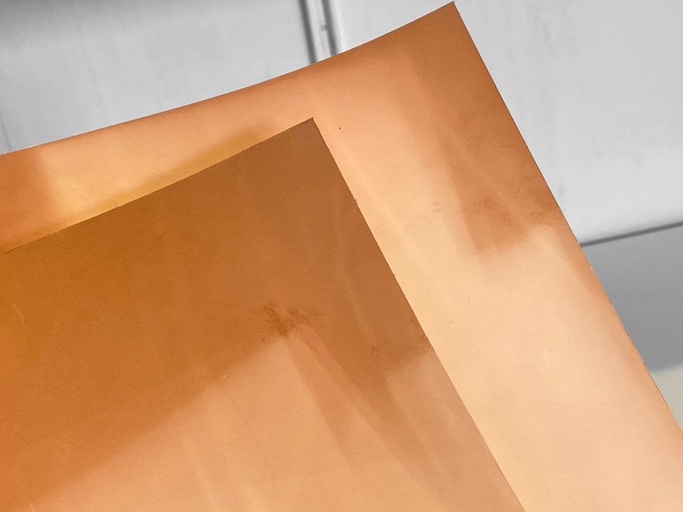 Cow leather
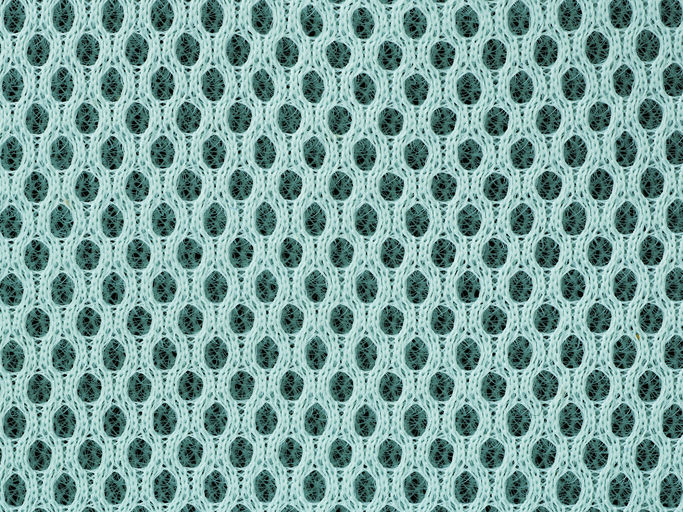 Polyester fabric
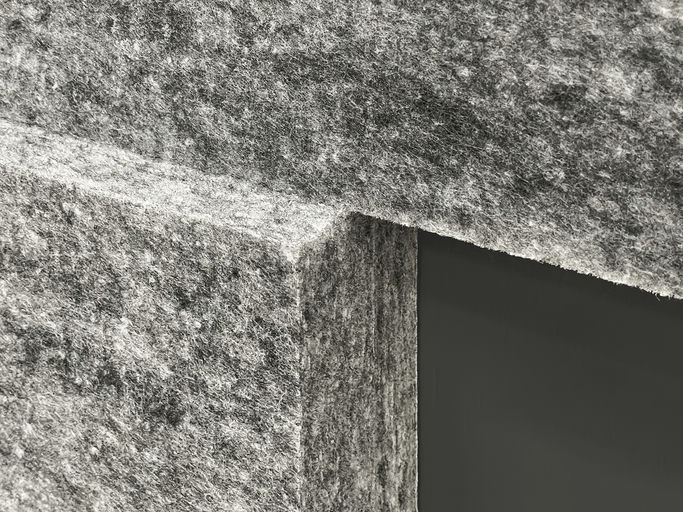 PET felt acoustic panels
 Aluminium
 Stainless steel
 Mild steel
 Concrete
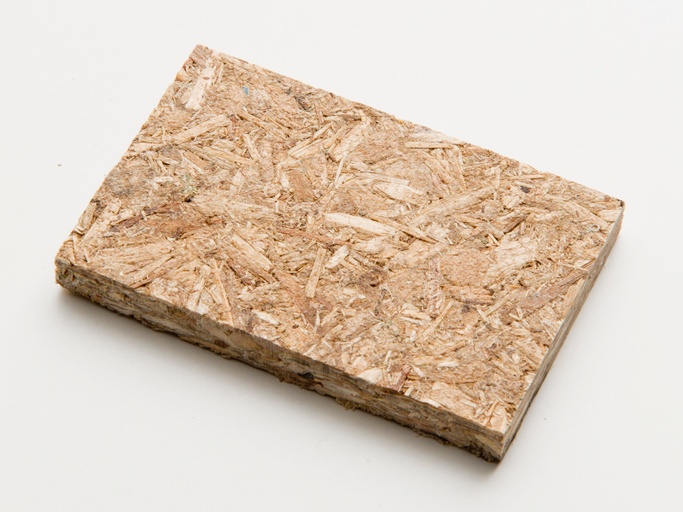 Particleboard (chipboard)
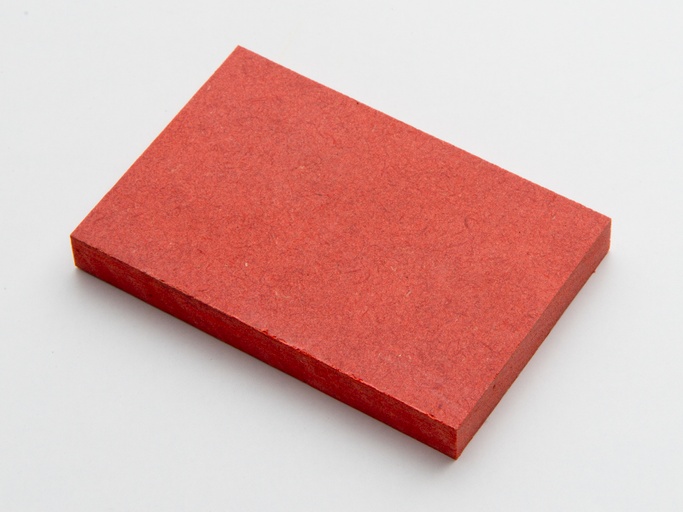 MDF
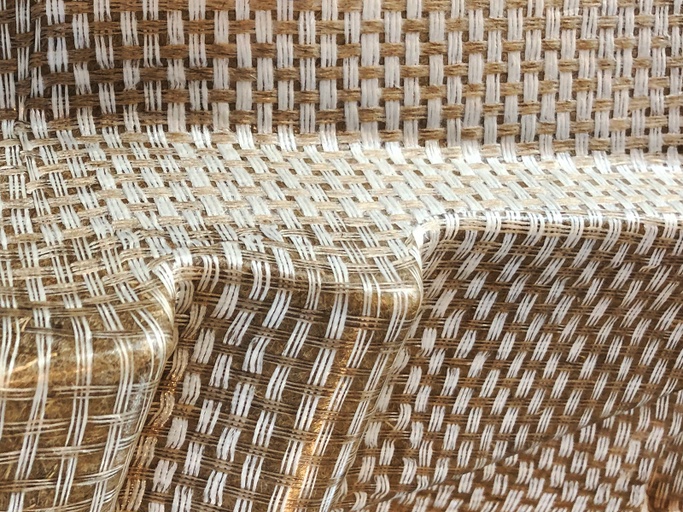 Epoxy resin
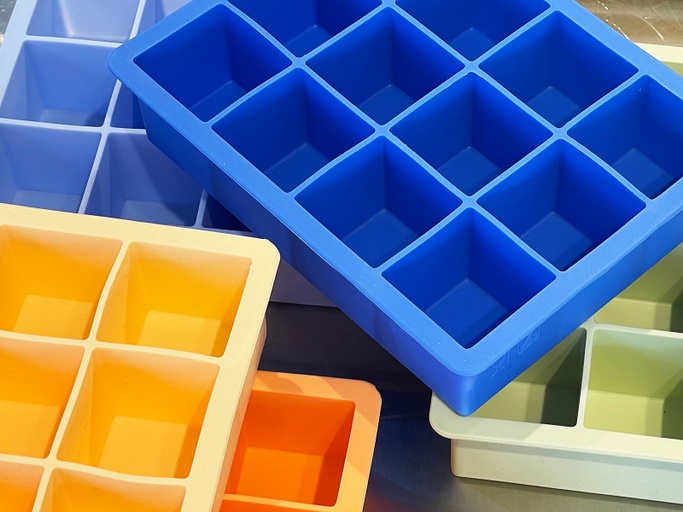 Silicone rubber
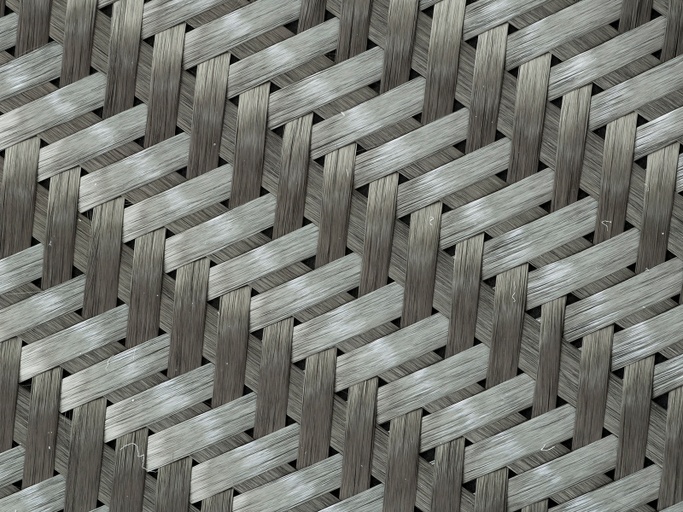 Carbon fibre
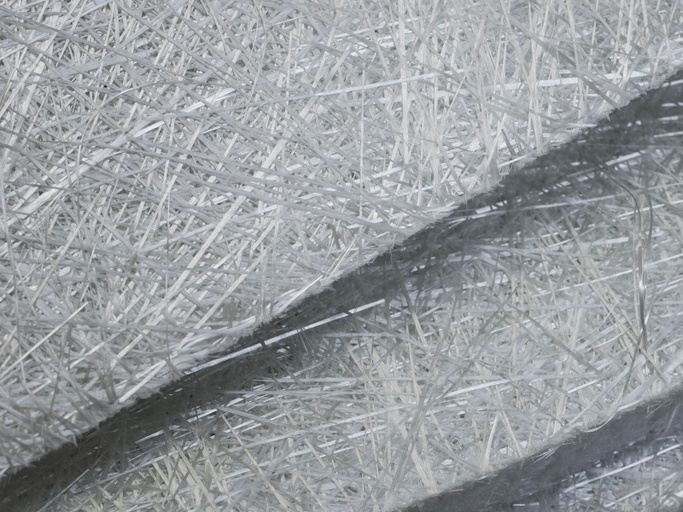 Glass fibre (fibreglass)
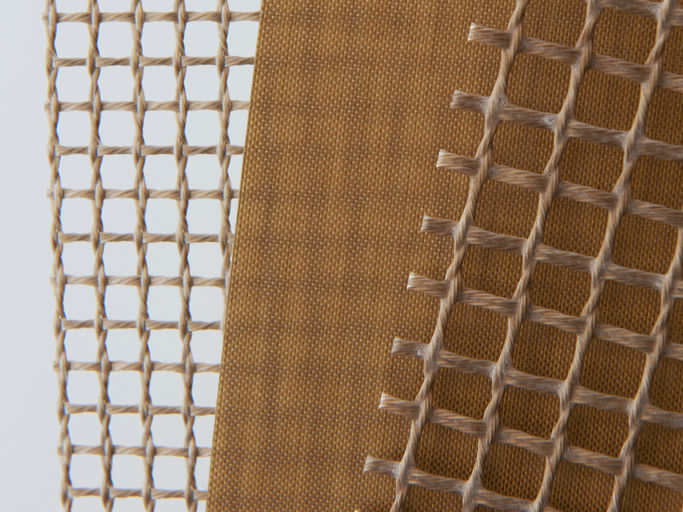 PTFE (Teflon)
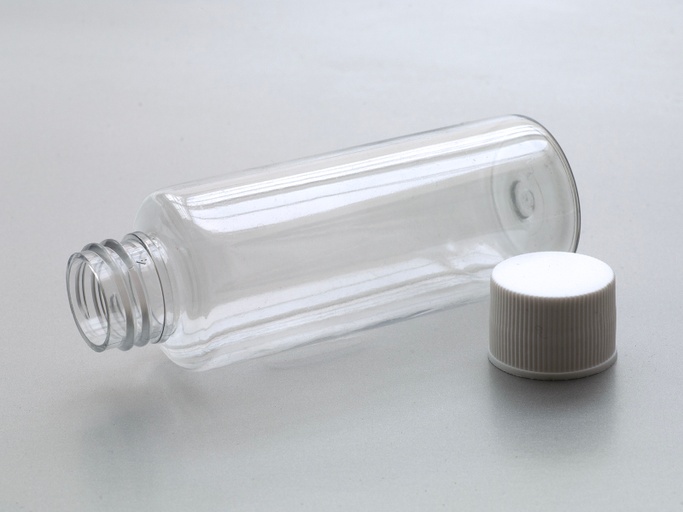 PLA bioplastic
 Stone wool insulation
 Float glass
 Teak