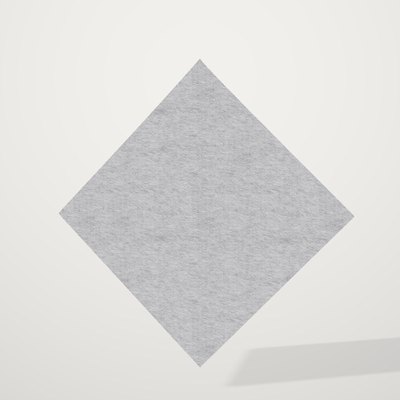
Polyester fibre
Recycled PET nonwoven felt / acoustic panel
Moderate carbonWhat you gain
- 44% less carbon
What it costs you
- 50% more expensive
Alternatives guide
13 lower-impact options for PET felt acoustic panels, grouped by the kind of change you would be making. The best of them cuts carbon by 92% per kilogram.
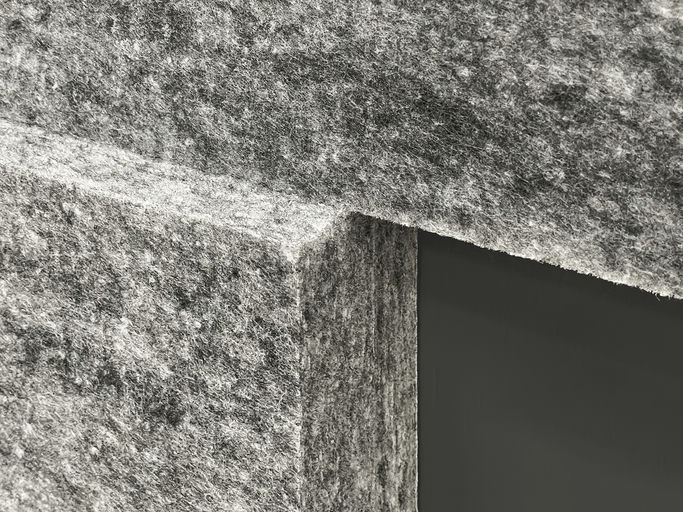
Checked as Polyester fibre: Nonwoven acoustic panel, PET felt.
Concerns
Nonwoven polyester (PET) felt is made by laying polyester fibres into a web, needle punching it and bonding it with heat, typically using bicomponent fibres with a low-melt sheath, so no separate glue is needed. Compressed into boards around 6-25 mm thick, it is one of the most widely used materials for acoustic panels, wall and ceiling tiles, baffles, desk screens and room dividers. Full check for PET felt acoustic panels →
Recycled grades, of the same material where one exists and of close relatives where not.
Polyester fibre
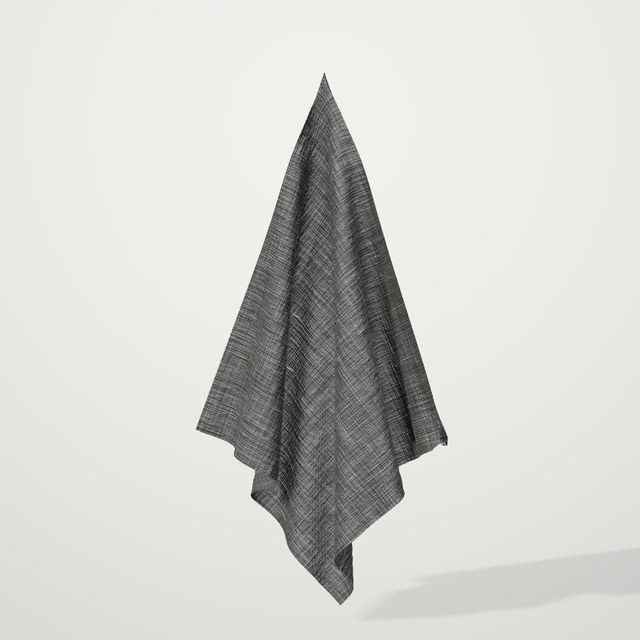
Polyester fibre
Density not comparable (fibre vs. felt or batt).
Check this material →Leaves plastic behind altogether. A bigger design change, with the biggest gains.
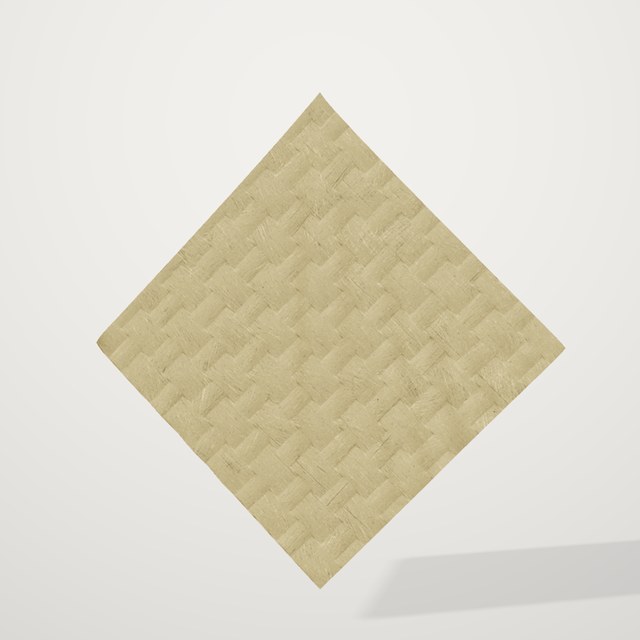
Grass
Density not comparable (fibre vs. felt or batt).
Check this material →
Cork
A board or panel, not a felt: does the same job (acoustics, sound absorbing, thermal insulation).
Check this material →
A board or panel, not a felt: does the same job (acoustics, sound absorbing, thermal insulation).
Check this material →Mostly natural, held together or backed with a synthetic resin.
Density not comparable (fibre vs. felt or batt). Carbon is a family-level figure.
Check this material →Glass, ceramic, stone and plaster options that do the same job.
Mineral wool
Density not comparable (fibre vs. felt or batt).
Check this material →
Mineral wool
A board or panel, not a felt: does the same job (sound absorbing, thermal insulation).
Check this material →Other materials that do the same job with a lower footprint.
Density not comparable (fibre vs. felt or batt).
Check this material →These are typical grades. The checker does the same comparison for more than 800 materials, or for every part of a product at once.
Related commercial materials from the database. Listed for reference, not rated.
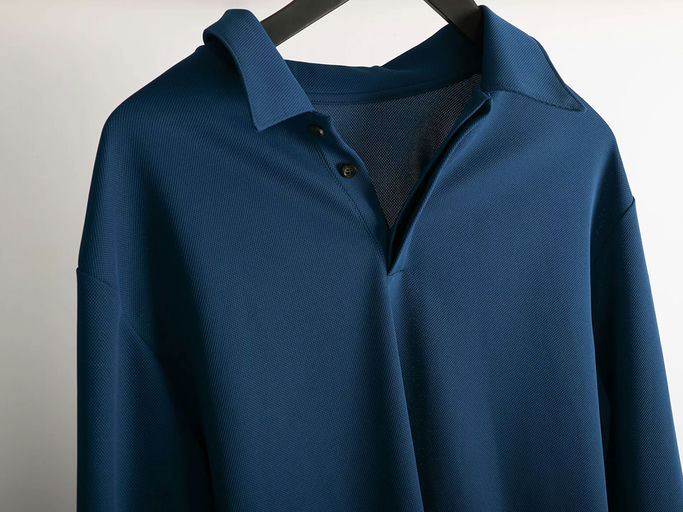 Syre chemically recycled polyesterBacked by H&M Group, Syre have developed a chemical recycling process to convert waste polyester (PET) textiles into new fibres. The polyester, derived from post-consumer waste and direct industry waste from factories,…Image: Syre
 Cycora chemically recycled polyesterAmbercycle have developed a chemical recycling process that converts waste polyethylene terephthalate (PET), polyester, fibre and textiles into raw materials without any loss of quality. The resulting regenerated…Image: Ambercycle
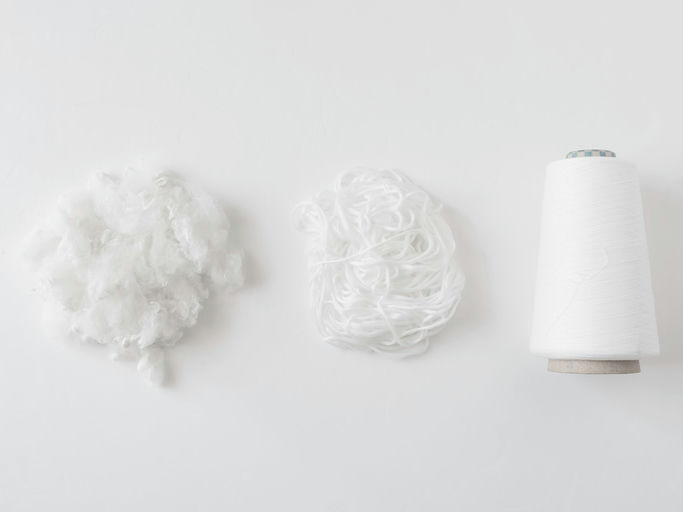 NaNea biodegradable polyester fibreOceanSafe have developed a 25-30% bio-based polyethylene terephthalate (PET), polyester, that is biodegradable in soil, marine and landfill. In marine water it biodegrades by >93% within 99 days (tested to ASTM D6691),…Image: OceanSafe
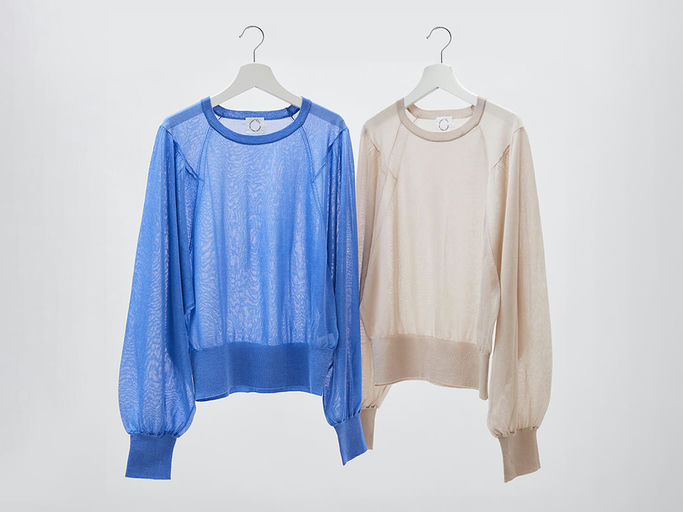 Circ Polyester fibreCirc have developed a hydrothermal process for recycling mixed textiles made up of cotton and polyester, like polycotton. With their technology, it is possible to extract both materials separately and convert them into…Image: Circ
 EPS (Styrofoam)
 ABS plastic
 PVC (vinyl)
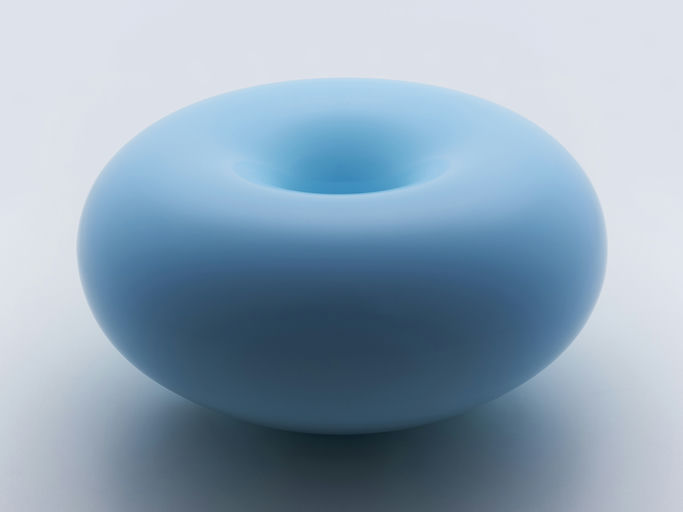 Polycarbonate
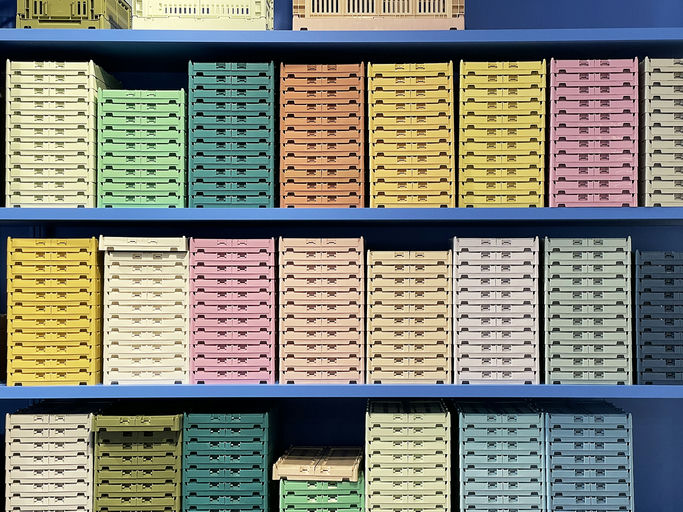 Polypropylene (PP)
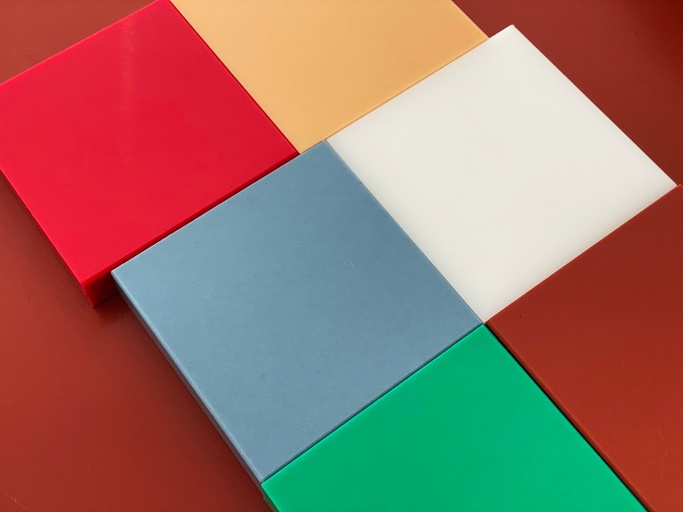 HDPE
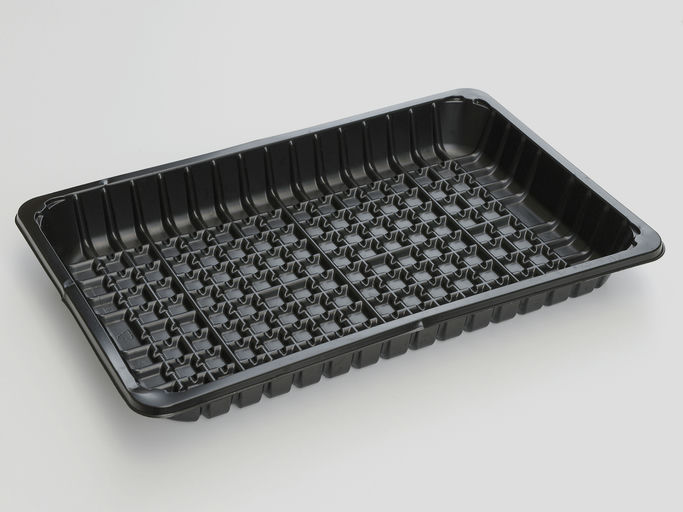 PET plastic
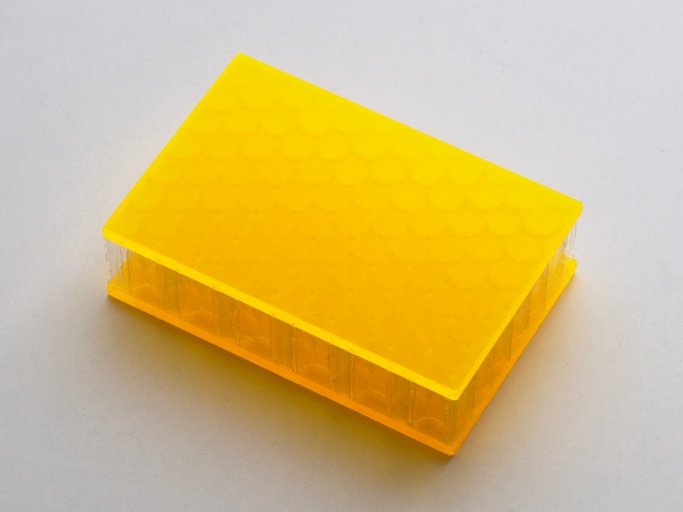 Acrylic (PMMA, Plexiglas)
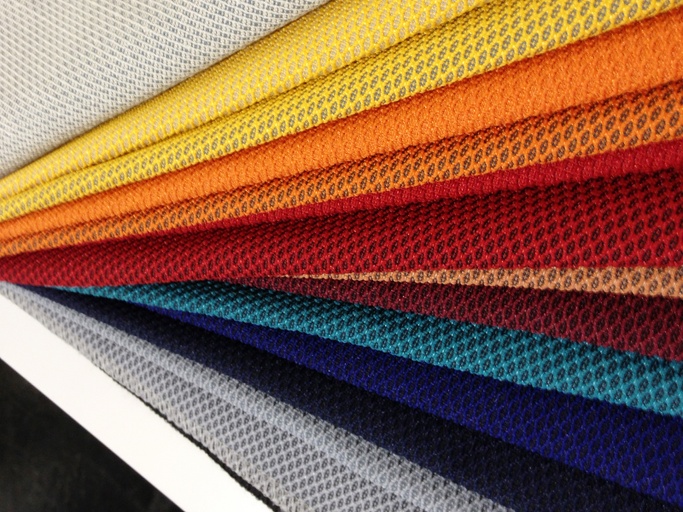 Nylon (PA6)
 Flexible polyurethane foam
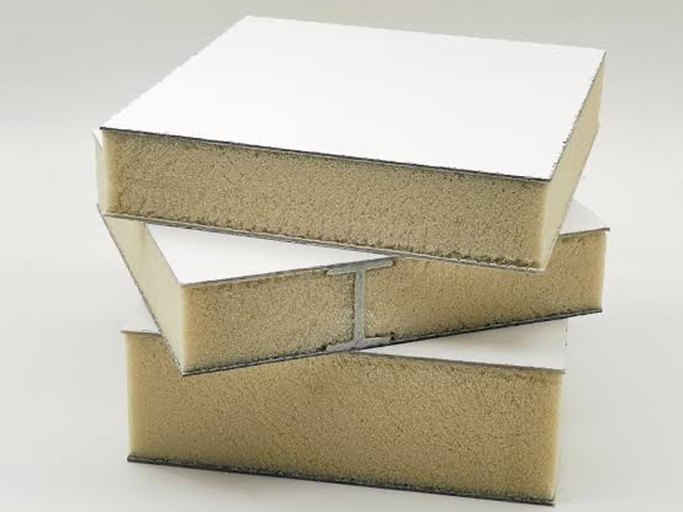 Rigid polyurethane insulation
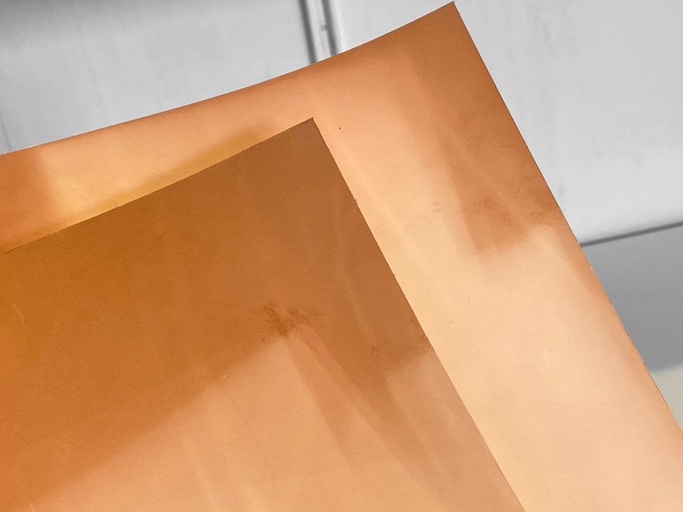 Cow leather
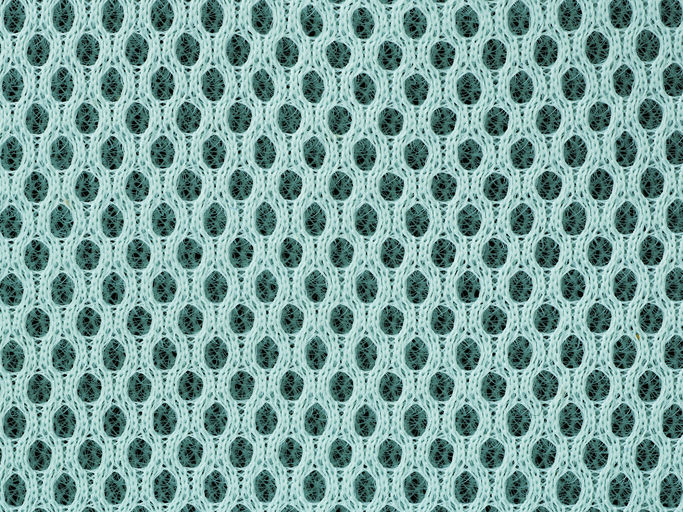 Polyester fabric
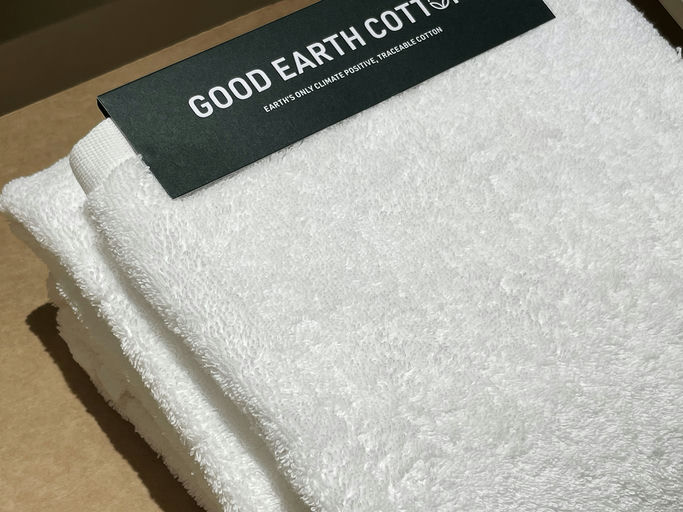 Cotton
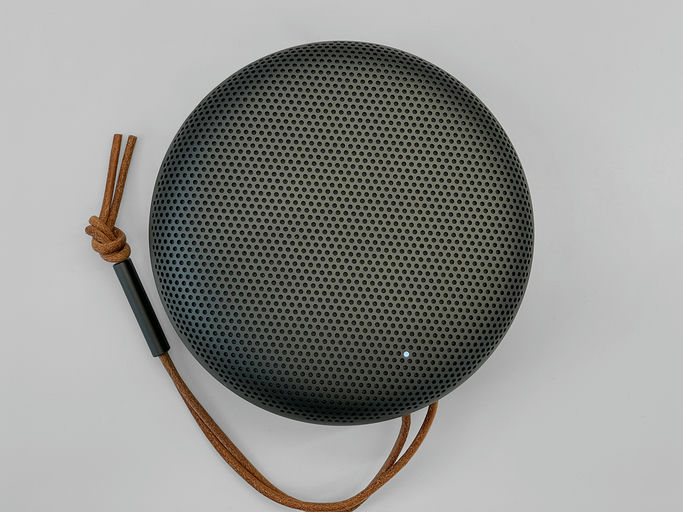 Aluminium
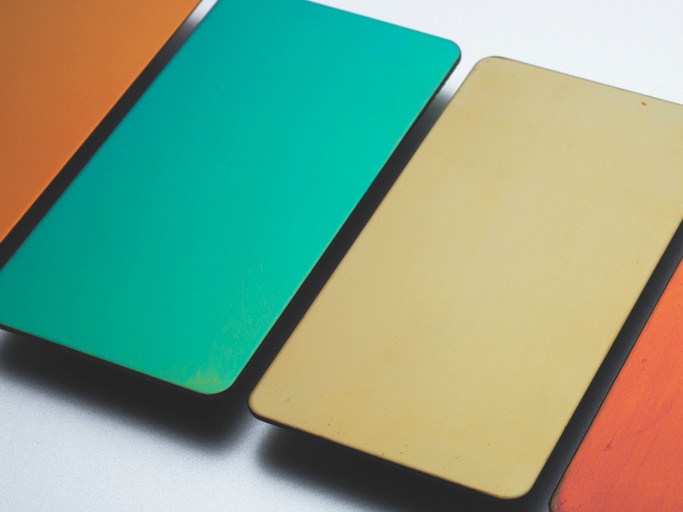 Stainless steel
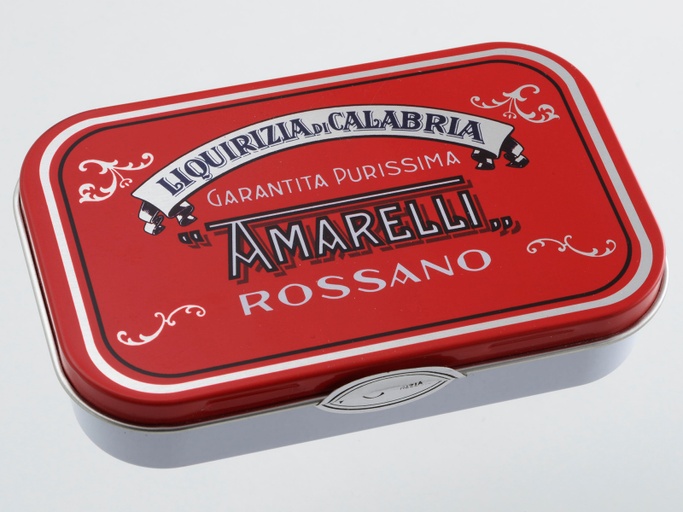 Mild steel
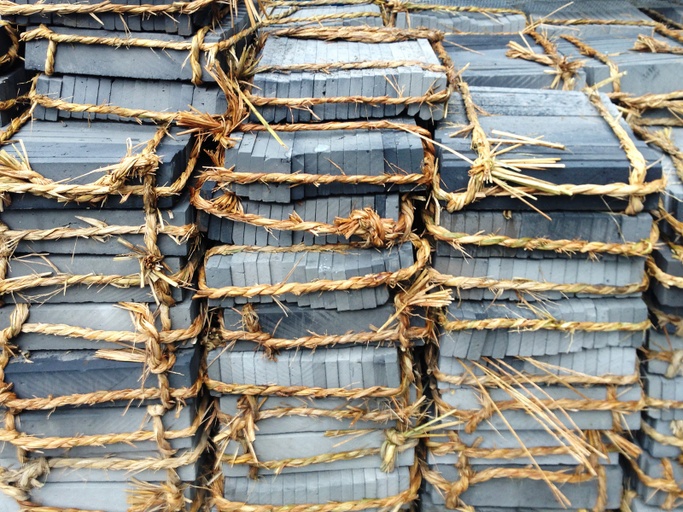 Concrete
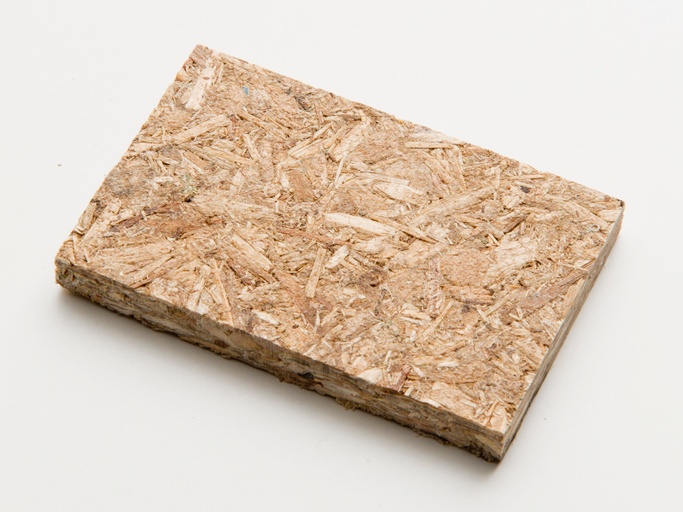 Particleboard (chipboard)
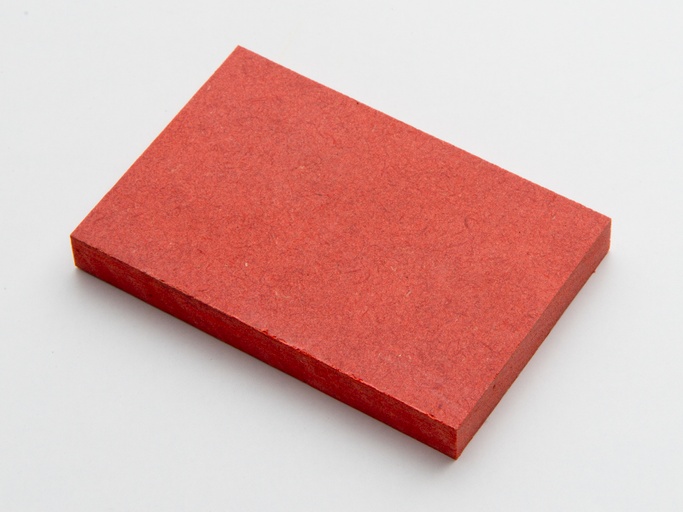 MDF
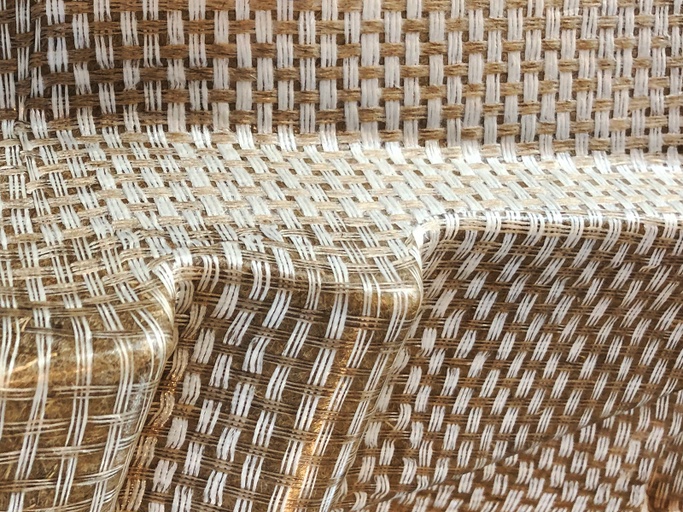 Epoxy resin
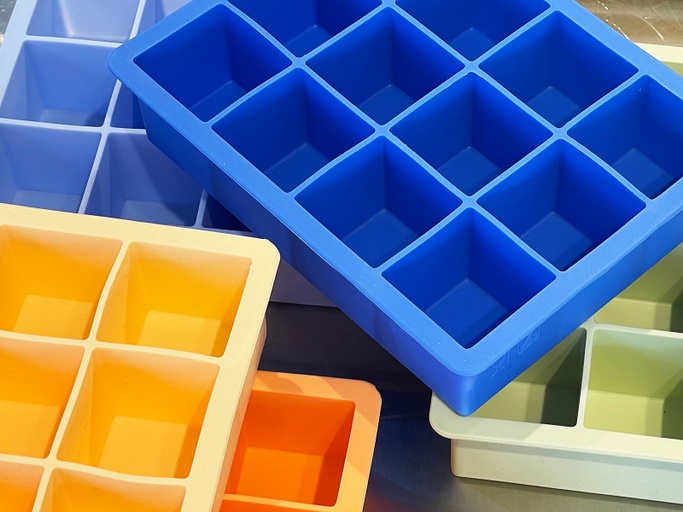 Silicone rubber
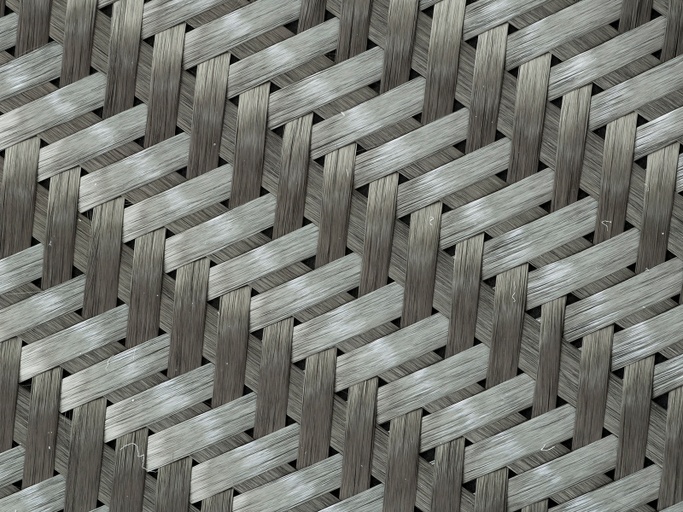 Carbon fibre
 Glass fibre (fibreglass)
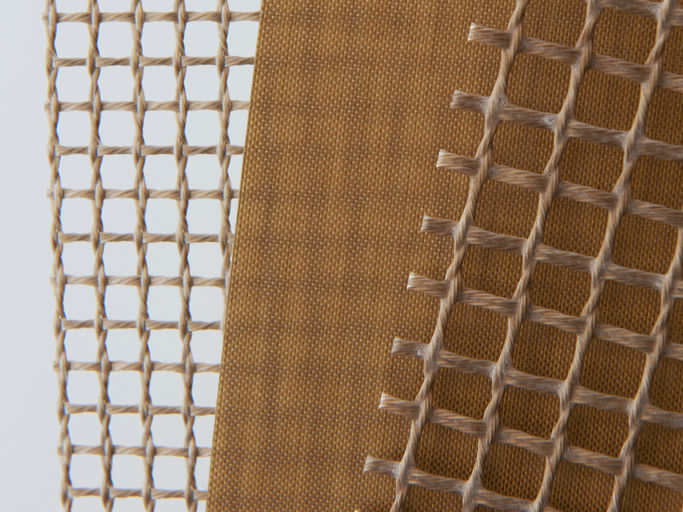 PTFE (Teflon)
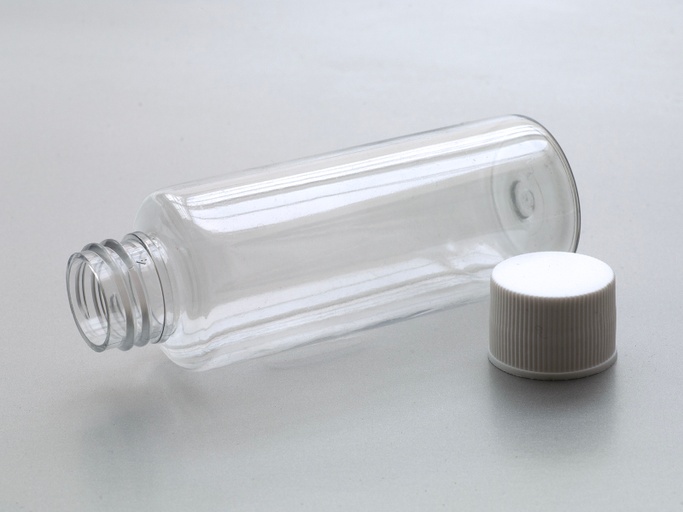 PLA bioplasticStone wool insulation
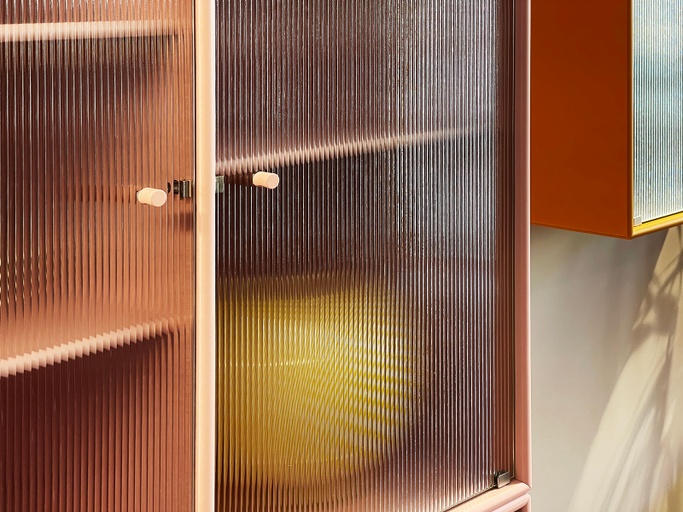 Float glass
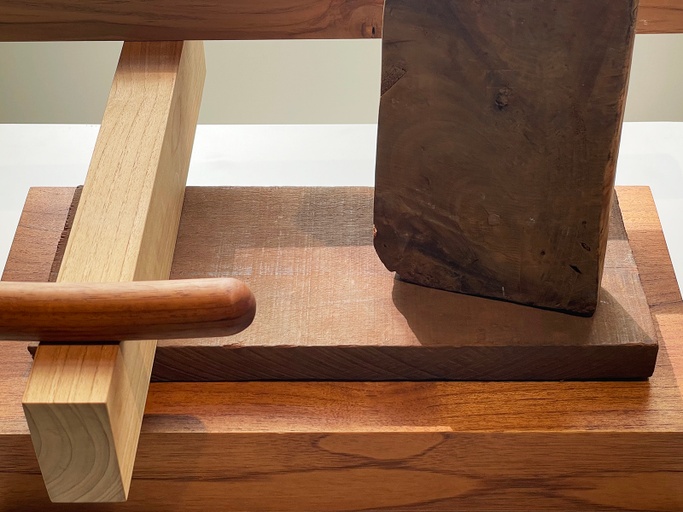 Teak