Polyurethane resin (PUR)
Rebonded (recycled) PU foam (Recycled (rebonded))
Low carbonWhat you gain
- 64% less carbon
- Recyclable
- Avoids: raw material generates polluting by-products
What it costs you
- About 4.3× heavier
- 46% more expensive
Alternatives guide
11 lower-impact options for flexible polyurethane foam, grouped by the kind of change you would be making. The best of them cuts carbon by 95% per kilogram.
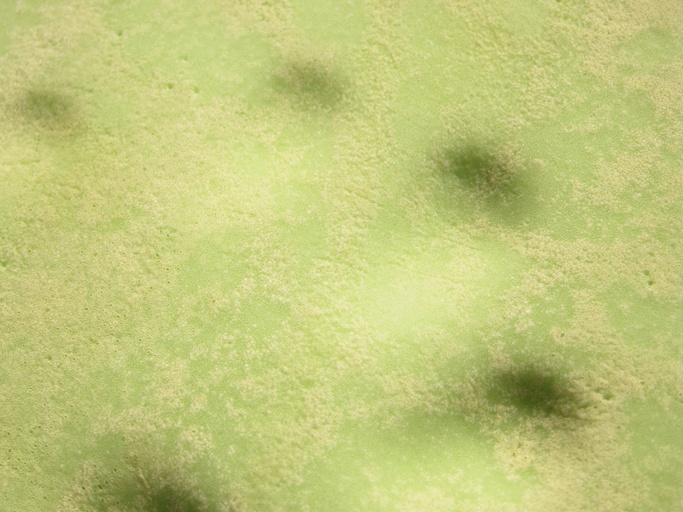
Checked as Polyurethane resin (PUR): Flexible.
Concerns
Polyurethane resin (PUR) is converted into foam with a blowing agent. While density is determined by the type and volume of blowing agent, the physical properties of the PUR are controlled by its chemistry. As a result, a huge range of options are available from viscoelastic memory foam to rigid insulation. It is cast directly to shape, such as with reaction injection moulding (RIM) or foam moulding. Or, it is cut from slab. Full check for flexible polyurethane foam →
Recycled grades, of the same material where one exists and of close relatives where not.
Polyurethane resin (PUR)
Plastics made partly or wholly from plants. Usually a small change in tooling and process.
Biodegradable polyester
Leaves plastic behind altogether. A bigger design change, with the biggest gains.
Different material, same job: soft cushioning that absorbs impact.
Check this material →
Different material, same job: soft cushioning that absorbs impact.
Check this material →
Paper
Different material, same job: soft cushioning that absorbs impact.
Check this material →Glass, ceramic, stone and plaster options that do the same job.
Soda lime glass
Lightweight aggregates
Made a different way: Pouring, Sintering.
Check this material →
Lightweight aggregates
Made a different way: Pouring, Sintering.
Check this material →Other materials that do the same job with a lower footprint.
Ethylene vinyl acetate (EVA)
These are typical grades. The checker does the same comparison for more than 800 materials, or for every part of a product at once.
Related commercial materials from the database. Listed for reference, not rated.
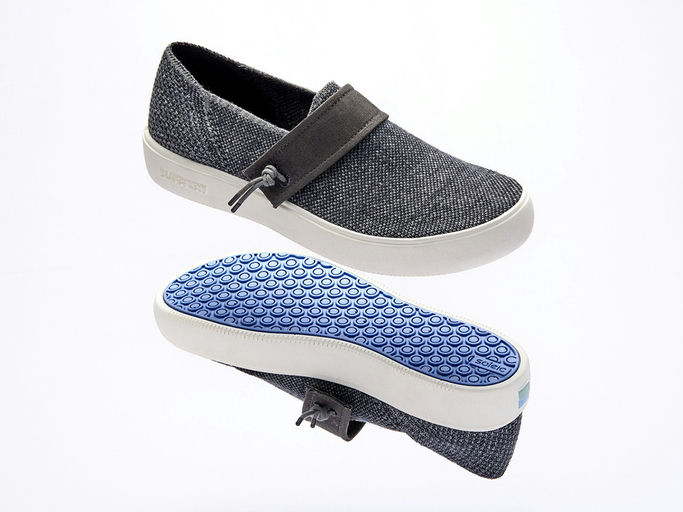 Soleic partially bio-based and biodegradable polyurethane resin (bio-PUR) by AlgenesisSoleic partially bio-based and biodegradable polyurethane (bio-PUR) by Algenesis is a polyurethane system, first launched as foam, for uses such as shoe cushioning, bedding, building insulation, surfboards and…Image: Algenesis
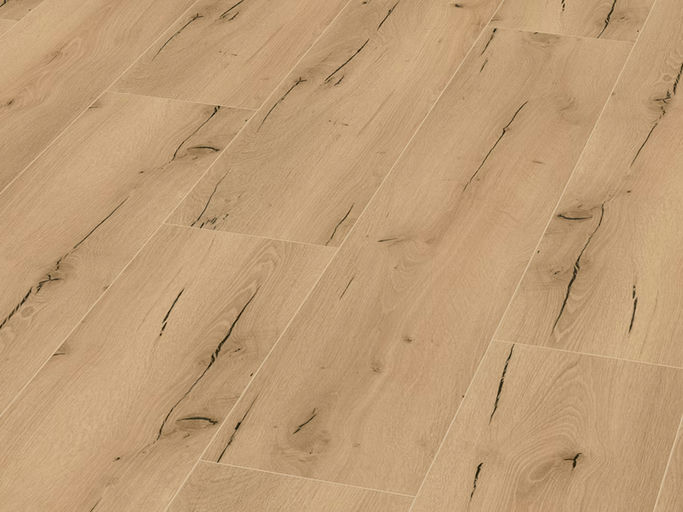 Ecuran bio-based polyurethane (bio-PUR) composite flooringEcuran is a bio-based polyurethane (bio-PUR) composite made by Windmöller in Detmold, Germany, and used in its wineo PURLINE flooring. It is made mainly from vegetable oils such as rapeseed (canola) or castor oil, with…Image: Ecuran
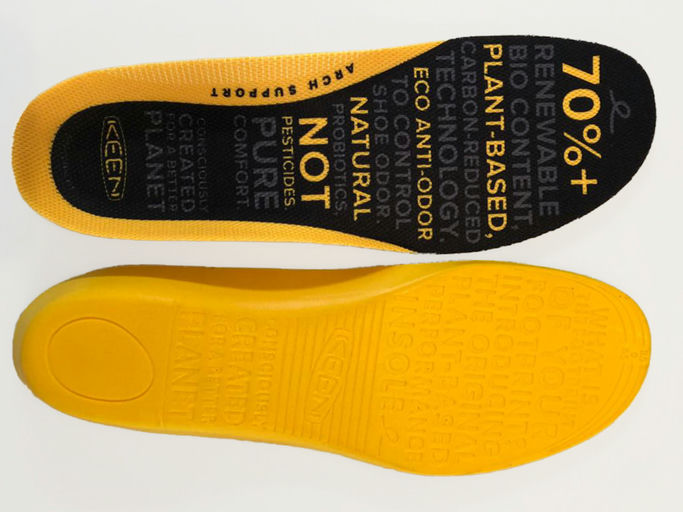 Evoco Fates partially 70-80% polyurethane foam (bio-PUR)Fates by Evoco, a company based in Toronto, Canada, is a polyurethane foam (bio-PUR) for shoe insoles with 72-76% plant-based content depending on grade, certified by GreenCircle. Evoco does not name the plant…Image: Evoco
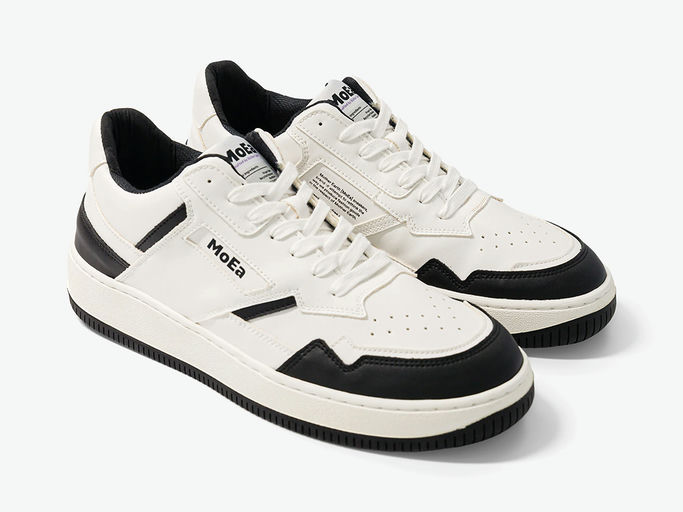 GrapeSkin synthetic leather by VegeaGrapeSkin synthetic leather by Vegea is made using by-products from wine making in Italy. The solid remains of grapes after pressing (known as pomace, this includes the skins, pulp, seeds and stems) are combined with…Image: Vegea
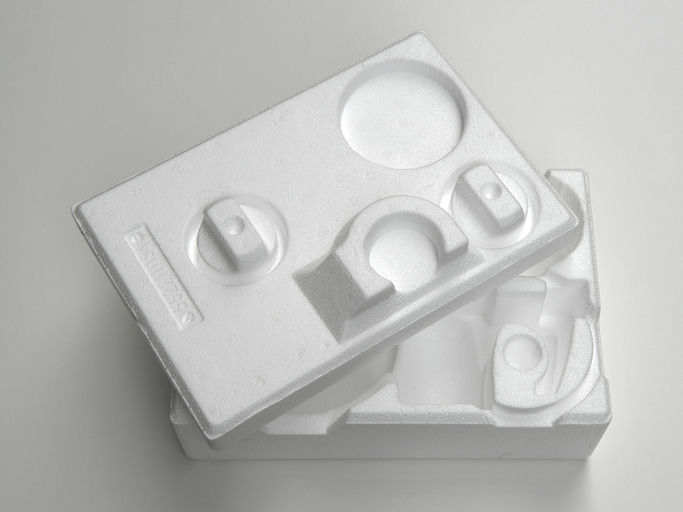 EPS (Styrofoam)
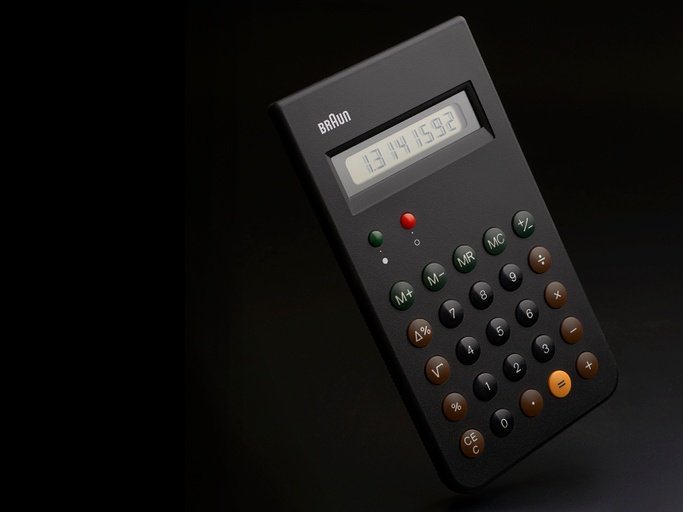 ABS plastic
 PVC (vinyl)
 Polycarbonate
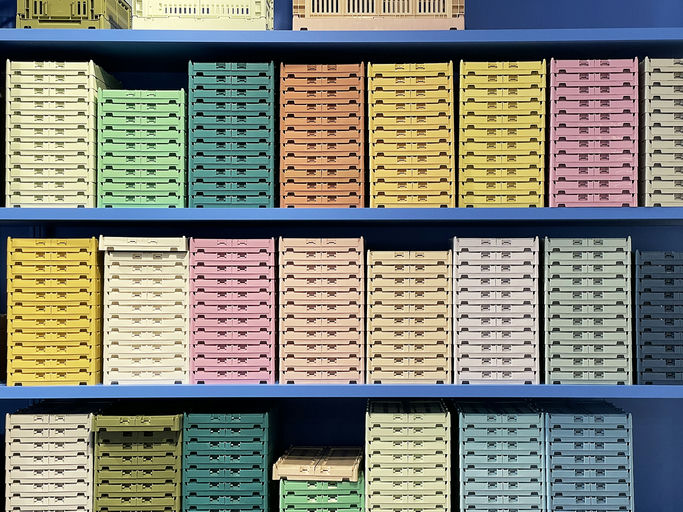 Polypropylene (PP)
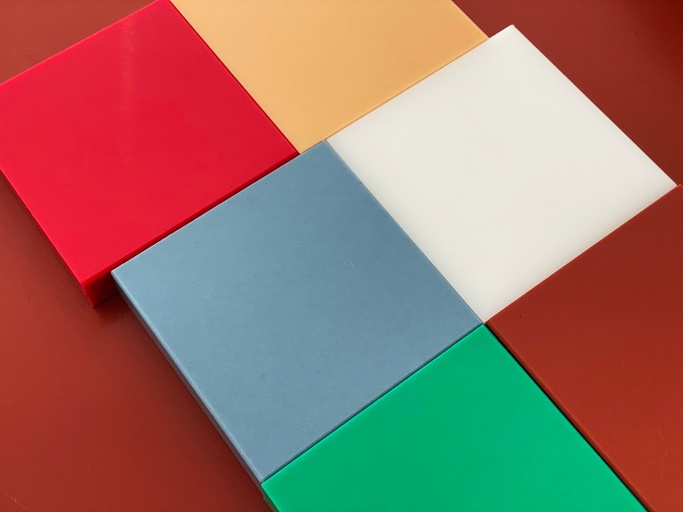 HDPE
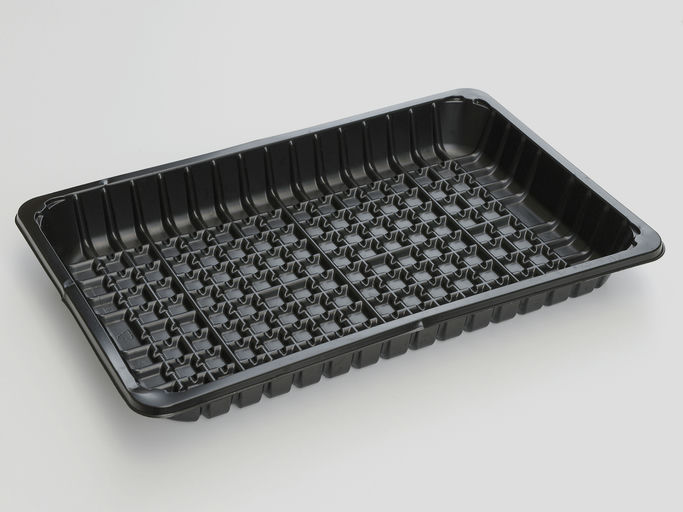 PET plastic
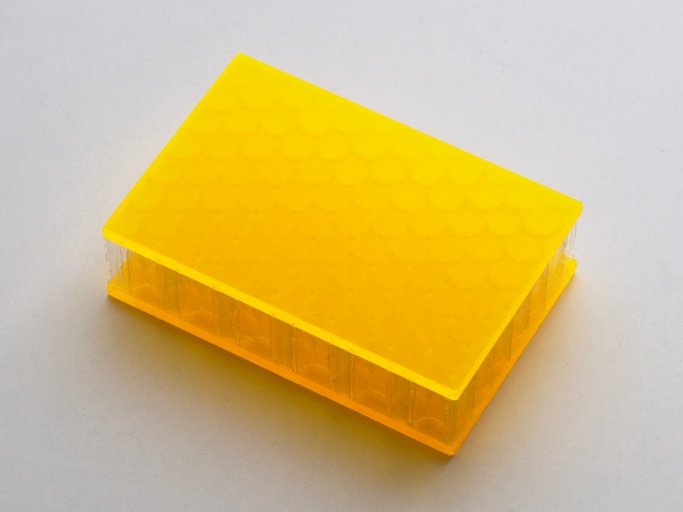 Acrylic (PMMA, Plexiglas)
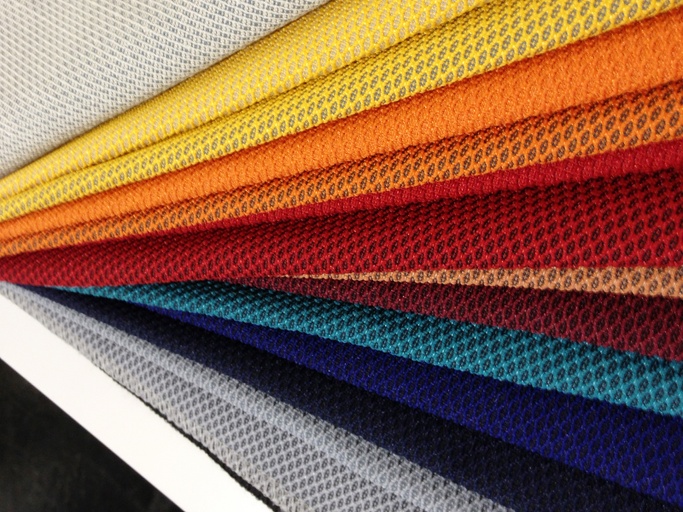 Nylon (PA6)
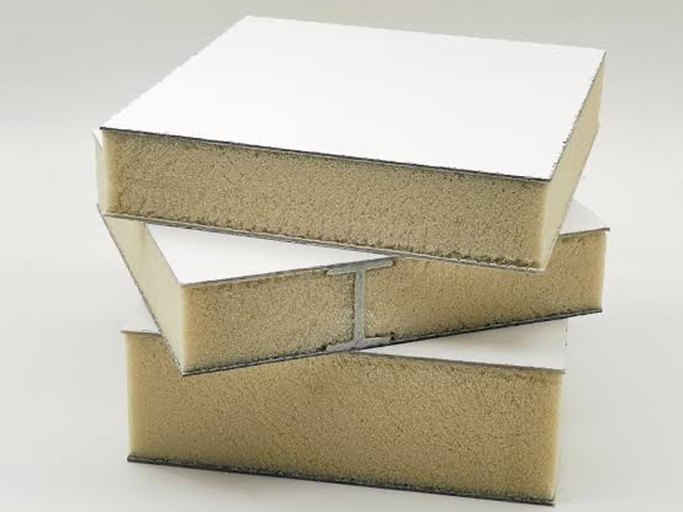 Rigid polyurethane insulation
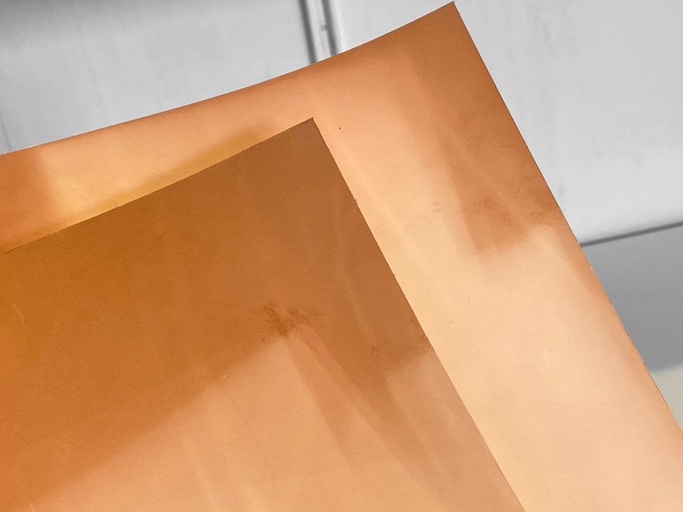 Cow leather
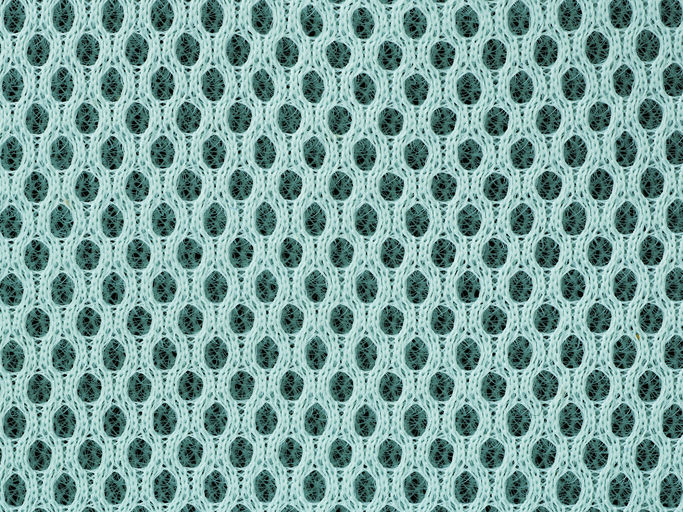 Polyester fabric
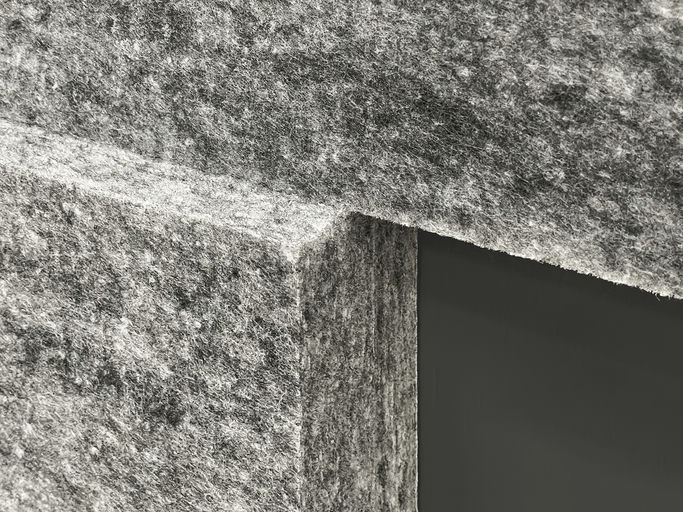 PET felt acoustic panels
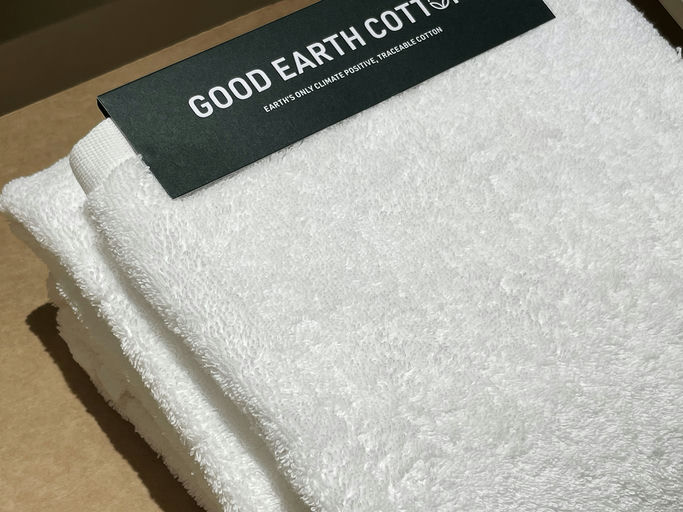 Cotton
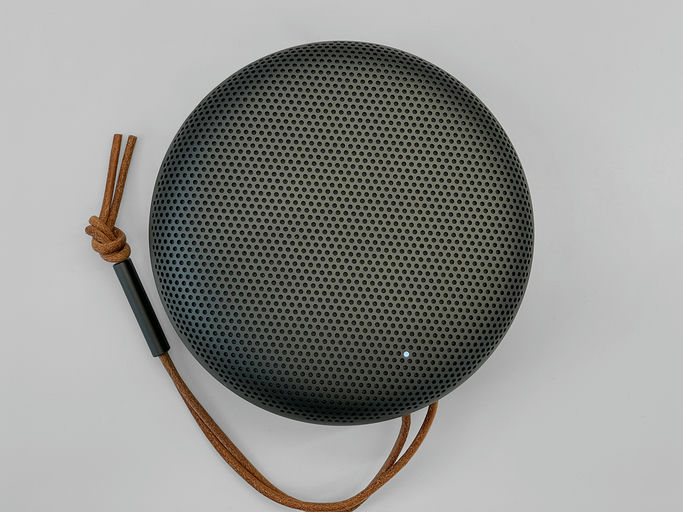 Aluminium
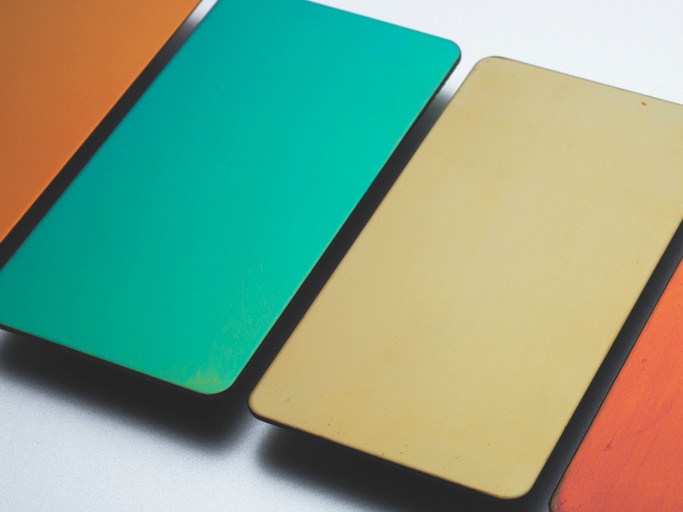 Stainless steel
 Mild steel
 Concrete
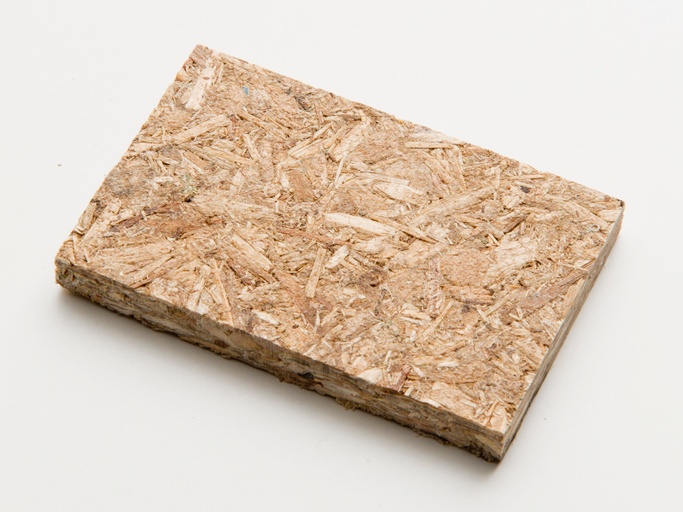 Particleboard (chipboard)
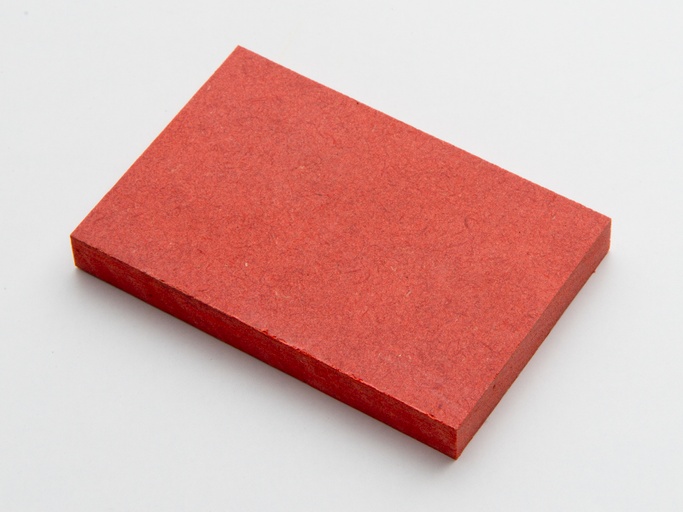 MDF
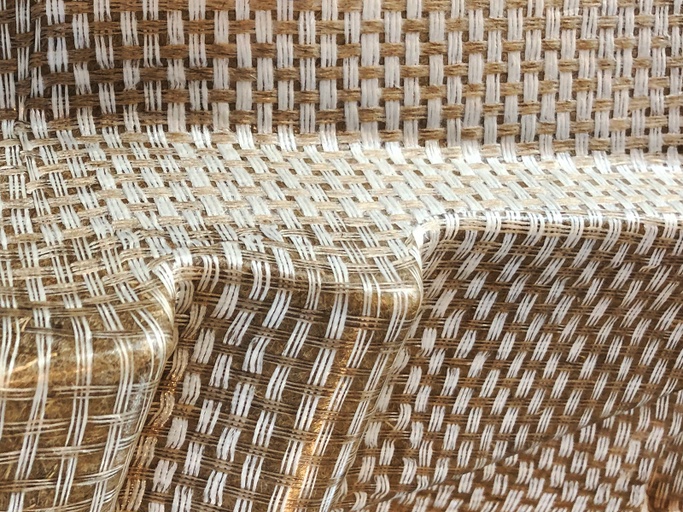 Epoxy resin
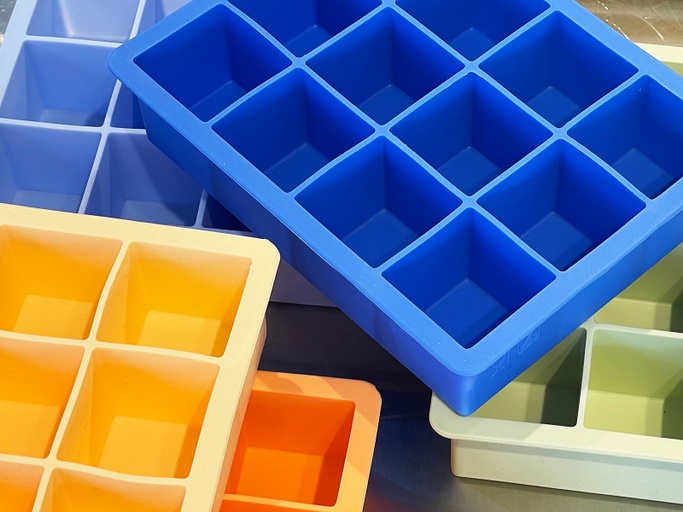 Silicone rubber
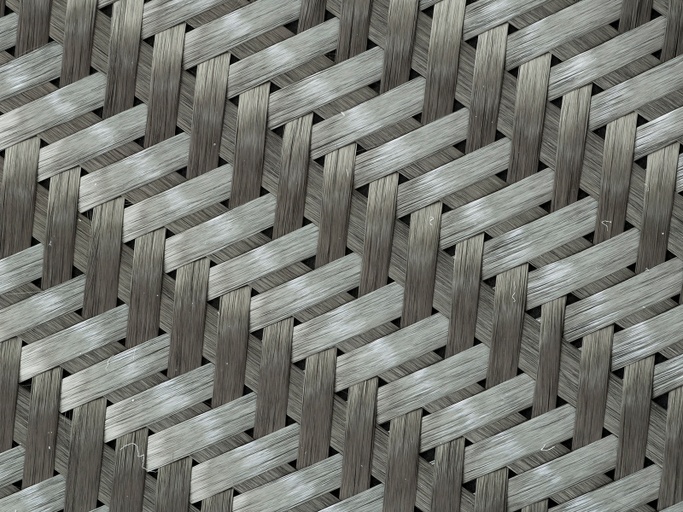 Carbon fibre
 Glass fibre (fibreglass)
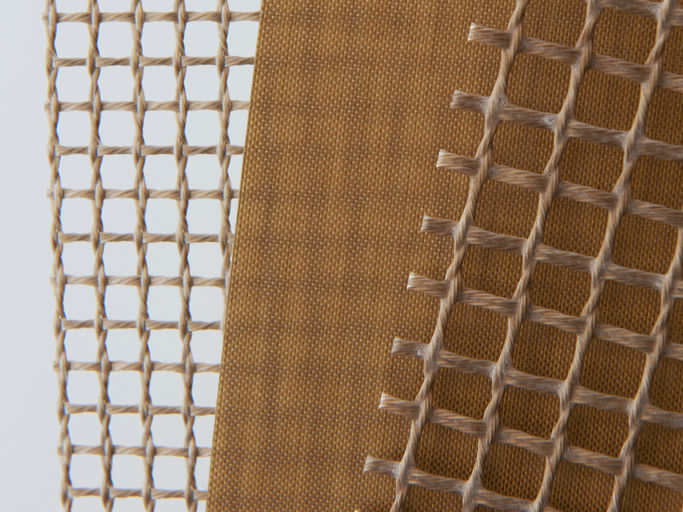 PTFE (Teflon)
 PLA bioplastic
 Stone wool insulation
 Float glass
 Teak