Polyamide (PA)
Recycled, Econyl (Nylon 6)
Moderate carbonWhat you gain
- 75% less carbon
- Circular end of life
- Avoids: non-renewable ingredients, raw material generates polluting by-products
What it costs you
- No trade-offs flagged in the data
Alternatives guide
17 lower-impact options for nylon (PA6), grouped by the kind of change you would be making. The best of them cuts carbon by 94% per kilogram.
Checked as Polyamide (PA): Resin. Also known as Nylon 6.
Concerns
PA6 (nylon 6, polycaprolactam) is one of the two most common types of nylon, alongside PA66. It is made by polymerising caprolactam (C6), which is produced from oil-based benzene. Making caprolactam generates large amounts of ammonium sulphate as a by-product, as well as nitrous oxide, a potent greenhouse gas. Full check for nylon (PA6) →
Recycled grades, of the same material where one exists and of close relatives where not.
Polyamide (PA)

Thermoplastic polyester
Polypropylene (PP)
Plastics made partly or wholly from plants. Usually a small change in tooling and process.

Polypropylene (PP)


Polyamide (PA)
2.44× stiffer.
Check this material →Leaves plastic behind altogether. A bigger design change, with the biggest gains.
Glass, ceramic, stone and plaster options that do the same job.

Float glass
Made a different way: Pressing.
Check this material →Float glass
Made a different way: Pressing.
Check this material →Other materials that do the same job with a lower footprint.

Polyamide (PA)

Polyamide (PA)
These are typical grades. The checker does the same comparison for more than 800 materials, or for every part of a product at once.
Related commercial materials from the database. Listed for reference, not rated.
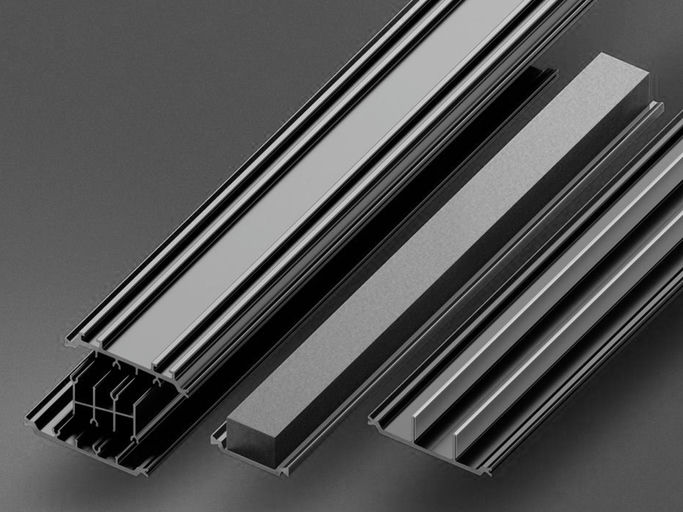 Technoform bio-based polyamide (bio-PA), nylonTechnoform bio-based polyamide (bio-PA), nylon, is produced from castor oil, polymerised into nylon. Technoform uses it for thermal insulating profiles (thermal breaks) in aluminium windows, doors and facades. The…Image: Technoform
 Akromid partially bio-based polyamide (bio-PA), nylonAkromid Next is Akro-Plastic's range of partially bio-based polyamides (bio-PA, nylon): PA 6.10 and PA 11 from castor oil, PA 6.9 from sunflower oil and PA 5.6 from corn, with bio-based contents from about 41% to over…Image: Akro Plastic
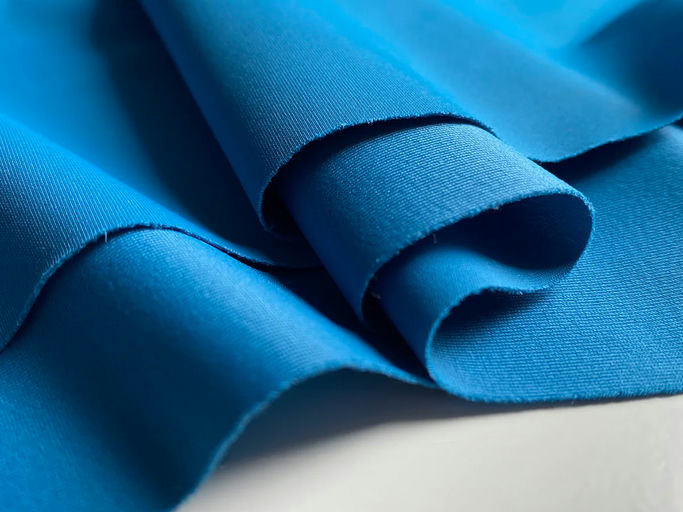 Econyl recycled polyamide (PA), nylonEconyl by Aquafil is a regenerated polyamide 6 (PA6), nylon, made entirely from waste such as fishing nets, carpets and fabric scraps. Instead of re-melting the waste, as conventional mechanical recycling does, Aquafil…Image: Aquafil
 Rilsan bio-based polyamide (bio-PA), nylon, by ArkemaRilsan bio-based polyamide 11 (bio-PA11), nylon, by Arkema is made from castor oil. It is 100% bio-based, suitable for a range of applications and manufacturing processes including extrusion, blow moulding, injection…Image: Arkema
 EPS (Styrofoam)
 ABS plastic
 PVC (vinyl)
 Polycarbonate
 Polypropylene (PP)
 HDPE
 PET plastic
 Acrylic (PMMA, Plexiglas)
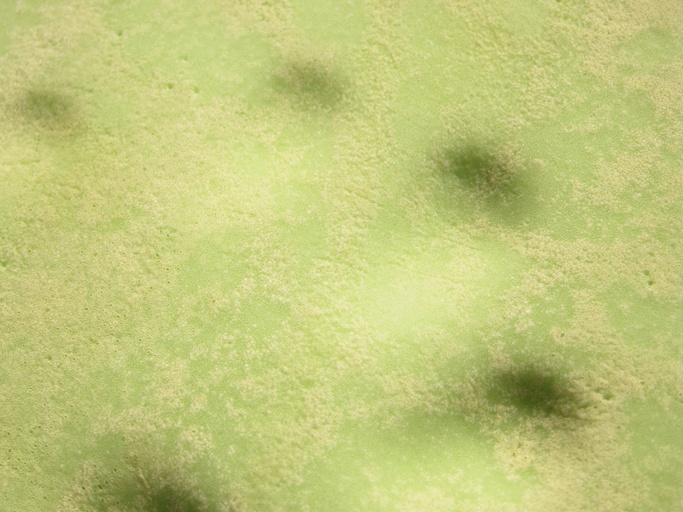 Flexible polyurethane foam
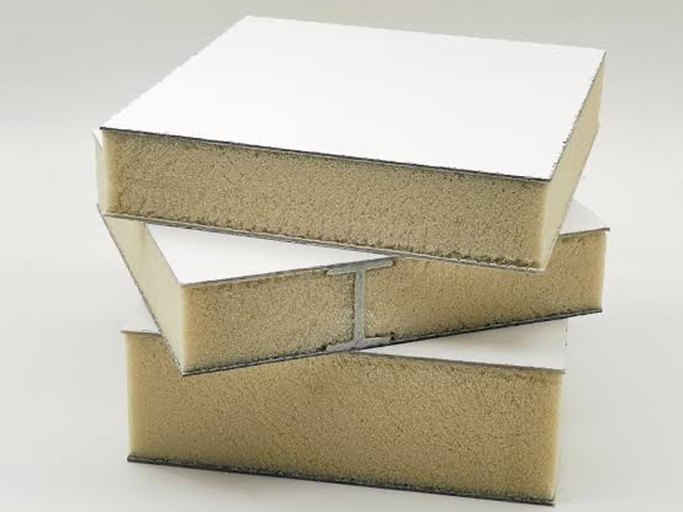 Rigid polyurethane insulation
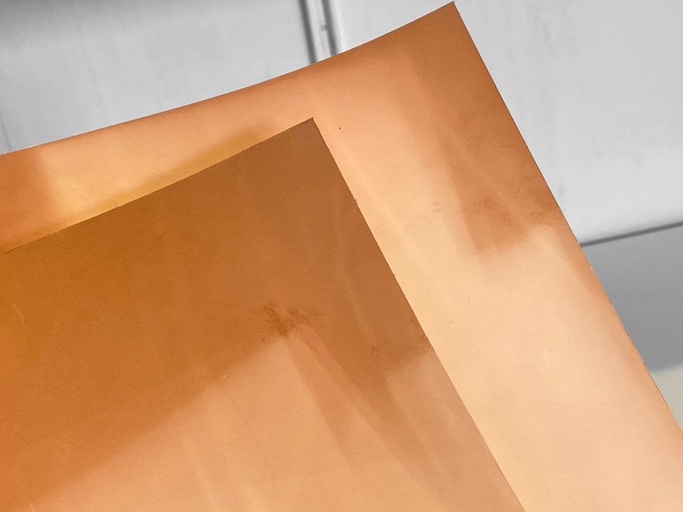 Cow leather
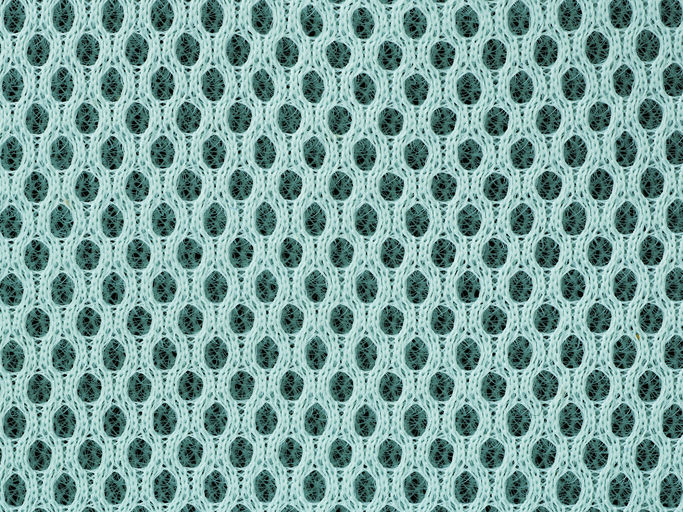 Polyester fabric
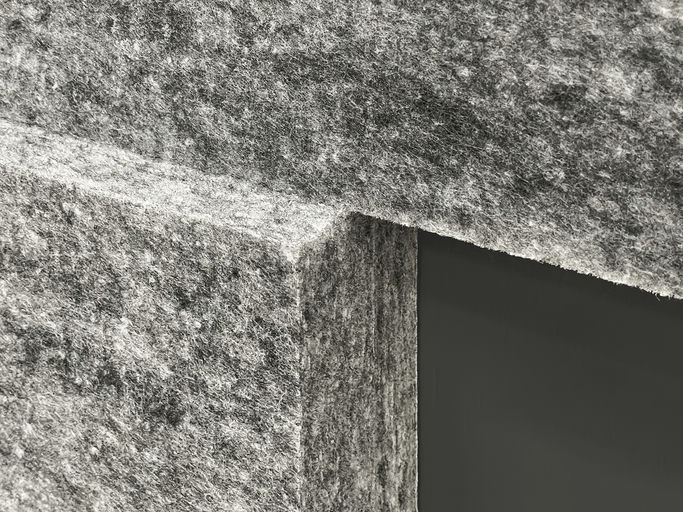 PET felt acoustic panels
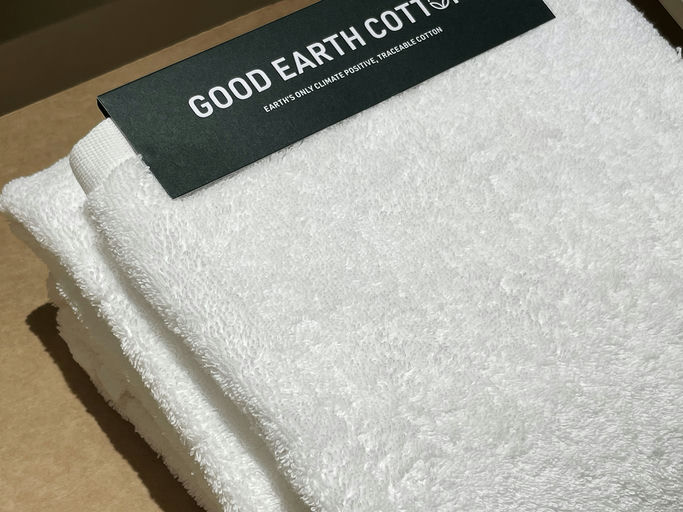 Cotton
 Aluminium
 Stainless steel
 Mild steel
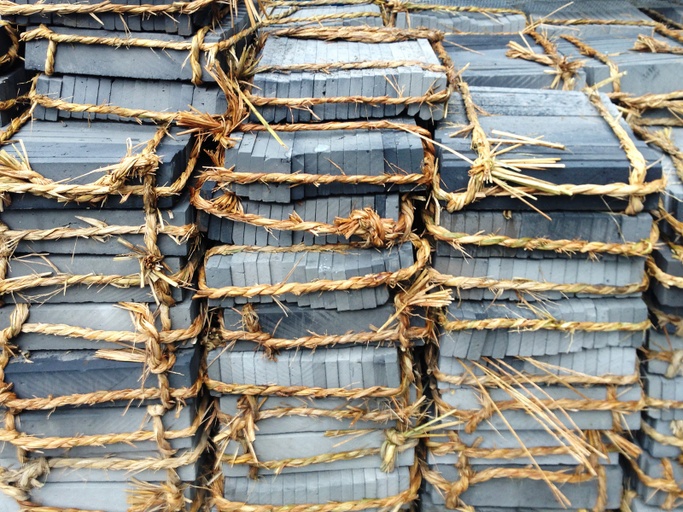 Concrete
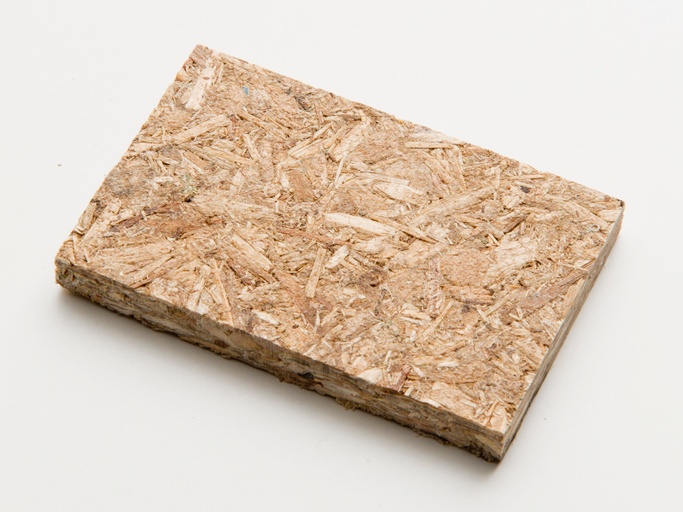 Particleboard (chipboard)
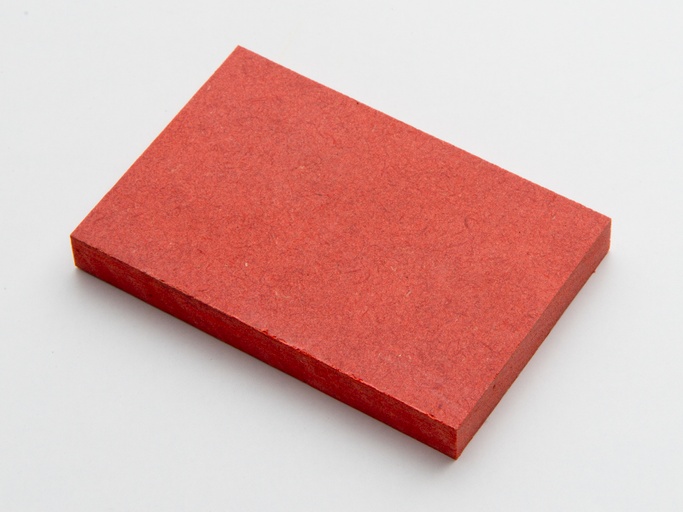 MDF
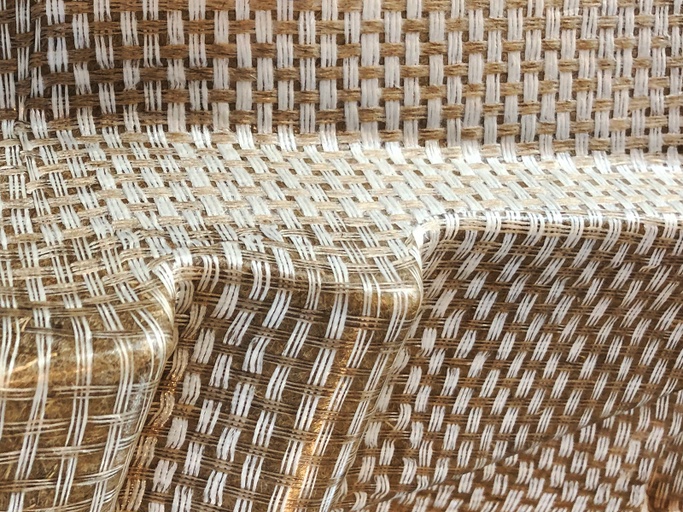 Epoxy resin
 Silicone rubber
 Carbon fibre
 Glass fibre (fibreglass)
 PTFE (Teflon)
 PLA bioplastic
 Stone wool insulation
 Float glass
 Teak