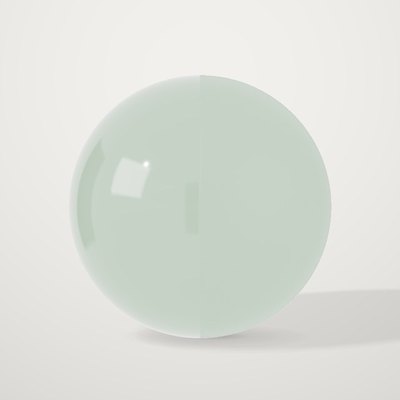
Soda lime glass
Recycled (Glass)
Low carbonWhat you gain
- 37% less carbon
- Avoids: non-renewable ingredients, raw material generates polluting by-products
What it costs you
- No trade-offs flagged in the data
Alternatives guide
13 lower-impact options for float glass, grouped by the kind of change you would be making. The best of them cuts carbon by 96% per kilogram.
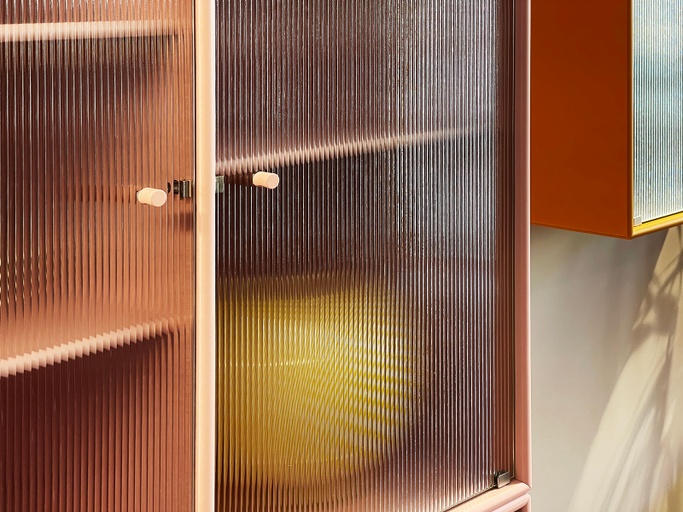
Checked as Float glass: Annealed.
Concerns
Plain float glass is annealed to release internal stresses that build up during manufacture. Coatings are applied to enhance specific properties (such as anti-reflective or heat-reflecting), or for decorative effect (such as framing an oven window). Printing is used for a range of applications, such as conductive inks for printed circuits on control panels or heating elements (eliminating additional parts such as circuit boards), colours and effects for decoration, and special colours to conceal sensors. Full check for float glass →
Recycled grades, of the same material where one exists and of close relatives where not.
Soda lime glass
Leaves plastic behind altogether. A bigger design change, with the biggest gains.
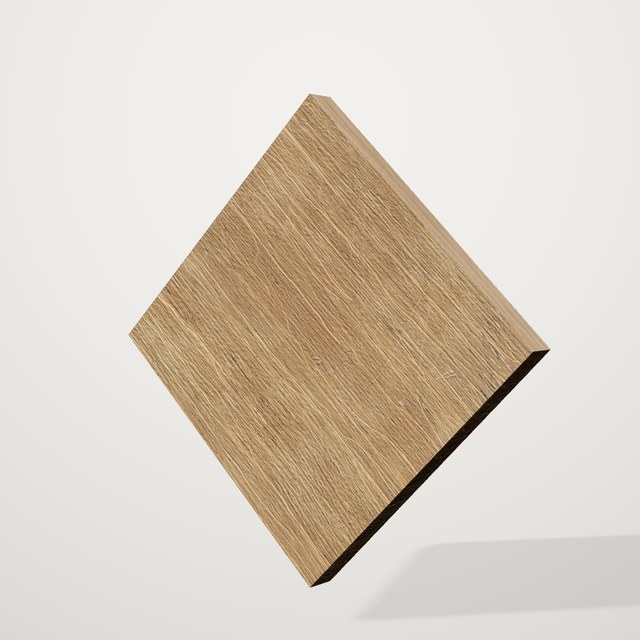
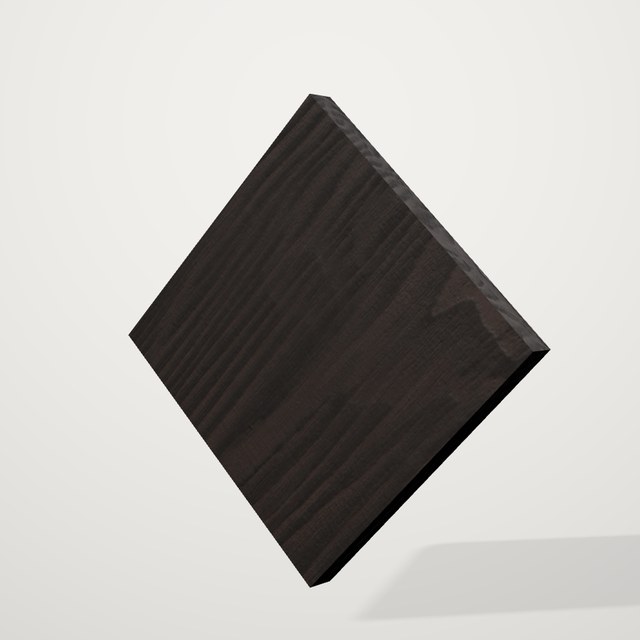
Mostly natural, held together or backed with a synthetic resin.
Beech
Metals that do the same job, usually with a strong recycling route.
2.86× stiffer.
Check this material →
2.86× stiffer.
Check this material →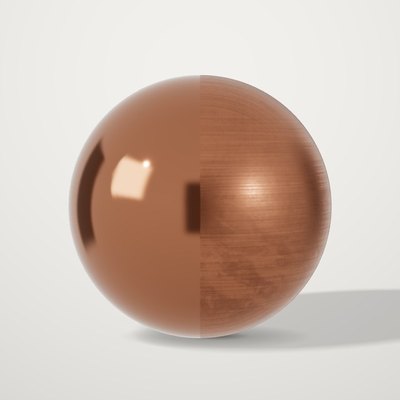
Copper, Brass & Bronze
Glass, ceramic, stone and plaster options that do the same job.
These are typical grades. The checker does the same comparison for more than 800 materials, or for every part of a product at once.
Related commercial materials from the database. Listed for reference, not rated.
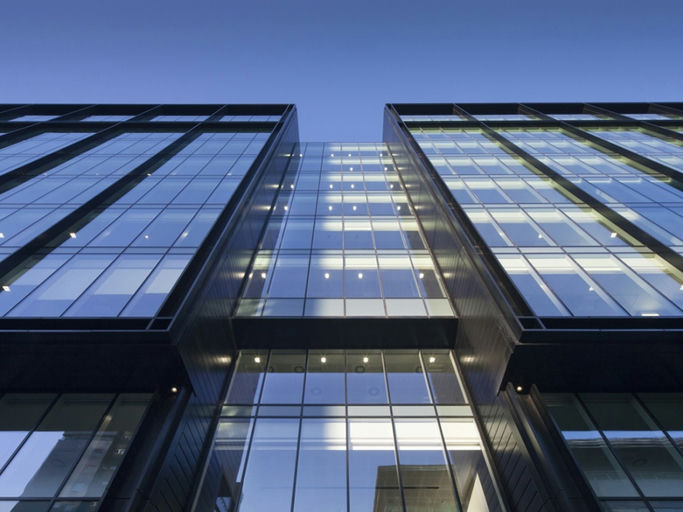 Pilkington K low-emissivity glassPilkington K low-emissivity (low-e) glass was developed to minimise the amount of ultraviolet and infrared light that can pass through a window without compromising the amount of visible light that is transmitted.…Image: Pilkington (NSG Group)
 Solarban low-emissivity glass by Vitro Architectural GlassVitro Architectural Glass (formerly PPG) Solarban is a low-emissivity (low-e) window glass. Low-emissivity (low-e) glass coatings have been developed to minimise the amount of ultraviolet and infrared light that can…Image: Vitro Architectural GlassStarphire Ultra-Clear low-iron glass by Vitro Architectural GlassStarphire Ultra-Clear is a low-iron float glass made by Vitro Architectural Glass (formerly PPG Glass) in the United States. It is made on the same float lines as ordinary clear glass but from purer raw materials with…
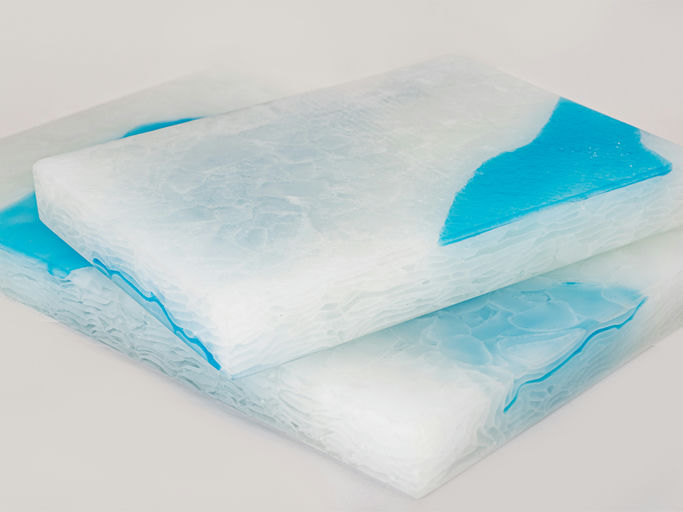 Bio-Glass recycled glassBio-Glass is a glass panel made from 100% recycled material by Coverings Etc, including post-consumer beverage bottles and commercial and industrial glass, sintered into slabs without colourants or additives. It is…Image: Coverings Etc
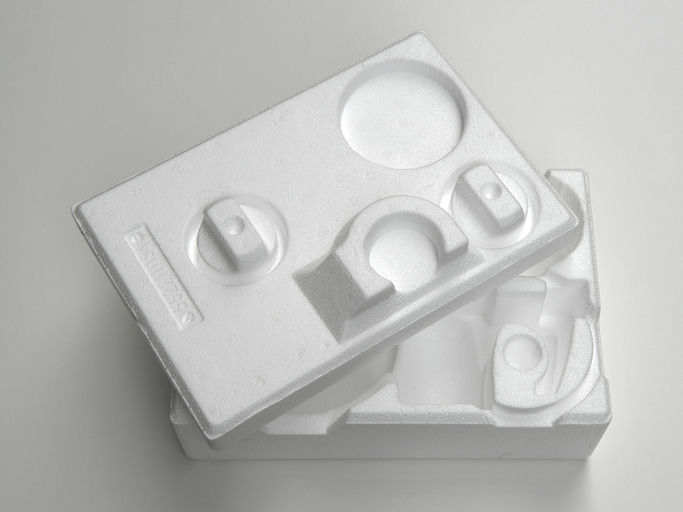 EPS (Styrofoam)
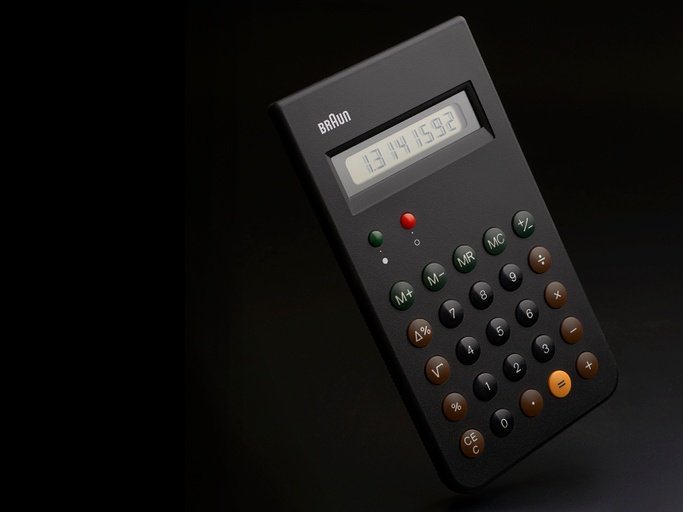 ABS plastic
 PVC (vinyl)
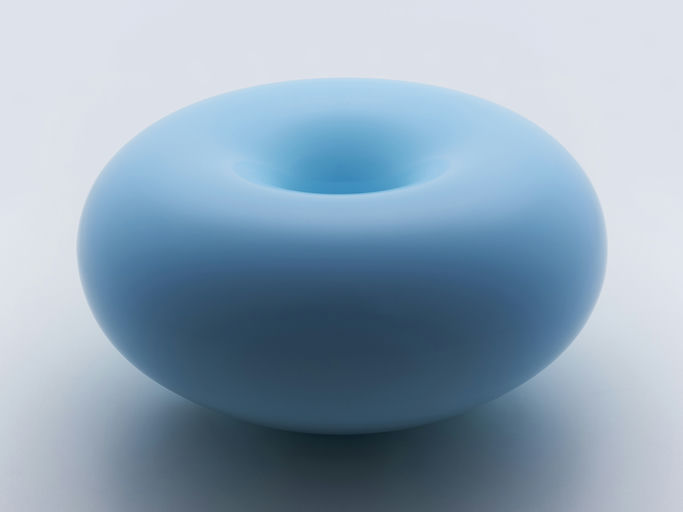 Polycarbonate
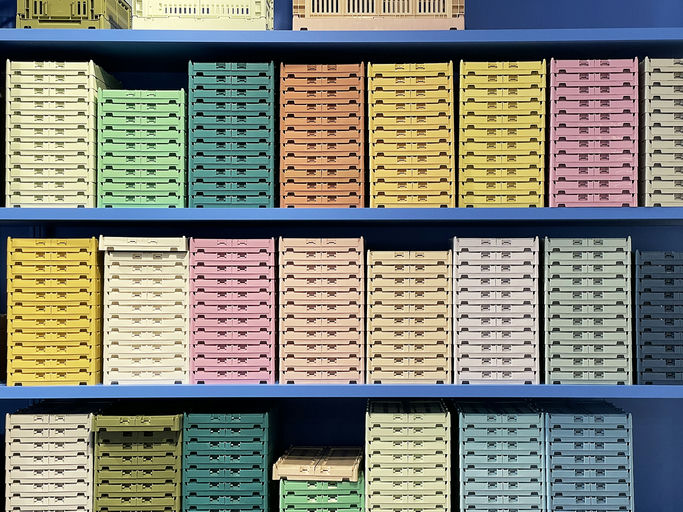 Polypropylene (PP)
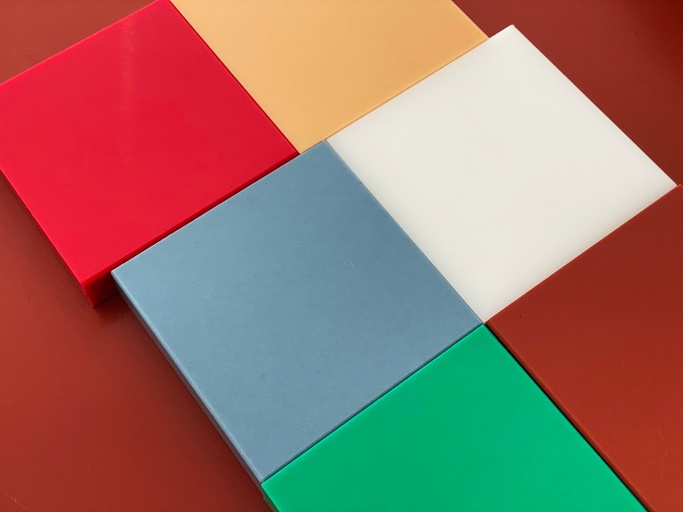 HDPE
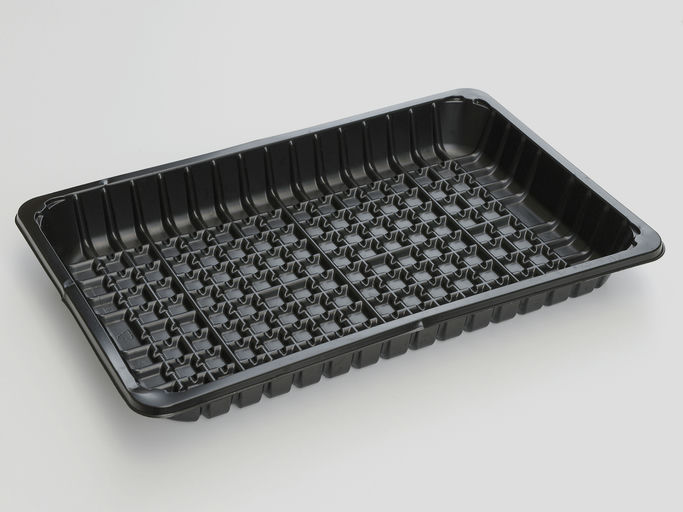 PET plastic
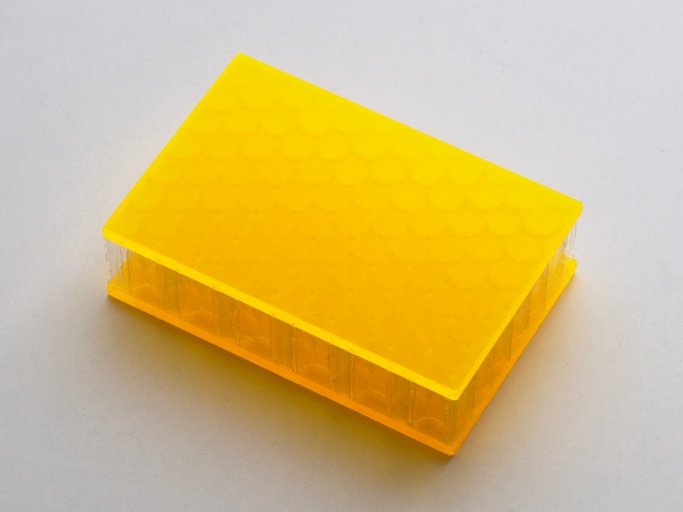 Acrylic (PMMA, Plexiglas)
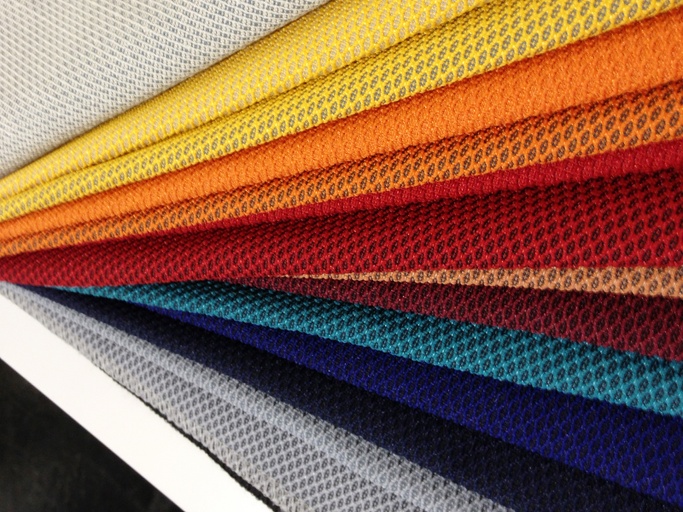 Nylon (PA6)
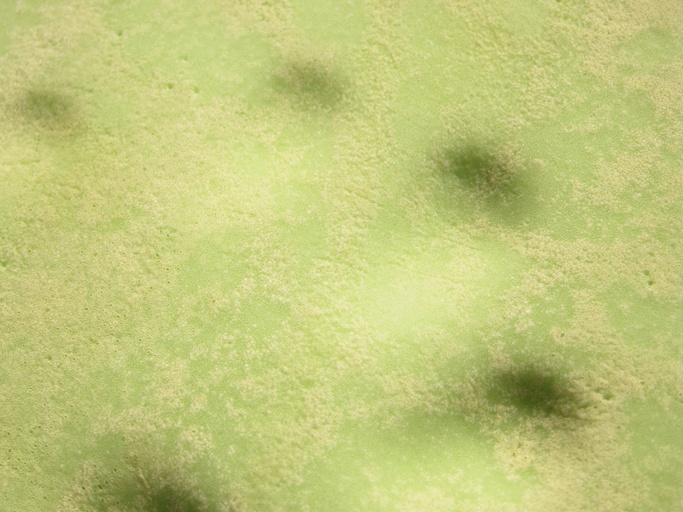 Flexible polyurethane foam
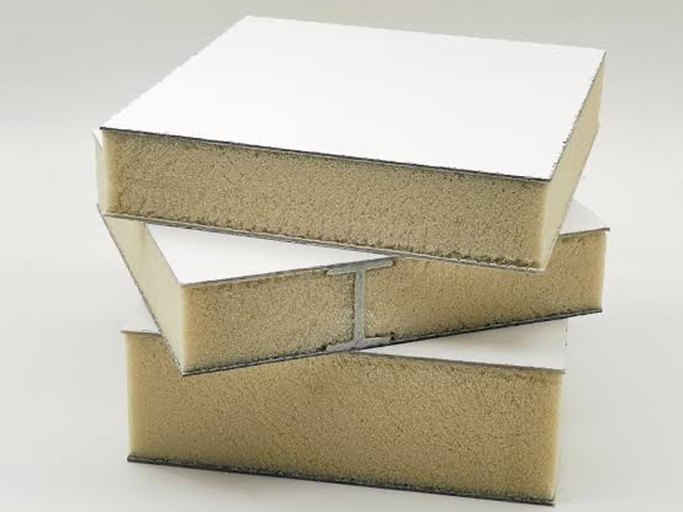 Rigid polyurethane insulation
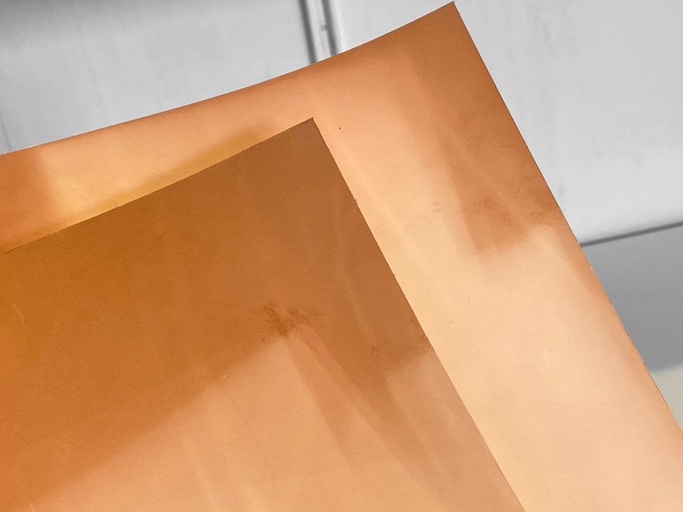 Cow leather
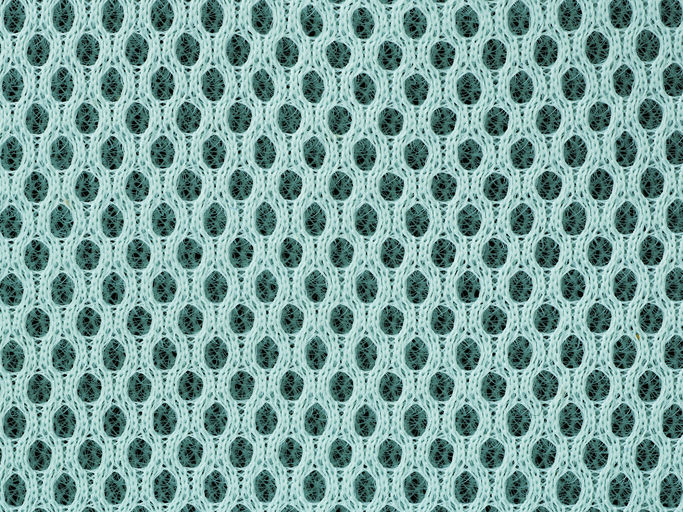 Polyester fabric
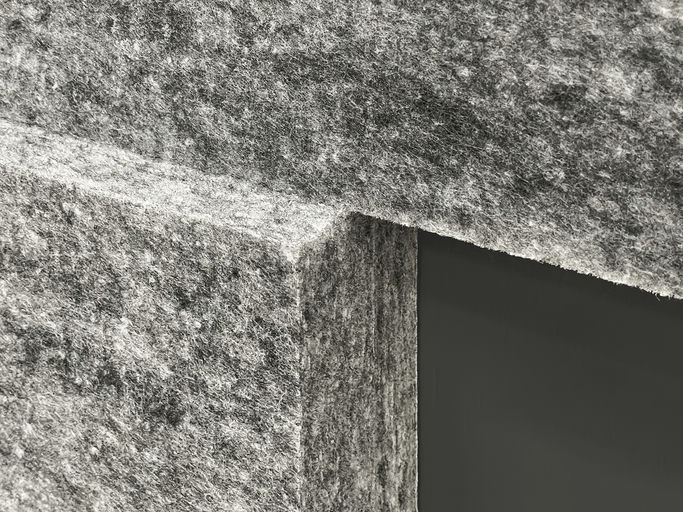 PET felt acoustic panels
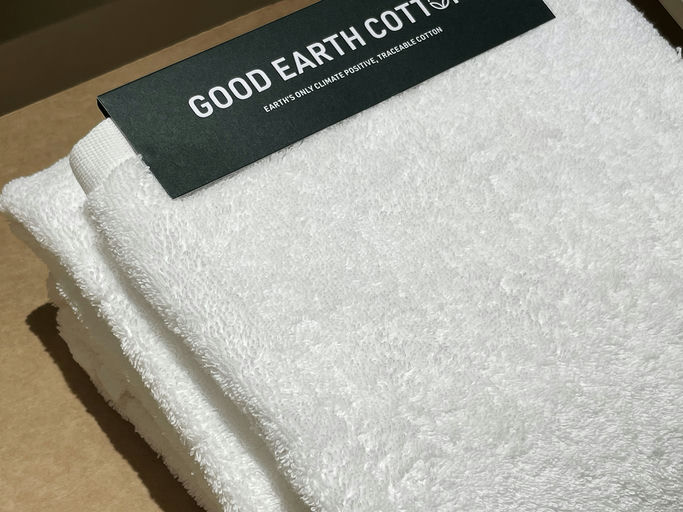 Cotton
 Aluminium
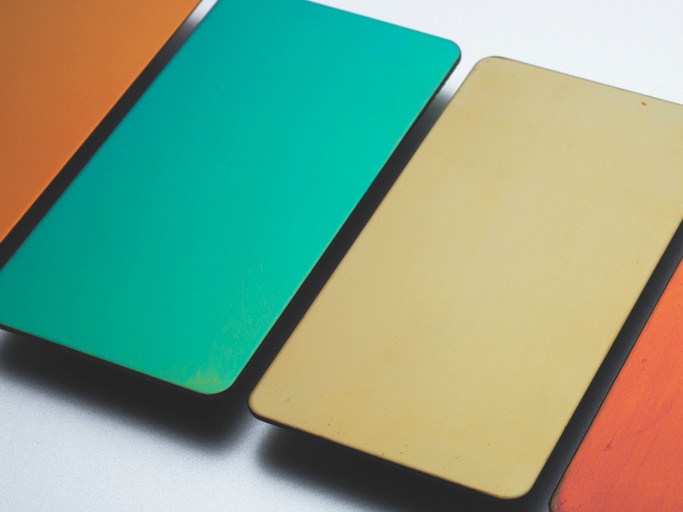 Stainless steel
 Mild steel
 Concrete
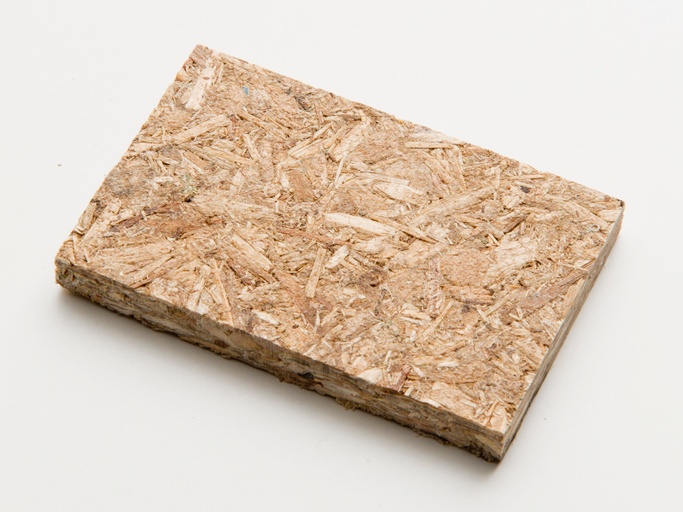 Particleboard (chipboard)
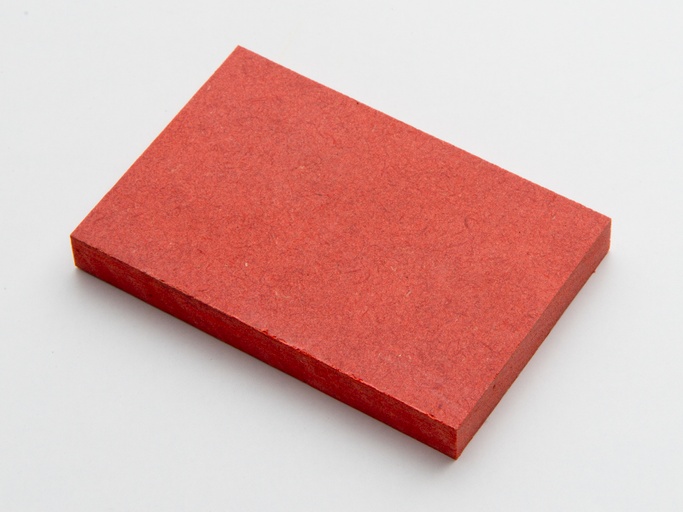 MDF
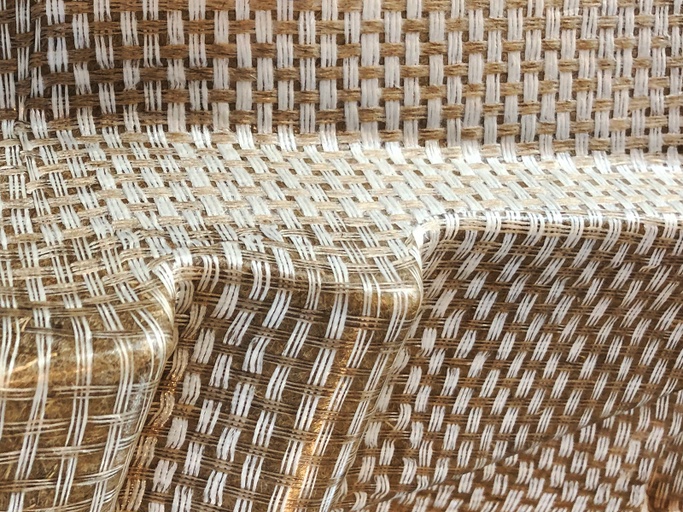 Epoxy resin
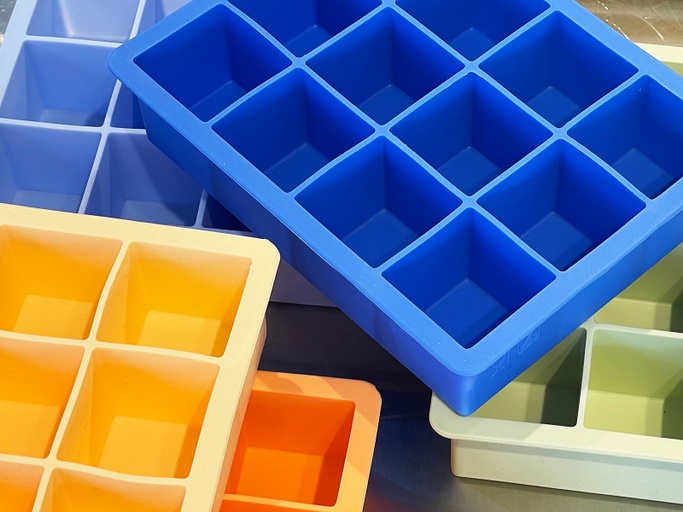 Silicone rubber
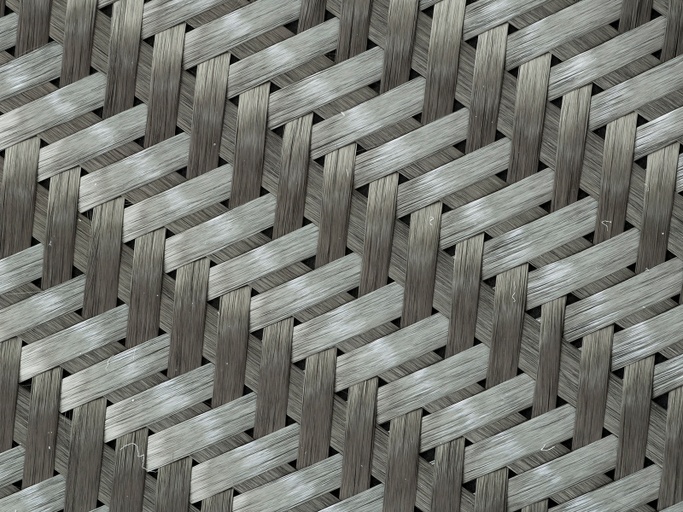 Carbon fibre
 Glass fibre (fibreglass)
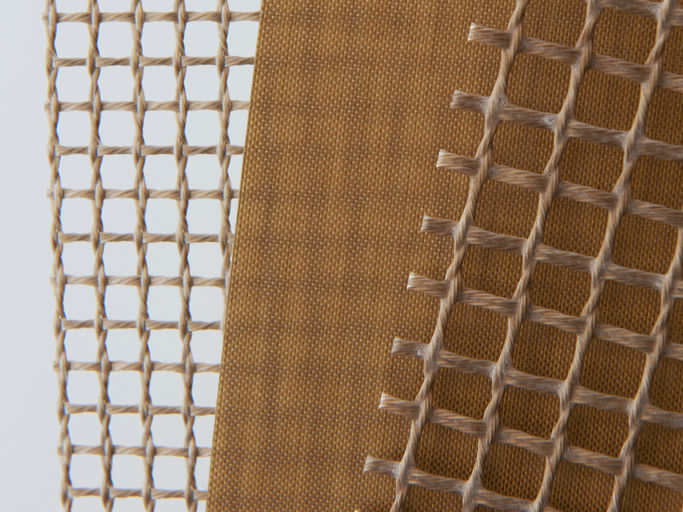 PTFE (Teflon)
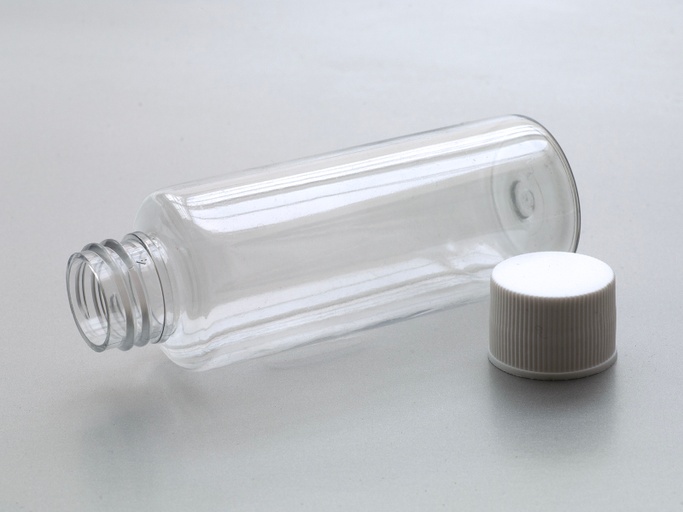 PLA bioplastic
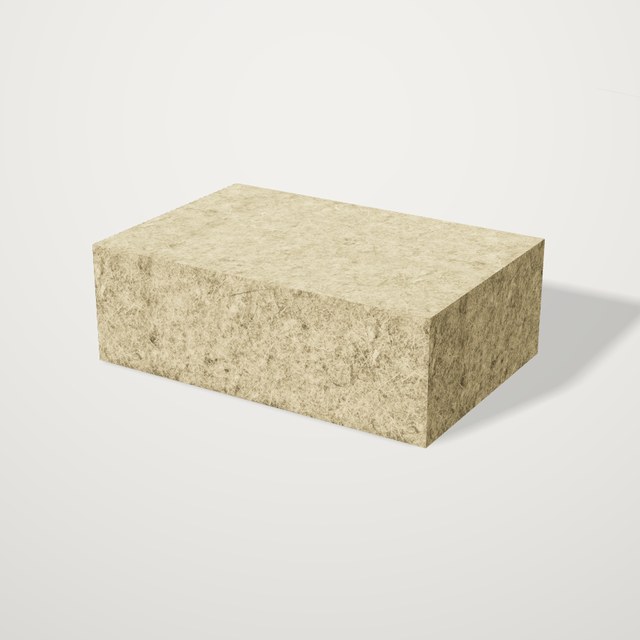 Stone wool insulation
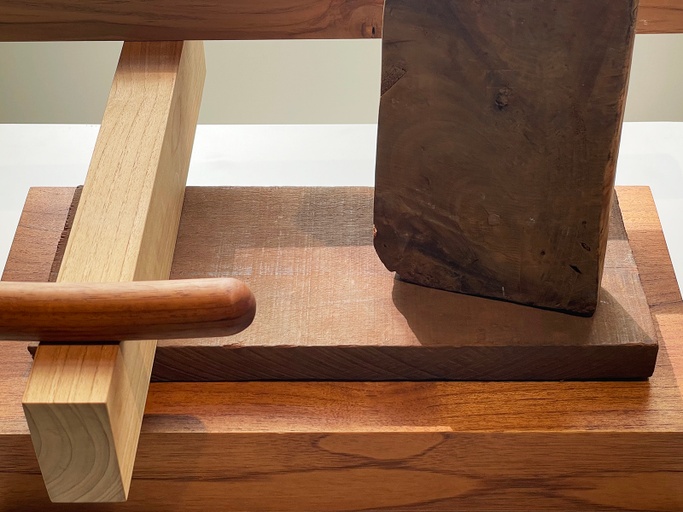 Teak