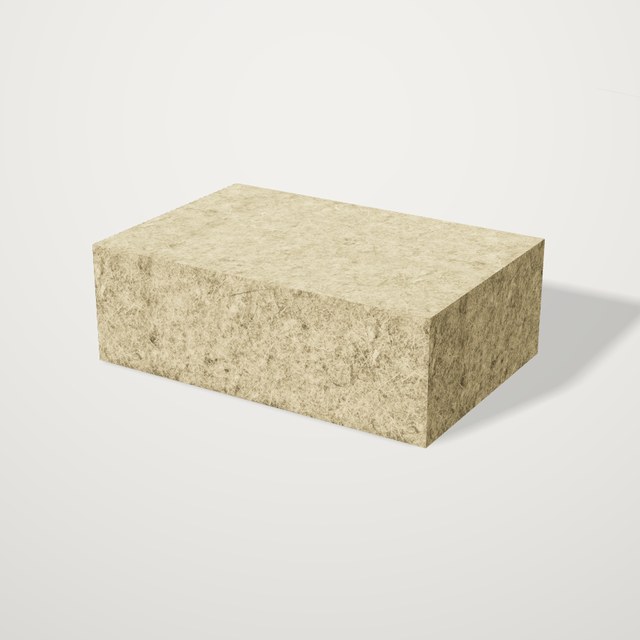
Alternatives guide

Alternatives to Stone wool insulation

7 lower-impact options for stone wool insulation, grouped by the kind of change you would be making. The best of them cuts carbon by 66% per kilogram.

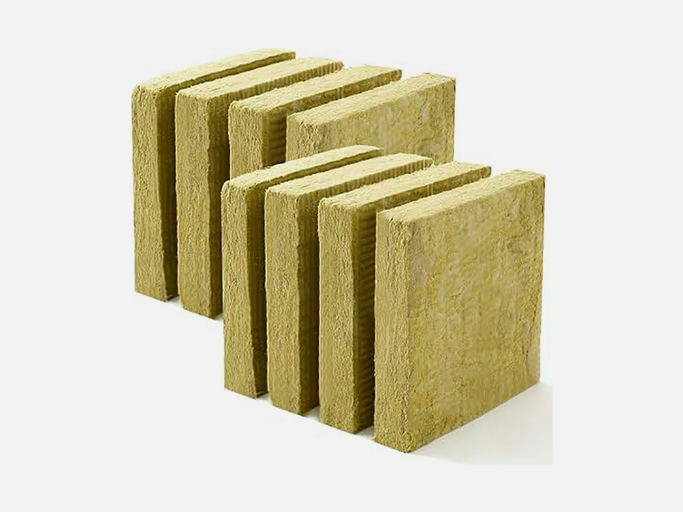
stone wool insulation

Stone wool insulation today

Checked as Mineral wool: Stone wool. Also known as Rock wool, Rockwool.

1.45 kg CO₂e/kgCarbon: Moderate
ModerateCircularity potential (estimate)
RecycleTypical end of life

Concerns

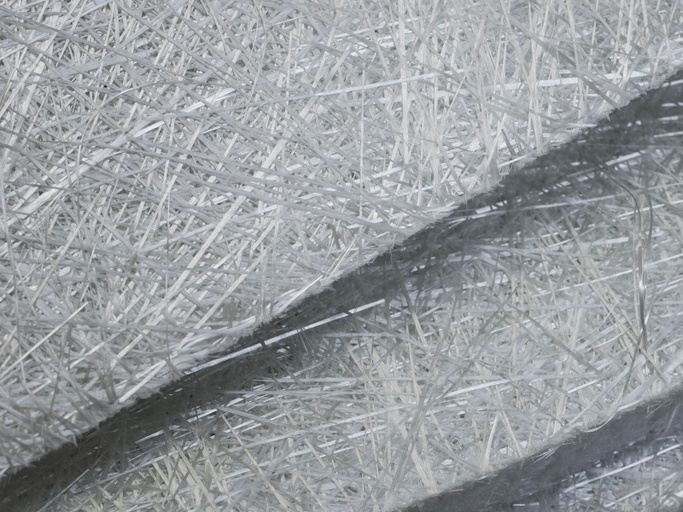
Stone wool, also called rock wool or mineral wool, is made by melting basalt and other rock, often with recycled slag, at around 1,500 degC and spinning the melt into fine fibres. The fibres are bonded with a small amount of binder and cured into slabs, rolls, mats and pipe sections. Full check for stone wool insulation →

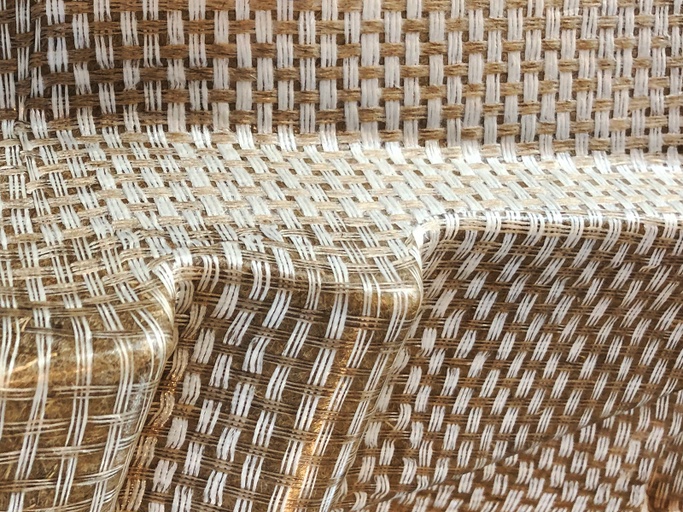
Natural, with a synthetic binder or backing 2

Mostly natural, held together or backed with a synthetic resin.

Engineered wood

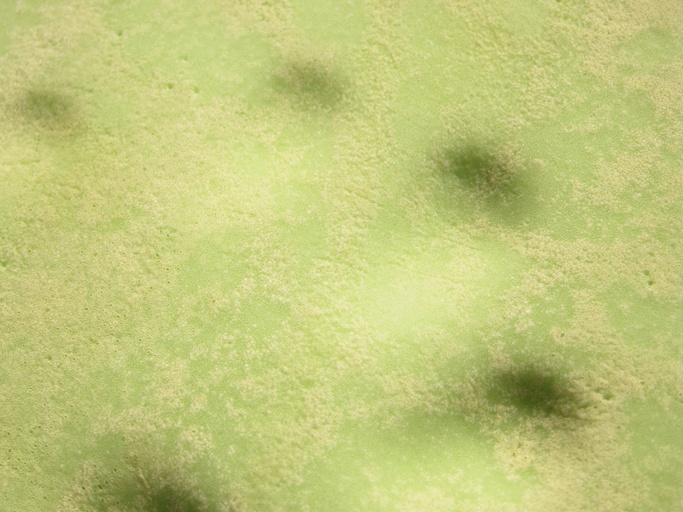
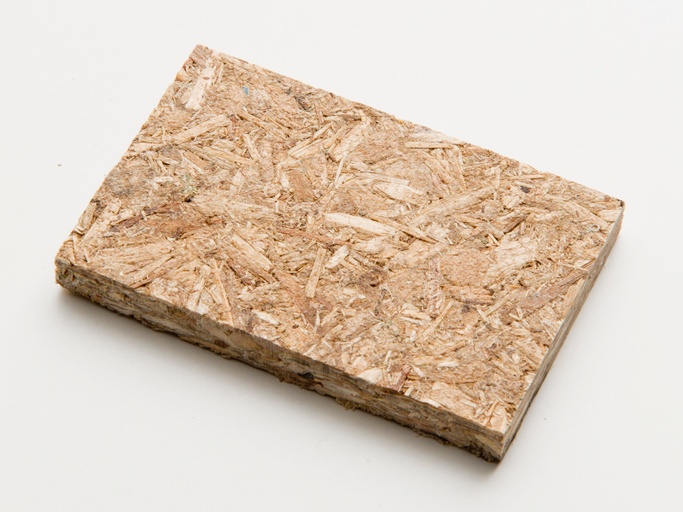
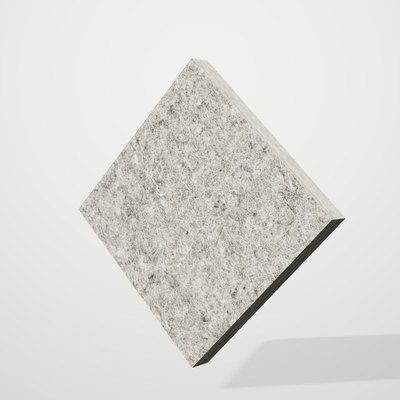
Wood wool cement board (Panel)

Low carbon
This option0.88 kg CO₂e/kg (estimate)Today1.45 kg CO₂e/kg

What you gain

  • 40% less carbon
  • Higher circularity potential
  • Renewable
  • 56% cheaper

What it costs you

  • New concern: low circularity potential
  • About 4.9× heavier
  • Max use temperature 100 °C (vs 700 °C)
Check this material →

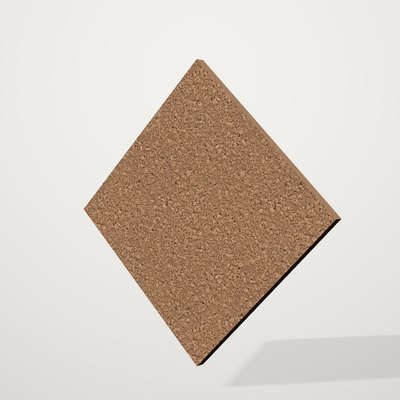
Rubberised cork (Agglomerate)

Moderate carbon
This option1.5 kg CO₂e/kg (estimate)Today1.45 kg CO₂e/kg

What you gain

  • Higher circularity potential
  • Circular end of life
  • 78% cheaper

What it costs you

  • 3% more carbon
  • New concern: microplastics
  • New concern: potentially toxic in use
  • About 4.1× heavier
  • Max use temperature 120 °C (vs 700 °C)

Made a different way: Moulding.

Check this material →

Metal 5

Metals that do the same job, usually with a strong recycling route.

Green steel (Low carbon)

Ultra low carbon
This option0.5 kg CO₂e/kgToday1.45 kg CO₂e/kg

What you gain

  • 66% less carbon
  • Higher circularity potential
  • Plastic free
  • Circular end of life
  • 51% cheaper
  • Avoids: non-renewable ingredients, raw material generates polluting by-products

What it costs you

  • About 68.4× heavier
  • Max use temperature 500 °C (vs 700 °C)
Check this material →

Recycled (Low alloy steel)

Low carbon
This option0.65 kg CO₂e/kgToday1.45 kg CO₂e/kg

What you gain

  • 55% less carbon
  • Higher circularity potential
  • Plastic free
  • Circular end of life
  • Avoids: non-renewable ingredients, raw material generates polluting by-products

What it costs you

  • About 68.3× heavier
  • Max use temperature 300 °C (vs 700 °C)
  • 33% more expensive
Check this material →

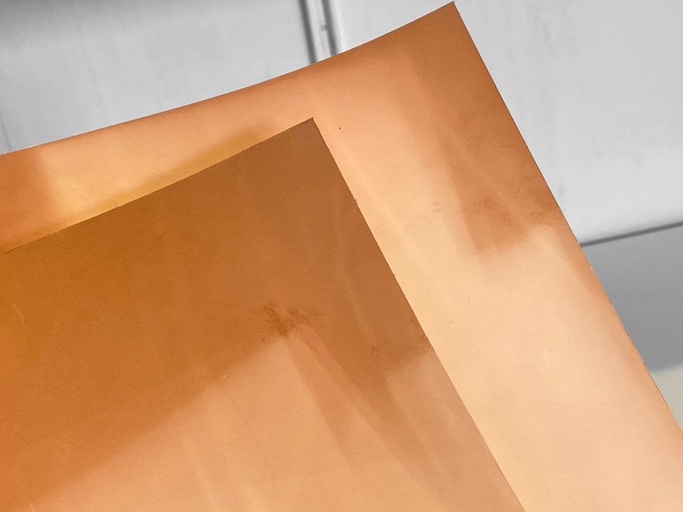
Recycled (Austenitic stainless steel)

Moderate carbon
This option1.6 kg CO₂e/kgToday1.45 kg CO₂e/kg

What you gain

  • Higher circularity potential
  • Plastic free
  • Circular end of life
  • Avoids: non-renewable ingredients, raw material generates polluting by-products

What it costs you

  • 10% more carbon
  • About 69.6× heavier
  • Max use temperature 500 °C (vs 700 °C)
  • About 5.3× the cost
Check this material →

See all 5 metal options in the checker →

Not quite your material?

These are typical grades. The checker does the same comparison for more than 800 materials, or for every part of a product at once.

Companies working on this

Related commercial materials from the database. Listed for reference, not rated.

More guides