Alternatives guide

Alternatives to ABS plastic

15 lower-impact options for ABS plastic, grouped by the kind of change you would be making. The best of them cuts carbon by 88% per kilogram.

ABS plastic

ABS plastic today

Checked as Acrylonitrile butadiene styrene (ABS): General purpose.

3.25 kg CO₂e/kgCarbon: Moderate
LowCircularity potential (estimate)
RecycleTypical end of life

Concerns

Acrylonitrile butadiene styrene (ABS) grades are optimised for injection moulding, sheet extrusion (for thermoforming), blow moulding and 3D printing. Injection moulding grades are mixed with additives to enhance performance, such as UV inhibitors, impact modifiers and flame retardants. ABS takes colour and effects very well, and is often used in combination with highly saturated pigments. Full check for ABS plastic →

Recycled 5

Recycled grades, of the same material where one exists and of close relatives where not.

Recycled high density polyethylene

Ultra low carbon
This option0.45 kg CO₂e/kgToday3.25 kg CO₂e/kg

What you gain

  • 86% less carbon
  • Higher circularity potential
  • Circular end of life
  • 38% cheaper
  • Avoids: non-renewable ingredients, raw material generates polluting by-products

What it costs you

  • 49% less stiff
Check this material →

Thermoplastic polyester

Polyethylene terephthalate (Recycled)

Low carbon
This option0.7 kg CO₂e/kgToday3.25 kg CO₂e/kg

What you gain

  • 78% less carbon
  • Higher circularity potential
  • Circular end of life
  • Avoids: non-renewable ingredients, raw material generates polluting by-products

What it costs you

  • 34% heavier
Check this material →

Polypropylene (PP)

Recycled (Plastic)

Low carbon
This option0.9 kg CO₂e/kgToday3.25 kg CO₂e/kg

What you gain

  • 72% less carbon
  • Higher circularity potential
  • Circular end of life
  • 33% cheaper
  • Avoids: non-renewable ingredients, raw material generates polluting by-products

What it costs you

  • 49% lower strength
  • 65% less stiff
Check this material →

See all 5 recycled options in the checker →

Plant-based plastic 5

Plastics made partly or wholly from plants. Usually a small change in tooling and process.

Bio-based polyethylene (Bio-based plastic)

Moderate carbon
This option1.7 kg CO₂e/kgToday3.25 kg CO₂e/kg

What you gain

  • 48% less carbon
  • Higher circularity potential
  • Renewable
  • Avoids: non-renewable ingredients, raw material generates polluting by-products

What it costs you

  • 49% less stiff
Check this material →

Polypropylene (PP)

Bio-based plastic

Moderate carbon
This option1.95 kg CO₂e/kg (estimate)Today3.25 kg CO₂e/kg

What you gain

  • 40% less carbon
  • Higher circularity potential
  • Renewable
  • Avoids: non-renewable ingredients, raw material generates polluting by-products

What it costs you

  • No trade-offs flagged in the data
Check this material →

Thermoplastic polyester

Polyethylene furanoate (Bio-based plastic)

Low carbon
This option1.2 kg CO₂e/kgToday3.25 kg CO₂e/kg

What you gain

  • 63% less carbon
  • Higher circularity potential
  • Renewable
  • Avoids: non-renewable ingredients, raw material generates polluting by-products

What it costs you

  • New concern: low circularity potential
  • 38% heavier
Check this material →

See all 5 plant-based plastic options in the checker →

Natural, plastic free 1

Leaves plastic behind altogether. A bigger design change, with the biggest gains.

American sycamore (buttonwood, Platanus occidentalis) (Sawnwood kiln dried)

Ultra low carbon
This option0.39 kg CO₂e/kgToday3.25 kg CO₂e/kg

What you gain

  • 88% less carbon
  • Higher circularity potential
  • Plastic free
  • Renewable
  • 50% lighter
  • Avoids: microplastics, non-renewable ingredients, raw material generates polluting by-products

What it costs you

  • 80% more expensive

4.58× stiffer.

Check this material →

Other plastics 4

Other materials that do the same job with a lower footprint.

Polypropylene (PP)

40% talc (Mineral filled)

Moderate carbon
This option1.35 kg CO₂e/kgToday3.25 kg CO₂e/kg

What you gain

  • 58% less carbon
  • Higher circularity potential

What it costs you

  • New concern: low circularity potential
  • 21% heavier
  • 36% lower strength
  • 40% more expensive
Check this material →

Polypropylene (PP)

30% wood flour (Moulded bio-based composite)

Moderate carbon
This option1.6 kg CO₂e/kg (estimate)Today3.25 kg CO₂e/kg

What you gain

  • 51% less carbon
  • Higher circularity potential
  • Renewable
  • 20% lighter
  • 48% cheaper

What it costs you

  • New concern: low circularity potential
  • 59% lower strength
Check this material →

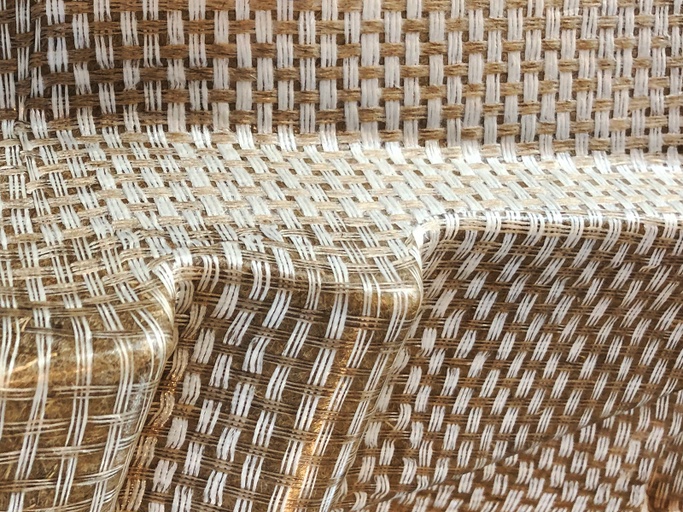
50% continuous flax (Laminated polypropylene composite)

Moderate carbon
This option1.5 kg CO₂e/kg (estimate)Today3.25 kg CO₂e/kg

What you gain

  • 54% less carbon
  • Higher circularity potential
  • Renewable

What it costs you

  • New concern: low circularity potential
  • Far more rigid (9.35× stiffer)
  • About 2.7× the cost
  • Not listed for food contact
Check this material →

See all 4 other plastics options in the checker →

Not quite your material?

These are typical grades. The checker does the same comparison for more than 800 materials, or for every part of a product at once.

Companies working on this

Related commercial materials from the database. Listed for reference, not rated.

More guides