Alternatives guide

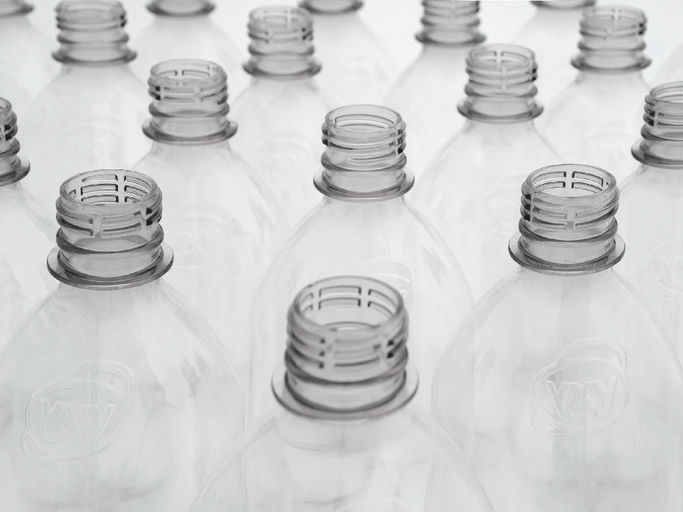
Alternatives to PET plastic

20 lower-impact options for PET plastic, grouped by the kind of change you would be making. The best of them cuts carbon by 92% per kilogram.
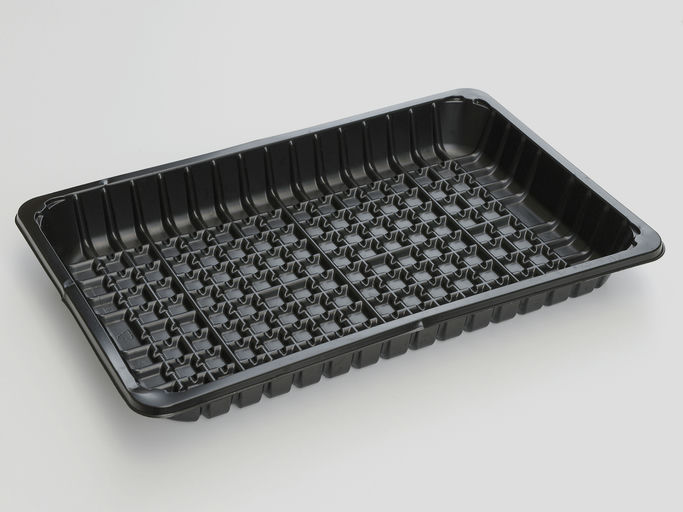
PET plastic

PET plastic today

Checked as Thermoplastic polyester: Polyethylene terephthalate.

2.5 kg CO₂e/kgCarbon: Moderate
ModerateCircularity potential (estimate)
RecycleTypical end of life

Concerns

Semi-crystalline PET, also referred to as PETE or CPET, is opaque and tends to be used for more demanding applications in automotive, furniture, medical and household products. It has good creep strength, low moisture absorption and very good dimensional stability. It can be moulded to a very high quality finish. The surface is suitable for machining and polishing. Full check for PET plastic →

Recycled 5

Recycled grades, of the same material where one exists and of close relatives where not.

Thermoplastic polyester
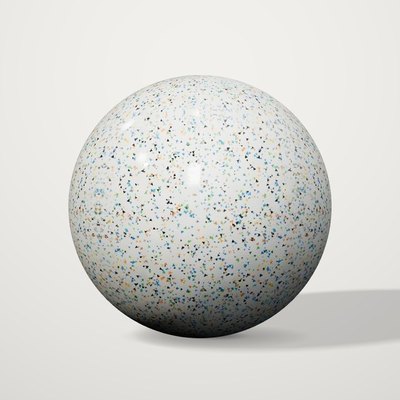
Polyethylene terephthalate (Recycled)

Low carbon
This option0.7 kg CO₂e/kgToday2.5 kg CO₂e/kg

What you gain

  • 72% less carbon
  • Circular end of life
  • Avoids: non-renewable ingredients, raw material generates polluting by-products

What it costs you

  • 29% more expensive
Check this material →

Recycled high density polyethylene

Ultra low carbon
This option0.45 kg CO₂e/kgToday2.5 kg CO₂e/kg

What you gain

  • 82% less carbon
  • Circular end of life
  • 31% lighter
  • Avoids: non-renewable ingredients, raw material generates polluting by-products

What it costs you

  • 61% lower strength
  • 67% less stiff
  • Max use temperature 80 °C (vs 100 °C)
Check this material →

Acrylonitrile butadiene styrene (ABS)

Recycled (Engineering plastic)

Low carbon
This option1.1 kg CO₂e/kgToday2.5 kg CO₂e/kg

What you gain

  • 56% less carbon
  • Circular end of life
  • 25% lighter
  • Avoids: non-renewable ingredients, raw material generates polluting by-products

What it costs you

  • Lower circularity potential
  • 61% lower strength
  • 41% less stiff
  • Max use temperature 80 °C (vs 100 °C)
  • 86% more expensive
Check this material →

See all 5 recycled options in the checker →

Plant-based plastic 4

Plastics made partly or wholly from plants. Usually a small change in tooling and process.
Thermoplastic polyester
Polyethylene furanoate (Bio-based plastic)

Low carbon
This option1.2 kg CO₂e/kgToday2.5 kg CO₂e/kg

What you gain

  • 52% less carbon
  • Renewable
  • Avoids: non-renewable ingredients, raw material generates polluting by-products

What it costs you

  • New concern: low circularity potential
  • Max use temperature 80 °C (vs 100 °C)
  • 77% more expensive
Check this material →

Bio-based polyethylene (Bio-based plastic)

Moderate carbon
This option1.7 kg CO₂e/kgToday2.5 kg CO₂e/kg

What you gain

  • 32% less carbon
  • Renewable
  • 31% lighter
  • Avoids: non-renewable ingredients, raw material generates polluting by-products

What it costs you

  • 61% lower strength
  • 67% less stiff
  • Max use temperature 80 °C (vs 100 °C)
  • 29% more expensive
Check this material →

Polypropylene (PP)

Bio-based plastic

Moderate carbon
This option1.95 kg CO₂e/kg (estimate)Today2.5 kg CO₂e/kg

What you gain

  • 22% less carbon
  • Renewable
  • 35% lighter
  • Avoids: non-renewable ingredients, raw material generates polluting by-products

What it costs you

  • 55% lower strength
  • 50% less stiff
  • 71% more expensive
Check this material →

See all 4 plant-based plastic options in the checker →

Natural, plastic free 2

Leaves plastic behind altogether. A bigger design change, with the biggest gains.
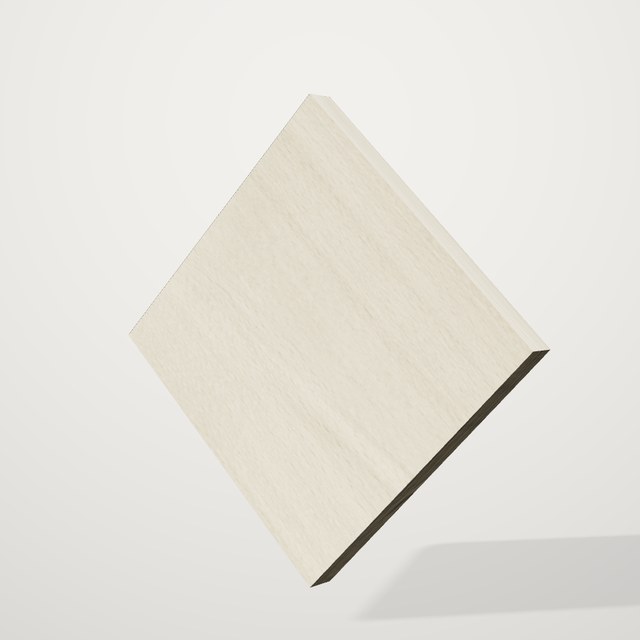
American basswood / European lime (Tilia) (Sawnwood kiln dried)

Ultra low carbon
This option0.39 kg CO₂e/kgToday2.5 kg CO₂e/kg

What you gain

  • 84% less carbon
  • Higher circularity potential
  • Plastic free
  • Renewable
  • 65% lighter
  • Avoids: microplastics, non-renewable ingredients, raw material generates polluting by-products

What it costs you

  • About 2.6× the cost

2.73× stiffer. Made a different way: Pressing.

Check this material →
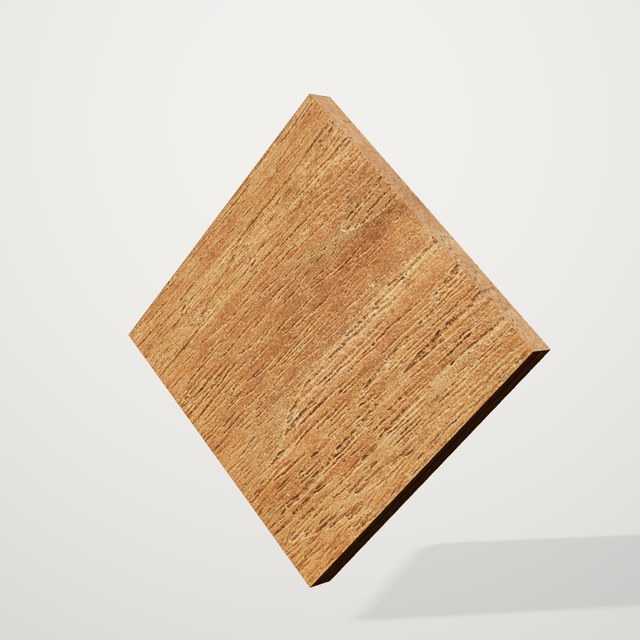
Teak (Tectona grandis) (Sawnwood kiln dried)

Ultra low carbon
This option0.39 kg CO₂e/kgToday2.5 kg CO₂e/kg

What you gain

  • 84% less carbon
  • Higher circularity potential
  • Renewable
  • 53% lighter
  • Avoids: microplastics, non-renewable ingredients, raw material generates polluting by-products

What it costs you

  • New concern: deforestation risk
  • About 7.4× the cost
  • Not listed for food contact

3.29× stiffer.

Check this material →

Natural, with a synthetic binder or backing 2

Mostly natural, held together or backed with a synthetic resin.
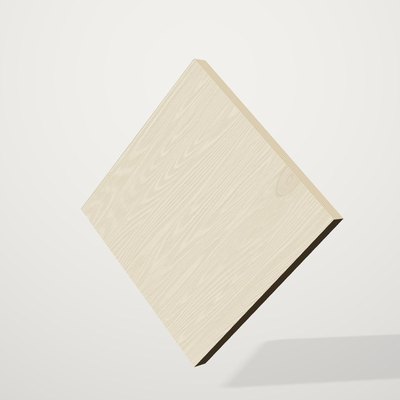
Engineered wood

Spruce-pine-fir (Finger jointed structural timber)

Ultra low carbon
This option0.25 kg CO₂e/kgToday2.5 kg CO₂e/kg

What you gain

  • 90% less carbon
  • Higher circularity potential
  • Renewable
  • 66% lighter
  • 29% cheaper
  • Avoids: microplastics

What it costs you

  • New concern: low circularity potential
  • New concern: potentially toxic in use
  • 86% lower strength

3.52× stiffer.

Check this material →

Rubberised cork (Agglomerate)

Moderate carbon
This option1.5 kg CO₂e/kg (estimate)Today2.5 kg CO₂e/kg

What you gain

  • 40% less carbon
  • Higher circularity potential
  • Circular end of life
  • 66% lighter
  • 71% cheaper

What it costs you

  • New concern: potentially toxic in use
  • 96% lower strength

Made a different way: Moulding.

Check this material →

Glass, ceramic and stone 5

Glass, ceramic, stone and plaster options that do the same job.

Float glass

Heat strengthened (Sheet glass)

Moderate carbon
This option1.5 kg CO₂e/kgToday2.5 kg CO₂e/kg

What you gain

  • 40% less carbon
  • Higher circularity potential
  • Plastic free
  • Circular end of life
  • Avoids: microplastics

What it costs you

  • 79% heavier
  • 52% lower strength

Made a different way: Pressing.

Check this material →
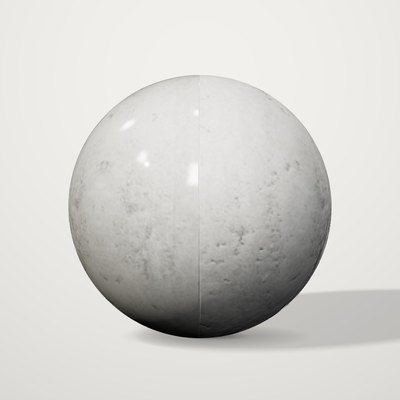
Float glass

Chemically strengthened (Sheet glass)

Moderate carbon
This option1.65 kg CO₂e/kgToday2.5 kg CO₂e/kg

What you gain

  • 34% less carbon
  • Higher circularity potential
  • Plastic free
  • Circular end of life
  • Avoids: microplastics

What it costs you

  • 79% heavier
  • 71% more expensive

Made a different way: Pressing.

Check this material →

Cement & concrete

Medium density (Lightweight concrete)

Ultra low carbon
This option0.2 kg CO₂e/kg (estimate)Today2.5 kg CO₂e/kg

What you gain

  • 92% less carbon
  • 23% lighter
  • 98% cheaper
  • Avoids: microplastics

What it costs you

  • New concern: low circularity potential
  • 97% lower strength
  • Not listed for food contact

2.61× stiffer. Made a different way: Casting, Pouring.

Check this material →

See all 5 glass, ceramic and stone options in the checker →

Other plastics 2

Other materials that do the same job with a lower footprint.
Polypropylene (PP)
40% talc (Mineral filled)

Moderate carbon
This option1.35 kg CO₂e/kgToday2.5 kg CO₂e/kg

What you gain

  • 46% less carbon

What it costs you

  • New concern: low circularity potential
  • 70% lower strength
  • 100% more expensive
Check this material →

Polypropylene (PP)

20% talc (Mineral filled)

Moderate carbon
This option1.7 kg CO₂e/kgToday2.5 kg CO₂e/kg

What you gain

  • 32% less carbon
  • 25% lighter

What it costs you

  • New concern: low circularity potential
  • 75% lower strength
  • 61% less stiff
  • 100% more expensive
Check this material →

Not quite your material?

These are typical grades. The checker does the same comparison for more than 800 materials, or for every part of a product at once.

Companies working on this

Related commercial materials from the database. Listed for reference, not rated.
More guides