Alternatives guide

Alternatives to Rigid polyurethane insulation

15 lower-impact options for rigid polyurethane insulation, grouped by the kind of change you would be making. The best of them cuts carbon by 99% per kilogram.

rigid polyurethane insulation

Rigid polyurethane insulation today

Checked as Polyurethane resin (PUR): Rigid foam insulation.

4.2 kg CO₂e/kgCarbon: Moderate
Ultra lowCircularity potential (estimate)

Concerns

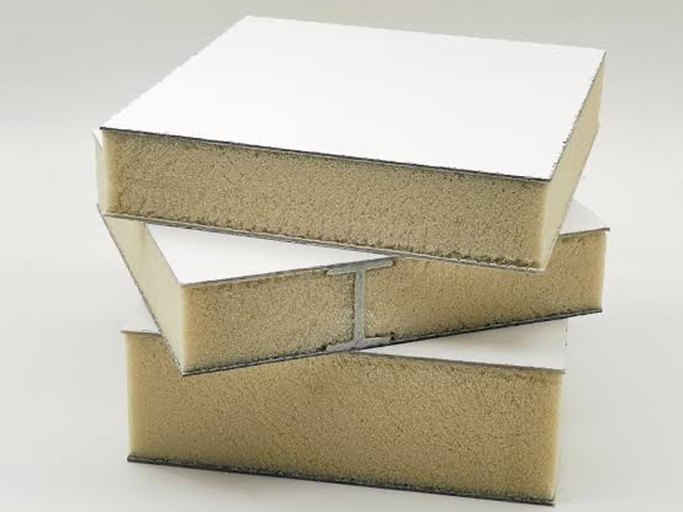
Rigid polyurethane foam is a closed-cell foam whose cells hold a low-conductivity blowing gas, which makes it one of the best common thermal insulators. At 30-45 kg/m3 it is used as insulation board (often faced with foil or paper), in sandwich panels, refrigerator and freezer walls, water tanks and pipe insulation, and as spray foam. Polyisocyanurate (PIR) is a closely related, more fire-resistant rigid foam. Full check for rigid polyurethane insulation →

Natural, plastic free 3

Leaves plastic behind altogether. A bigger design change, with the biggest gains.

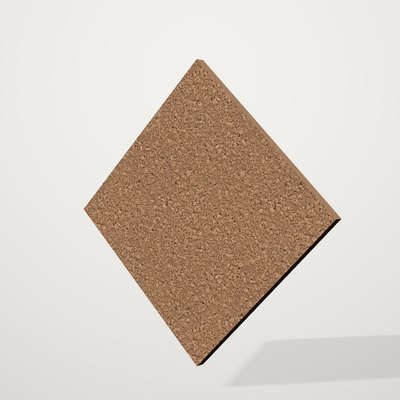
Insulation cork board (Expanded)

Low carbon
This option0.7 kg CO₂e/kgToday4.2 kg CO₂e/kg

What you gain

  • 83% less carbon
  • Higher circularity potential
  • Plastic free
  • Circular end of life
  • Avoids: hazardous end of life, low circularity potential, microplastics, non-renewable ingredients, raw material generates polluting by-products

What it costs you

  • About 5.5× heavier
  • 50% more expensive
Check this material →

Mycocomposite, Mycl composite (Mycelium composite)

Moderate carbon
This option1.25 kg CO₂e/kgToday4.2 kg CO₂e/kg

What you gain

  • 70% less carbon
  • Higher circularity potential
  • Plastic free
  • Renewable
  • Circular end of life
  • Avoids: hazardous end of life, low circularity potential, microplastics, non-renewable ingredients, raw material generates polluting by-products

What it costs you

  • About 6.7× heavier
  • About 4.4× the cost

Made a different way: Moulding.

Check this material →

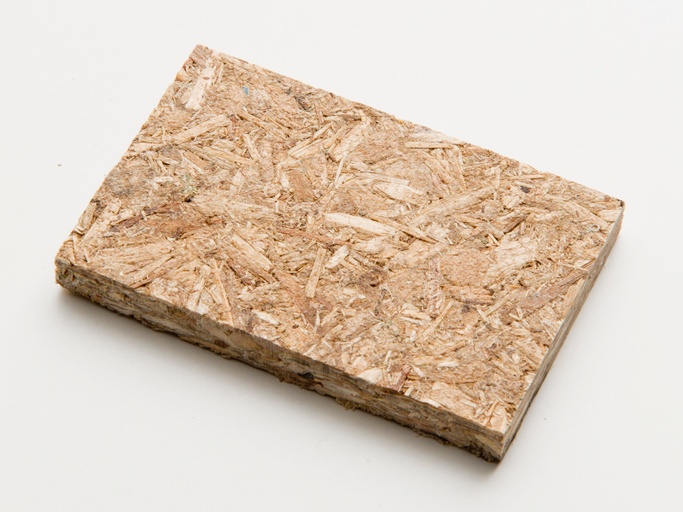
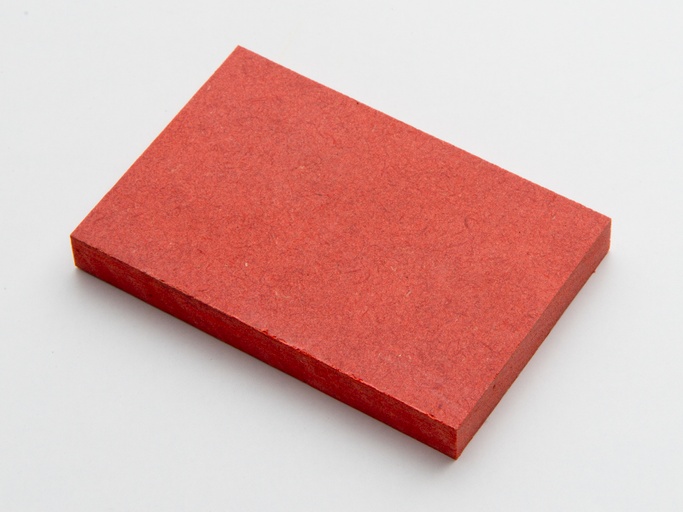
Engineered wood

Insulation (Panel)

Low carbon
This option1.12 kg CO₂e/kgToday4.2 kg CO₂e/kg

What you gain

  • 73% less carbon
  • Higher circularity potential
  • Renewable
  • Circular end of life
  • 56% cheaper
  • Avoids: hazardous end of life, low circularity potential, microplastics, non-renewable ingredients, raw material generates polluting by-products

What it costs you

  • About 4.3× heavier

Different form, same job: thermal insulation.

Check this material →

Natural, with a synthetic binder or backing 3

Mostly natural, held together or backed with a synthetic resin.

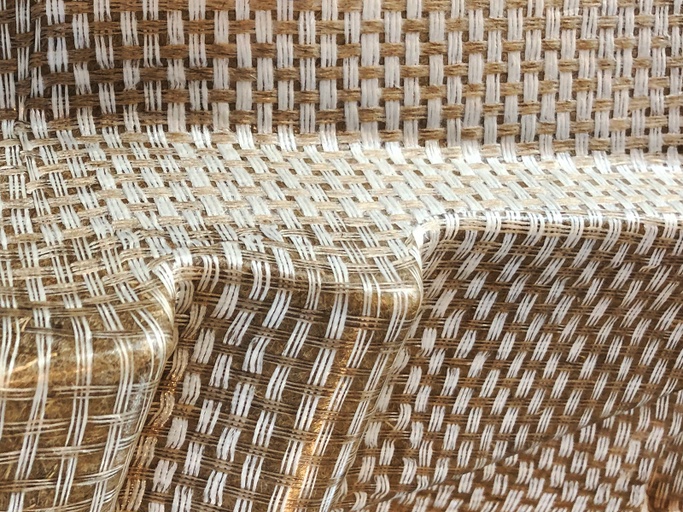
Hemp nonwoven felt / insulation mat

Low carbon
This option1.05 kg CO₂e/kgToday4.2 kg CO₂e/kg

What you gain

  • 75% less carbon
  • Higher circularity potential
  • Renewable
  • Avoids: hazardous end of life, low circularity potential, microplastics, raw material generates polluting by-products

What it costs you

  • About 2.3× heavier
  • 100% more expensive

Different form, same job: thermal insulation. Made a different way: Nonwoven.

Check this material →

Flax nonwoven felt / insulation mat

Moderate carbon
This option2.4 kg CO₂e/kg (estimate)Today4.2 kg CO₂e/kg

What you gain

  • 43% less carbon
  • Higher circularity potential
  • Renewable
  • Avoids: hazardous end of life, low circularity potential, microplastics, raw material generates polluting by-products

What it costs you

  • 33% heavier
  • About 2.9× the cost

Carbon is a family-level figure. Different form, same job: thermal insulation. Made a different way: Nonwoven.

Check this material →

Rubberised cork (Agglomerate)

Moderate carbon
This option1.5 kg CO₂e/kg (estimate)Today4.2 kg CO₂e/kg

What you gain

  • 64% less carbon
  • Higher circularity potential
  • Circular end of life
  • 88% cheaper
  • Avoids: hazardous end of life, low circularity potential

What it costs you

  • New concern: potentially toxic in use
  • About 12.7× heavier

Made a different way: Moulding.

Check this material →

Glass, ceramic and stone 6

Glass, ceramic, stone and plaster options that do the same job.

Soda lime glass

Cellular glass insulation board (foam glass)

Low carbon
This option1.2 kg CO₂e/kgToday4.2 kg CO₂e/kg

What you gain

  • 71% less carbon
  • Higher circularity potential
  • Plastic free
  • Avoids: hazardous end of life, low circularity potential, microplastics, raw material generates polluting by-products

What it costs you

  • About 3.6× heavier

Different form, same job: thermal insulation.

Check this material →

Hempcrete (Hemplime)

Low carbon
This option0.85 kg CO₂e/kg (estimate)Today4.2 kg CO₂e/kg

What you gain

  • 80% less carbon
  • Higher circularity potential
  • Plastic free
  • Renewable
  • Circular end of life
  • 63% cheaper
  • Avoids: hazardous end of life, low circularity potential, microplastics

What it costs you

  • About 11.9× heavier
  • About 15.3× stiffer (firmer)

Different form, same job: thermal insulation. Made a different way: Casting, Compression moulding, Moulding.

Check this material →

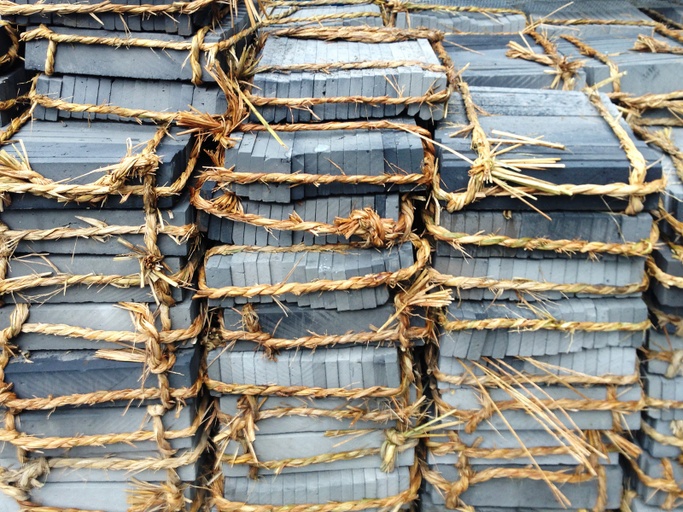
Light earth (straw-clay, woodchip-clay) (Unfired)

Ultra low carbon
This option0.03 kg CO₂e/kg (estimate)Today4.2 kg CO₂e/kg

What you gain

  • 99% less carbon
  • Higher circularity potential
  • Plastic free
  • Renewable
  • Circular end of life
  • 96% cheaper
  • Avoids: hazardous end of life, low circularity potential, microplastics, raw material generates polluting by-products

What it costs you

  • About 20.0× heavier

Different form, same job: thermal insulation. Made a different way: Moulding, Pressing.

Check this material →

See all 6 glass, ceramic and stone options in the checker →

Other plastics 3

Other materials that do the same job with a lower footprint.

Expanded polypropylene, 20-90 g/l (Foam)

Moderate carbon
This option2 kg CO₂e/kgToday4.2 kg CO₂e/kg

What you gain

  • 52% less carbon
  • Higher circularity potential
  • Recyclable
  • Avoids: hazardous end of life, low circularity potential

What it costs you

  • 47% heavier
Check this material →

Formaldehyde resin

Phenolic foam, rigid insulation

Moderate carbon
This option3.25 kg CO₂e/kgToday4.2 kg CO₂e/kg

What you gain

  • 23% less carbon
  • Higher circularity potential
  • Avoids: hazardous end of life

What it costs you

  • 50% more expensive
Check this material →

Polyurethane resin (PUR)

Rigid (Foam)

Moderate carbon
This option3.75 kg CO₂e/kgToday4.2 kg CO₂e/kg

What you gain

  • 11% less carbon
  • 50% cheaper

What it costs you

  • New concern: potentially toxic in use
  • About 4.3× heavier
Check this material →

Not quite your material?

These are typical grades. The checker does the same comparison for more than 800 materials, or for every part of a product at once.

Companies working on this

Related commercial materials from the database. Listed for reference, not rated.

More guides