Alternatives guide

Alternatives to Epoxy resin

15 lower-impact options for epoxy resin, grouped by the kind of change you would be making. The best of them cuts carbon by 97% per kilogram.

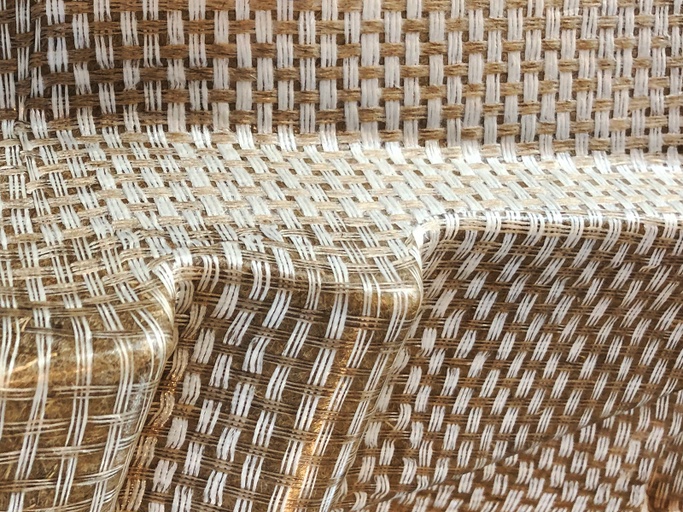
epoxy resin

Epoxy resin today

Checked as Epoxy: Resin.

6.45 kg CO₂e/kgCarbon: High
Ultra lowCircularity potential (estimate)

Concerns

Epoxy is the most important commercial composite matrix resin, used in a range of applications, including construction, civil engineering, aerospace, automotive, transport, furniture, products, sports and industry. It is more expensive than commodity thermosetting systems, such as polyester and vinyl ester. Full check for epoxy resin →

Plant-based plastic 3

Plastics made partly or wholly from plants. Usually a small change in tooling and process.

50% continuous flax (Laminated polylactic acid composite)

Moderate carbon
This option2.1 kg CO₂e/kg (estimate)Today6.45 kg CO₂e/kg

What you gain

  • 67% less carbon
  • Higher circularity potential
  • Renewable
  • Circular end of life
  • 44% cheaper
  • Avoids: low circularity potential, non-renewable ingredients, potentially toxic in use

What it costs you

  • New concern: microplastics
  • 24% heavier
  • Far more rigid (7.12× stiffer)
  • Max use temperature 80 °C (vs 200 °C)
Check this material →

Polyurethane resin (PUR)

Bio-based plastic

Moderate carbon
This option2.75 kg CO₂e/kg (estimate)Today6.45 kg CO₂e/kg

What you gain

  • 57% less carbon
  • Renewable
  • Avoids: non-renewable ingredients, potentially toxic in use, raw material generates polluting by-products

What it costs you

  • New concern: microplastics
  • Max use temperature 100 °C (vs 200 °C)
  • 52% more expensive
Check this material →

Epoxy

Bio-resin, Super Sap

Moderate carbon
This option4.85 kg CO₂e/kg (estimate)Today6.45 kg CO₂e/kg

What you gain

  • 25% less carbon

What it costs you

  • Max use temperature 100 °C (vs 200 °C)
  • 60% more expensive
Check this material →

Natural, plastic free 6

Leaves plastic behind altogether. A bigger design change, with the biggest gains.

Larch

Eastern, Tamarack, Western, Siberian, European, Japanese (Sawnwood kiln dried)

Ultra low carbon
This option0.19 kg CO₂e/kgToday6.45 kg CO₂e/kg

What you gain

  • 97% less carbon
  • Higher circularity potential
  • Plastic free
  • Renewable
  • Circular end of life
  • 47% lighter
  • 68% cheaper
  • Avoids: low circularity potential, non-renewable ingredients, potentially toxic in use, raw material generates polluting by-products

What it costs you

  • Max use temperature 150 °C (vs 200 °C)

4.83× stiffer.

Check this material →

Beech

American, European (Sawnwood kiln dried)

Ultra low carbon
This option0.39 kg CO₂e/kgToday6.45 kg CO₂e/kg

What you gain

  • 94% less carbon
  • Higher circularity potential
  • Plastic free
  • Renewable
  • Circular end of life
  • 30% lighter
  • 86% cheaper
  • Avoids: low circularity potential, non-renewable ingredients, potentially toxic in use, raw material generates polluting by-products

What it costs you

  • Max use temperature 150 °C (vs 200 °C)

4.9× stiffer. Made a different way: Pressing, Steam bending.

Check this material →

Chestnut

American, Sweet (Spanish, European), Japanese (kuri), Chinese (Sawnwood kiln dried)

Ultra low carbon
This option0.39 kg CO₂e/kgToday6.45 kg CO₂e/kg

What you gain

  • 94% less carbon
  • Higher circularity potential
  • Plastic free
  • Renewable
  • Circular end of life
  • 51% lighter
  • 60% cheaper
  • Avoids: low circularity potential, non-renewable ingredients, potentially toxic in use, raw material generates polluting by-products

What it costs you

  • Max use temperature 150 °C (vs 200 °C)

3.31× stiffer.

Check this material →

See all 6 natural, plastic free options in the checker →

Natural, with a synthetic binder or backing 1

Mostly natural, held together or backed with a synthetic resin.

Engineered wood

Parallel strand lumber (Structural composite lumber)

Low carbon
This option0.6 kg CO₂e/kg (estimate)Today6.45 kg CO₂e/kg

What you gain

  • 91% less carbon
  • Higher circularity potential
  • Renewable
  • 35% lighter
  • 70% cheaper

What it costs you

  • Far more rigid (5.31× stiffer)
  • Max use temperature 150 °C (vs 200 °C)

Carbon is a family-level figure.

Check this material →

Glass, ceramic and stone 1

Glass, ceramic, stone and plaster options that do the same job.

Float glass

Chemically strengthened (Sheet glass)

Moderate carbon
This option1.65 kg CO₂e/kgToday6.45 kg CO₂e/kg

What you gain

  • 74% less carbon
  • Higher circularity potential
  • Plastic free
  • Circular end of life
  • 76% cheaper
  • Avoids: low circularity potential, potentially toxic in use

What it costs you

  • About 2.3× heavier

Made a different way: Pressing.

Check this material →

Other options 4

Other materials that do the same job with a lower footprint.

Compression moulded with 40% random oriented sisal (Composite)

Moderate carbon
This option1.45 kg CO₂e/kg (estimate)Today6.45 kg CO₂e/kg

What you gain

  • 78% less carbon
  • Higher circularity potential
  • Renewable
  • 80% cheaper
  • Avoids: potentially toxic in use, raw material generates polluting by-products

What it costs you

  • Max use temperature 80 °C (vs 200 °C)
2.04× stiffer.

Check this material →

Polypropylene (PP)

Self-reinforced PP (Laminated composite)

Moderate carbon
This option2.25 kg CO₂e/kgToday6.45 kg CO₂e/kg

What you gain

  • 65% less carbon
  • Higher circularity potential
  • Recyclable
  • 16% lighter
  • 20% cheaper
  • Avoids: potentially toxic in use

What it costs you

  • New concern: microplastics
  • Max use temperature 100 °C (vs 200 °C)
Check this material →

60% continuous flax (Laminated polypropylene composite)

Moderate carbon
This option1.35 kg CO₂e/kg (estimate)Today6.45 kg CO₂e/kg

What you gain

  • 79% less carbon
  • Higher circularity potential
  • Renewable
  • 40% cheaper
  • Avoids: potentially toxic in use

What it costs you

  • New concern: microplastics
  • Far more rigid (8.08× stiffer)
  • Max use temperature 100 °C (vs 200 °C)
Check this material →

See all 4 other options options in the checker →

Not quite your material?

These are typical grades. The checker does the same comparison for more than 800 materials, or for every part of a product at once.

Companies working on this

Related commercial materials from the database. Listed for reference, not rated.

More guides