Topic
Sustainable fashion materials
Fibres, fabrics, leathers and trims used in clothing and footwear, with the lowest-carbon ones first.
Carbon is per kilogram of material and is only one measure. Water, land, chemicals and how long a garment lasts matter too; the full check shows the concerns for each.
Materials used in fashion, footwear and textiles
194 materials in 63 families. Lowest carbon first.
Ultra low carbon
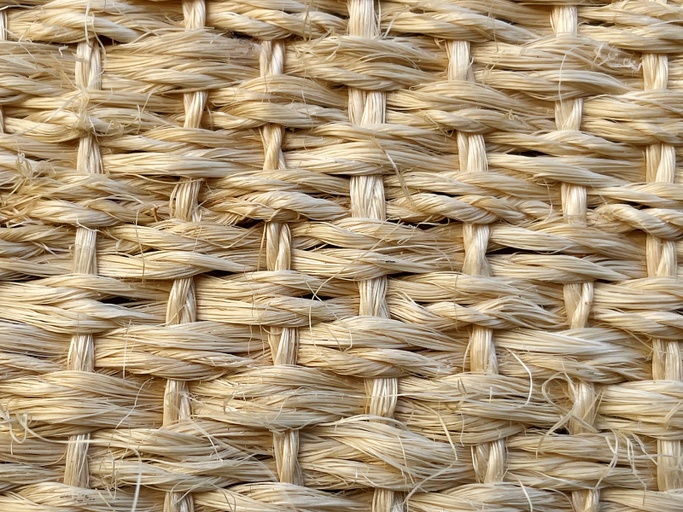 Sisal
 Abaca fibre
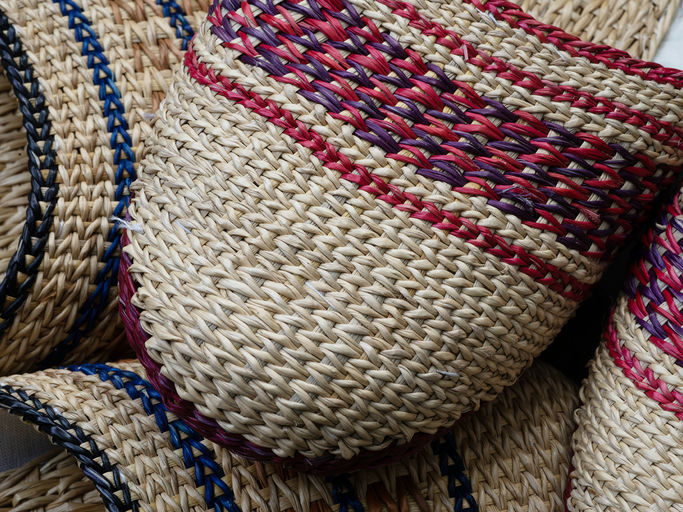 Grass
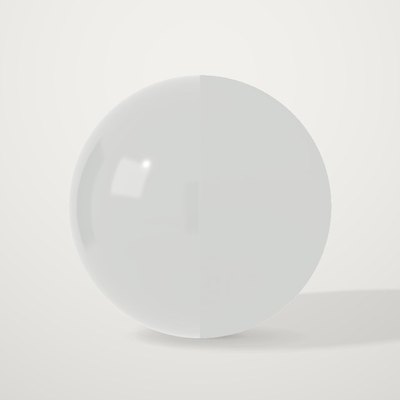 Polyvinyl butyral
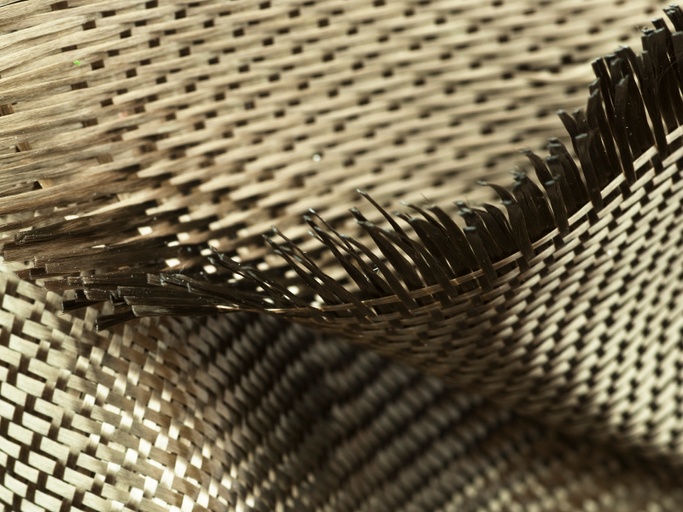 Basalt fibre
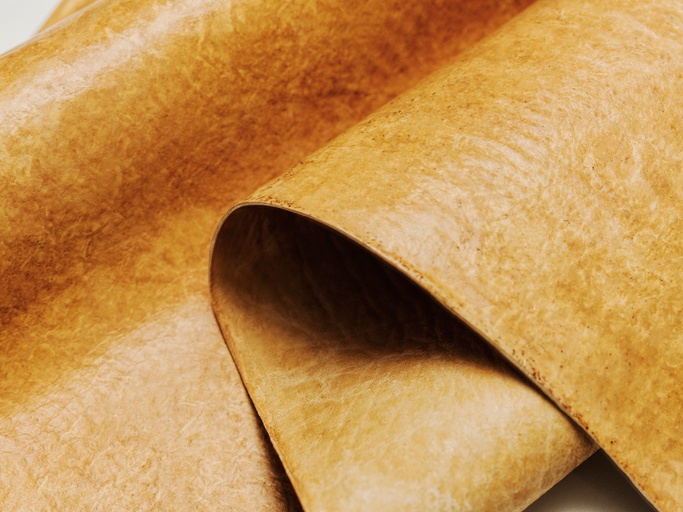 Mycelium
Low carbon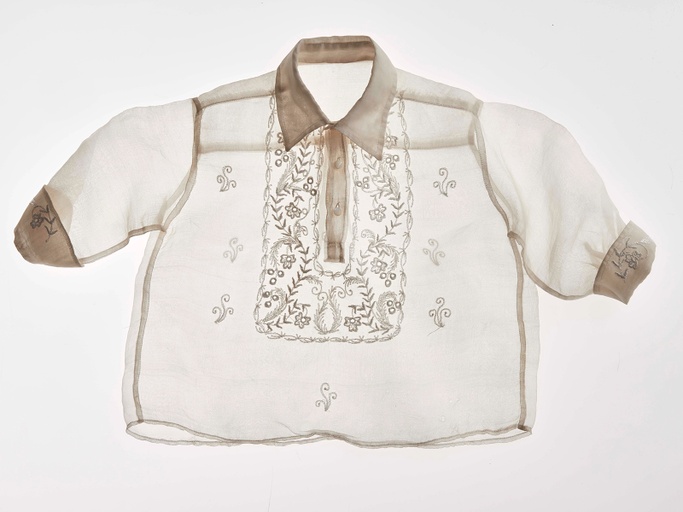 Pineapple fibre, piñafrom 0.55 kg CO₂e/kg · 2 types
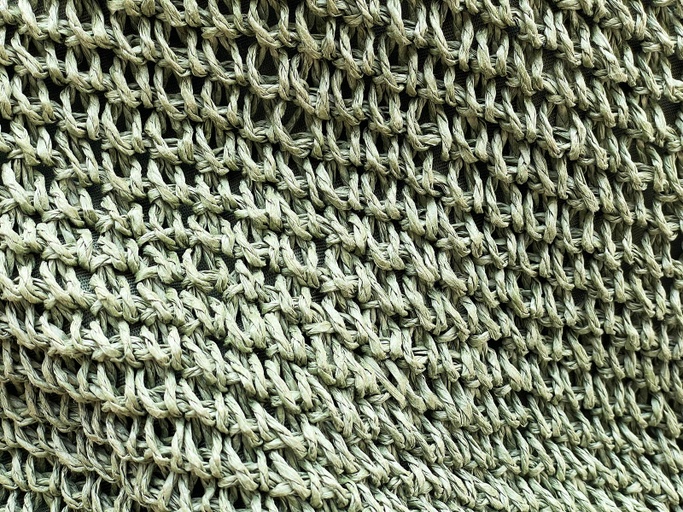 Raffiafrom 0.6 kg CO₂e/kg · 1 type
 Pigments & dyesfrom 0.6 kg CO₂e/kg · 4 types
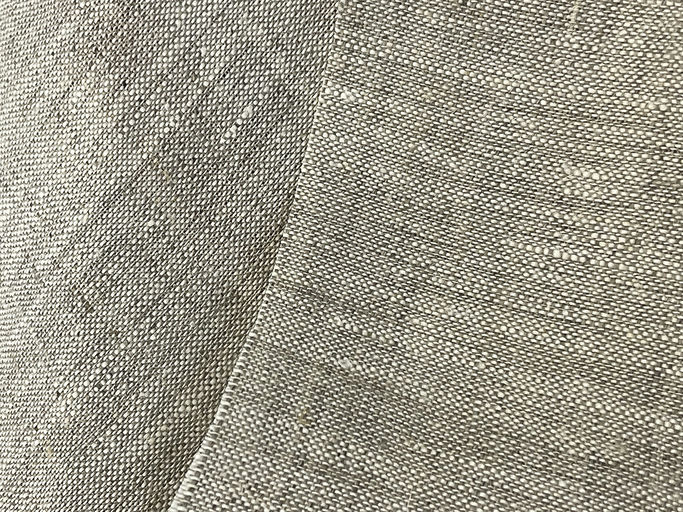 Hempfrom 0.62 kg CO₂e/kg · 1 type
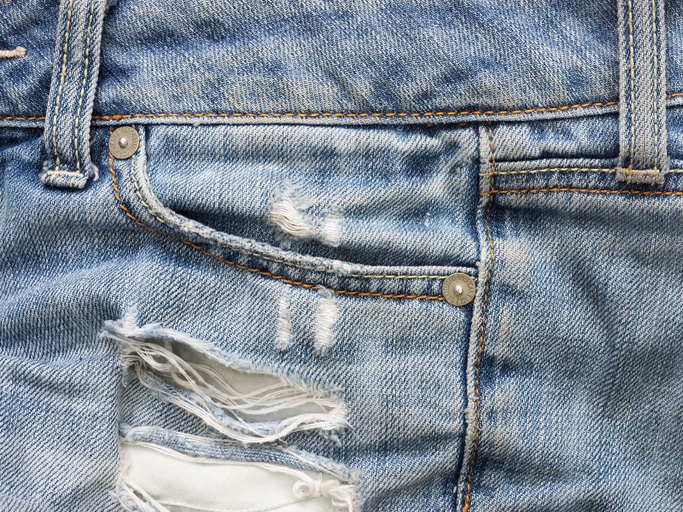 Cottonfrom 0.65 kg CO₂e/kg · 3 types
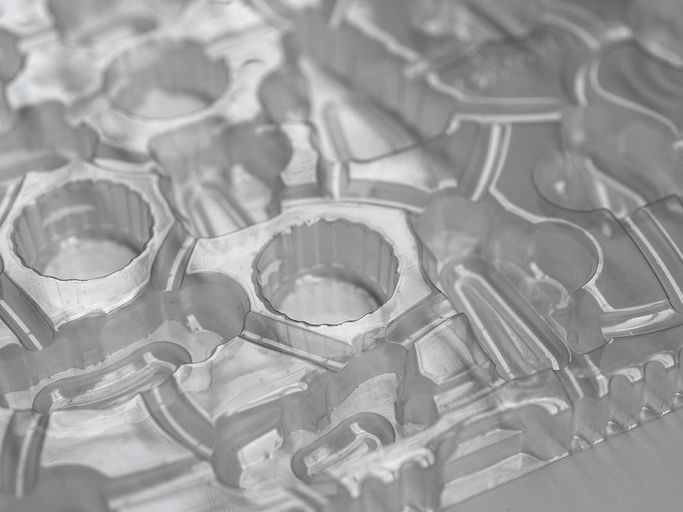 Thermoplastic polyesterfrom 0.7 kg CO₂e/kg · 6 types
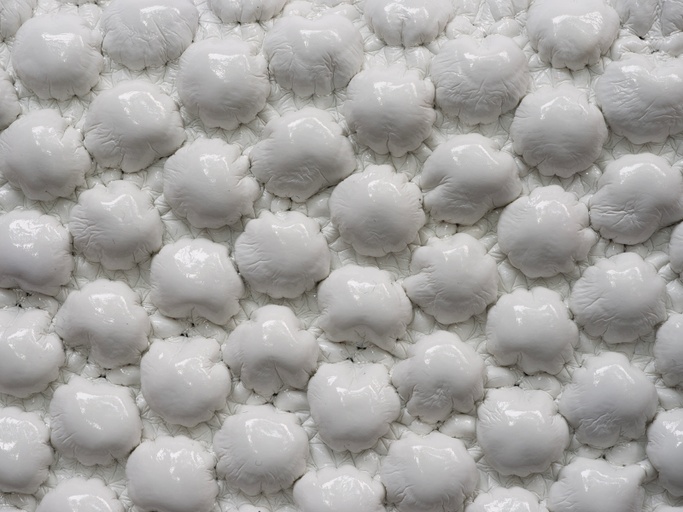 Thermoplastic polyurethane (TPU)from 0.7 kg CO₂e/kg · 5 types
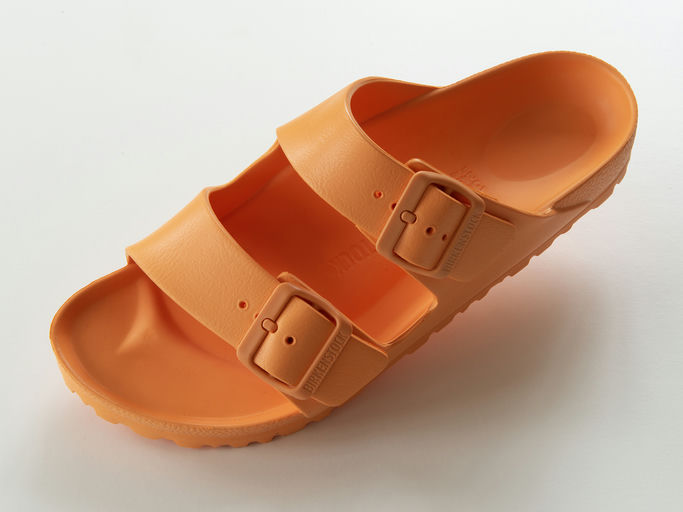 Ethylene vinyl acetate (EVA)from 0.8 kg CO₂e/kg · 6 types
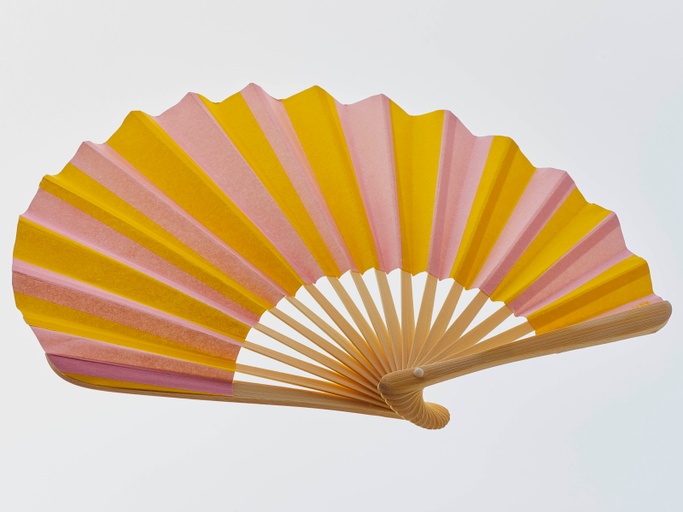 Paperfrom 0.88 kg CO₂e/kg · 2 types
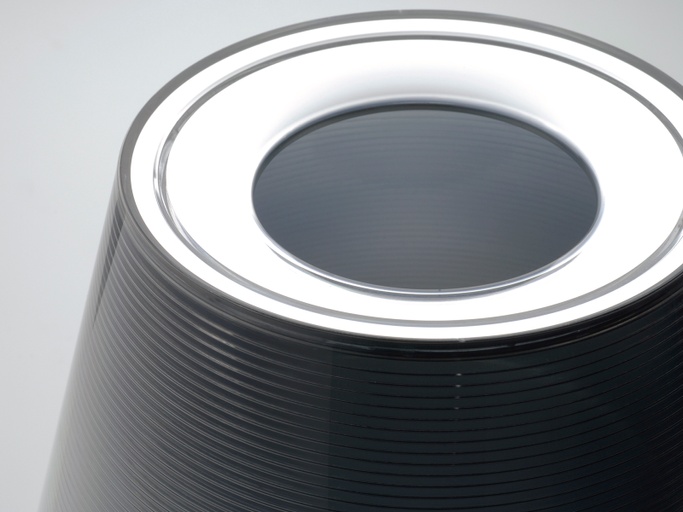 Polycarbonate (PC)from 0.9 kg CO₂e/kg · 3 types
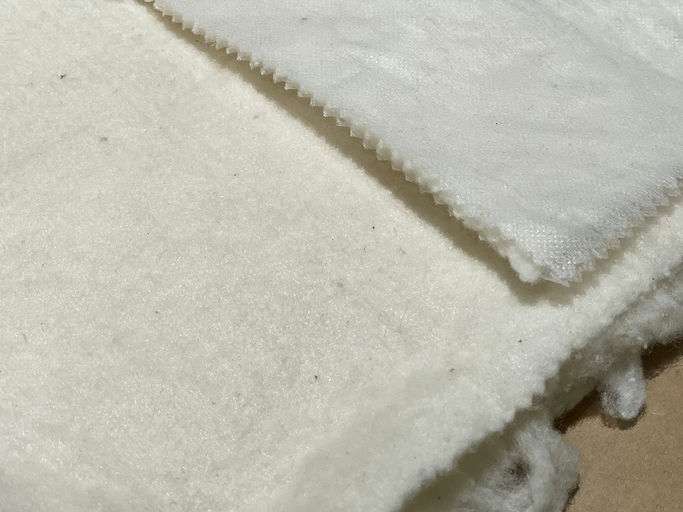 Kapokfrom 0.9 kg CO₂e/kg · 2 types
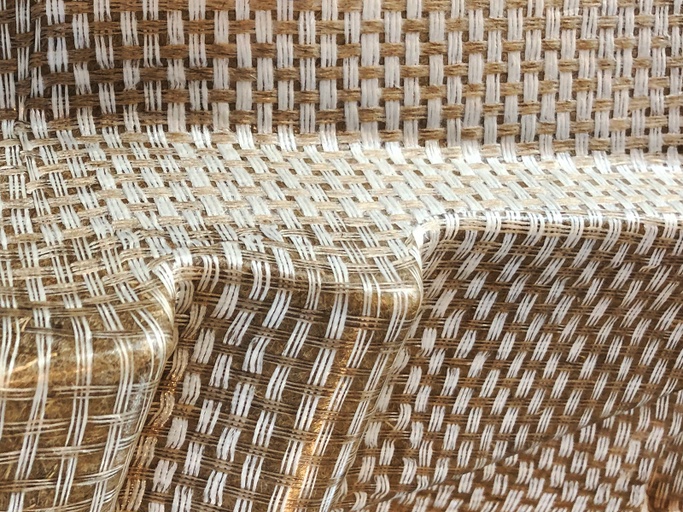 Jute fibrefrom 0.95 kg CO₂e/kg · 1 type
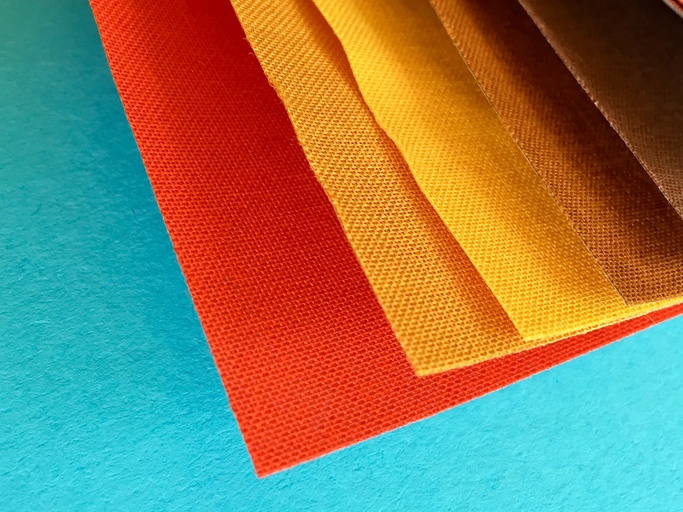 Regenerated cellulosefrom 1 kg CO₂e/kg · 5 types
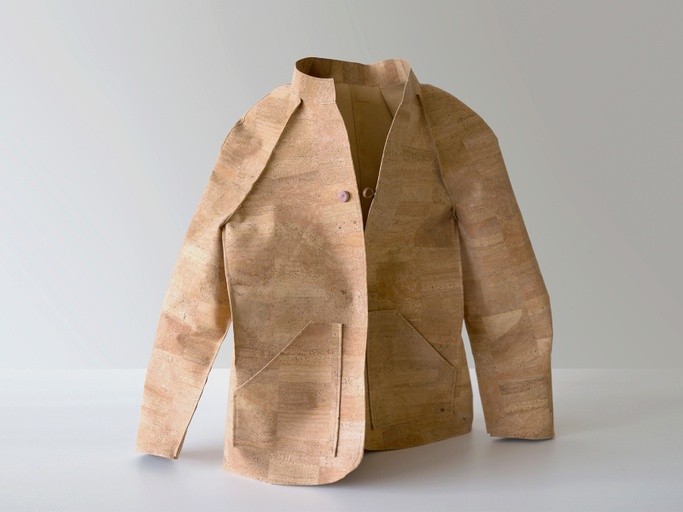 Corkfrom 1.1 kg CO₂e/kg · 2 types
 Mineral woolfrom 1.2 kg CO₂e/kg · 1 type
Pineapple fibre, piñafrom 0.55 kg CO₂e/kg · 2 typesRaffiafrom 0.6 kg CO₂e/kg · 1 typePigments & dyesfrom 0.6 kg CO₂e/kg · 4 typesHempfrom 0.62 kg CO₂e/kg · 1 typeCottonfrom 0.65 kg CO₂e/kg · 3 typesThermoplastic polyesterfrom 0.7 kg CO₂e/kg · 6 typesThermoplastic polyurethane (TPU)from 0.7 kg CO₂e/kg · 5 typesEthylene vinyl acetate (EVA)from 0.8 kg CO₂e/kg · 6 typesPaperfrom 0.88 kg CO₂e/kg · 2 typesPolycarbonate (PC)from 0.9 kg CO₂e/kg · 3 typesKapokfrom 0.9 kg CO₂e/kg · 2 typesJute fibrefrom 0.95 kg CO₂e/kg · 1 typeRegenerated cellulosefrom 1 kg CO₂e/kg · 5 typesCorkfrom 1.1 kg CO₂e/kg · 2 typesMineral woolfrom 1.2 kg CO₂e/kg · 1 typeModerate carbon Natural waxesfrom 1.25 kg CO₂e/kg · 1 type
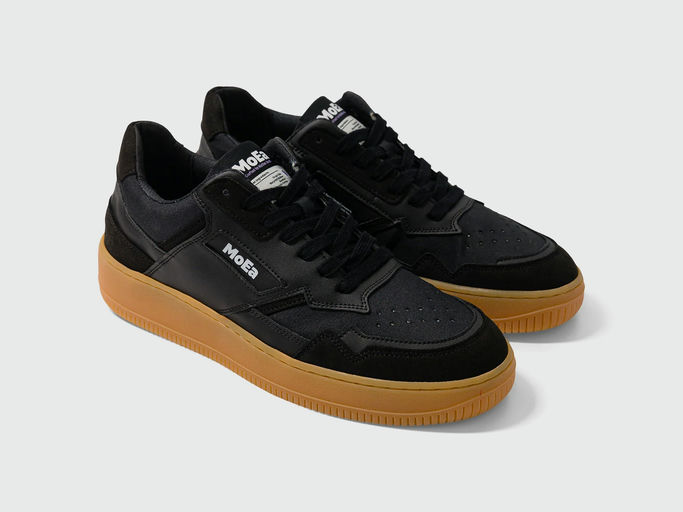 Natural rubberfrom 1.6 kg CO₂e/kg · 2 types
 Polyamide (PA)from 1.6 kg CO₂e/kg · 15 types
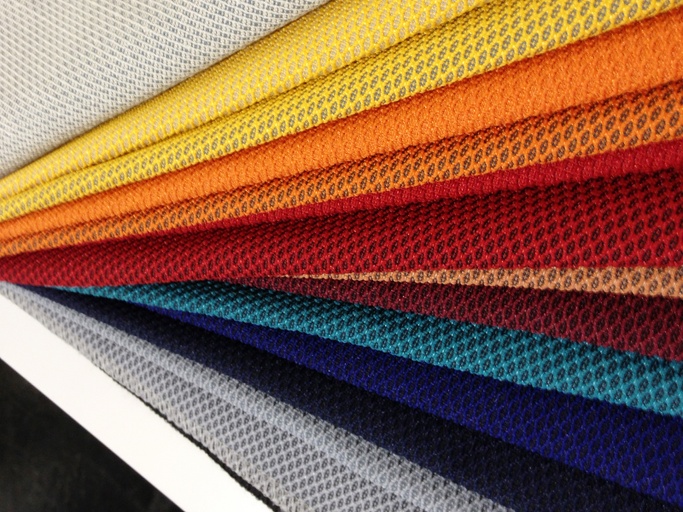 Polyamide fibre (PA)from 1.6 kg CO₂e/kg · 2 types
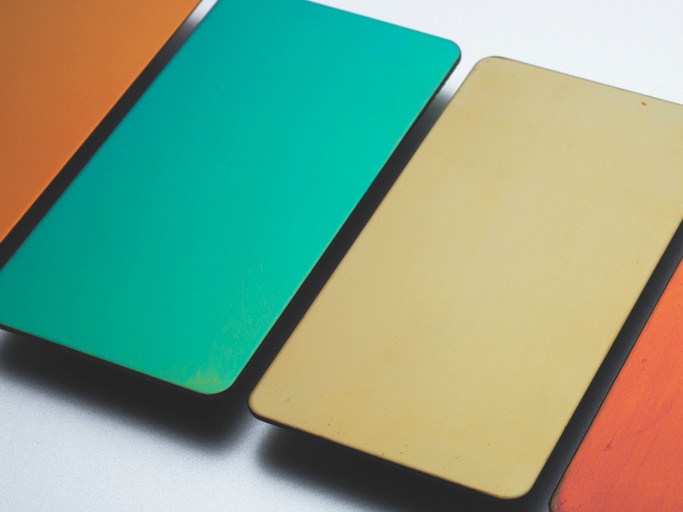 Stainless steelfrom 1.6 kg CO₂e/kg · 5 typesFlax, Linenfrom 1.65 kg CO₂e/kg · 1 type
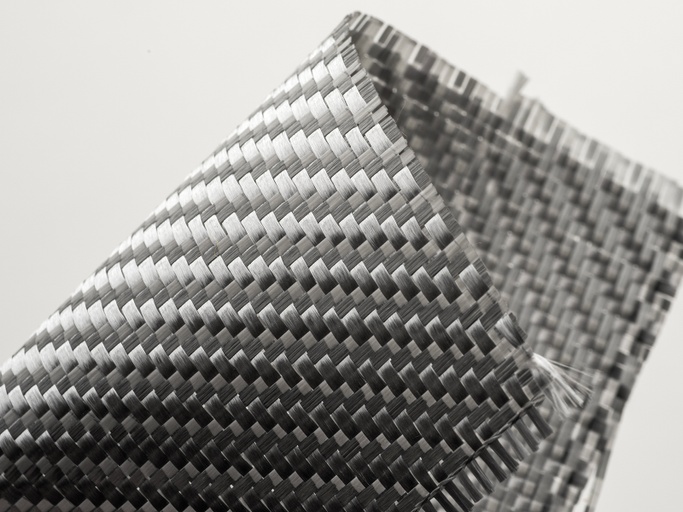 E-glass fibrefrom 1.75 kg CO₂e/kg · 1 type
 Polypropylene (PP)from 1.85 kg CO₂e/kg · 9 types
 Polyester fibrefrom 2 kg CO₂e/kg · 4 types
 Soda lime glassfrom 2.15 kg CO₂e/kg · 1 type
 High modulus glass fibrefrom 2.25 kg CO₂e/kg · 3 types
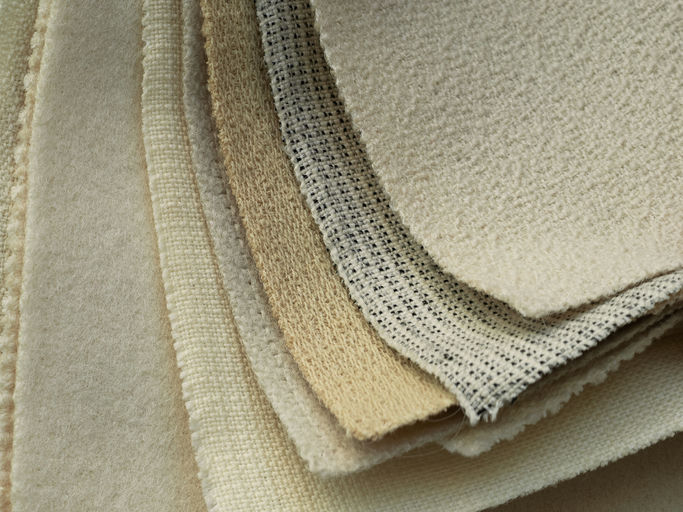 Ramiefrom 2.25 kg CO₂e/kg · 1 type
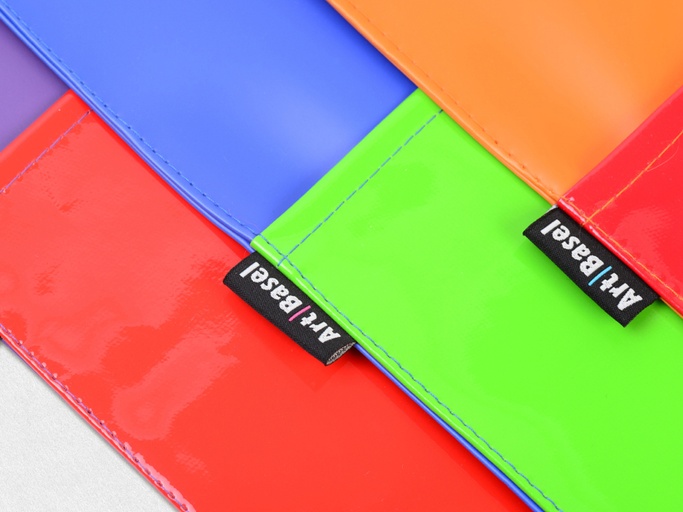 Polyvinyl chloride (PVC)from 2.3 kg CO₂e/kg · 2 types
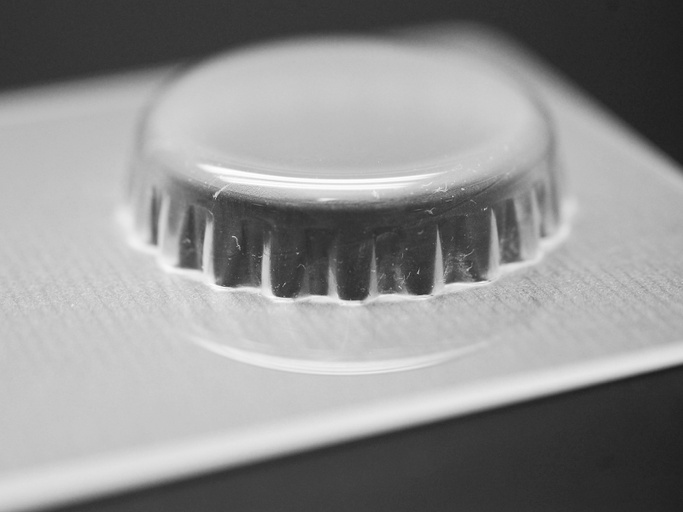 Aluminosilicate glassfrom 2.5 kg CO₂e/kg · 1 type
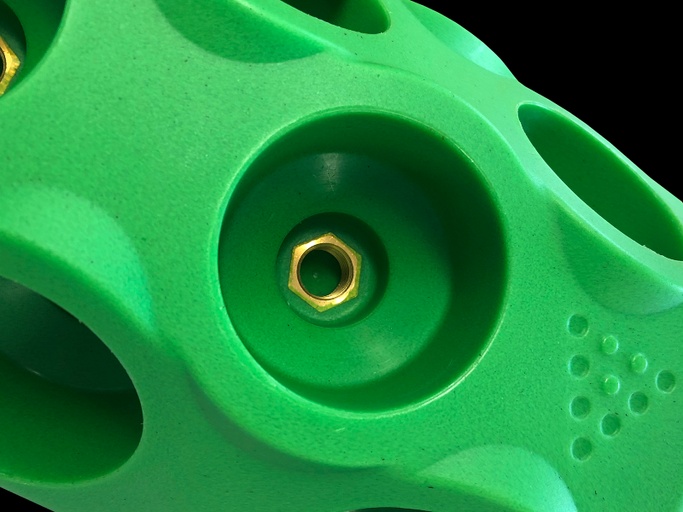 Polyethylene (PE)from 2.5 kg CO₂e/kg · 2 types
 Polyurethane resin (PUR)from 2.75 kg CO₂e/kg · 7 types
 Copper, Brass & Bronzefrom 2.75 kg CO₂e/kg · 1 type
 Synthetic rubberfrom 2.95 kg CO₂e/kg · 4 types
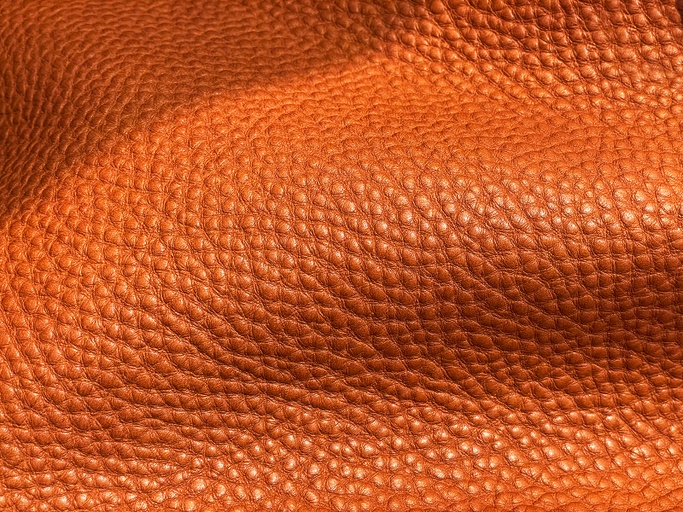 Cowhidefrom 3 kg CO₂e/kg · 6 types
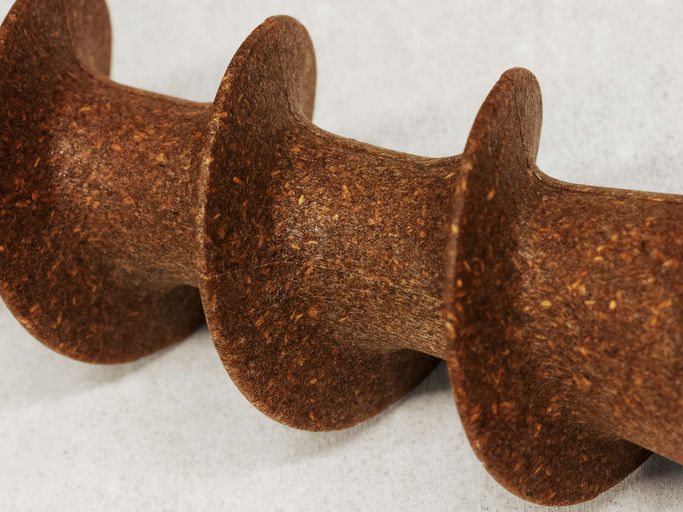 Biodegradable polyesterfrom 3.05 kg CO₂e/kg · 7 types
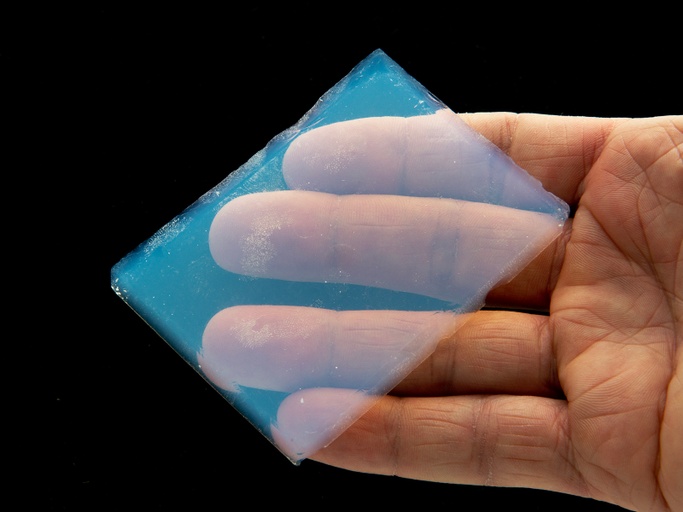 Silicafrom 3.5 kg CO₂e/kg · 1 type
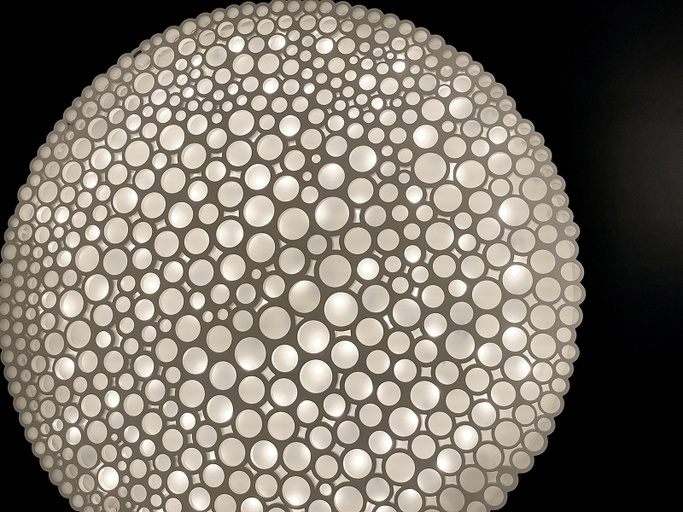 Acrylonitrile styrene acrylate (ASA)from 3.65 kg CO₂e/kg · 1 type
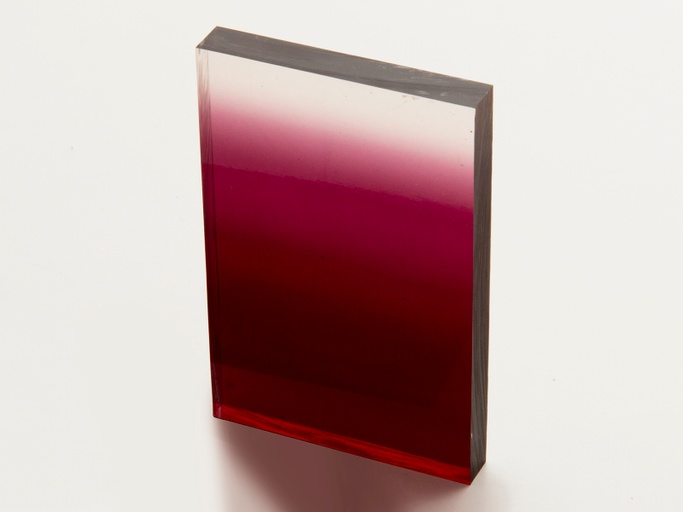 Cellulose acetate (CA)from 4.5 kg CO₂e/kg · 4 types
Natural waxesfrom 1.25 kg CO₂e/kg · 1 typeNatural rubberfrom 1.6 kg CO₂e/kg · 2 typesPolyamide (PA)from 1.6 kg CO₂e/kg · 15 typesPolyamide fibre (PA)from 1.6 kg CO₂e/kg · 2 typesStainless steelfrom 1.6 kg CO₂e/kg · 5 typesFlax, Linenfrom 1.65 kg CO₂e/kg · 1 typeE-glass fibrefrom 1.75 kg CO₂e/kg · 1 typePolypropylene (PP)from 1.85 kg CO₂e/kg · 9 typesPolyester fibrefrom 2 kg CO₂e/kg · 4 typesSoda lime glassfrom 2.15 kg CO₂e/kg · 1 typeHigh modulus glass fibrefrom 2.25 kg CO₂e/kg · 3 typesRamiefrom 2.25 kg CO₂e/kg · 1 typePolyvinyl chloride (PVC)from 2.3 kg CO₂e/kg · 2 typesAluminosilicate glassfrom 2.5 kg CO₂e/kg · 1 typePolyethylene (PE)from 2.5 kg CO₂e/kg · 2 typesPolyurethane resin (PUR)from 2.75 kg CO₂e/kg · 7 typesCopper, Brass & Bronzefrom 2.75 kg CO₂e/kg · 1 typeSynthetic rubberfrom 2.95 kg CO₂e/kg · 4 typesCowhidefrom 3 kg CO₂e/kg · 6 typesBiodegradable polyesterfrom 3.05 kg CO₂e/kg · 7 typesSilicafrom 3.5 kg CO₂e/kg · 1 typeAcrylonitrile styrene acrylate (ASA)from 3.65 kg CO₂e/kg · 1 typeCellulose acetate (CA)from 4.5 kg CO₂e/kg · 4 typesHigh carbon and above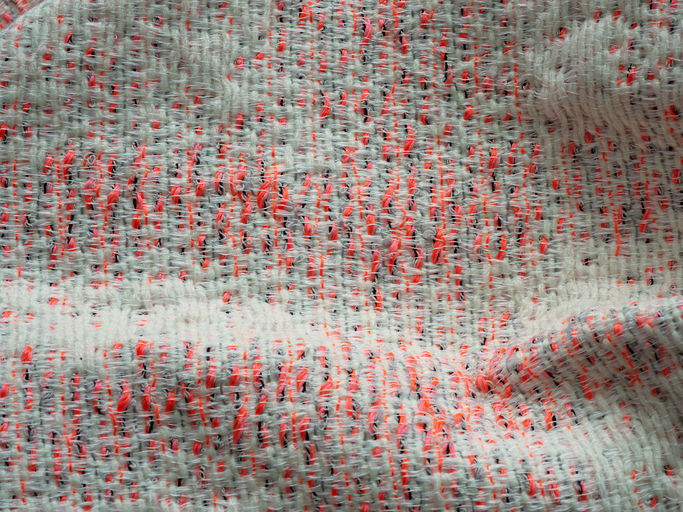 Acrylic fibre (PAN)from 6 kg CO₂e/kg · 2 types
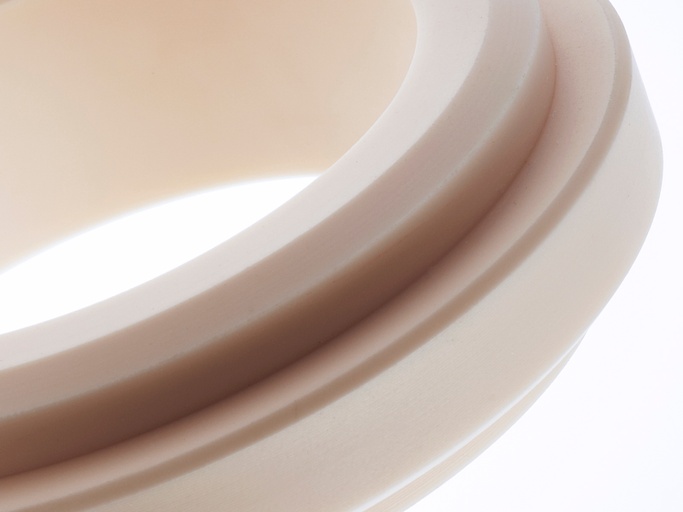 Technical ceramicfrom 6.25 kg CO₂e/kg · 1 type
 Polymethyl methacrylate (PMMA)from 6.47 kg CO₂e/kg · 2 types
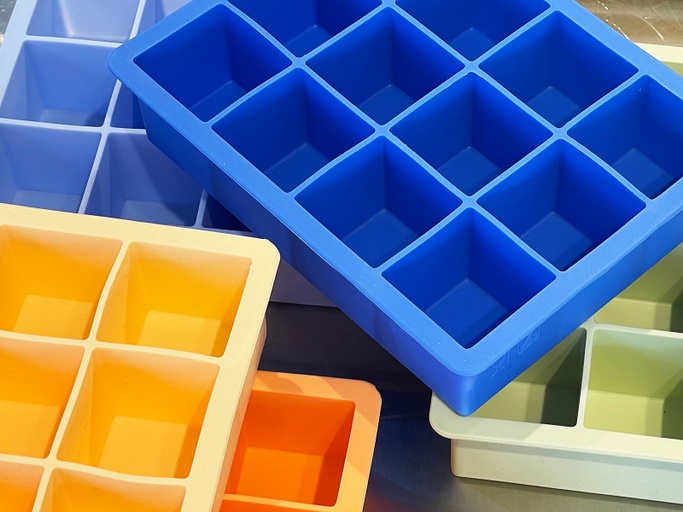 Siliconefrom 6.8 kg CO₂e/kg · 1 type
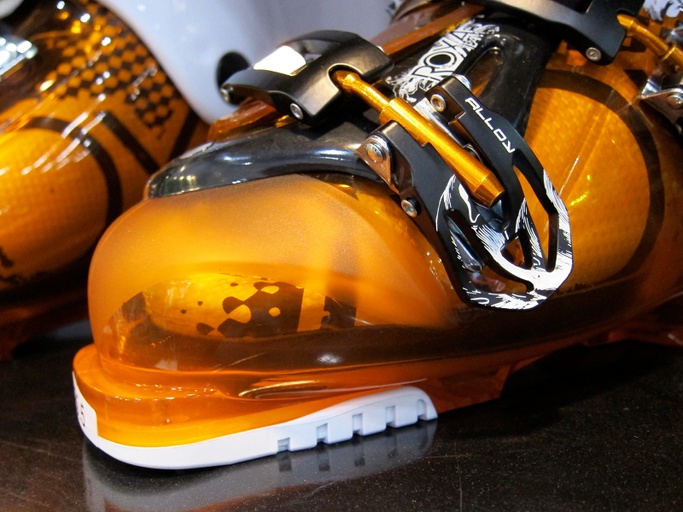 Thermoplastic elastomer (TPE)from 7 kg CO₂e/kg · 1 type
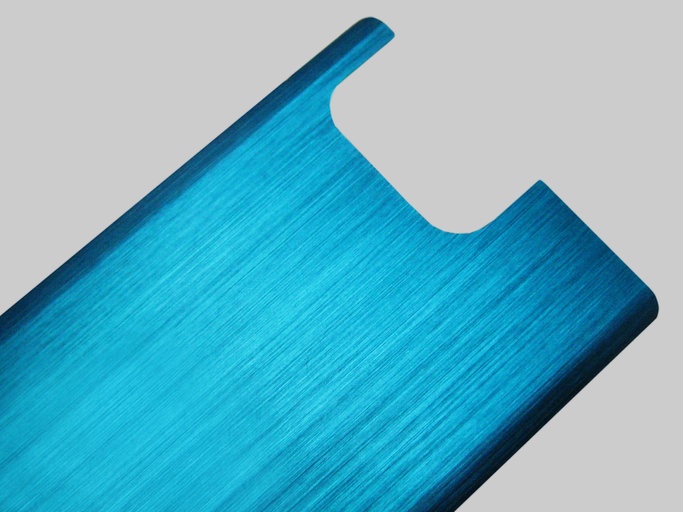 Aluminiumfrom 10.6 kg CO₂e/kg · 1 type
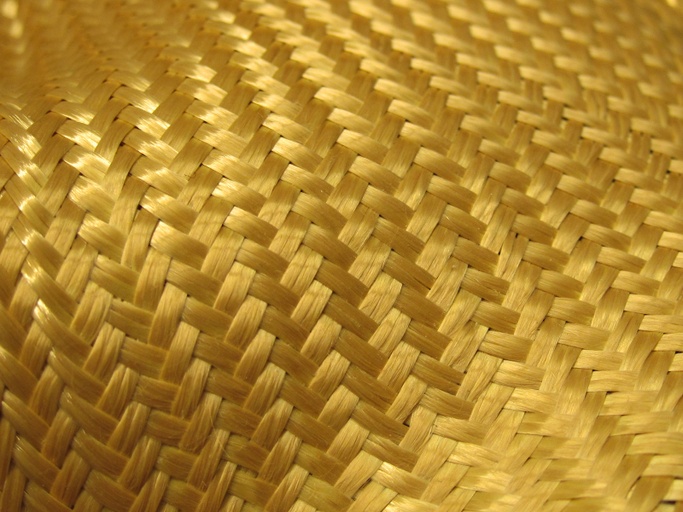 Aramid fibre (AF)from 10.8 kg CO₂e/kg · 8 types
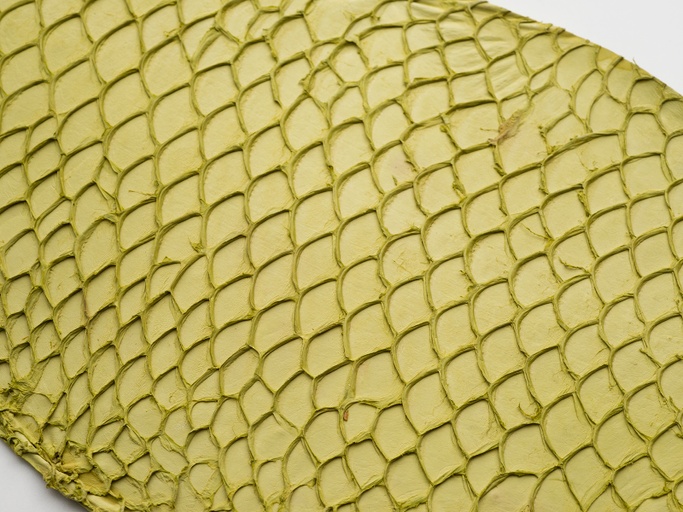 Exotic leatherfrom 11.5 kg CO₂e/kg · 6 types
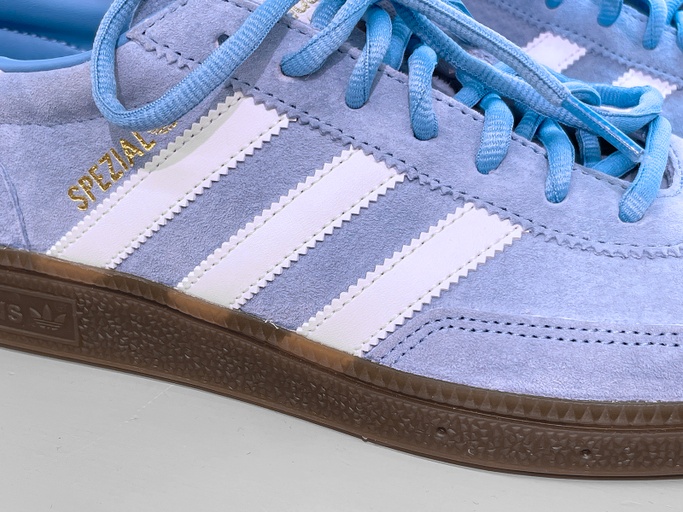 Pigskinfrom 15.0 kg CO₂e/kg · 1 type
 Fluoropolymerfrom 15.5 kg CO₂e/kg · 3 types
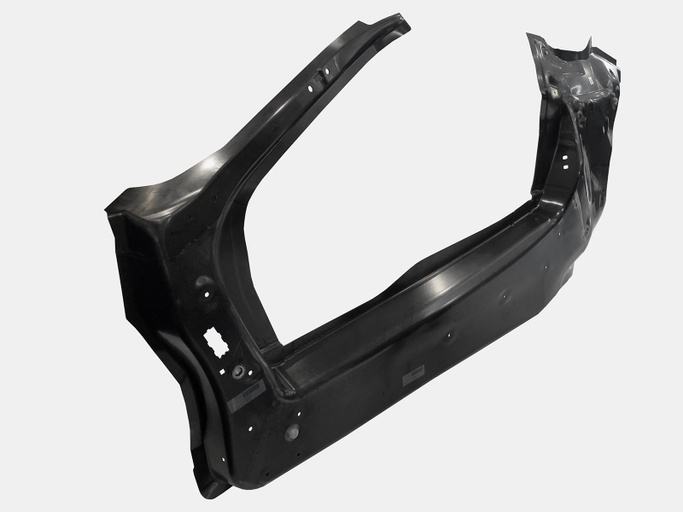 Carbon fibre (CF)from 17.2 kg CO₂e/kg · 15 types
 Sheepskinfrom 30.0 kg CO₂e/kg · 2 types
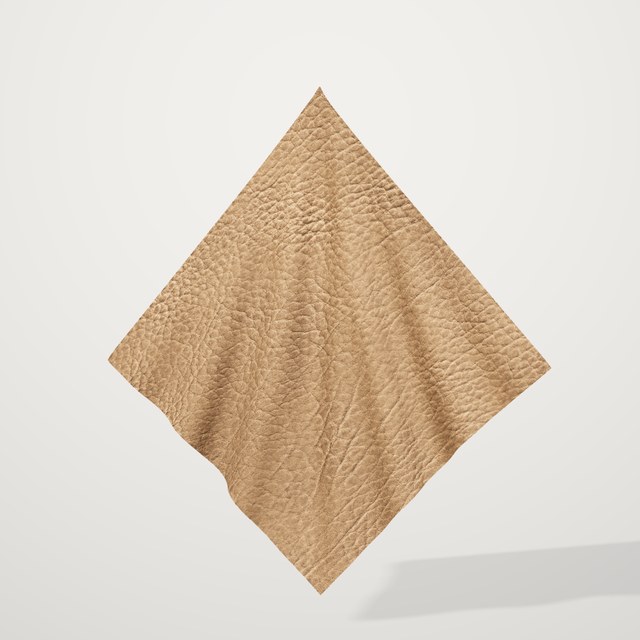 Deerskinfrom 30.0 kg CO₂e/kg · 1 type
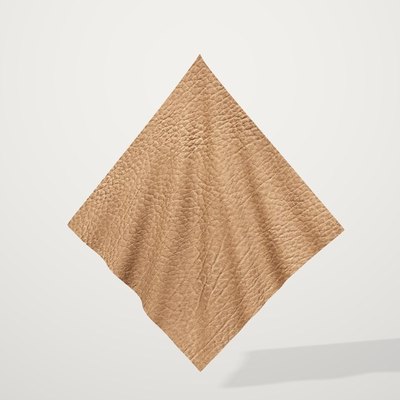 Goatskinfrom 30.0 kg CO₂e/kg · 1 type
 Silkfrom 82.5 kg CO₂e/kg · 2 types
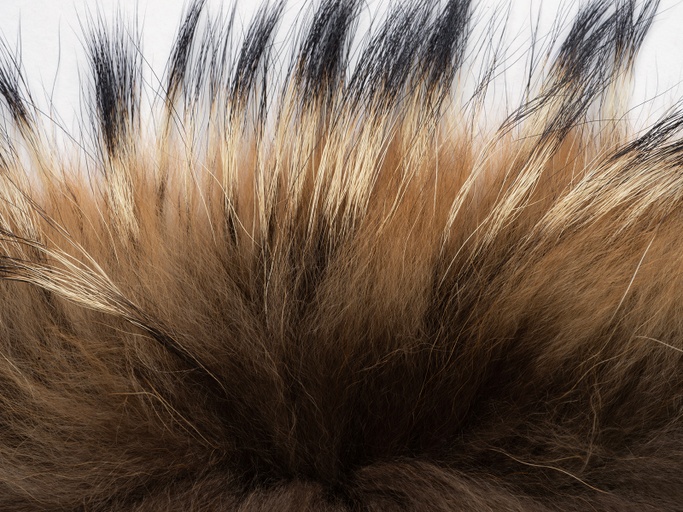 Furfrom 225.0 kg CO₂e/kg · 1 type
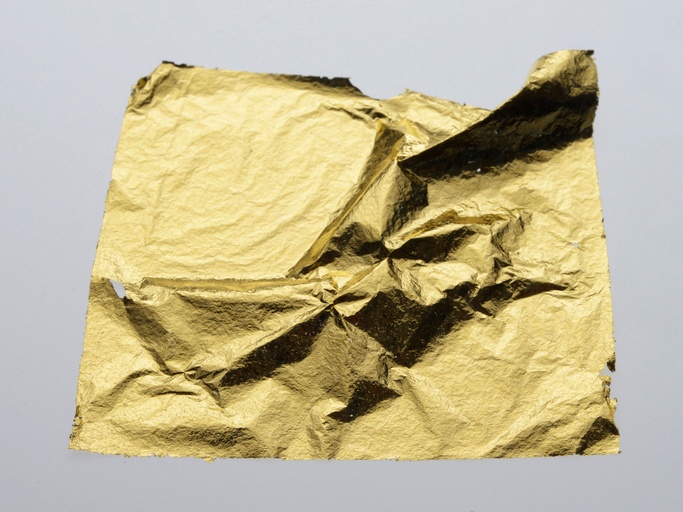 Goldfrom 7350.0 kg CO₂e/kg · 5 types
Acrylic fibre (PAN)from 6 kg CO₂e/kg · 2 typesTechnical ceramicfrom 6.25 kg CO₂e/kg · 1 typePolymethyl methacrylate (PMMA)from 6.47 kg CO₂e/kg · 2 typesSiliconefrom 6.8 kg CO₂e/kg · 1 typeThermoplastic elastomer (TPE)from 7 kg CO₂e/kg · 1 typeAluminiumfrom 10.6 kg CO₂e/kg · 1 typeAramid fibre (AF)from 10.8 kg CO₂e/kg · 8 typesExotic leatherfrom 11.5 kg CO₂e/kg · 6 typesPigskinfrom 15.0 kg CO₂e/kg · 1 typeFluoropolymerfrom 15.5 kg CO₂e/kg · 3 typesCarbon fibre (CF)from 17.2 kg CO₂e/kg · 15 typesSheepskinfrom 30.0 kg CO₂e/kg · 2 typesDeerskinfrom 30.0 kg CO₂e/kg · 1 typeGoatskinfrom 30.0 kg CO₂e/kg · 1 typeSilkfrom 82.5 kg CO₂e/kg · 2 typesFurfrom 225.0 kg CO₂e/kg · 1 typeGoldfrom 7350.0 kg CO₂e/kg · 5 typesNo carbon figure yet
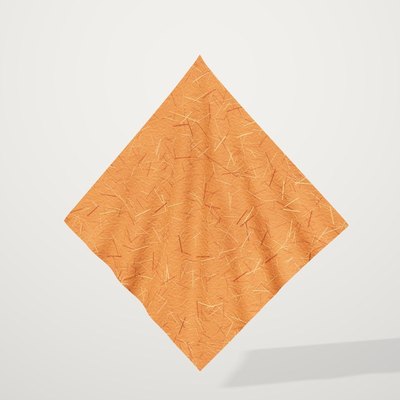 Bark cloth
Rules and certifications to know
Last checked 28 October 2026. Outlined ones have a guide.
- Global Organic Textile Standard (GOTS)
- OEKO-TEX STANDARD 100 / LEATHER STANDARD
- Global Recycled Standard (GRS)
- Responsible Wool Standard (RWS)
- Leather Working Group (LWG)
- Masters of FLAX FIBRE (formerly European Flax)
- BCI Cotton (Better Cotton Initiative)
- Extended producer responsibility for textiles (Directive (EU) 2025/1892)
Replacing something?
Have a material in mind?
The checker shows its carbon, its concerns and what you could use instead, for more than 800 materials or every part of a product at once.
Companies and materials to know
Commercial materials from the database. Listed for reference, not rated. Showing 18 of 147.
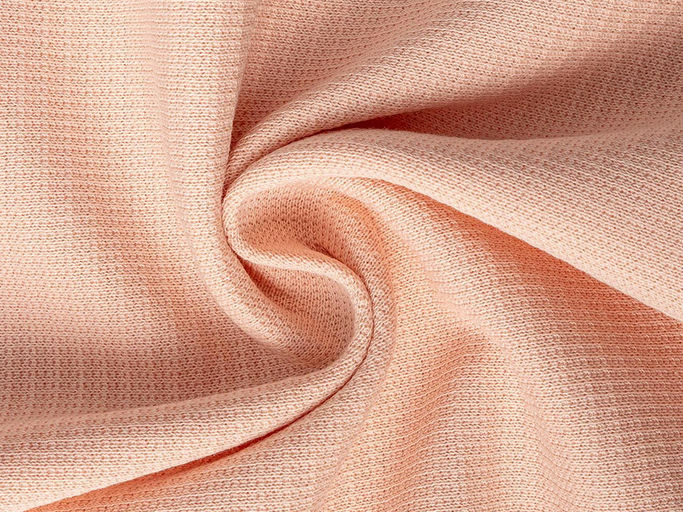 Agraloop Biofiber natural fibre by Circular SystemsAgraloop Biofibre is a textile fibre produced from agricultural products and leftovers, such as hemp, flax, banana and pineapple.Image: Circular Systems
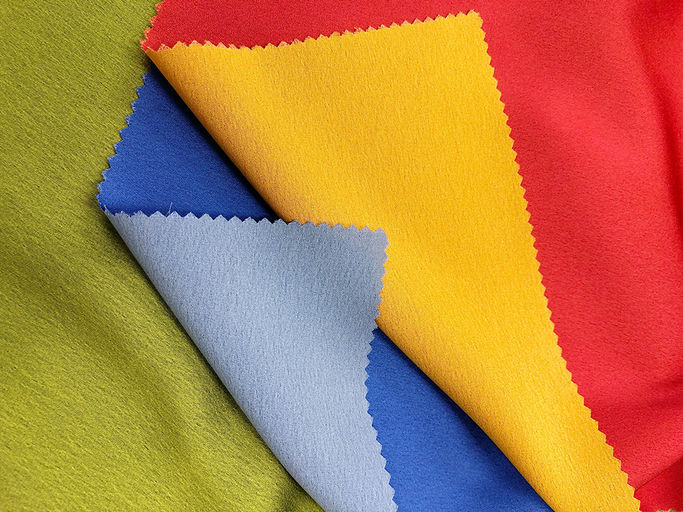 AirDye waterless transfer printing by DebsAirDye is a textile transfer printing technology that uses disperse dyes printed onto a paper carrier.Image: Debs (AirDye)
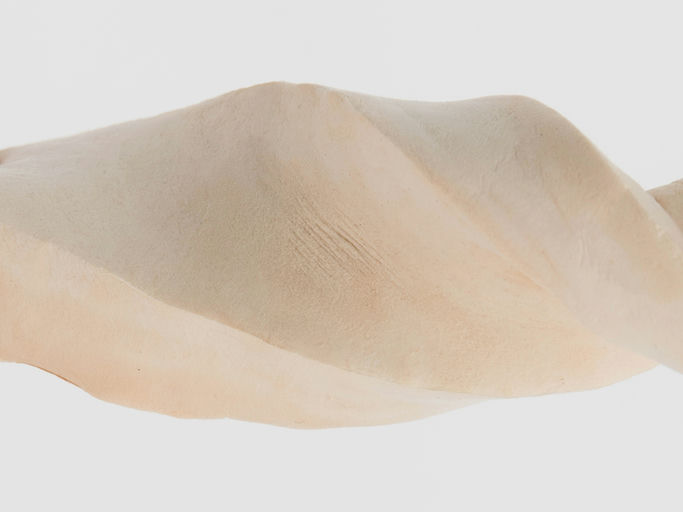 AirMycelium by EcovativeAirMycelium developed by Ecovative makes a range of materials possible with mycelium.Image: Ecovative
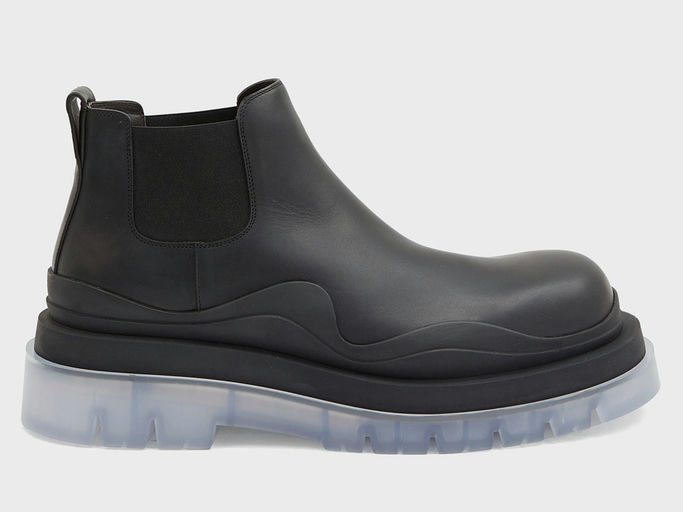 Apilon 52 bio-based thermoplastic polyurethane (bio-TPU) by TrinseoApilon 52 bio-based thermoplastic polyurethane (bio-TPU) by Trinseo contains raw materials from renewable sources and offers the same performance as traditional fossil-based TPUs.Image: Trinseo
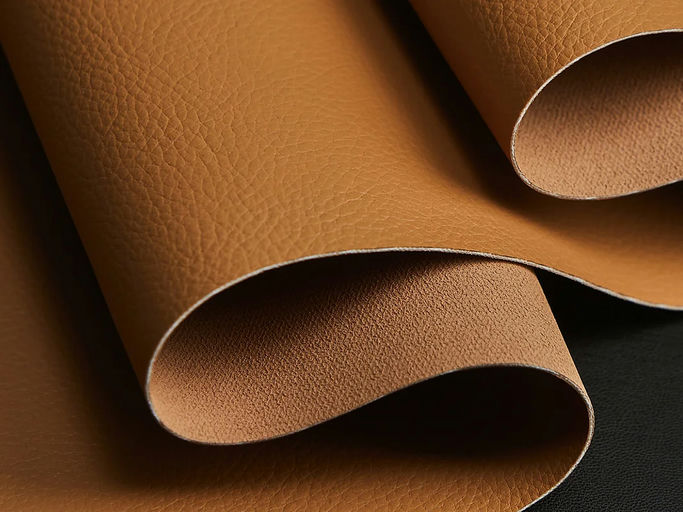 AppleSkin by VegatexAppleSkin by Vegatex is a leather alternative made in two layers: a top layer of waste from apple juice production (apple pomace) mixed with water-based polyurethane (PU), bonded to a textile backing…Image: Vegatex
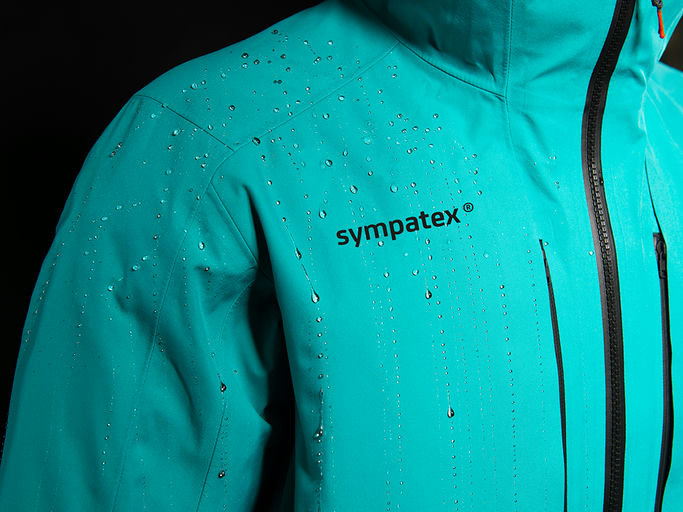 Arnitel Eco, partially bio-based thermoplastic co-polyester elastomer (TPC), by DSMArnitel Eco is a high-performance partially bio-based thermoplastic co-polyester elastomer (TPC) made with rapeseed oil (about 50% renewable resources).Image: Envalior (formerly DSM Engineering Materials)
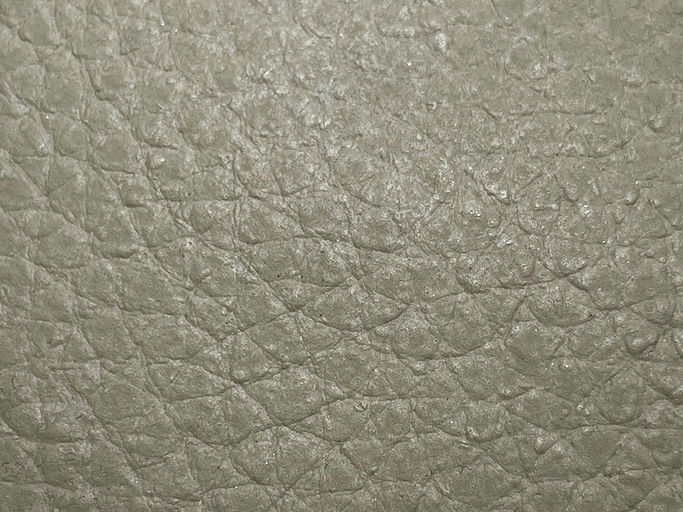 Bacterial cellulose textiles by Modern SynthesisModern Synthesis are developing a new class of materials using nanocellulose derived from bacterial fermentation.Image: Modern Synthesis
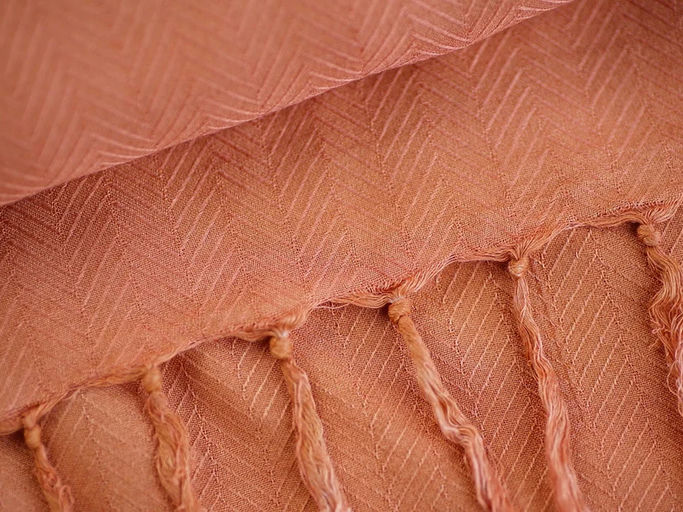 Banana Sylk textile fibre by EmbroidBanana Sylk textile fibre by Embroid is made with fibres extracted from the stem of the banana plant.Image: Embroid
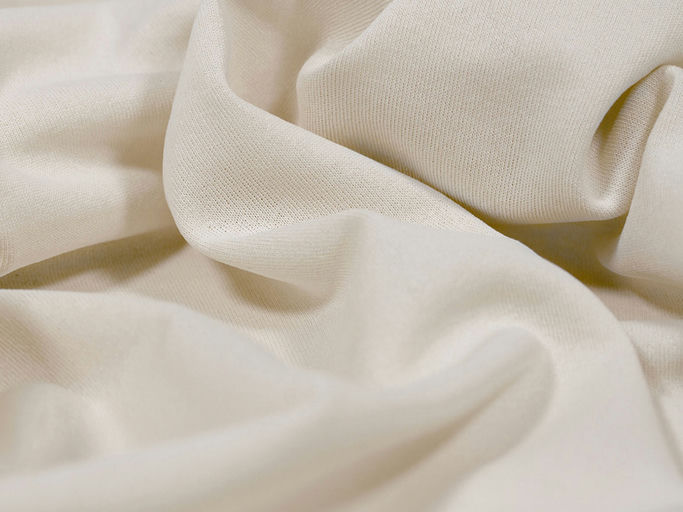 Bananatex fabric from abaca banana fibreBananatex fabric is produced from 100% abaca banana fibre. The natural white colour reflects the actual colour of the fibres and is not dyed; other colours are yarn-dyed.Image: Bananatex
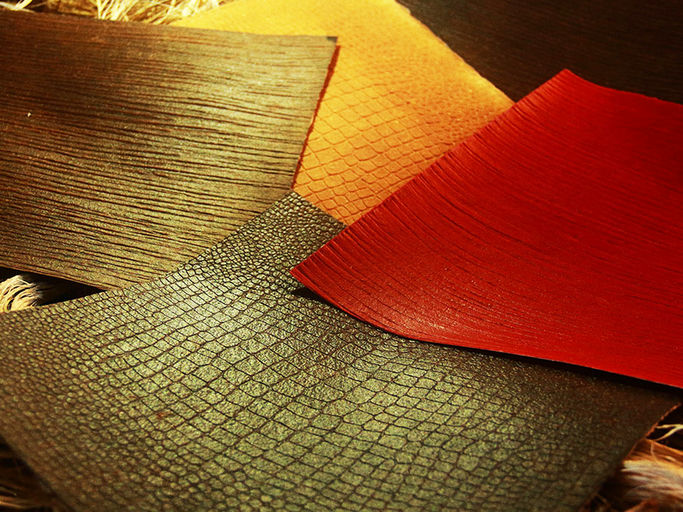 Banofi plant-based leatherBanofi (from banana fibre) is a plant-based leather alternative made in India from the stems of banana plants, a waste product of banana farming.Image: Banofi
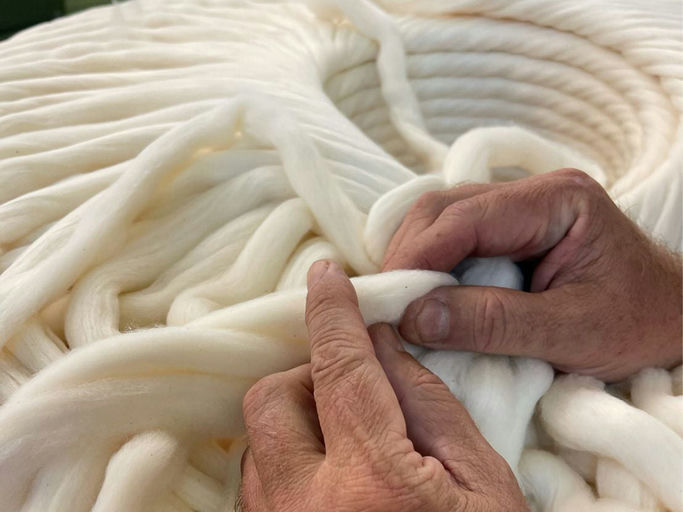 Bear Fiber hemp textileBear Fiber, a US company, produce cottonised hemp fibre and hemp cotton blends for weaving and knitting.Image: Bear Fiber
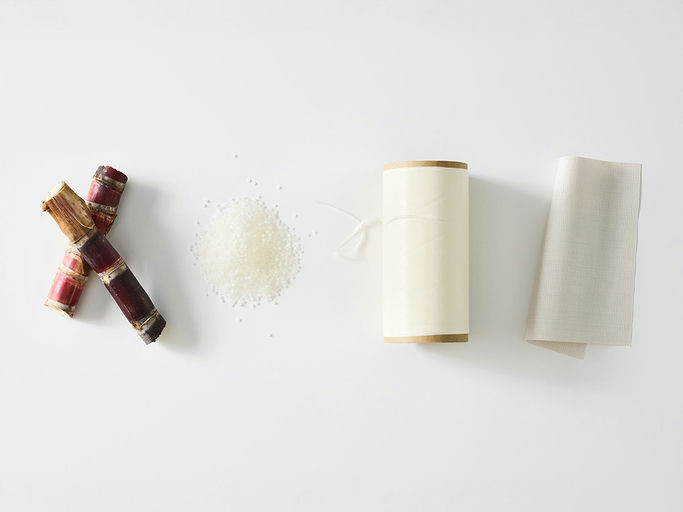 Biobased Xorel sugarcane polyethylene textile by CarnegieBiobased Xorel is a woven textile from the American fabric company Carnegie, made from polyethylene (PE) derived from sugarcane rather than oil. Many patterns contain up to 91% bio-based content.Image: Carnegie
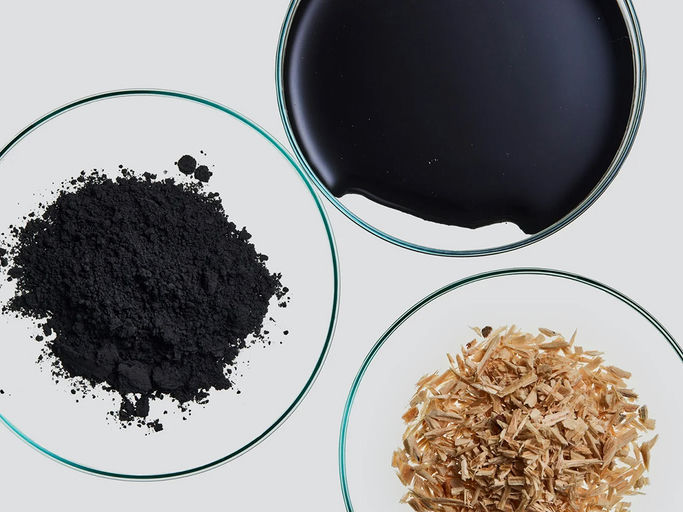 BioBlack TX black pigment from wood waste by Nature CoatingsBioBlack is a black pigment made by US company Nature Coatings from wood waste instead of petroleum.Image: Nature Coatings
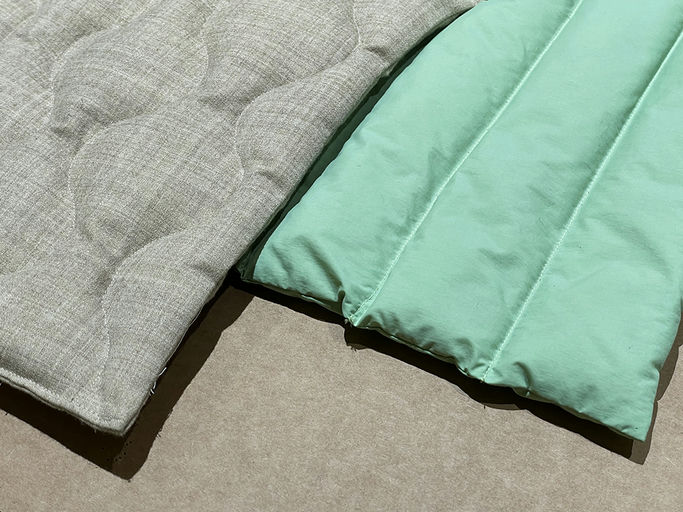 BioPuff plant-based textile fillBioPuff by Ponda (formerly Saltyco) is a plant-based material that uses bulrush (also known as reed mace).Image: Ponda
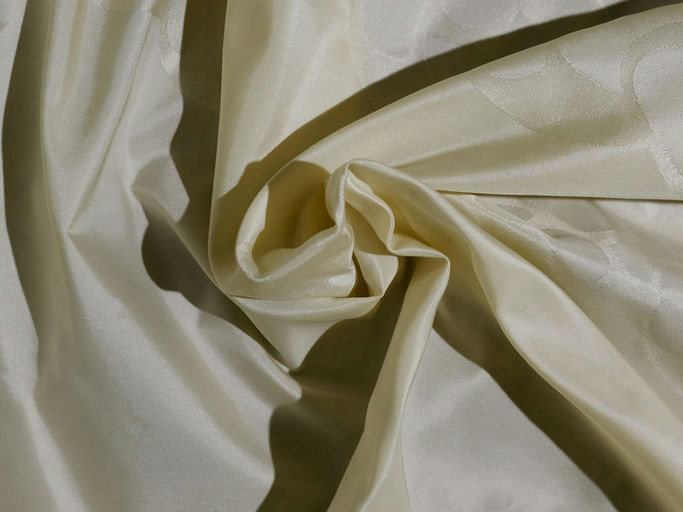 Biopure bio-recycled polyester by Protein EvolutionBiopure bio-recycled polyester by Protein Evolution is made from rigid packaging waste and industrial textile strappings.Image: Protein Evolution
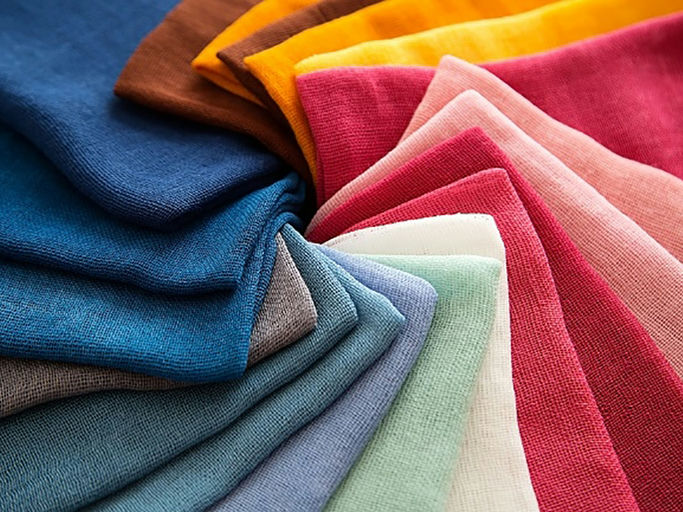 Birla regenerated cellulose fibreBirla Cellulose produce a range of bio-based fibres for textiles including rayon, viscose, modal and lyocell.Image: Birla Cellulose
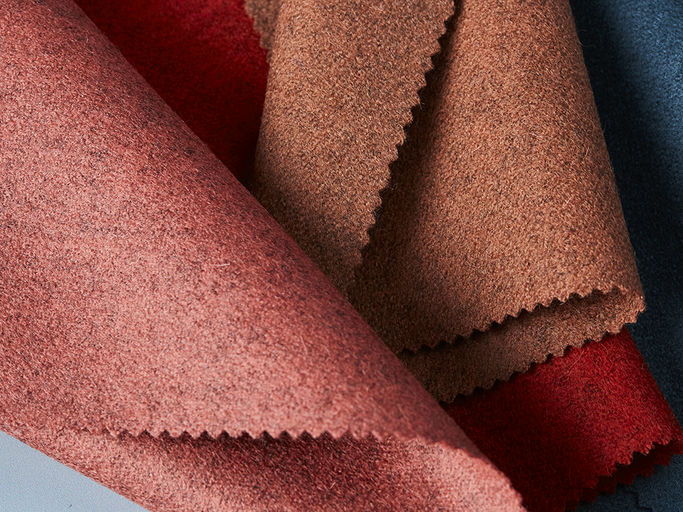 Blazer Lite lambswool upholstery fabric by CamiraBlazer Lite is a 100% virgin wool upholstery cloth made from New Zealand lambswool, spun, woven, milled and piece-dyed at Camira's mills in West Yorkshire, UK. It is a lighter version (about 355…Image: Camira Fabrics
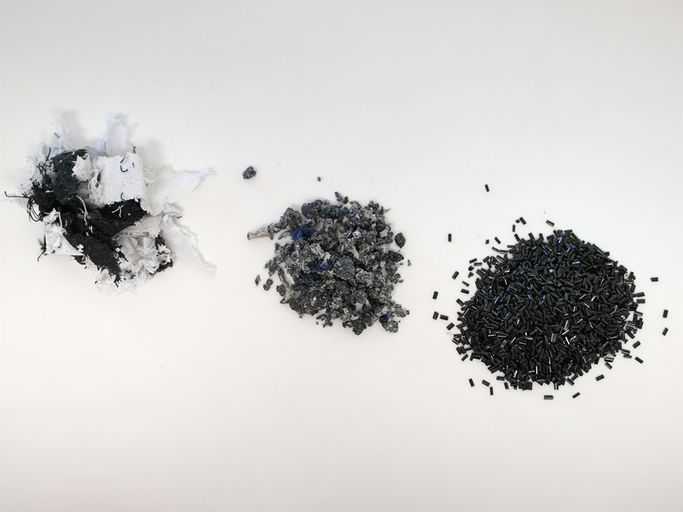 Blocktexx textile recycling technologyBlocktexx have developed a chemical recycling technology capable of handling difficult to recycle fabrics made up of cotton and polyester, such as the popular polycotton.Image: BlockTexx