Trend briefing
Plastic-free: what it really means
Plastic-free is one of the most powerful words on a pack, and one of the easiest to get wrong. It describes what a product isn't, not what it is. Here is what counts as plastic, where it hides, what the swap really costs in carbon, and how the new claims rules change the game.
In short
Plastic-free is a claim about what something isn't, so it is only as good as what replaces the plastic. Done well, it removes microplastics and keeps packaging in paper, glass and metal streams that already work. Done badly, it hides plastic in linings and coatings, swaps a light material for a heavy one, or brings in PFAS for grease resistance.
This briefing combines the latest rules with live figures for 42 plastic-free packaging grades in the Spot Material database: paper and board, moulded pulp, glass, cellulose films, cork, waxes and seaweed and starch materials.
What counts as plastic?
The EU's single-use plastics rules set the reference point, and they are stricter than most people expect:
- Bio-based, biodegradable and compostable plastics are still plastic. A compostable plastic plate is banned just like a fossil one.
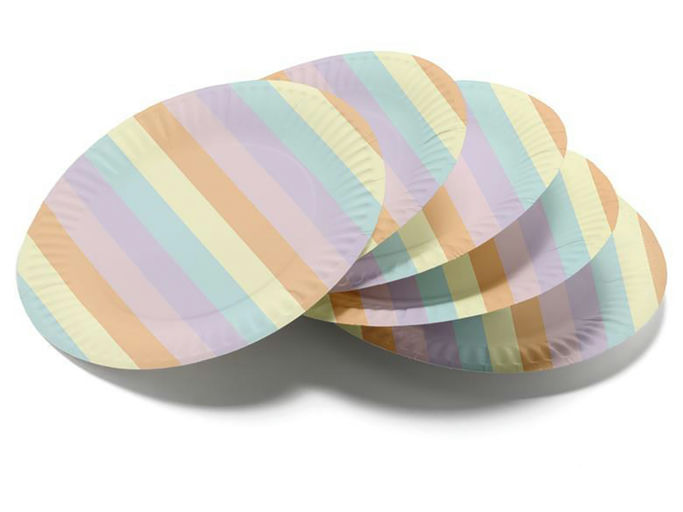
- Paper or board with a plastic coating or lining counts as a plastic product. A paper plate with a compostable plastic coating is banned too.
- Natural polymers that are not chemically modified are not plastic. Regenerated cellulose such as viscose and lyocell is outside the definition; PHA, although made by microbes, is treated as plastic.
The Commission updated its single-use plastics guidance in September 2026, so check the current version for borderline cases such as thin water-based dispersion coatings.
Sources: European Bioplastics on the SUP Directive · Paper World on the SUP guidelines · Commission notice C/2026/4813
The good: lower carbon per kilo, no microplastics
Per kilo, most plastic-free materials beat the plastics they replace. Kraft paper is 0.88 kg CO₂e/kg against 2.6 kg CO₂e/kg for LDPE film, and moulded pulp is 1.29 kg CO₂e/kg against 2.7 kg CO₂e/kg for expanded polystyrene. Paper, board and glass also have collection and recycling systems that work at scale, and they don't shed microplastics.
Two exceptions stand out in the chart: cellophane at 3.5 kg CO₂e/kg and primary aluminium at 10.6 kg CO₂e/kg. And recycled PET sits lower than almost everything.
Carbon footprint, raw material to factory gate (kg CO2e per kg)
The catch: weight and carbon
Per kilo is the wrong comparison when the alternative needs more kilos. A glass bottle weighs many times more than a PET one doing the same job, and a paper bag needs more material than a thin film bag. Glass at 1.05 kg CO₂e/kg per kilo against 2.5 kg CO₂e/kg for PET looks like a win until you multiply by weight and add the extra fuel to move it.
A 2024 University of Sheffield study looked at 16 applications in packaging, construction, cars, textiles and durables, and found plastics had lower greenhouse gas emissions than the alternatives in 15 of them, typically by 10% to 90% over the life cycle. The lesson isn't that plastic is good. It's that plastic-free has to be checked part by part, by weight and over its whole life.
The chart multiplies each material's footprint by the weight of one bag from the UK Environment Agency's carrier bag study. Before anyone has reused anything, the paper bag carries more than twice the material carbon of the thin plastic bag and the cotton tote many times more.
One carrier bag: material carbon (kg CO2e per bag, raw material to factory gate)
Sources: University of Sheffield (Environmental Science & Technology, April 2024) · Packaging Gateway on heavier packaging · Environment Agency, Life cycle assessment of supermarket carrier bags (2011)
PFAS: the other hidden ingredient
Fibre packaging doesn't naturally resist grease and water, and for years many takeaway boxes, bakery papers and popcorn bags got that resistance from PFAS, the "forever chemicals". Since 12 August 2026 the EU packaging regulation has banned food-contact packaging containing PFAS above strict limits, with no sell-through period for old stock.
The replacements are water-based dispersion coatings, mineral and bio-based barriers such as seaweed coatings, and redesigned structures that need less barrier at all. Ask suppliers for PFAS test results, not just a statement.
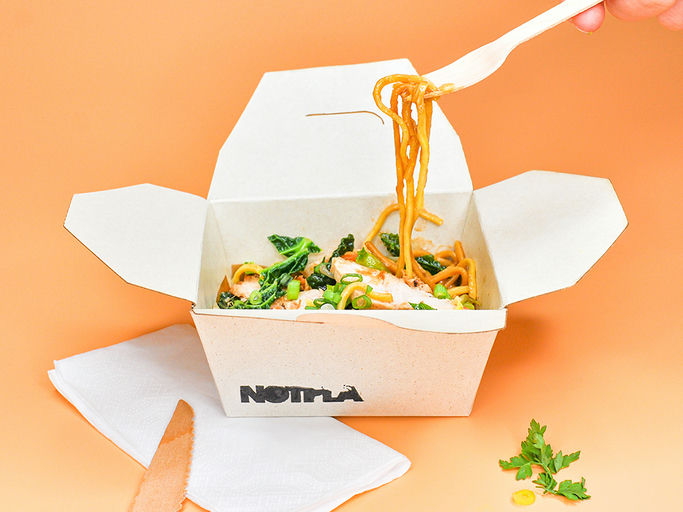 Notpla seaweed packagingNotplaNotpla are compostable seaweed based paper coatings and packaging films that provide a plastic-free barrier to water and grease. After use, the packaging can be disposed in paper recycling, or home composted.Image: Notpla
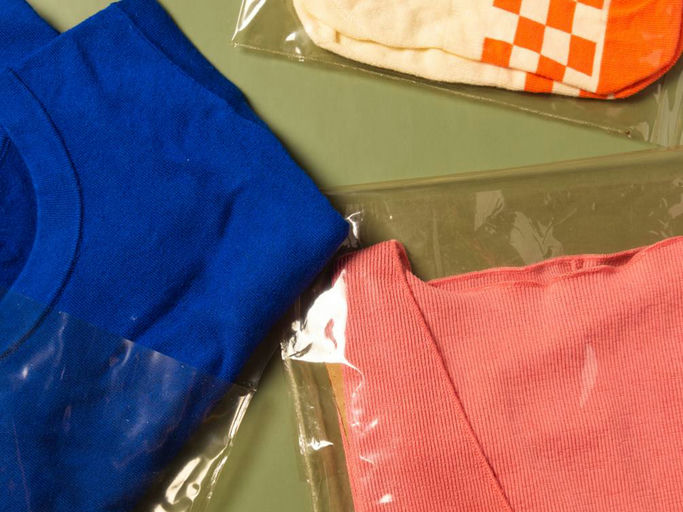 Zerocircle seaweed-based bioplasticsZerocircleZerocircle produce seaweed-based plastics for packaging films and coatings, such as thin-film polybags and flexible packaging. They are home compostable and provide an effective barrier to oxygen, water and oil.Image: Zerocircle
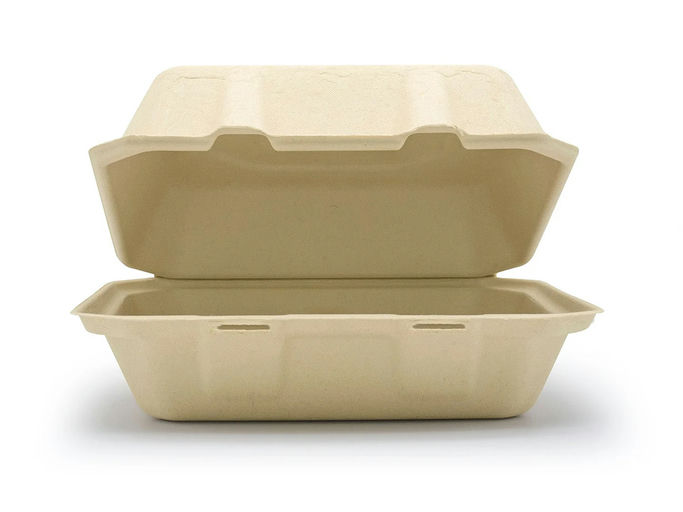 Tellus plant fibre moulded food packagingTellus ProductsTellus plant fibre moulded food packaging is made with bagasse (sugarcane fibre) and is certified industrially compostable by the Biodegradable Products Institute (BPI). They are suitable for hot and cold food, and contain no added PFAS. No home-compostability or recycling claim has been found. Image Tellus.Image: Tellus Products
Sources: Packaging Gateway on the PFAS ban
After use
The big advantage of plastic-free materials is somewhere to go at the end: 71% of these grades are tagged Recycle and 79% Biodegradable. That only holds if the pack stays clean and mono-material: food residue, wet strength agents, plastic layers and heavy inks are what send fibre packaging to incineration instead.
The database still flags concerns: 20 grades for polluting by-products in processing and 18 for deforestation risk.
Grades tagged with each end-of-life route, out of 42.
Claims: what you can say now
Since 27 September 2026, the EU's Empowering Consumers Directive bans generic environmental claims, and pictures of leaves or nature can count as claims too. "Plastic-free" is a specific claim, which helps, but it must be true for the whole pack, including linings, coatings, glues, labels and closures, and you need the evidence to prove it.
In the UK, the CMA now has powers to fine businesses directly for misleading green claims. Certification helps, but read the rules: the Plastic Free Trust Mark, launched by A Plastic Planet in 2018, also accepts certified compostable biomaterials, which EU law treats as plastic. These are the rules and labels most often linked to these grades:
- Food Contact Materials Regulation (EC) 1935/2004
- Packaging and Packaging Waste Regulation (EU) 2025/40
- Forest Stewardship Council (FSC)
- Programme for the Endorsement of Forest Certification (PEFC)
- EU Deforestation Regulation (EU) 2023/1115
- REACH: PFHxA restriction (Annex XVII entry 79)
- Industrial compostable (EN 13432)
- EU Toy Safety Regulation (EU) 2025/2509
Sources: Packaging Gateway on claims · EmpCo Directive (EU Ecolabel Germany) · CMA guidance (GOV.UK, January 2026) · Packaging Europe on the Plastic Free Trust Mark
Who to watch
Dry-formed fibre, mouldable paper, seaweed films and coatings, and plant-protein polymers. 109 related innovations are in Spotlight; these are the ones to know now.
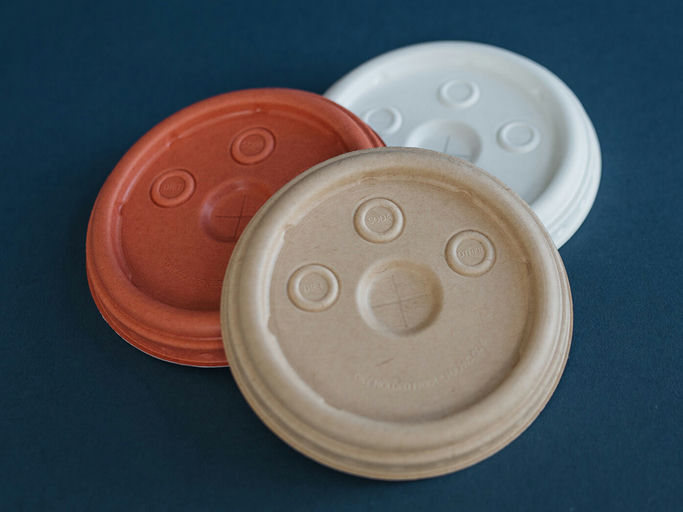 Dry molded fiber by PulpacPulPacThe dry molded fiber process, developed by Pulpac, removes most of the water from paper pulp moulding, which helps to increase efficiency, reduce cycle time, and minimise carbon footprint.Image: PulPac
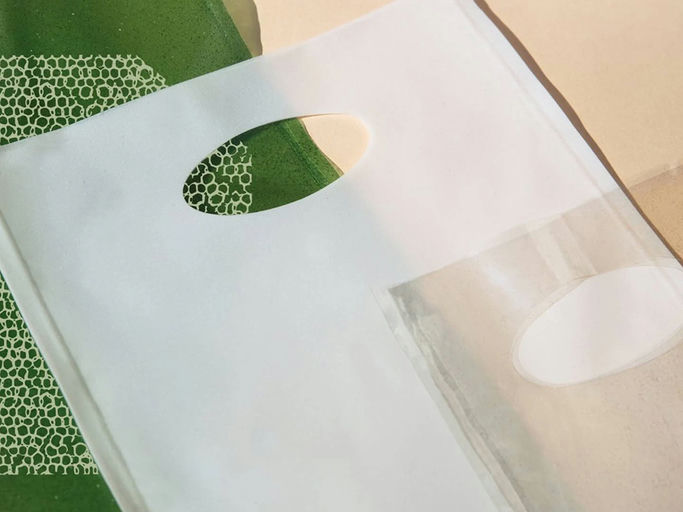 Sway seaweed packagingSwaySway makes seaweed-based packaging as a compostable alternative to packaging plastics such as polypropylene (PP), polyethylene (PE) and polyethylene terephthalate (PET), polyester.Image: Sway
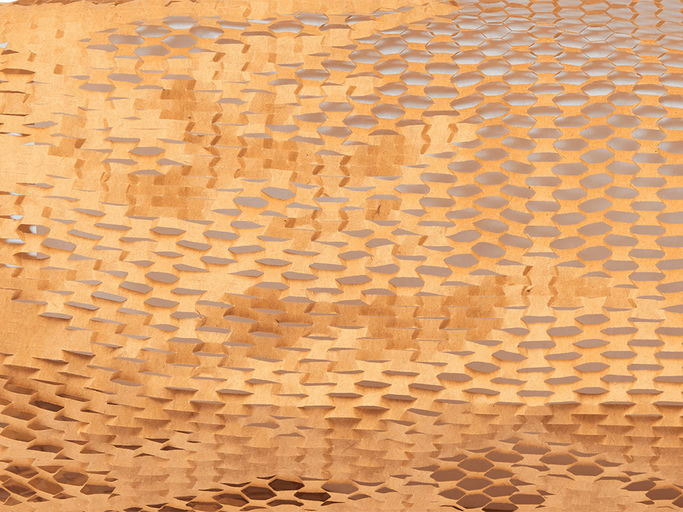 Geami WrapPak paper wrapping by RanpakRanpakGeami WrapPak is a protective wrapping paper by Ranpak. Die-cut kraft paper is pulled through a converter, where it expands into a three-dimensional honeycomb mesh, and is combined with a thin tissue interleaf.Image: Ranpak
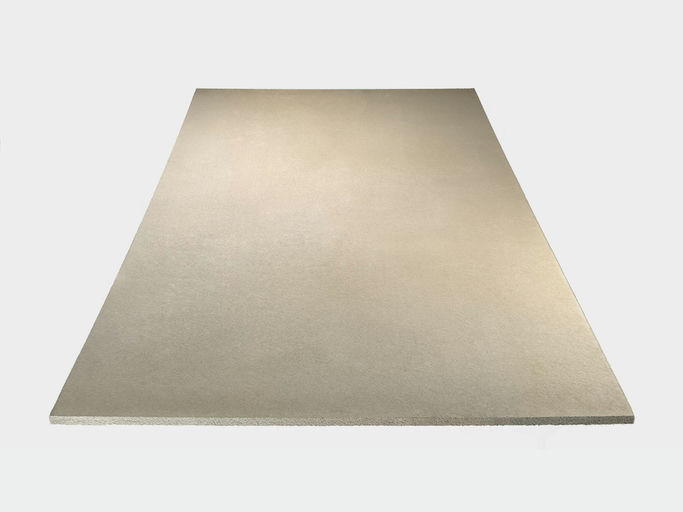 440 SoundBarrier recycled paper fibreboard by HomasoteHomasote440 SoundBarrier is a dense fibreboard made in the USA by Homasote, a New Jersey company that has made boards from recycled paper since the early 1900s.Image: Homasote
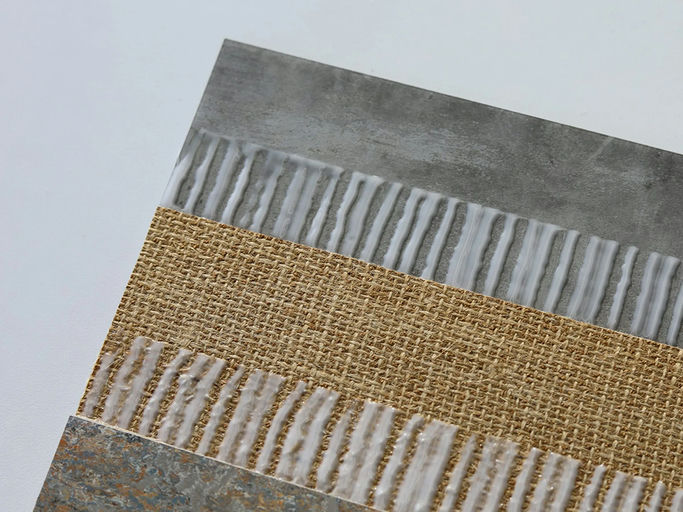 Corkment cork and linseed acoustic underlay by ForboForboCorkment is a 2 mm acoustic underlay from Forbo for its Marmoleum linoleum floors. It is made like linoleum: cork granules, oxidised linseed oil, resins and other ingredients are calendered onto a jute backing and cured.Image: Forbo
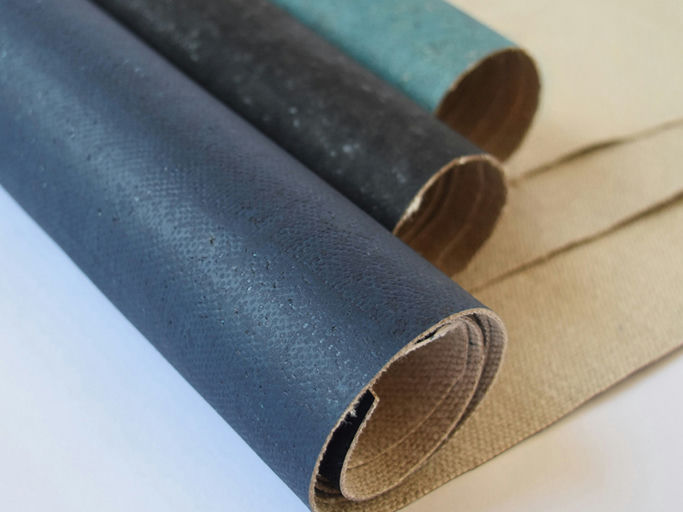 CORKonLINEN compostable cork and linen material by RTFACT BrandsRTFACT BrandsCORKonLINEN is a leather alternative from RTFACT Brands of Brest, France, made from just three ingredients: thin Portuguese cork, linen woven from flax grown in northern France, and a water-based glue. It was developed over about 18 months of research and is aimed at bags, small leather goods and shoes.Image: RTFACT Brands
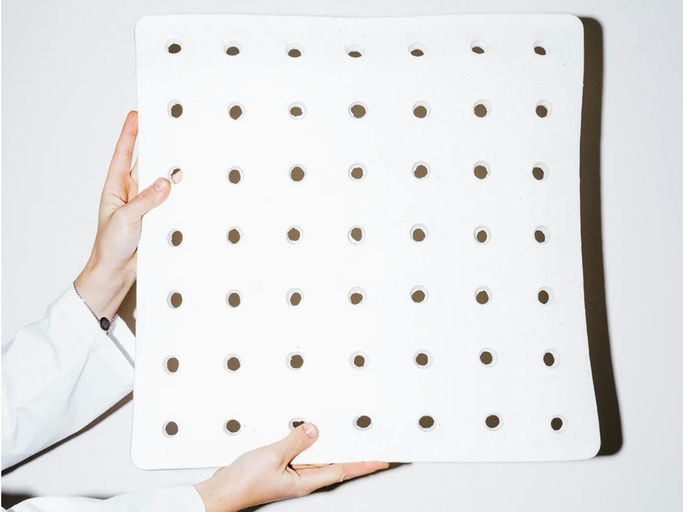 Agoprene seaweed foamAgoprene · In developmentAgoprene seaweed foam is primarily made up of ingredients derived from Norwegian kelp, but also some minerals from crab shells and waste from the Norwegian paper industry.Image: Agoprene
How to choose
Five questions before you claim plastic-free:
- Is it plastic-free by the EU definition, including coatings, linings, glues and closures?
- Is it lighter or heavier than what it replaces, and what does that do to carbon?
- Does it need a barrier, and is that barrier free of PFAS and plastic?
- Will it be recycled or composted where it is sold, clean and mono-material?
- Would reuse, or recycled plastic, do better?
Then test it: run an LDPE film in the Material checker and compare the plastic-free options with recycled plastic.
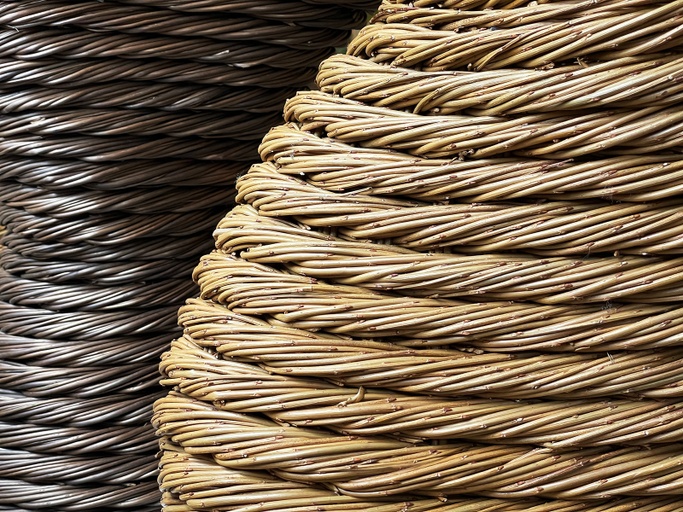 Willow
 Spruce
 Ceramic
 Bamboo
 Sisal
 Abaca fibre
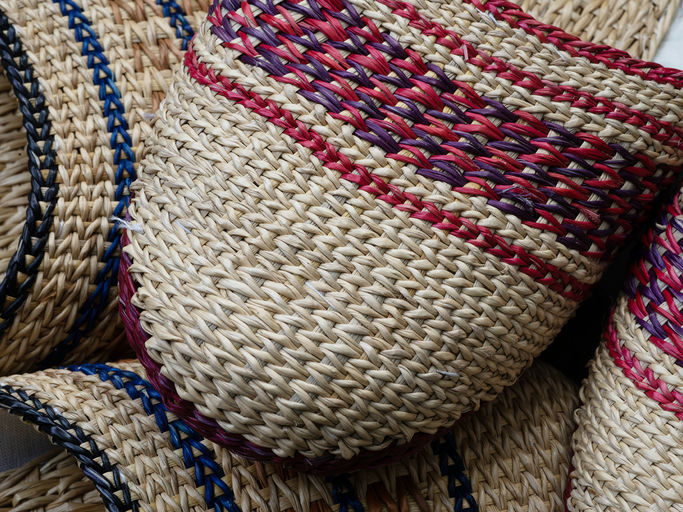 Grass
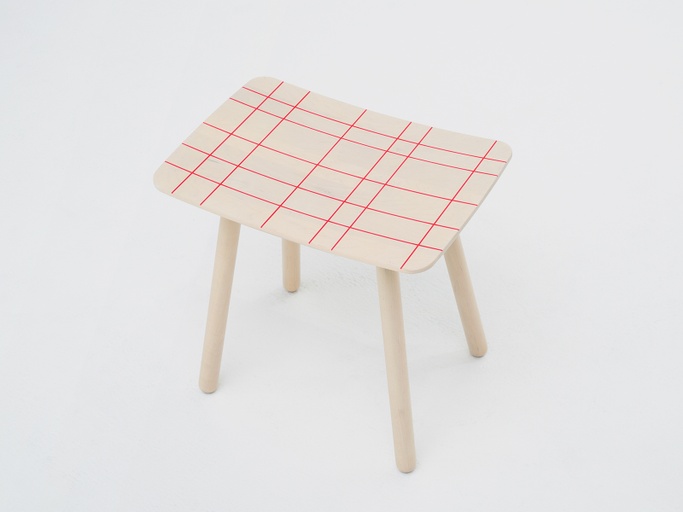 Maple
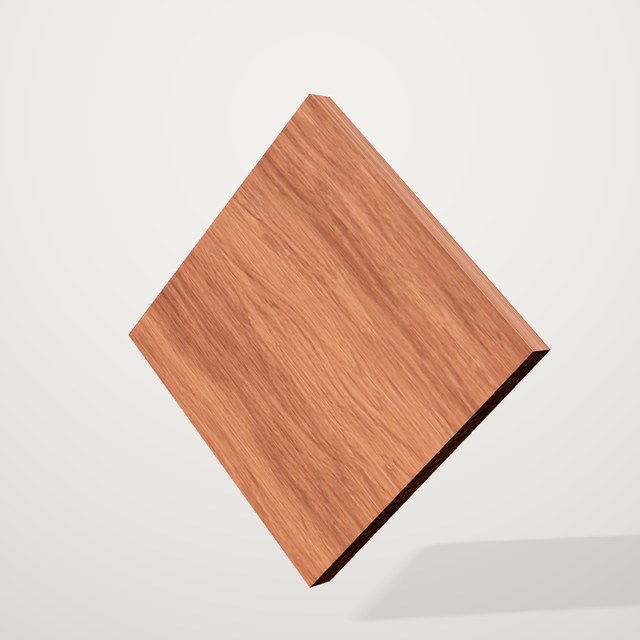 Eucalyptus
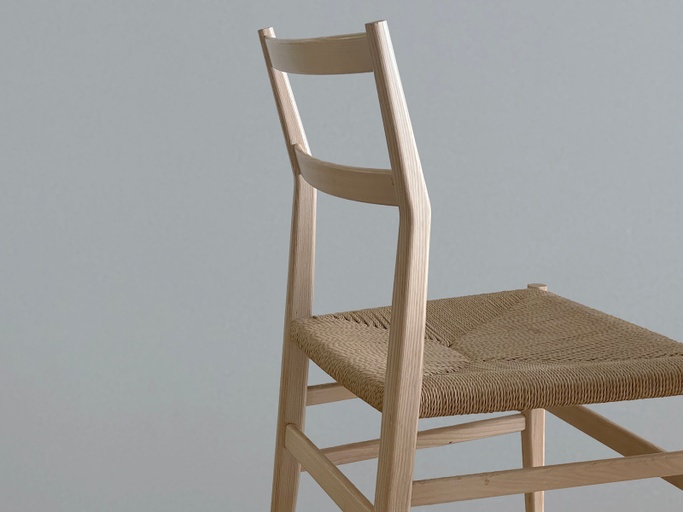 Ash
 Birch
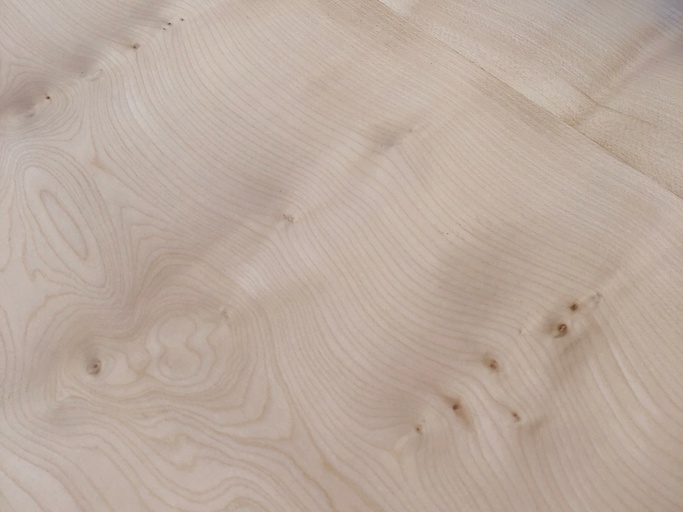 Sycamore
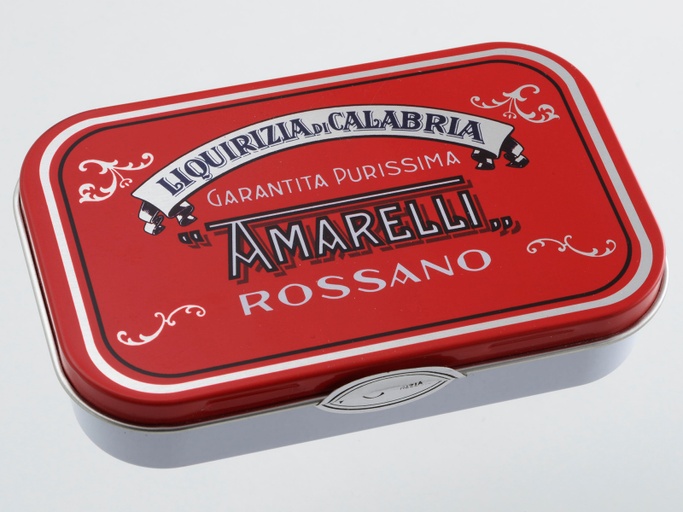 Carbon steel
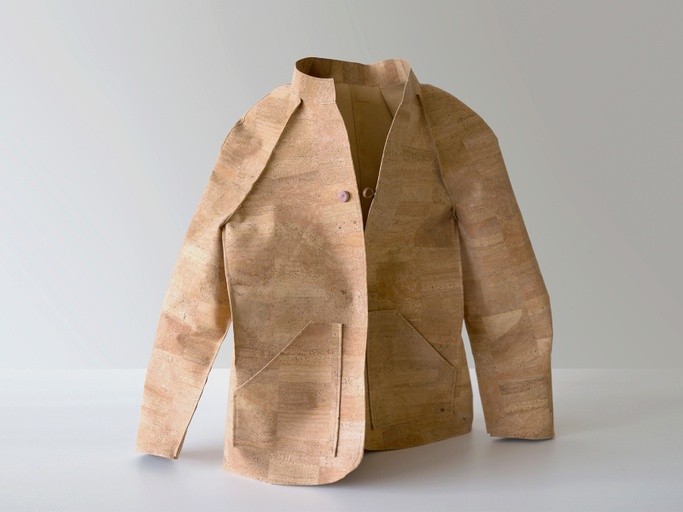 Cork
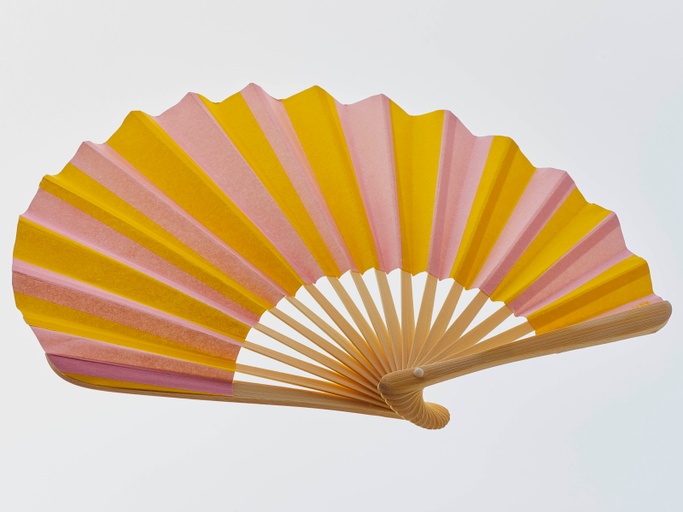 Paper
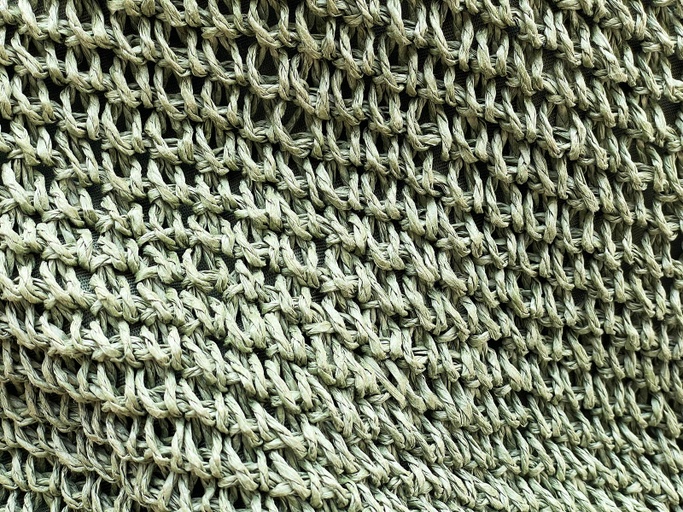 Raffia
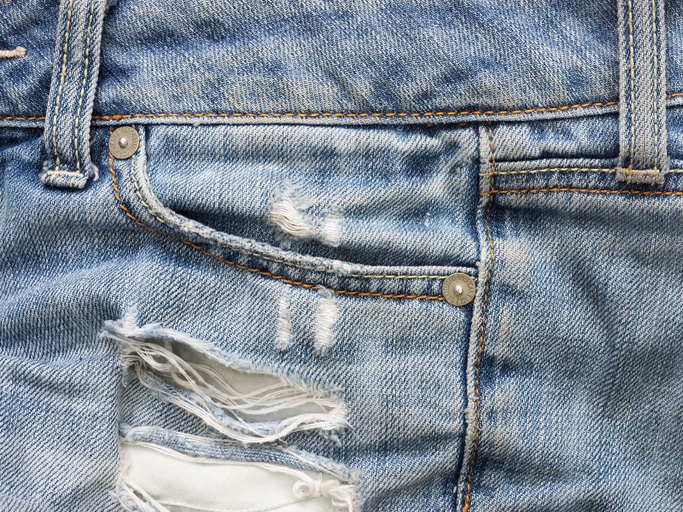 Cotton
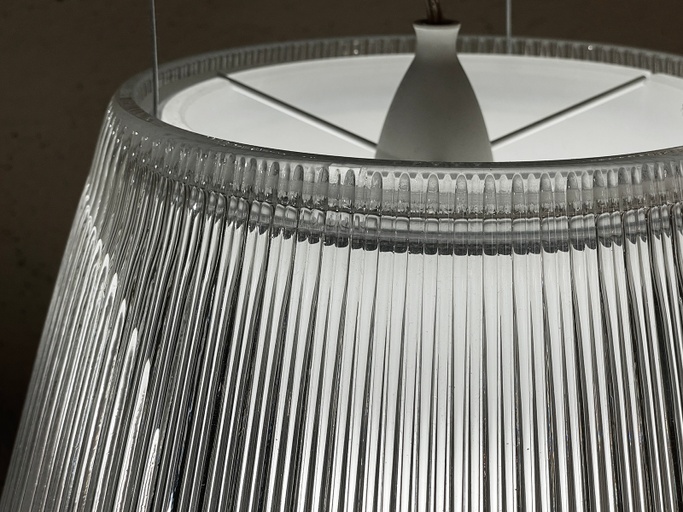 Soda lime glass
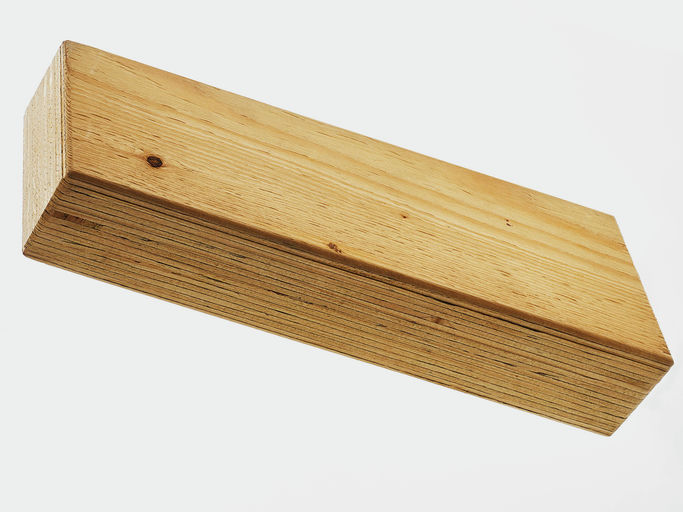 Engineered wood
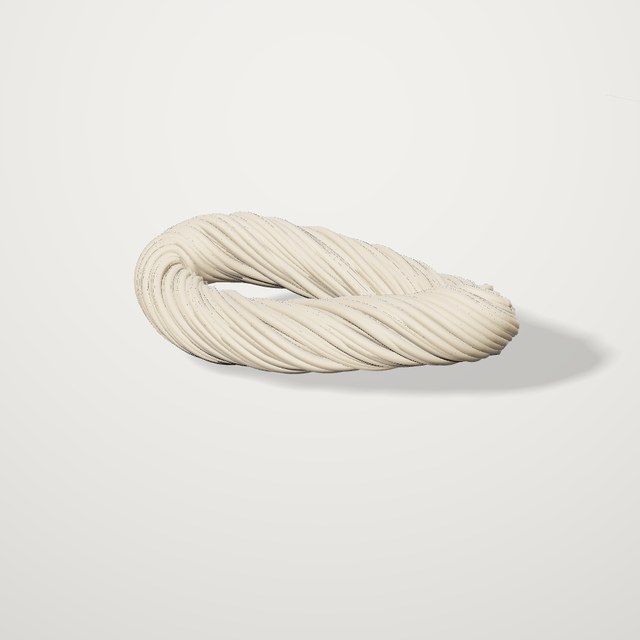 Kenaf fibre
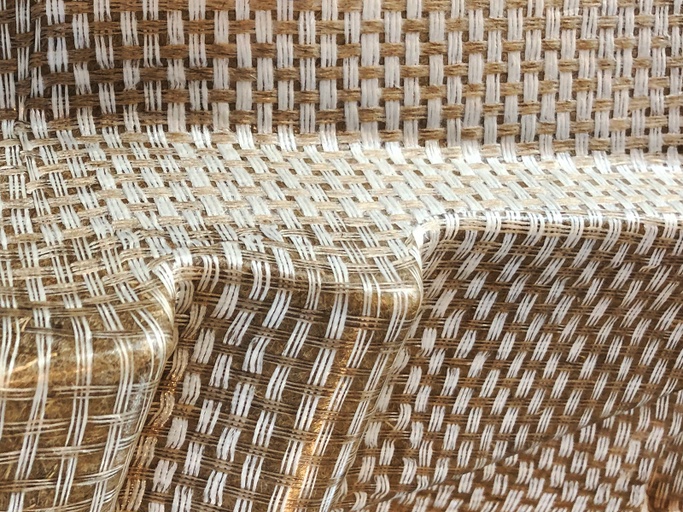 Jute fibre
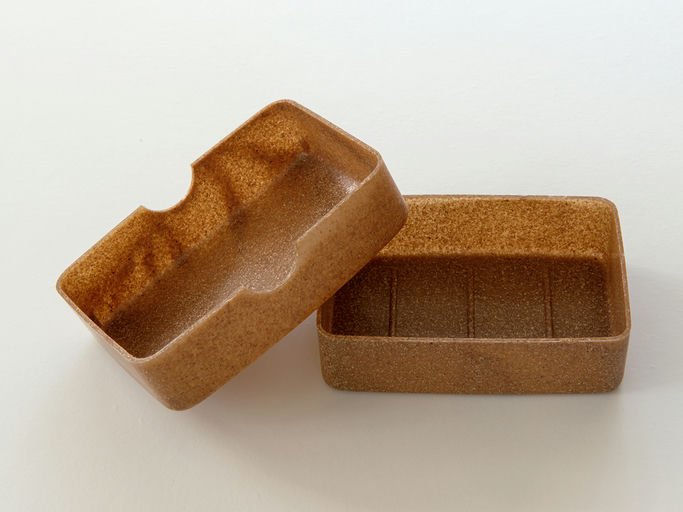 Lignin bioplastic
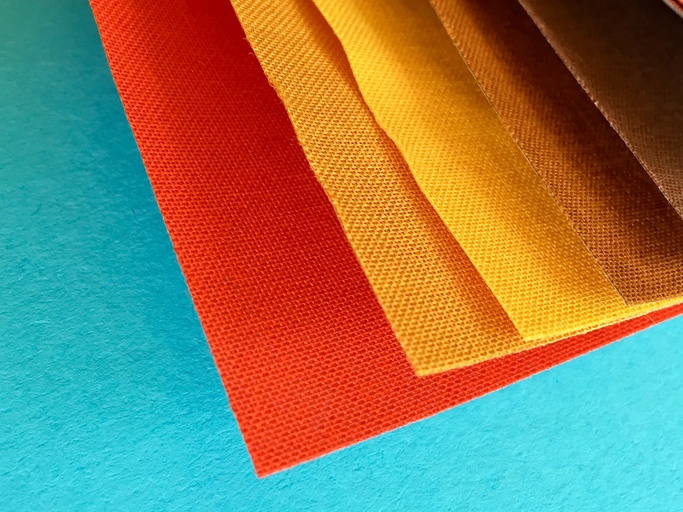 Regenerated cellulose
 Adhesives & sealants
 Starch
 Natural waxes
 Mycelium
 Aluminium
 Stainless steel
 Borosilicate glass
 Copper, Brass & Bronze
 Tin
 Seaweed bioplastic
 Cowhide