Trend briefing
Healthy interiors: what's in the room
We spend most of our time indoors, breathing whatever the walls, floors and furniture give off. A quiet shift is under way from plastic-bound finishes to mineral and plant-based ones: clay, lime, silicate paint, linoleum and boards without added formaldehyde. Here is what they are, what they cost in carbon, and the rule now pushing the change.
In short
A room is a box lined with materials, and most of them give something off: solvents from paint, formaldehyde from board glue, plasticisers from vinyl, fibres and dust from everything.
The trend is towards finishes with a short, readable recipe:
- Walls: clay and lime plasters, mineral and clay paints.
- Boards: no added formaldehyde.
- Floors: linoleum, cork and wood in place of vinyl.
- Soft furnishings: natural latex and wool, without added flame retardants or stain repellents where rules allow.
Most of these are also lower in carbon. They cost more to buy and take more skill to apply.
What a room gives off
Four groups of substances matter indoors.
- Volatile organic compounds (VOCs). Solvents and other small molecules that evaporate from paints, varnishes, adhesives and sealants, most strongly in the first days and weeks.
- Formaldehyde. Released slowly, for years, by the urea-formaldehyde glues in particleboard, MDF and some plywood.
- Semi-volatile compounds. Plasticisers from soft vinyl and some flame retardants do not evaporate quickly; they move into house dust.
- Persistent chemicals. PFAS in stain- and water-repellent finishes on carpets and upholstery.
Ventilation deals with part of this. Choosing materials that do not contain the substance in the first place deals with the rest. The practical test is simple: can the supplier tell you what is in the product, and show an emissions test?
Walls: clay, lime and mineral paint
Standard wall paint is pigment held in an acrylic binder: a thin plastic film. Acrylic paint is 2.1 kg CO₂e/kg. The alternatives bind with minerals.
- Clay plaster (0.045 kg CO₂e/kg) and clay paint (0.5 kg CO₂e/kg) harden by drying. Clay takes up and releases moisture, which evens out humidity, and it can be repaired by re-wetting.
- Limewash (0.65 kg CO₂e/kg) is lime and water. It is strongly alkaline, which discourages mould, and it lets walls dry out.
- Silicate paint (0.95 kg CO₂e/kg) bonds chemically with mineral surfaces and lasts for decades without peeling.
The limits: these finishes need a mineral or prepared surface, more coats and more care, and their colours are the soft tones of earth pigments. Some products sold as clay or mineral paint contain acrylic too; ask for the binder.
Wall finishes (kg CO₂e per kg)
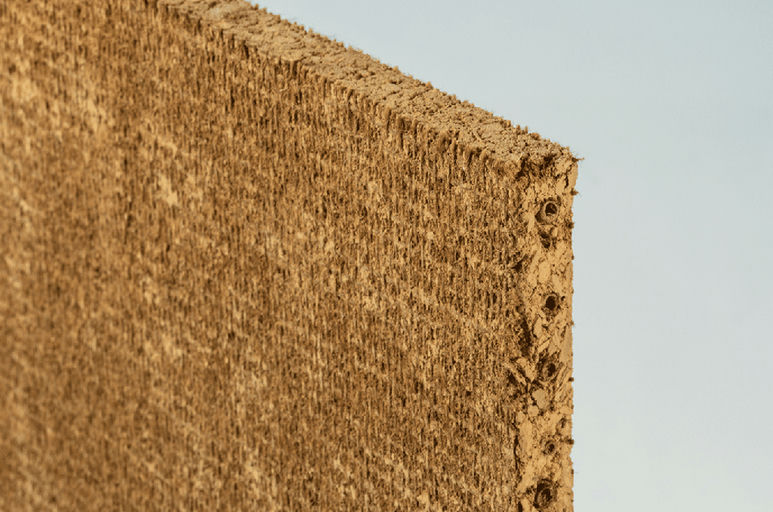
 ClayTec clay plasterClayTecClay plasters help to maintain healthy indoor air quality, regulate temperature and balance humidity. Clay plasters adhere to all common substrates used in construction; they are machine-friendly but also easily processed by hand.Image: ClayTec
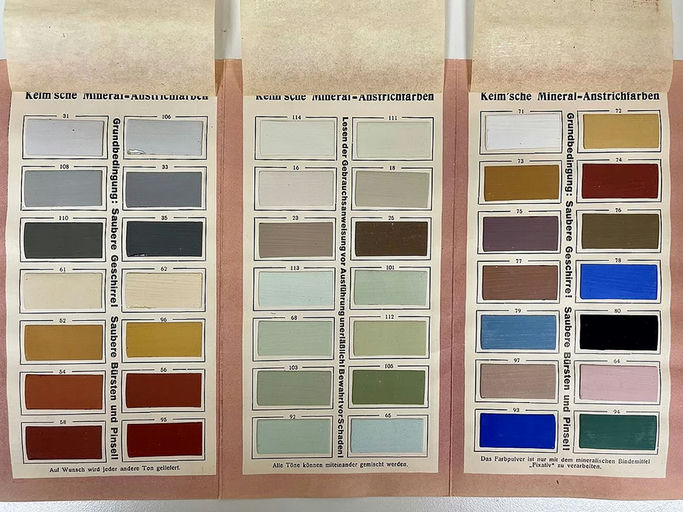 Keim mineral paintKeimMineral silicate paints are made with non-toxic natural ingredients and mineral pigments. Applied to masonry, the paint forms a permanent chemical bond between the pigment and substrate, creating a long lasting and colourfast coating that is breathable, noncombustible and water resistant.Image: Keim
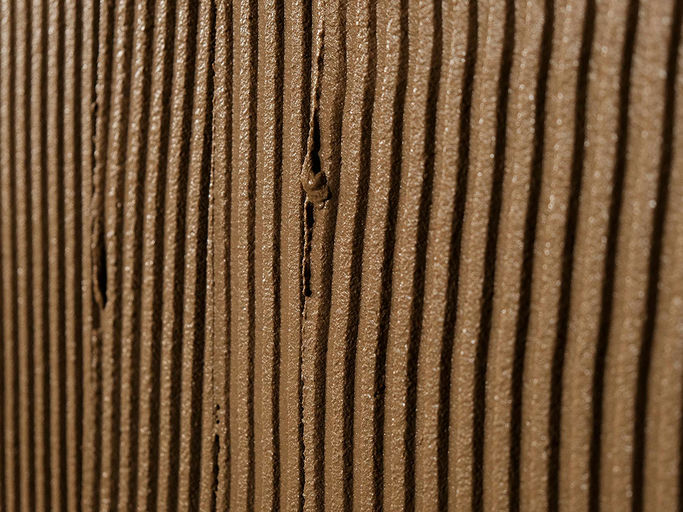
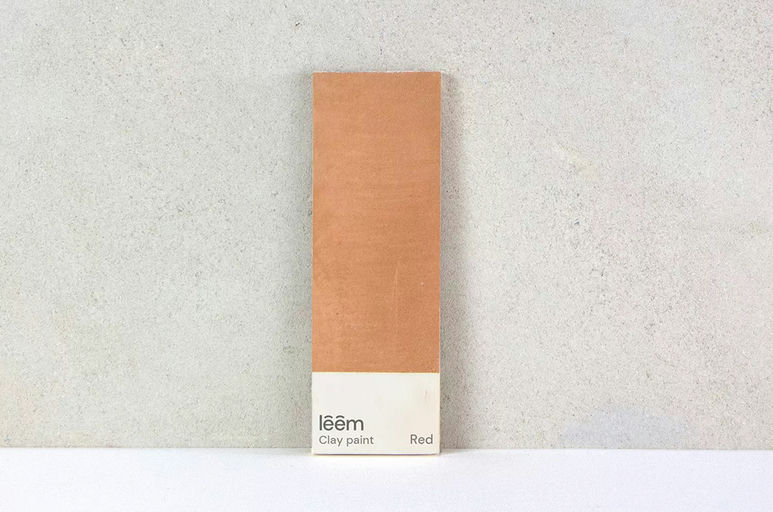 Léém clay paint by BC MaterialsBC MaterialsA natural blend of clay, loam, sand and fibres, clay plaster and paint provide a healthy, breathable finish for internal walls and ceilings. Léém clay paint is a textured natural paint, applied on a clay plaster or existing wall.Image: BC MaterialsLimewash paint by Bauwerk ColourBauwerk ColourBauwerk Colour, founded in Western Australia and now also working from Saxony in Germany, makes a limewash paint known for its soft, mottled colour.
Boards: the formaldehyde limit arrives
Most furniture and fitted interiors are made of particleboard or MDF: wood particles glued with urea-formaldehyde resin, which goes on releasing a little formaldehyde for years. Formaldehyde irritates eyes and airways and is classed as a carcinogen.
The EU has now set a single limit. Furniture and wood-based articles placed on the market after 6 August 2026 must not release more than 0.062 mg of formaldehyde per cubic metre of air under test conditions, about half the old E1 class. Other articles have a limit of 0.080, and car interiors follow in August 2027.
Boards made with no added formaldehyde use other binders: isocyanate (MDI) resins, or newer plant-protein glues. No-added-formaldehyde MDF is 0.72 kg CO₂e/kg, about the same carbon as standard MDF at 0.65 kg CO₂e/kg; the gain is in the air, not the footprint.
For wall linings, clay board (0.16 kg CO₂e/kg) is an alternative to plasterboard (0.35 kg CO₂e/kg) that adds moisture buffering.
Boards for furniture and linings (kg CO₂e per kg)
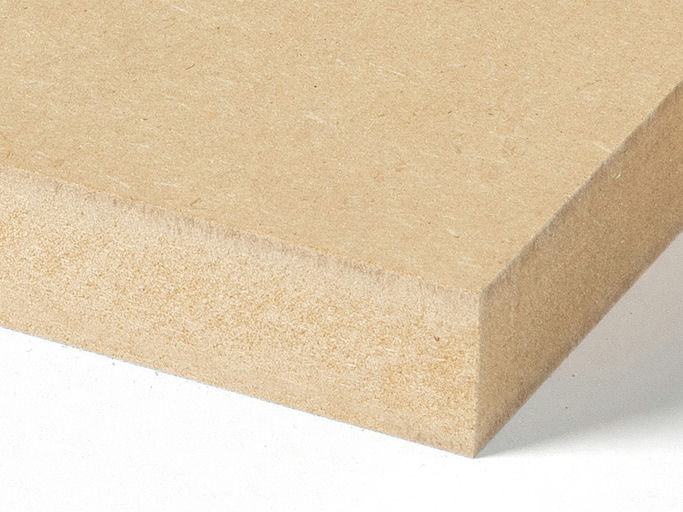 Fibralux NAF medium density fibreboard (MDF)UnilinFibralux NAF medium density fibreboard (MDF) produced by Unilin is made with recycled fibres (including MDF panels) and uses no added formaldehyde (NAF) adhesive. It is approved by the Californian Air Resources Board as an NAF board and is available FSC or PEFC certified on request.Image: Unilin
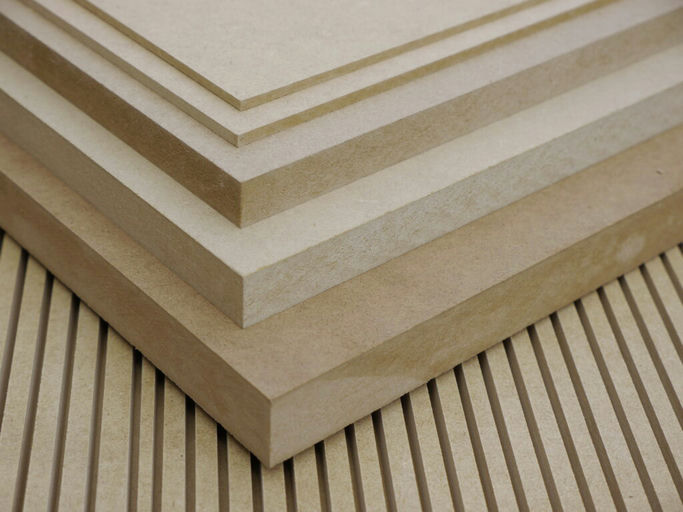 Evertree Next medium density fibreboard (MDF)EvertreeEvertree Next medium density fibreboard (MDF) is bonded with Evertree's 100% bio-based resin, made from the protein-rich oil-cake left after rapeseed and sunflower seeds are crushed for oil. It contains no added formaldehyde (NAF) or isocyanate, and Evertree says its emissions are the same as natural wood.Image: Evertree
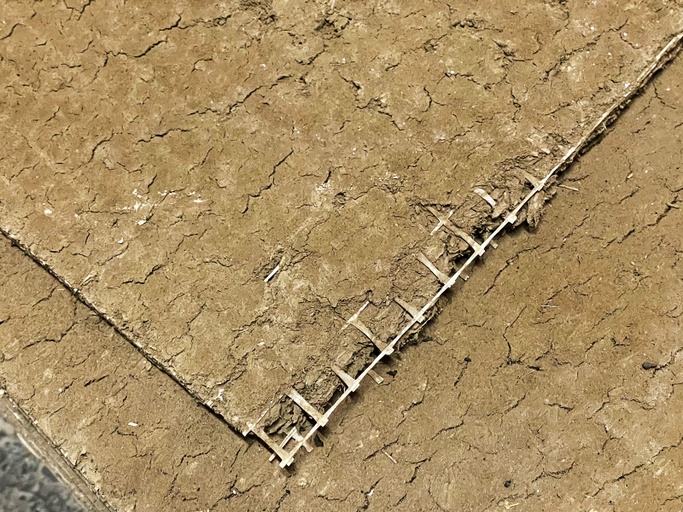
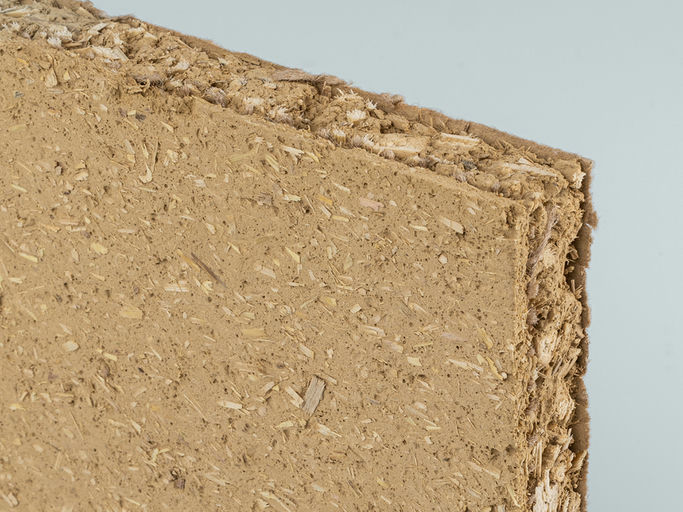 Clay building board D22 solar by ClayTecClayTecThe ClayTec Lehmbauplatte D22 solar is a 22 mm clay building board for interior dry construction from ClayTec in Viersen, Germany. It is made from building clay with miscanthus fibres and about 0.2% starch, with a jute mesh near the face, a top layer containing fine straw fibres and paper on the back.Image: ClayTec
Sources: TÜV SÜD, REACH Annex XVII restriction on formaldehyde emission · ECHA, Annex XVII entry 77 conditions of restriction
Floors: linoleum and cork against vinyl
Vinyl flooring is PVC (2.3 kg CO₂e/kg) made soft with plasticisers, which slowly leave the floor and end up in dust. It is cheap, waterproof and everywhere.
Linoleum (1.25 kg CO₂e/kg) is the original resilient floor: linseed oil, pine resin, wood and cork flour and limestone on a jute backing. It lasts thirty years or more and can be composted or burned cleanly. It has a noticeable linseed smell when new, and it does not like standing water.
Cork (0.5 kg CO₂e/kg) is warm and quiet underfoot. Check the binder and the topcoat: many cork floors are bound with polyurethane and finished with a plastic wear layer.
Solid wood and stone need no comment, except on the finish: oils and hard waxes keep a floor repairable; thick plastic lacquers do not.
Resilient flooring materials (kg CO₂e per kg)
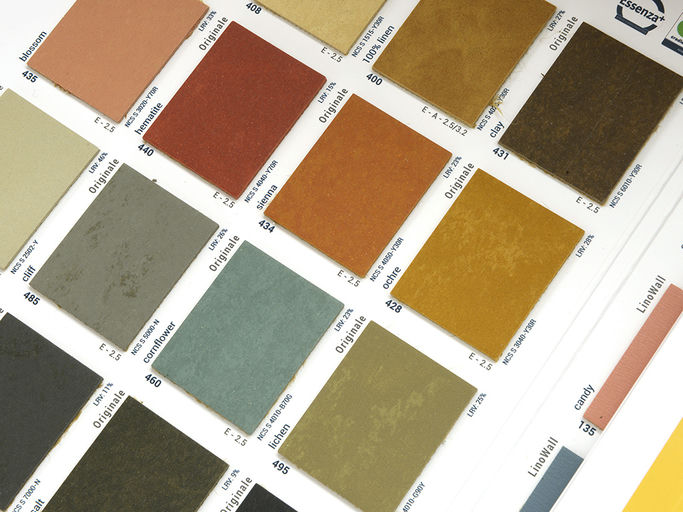 Marmoleum linoleum by ForboForboMarmoleum linoleum by Forbo is a floor covering made with solidified linseed oil (from flax) and pine resin, reinforced with jute fibre, and filled with additives such as limestone, cork dust and wood flour. Marmoleum is made with renewable energy and materials for a sustainable and non-toxic product.Image: Forbo
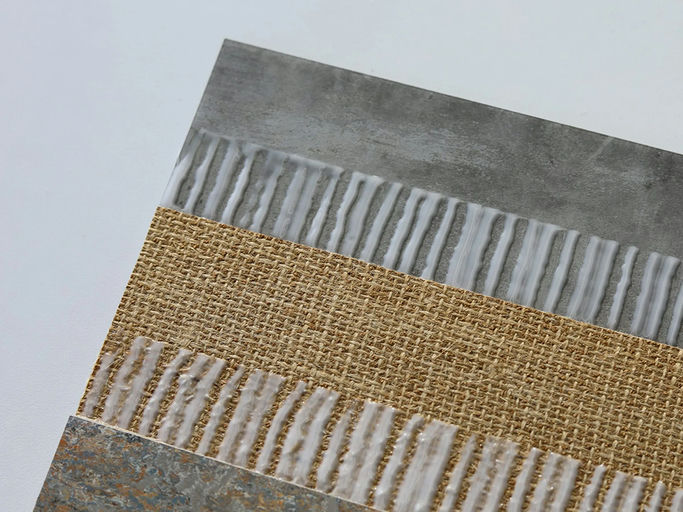 Corkment cork and linseed acoustic underlay by ForboForboCorkment is a 2 mm acoustic underlay from Forbo for its Marmoleum linoleum floors. It is made like linoleum: cork granules, oxidised linseed oil, resins and other ingredients are calendered onto a jute backing and cured.Image: Forbo
Soft furnishings: foam and finishes
Sofas and mattresses are mostly polyurethane foam (3.3 kg CO₂e/kg). The foam itself is fairly inert once cured; the questions are what has been added so that it passes fire tests, and what has been sprayed on the cover.
- Flame retardants. Some older types are now banned as persistent pollutants. Wool and dense natural fillings can meet many fire standards without added chemicals, because wool is hard to ignite.
- Stain and water repellents. Many have relied on PFAS, the "forever chemicals". The PFAS briefing in this library covers the alternatives and the rules.
- Natural latex foam (5 kg CO₂e/kg) is the plant-based alternative to polyurethane. Its carbon is no lower, and "latex" foam is often a blend with synthetic rubber, so ask for the share.
Here the healthy choice and the low-carbon choice are not automatically the same. Decide which you are buying for.
Fillings and padding (kg CO₂e per kg)
Rules and labels
The formaldehyde limit is the first EU-wide rule on what furniture and fittings may release into indoor air. Other substances are controlled one by one: certain phthalate plasticisers, persistent flame retardants, and a growing list of PFAS.
No single label covers "healthy". The ones that test emissions or contents are the most useful: the EU Ecolabel for paints, flooring and furniture, OEKO-TEX for textiles, and national emissions labels for building products. An EPD covers carbon, not indoor air.
- Jul 2023EU formaldehyde restriction published
- 6 Aug 2026Formaldehyde limit applies to furniture and wood-based articles
- 6 Aug 2027Formaldehyde limit applies to vehicle interiors
- REACH: formaldehyde emissions from articles (Annex XVII entry 77)
- REACH: phthalates in plasticised articles (Annex XVII entry 51)
- Proposed EU-wide PFAS restriction (REACH)
- Persistent Organic Pollutants Regulation (EU) 2019/1021
- EU Ecolabel
- OEKO-TEX STANDARD 100 / LEATHER STANDARD
- Construction Products Regulation (EU) 2024/3110
Sources: TÜV SÜD, REACH Annex XVII restriction on formaldehyde emission
How to choose
- Start with the largest surfaces: walls, ceilings and floors.
- Prefer finishes with a short recipe: clay, lime, silicate, linseed oil, wax.
- Specify boards with no added formaldehyde, and ask for the emission class.
- Avoid soft vinyl where an alternative works.
- Ask upholstery suppliers which flame retardants and repellents are used, and whether the fire standard can be met without them.
- Ask for the full contents and an emissions test, not only a label.
- Leave time and ventilation before people move in.
In the Material checker, the "Natural, plastic free" route shows mineral and plant-based options for a material, with their trade-offs.
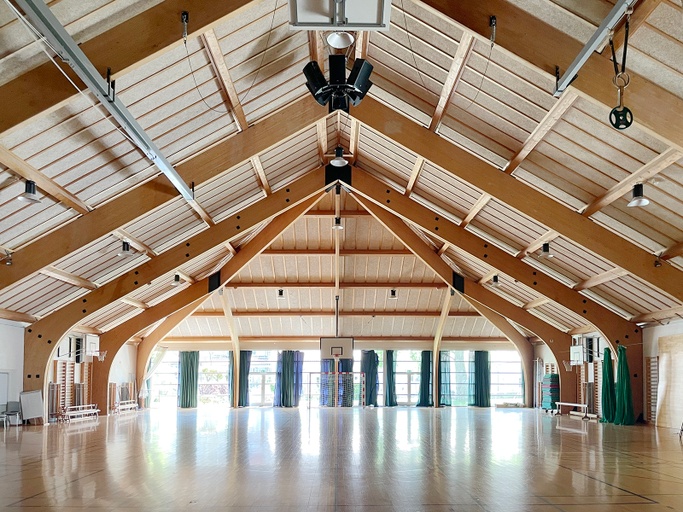 Spruce
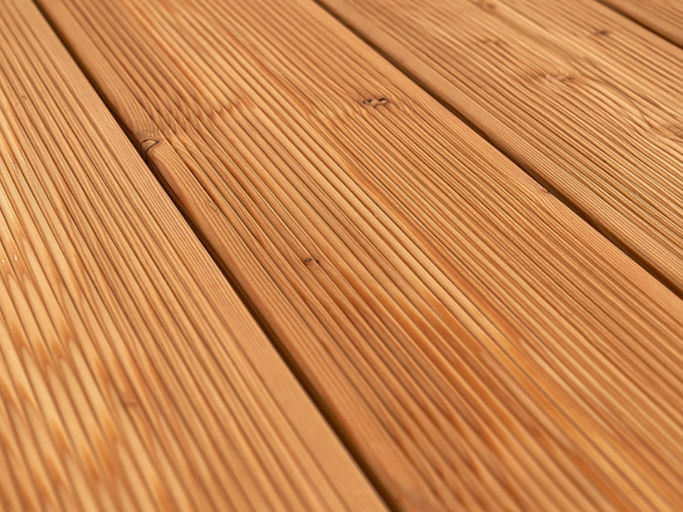 Larch
 Pine
 Douglas fir
 Bamboo
 Grass
 Lime
 Poplar & Aspen
 Ash
 Birch
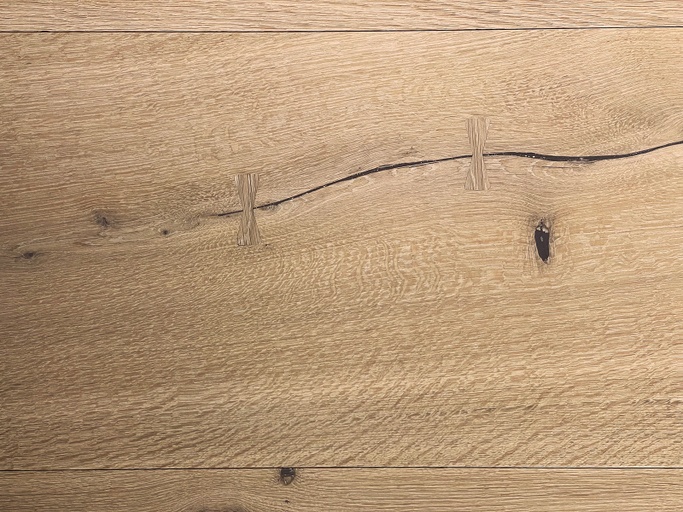 Oak
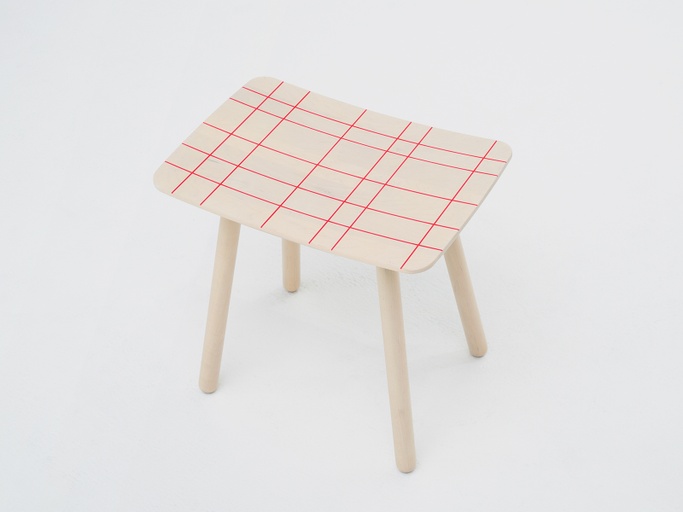 Maple
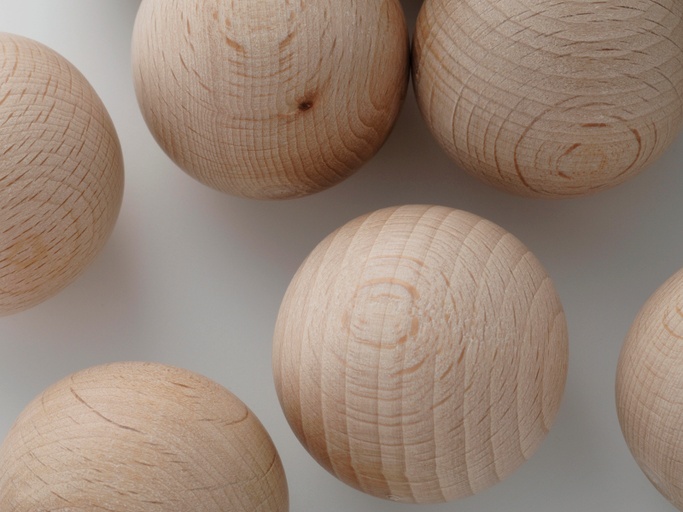 Beech
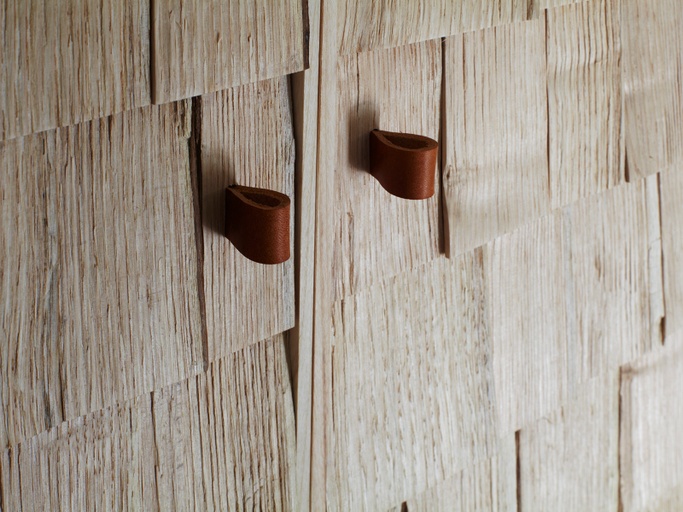 Chestnut
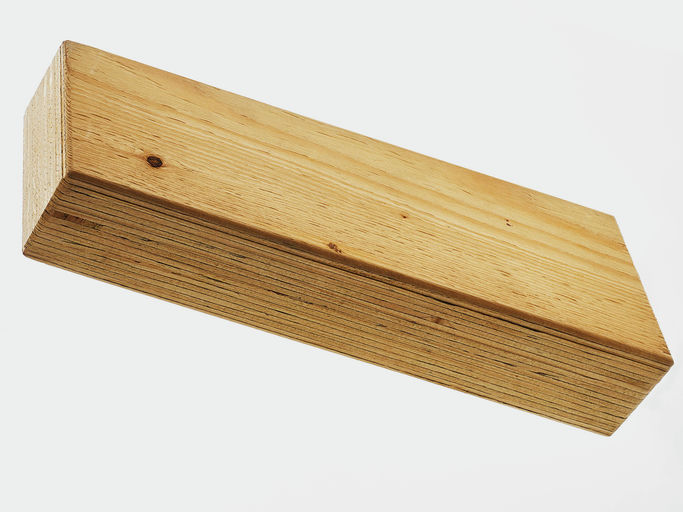 Engineered wood
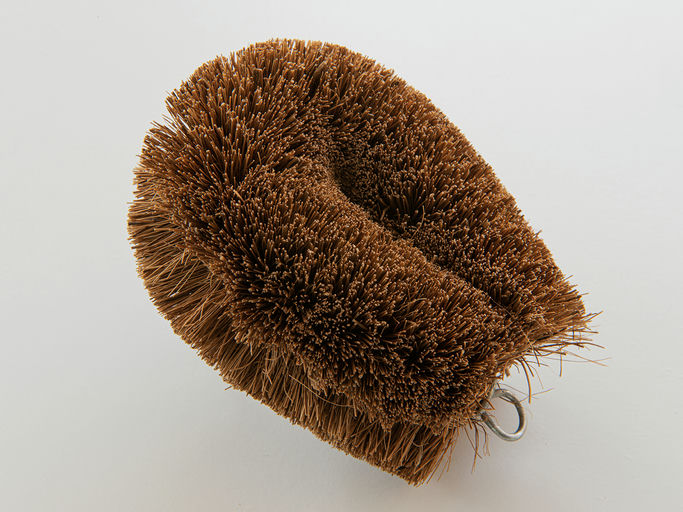 Coir
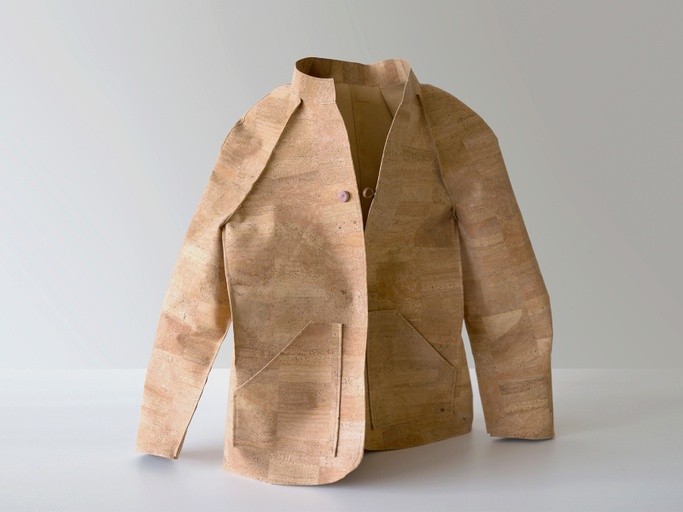 Cork
 Paints & coatings
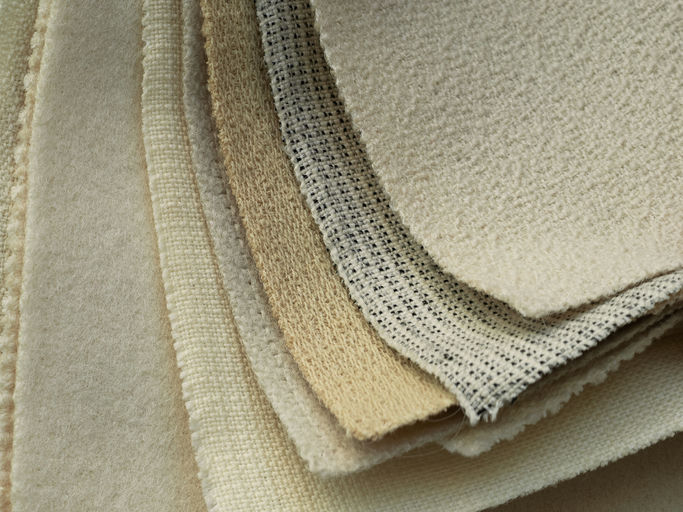 Wool
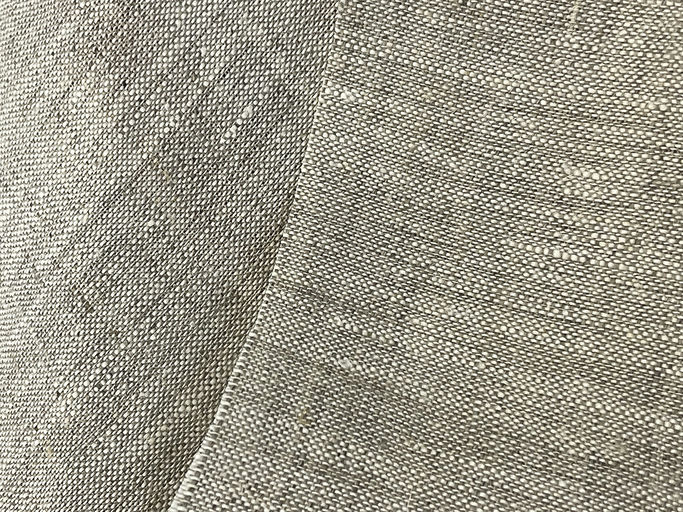 Hemp
 Adhesives & sealants
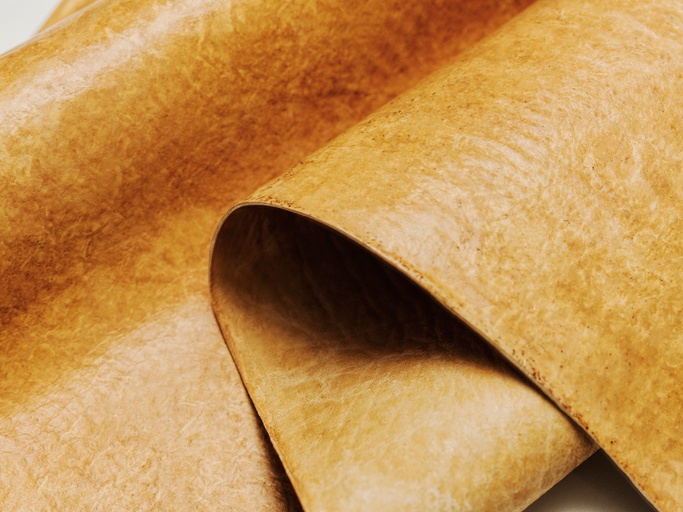 Mycelium
 Cotton
 Flax, Linen
 Paper
 Gypsum
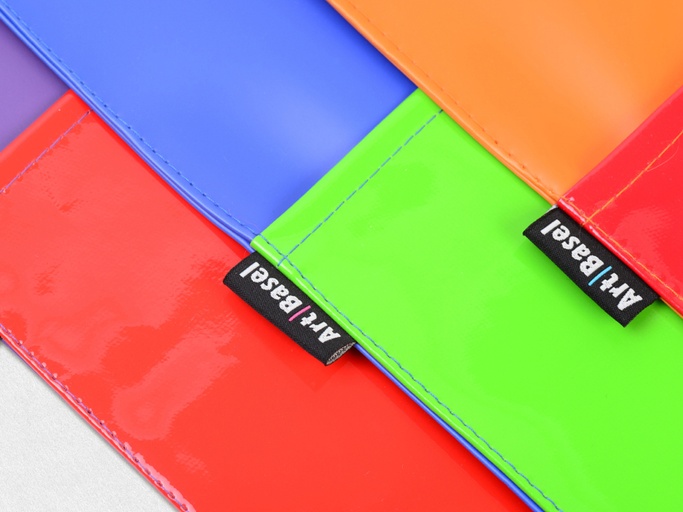 Polyvinyl chloride (PVC)
 Paints & coatings
 Cement & concrete
 Thermoplastic polyurethane (TPU)
 Engineered stone & solid surface
 Unsaturated polyester resin (UPR)
 Polycarbonate (PC)
 Polyurethane resin (PUR)
 Lead
 Epoxy
 Crystal glass
 Furan
 Formaldehyde resin
 Copper, Brass & Bronze
 Polymethyl methacrylate (PMMA)
 Synthetic rubber
 Pigments & dyes
 Vinyl ester
 Fluoropolymer
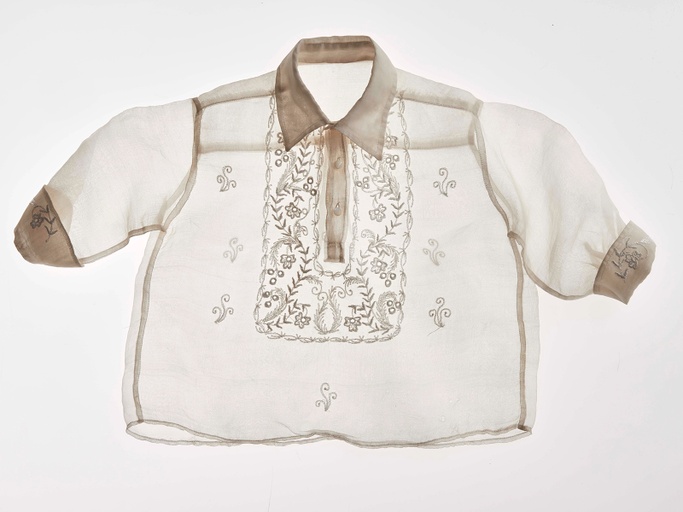 Pineapple fibre, piña
 Fur