Regulation · EU
Construction Products Regulation (EU) 2024/3110
Construction products covered by a harmonised standard need a declaration of their performance and CE marking. The new Regulation has applied since 8 January 2026, but product families move over one at a time: until a new harmonised standard is cited for a product, the old 2011 rules and Declaration of Performance still apply. Under the new rules the declaration becomes a Declaration of Performance and Conformity, and environmental sustainability information (starting with climate impact) is phased in product family by product family.
Which materials it touches
278 materials in 86 families. Each tile opens the full check, where the other rules for that material are listed too.
If supplied as a construction product covered by a harmonised standard (e.g. structural timber, insulation, cladding, windows), it needs a declaration of performance and CE marking: under the 2011 rules until a new harmonised standard is cited for that product, then a Declaration of Performance and Conformity.
 Acacia1 type
 Acrylic fibre (PAN)2 types
 Acrylonitrile styrene acrylate (ASA)1 type
 Alloy steel8 types
 Aluminium19 types
 Ash2 types
 Balsa2 types
 Bamboo2 types
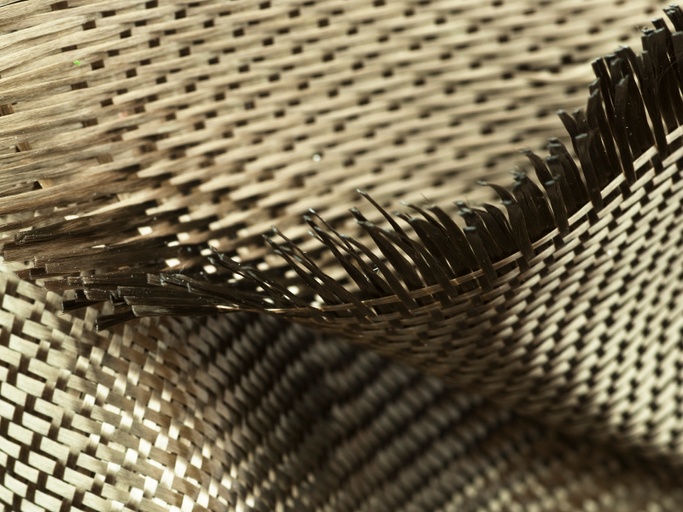 Basalt1 typeBasalt fibre2 types
 Basswood, lime & linden1 type
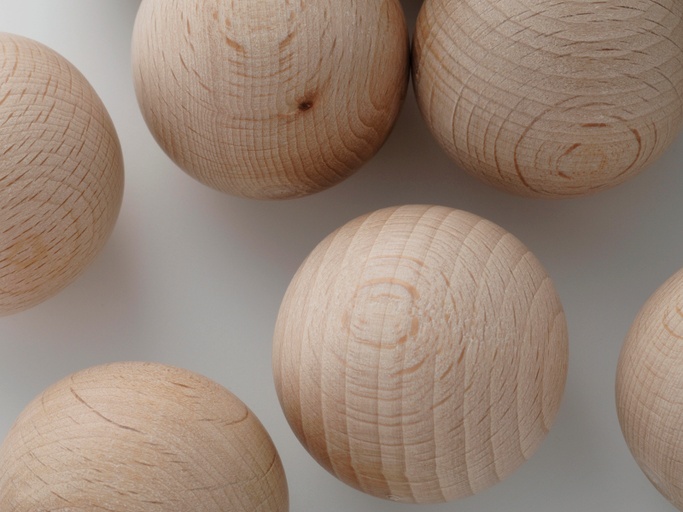 Beech2 types
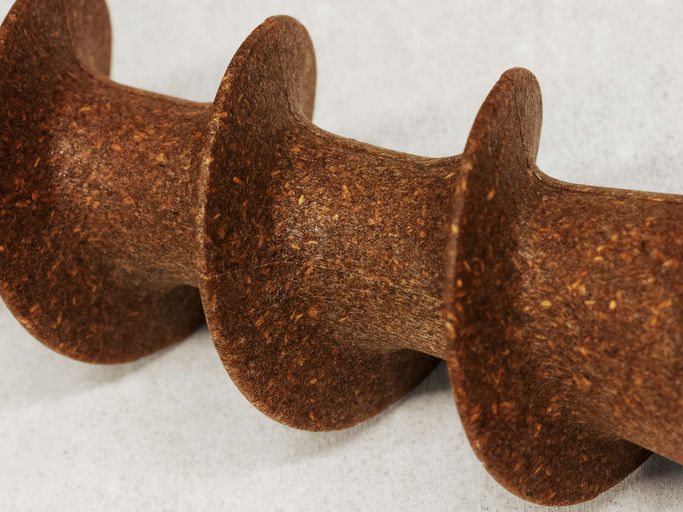 Biodegradable polyester1 type
 Birch3 types
 Borosilicate glass1 type
 Brick3 types
 Carbon steel4 typesCement & concrete14 types
 Ceramic4 types
 Chestnut1 type
 Clay7 types
 Copper, Brass & Bronze12 types
 Cork2 types
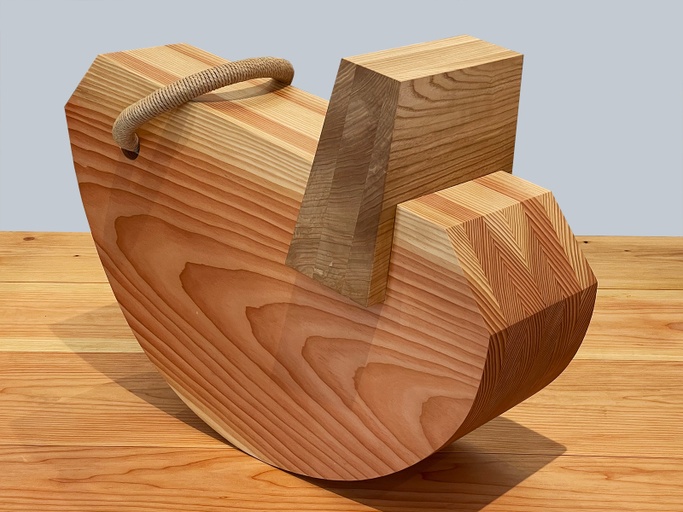 Douglas fir4 types
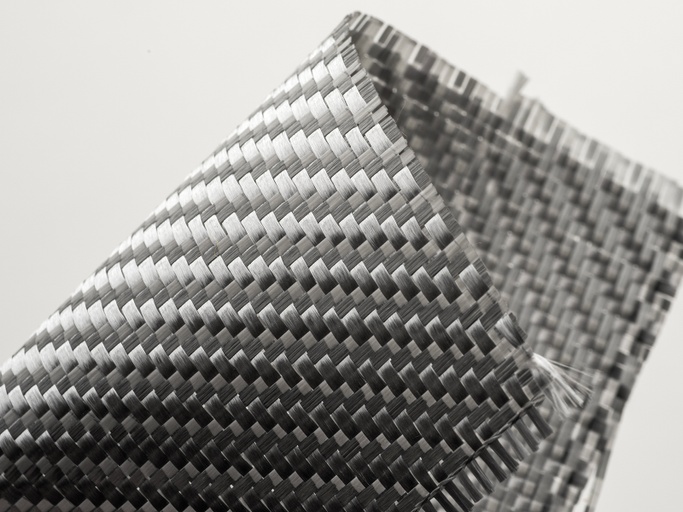 E-glass fibre1 type
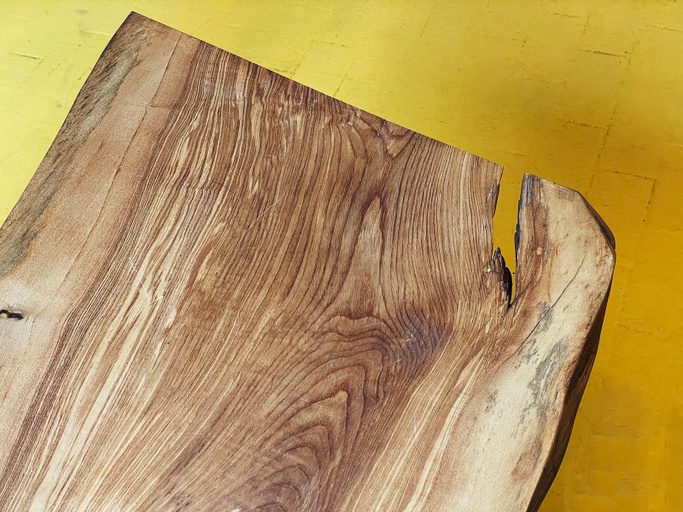 Elm1 type
 Engineered stone & solid surface1 type
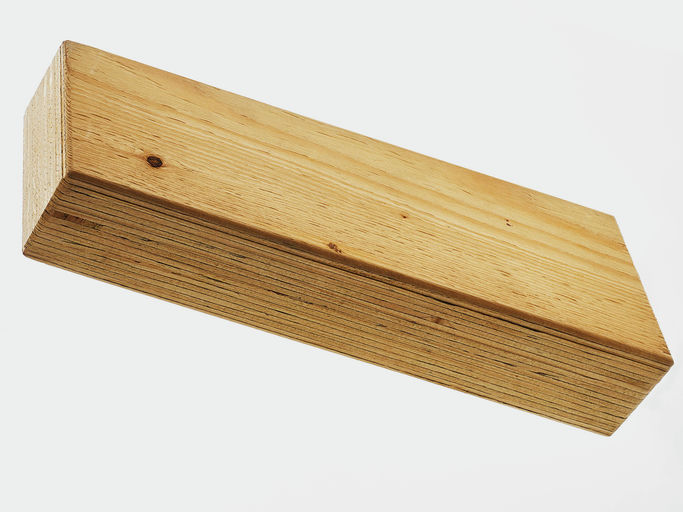 Engineered wood10 types
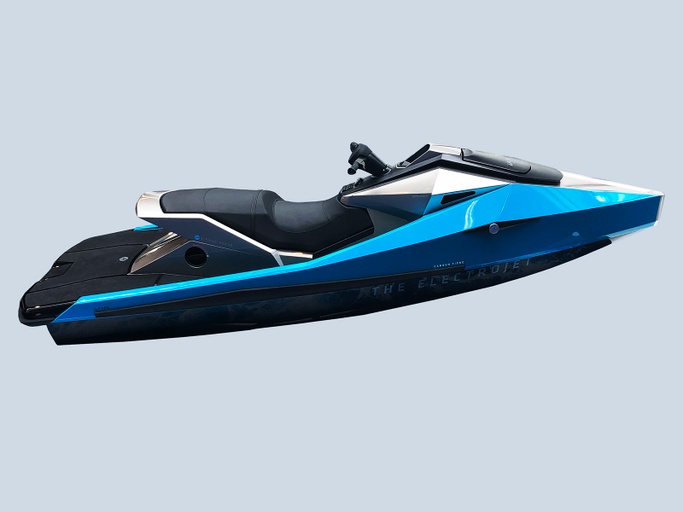 Epoxy3 types
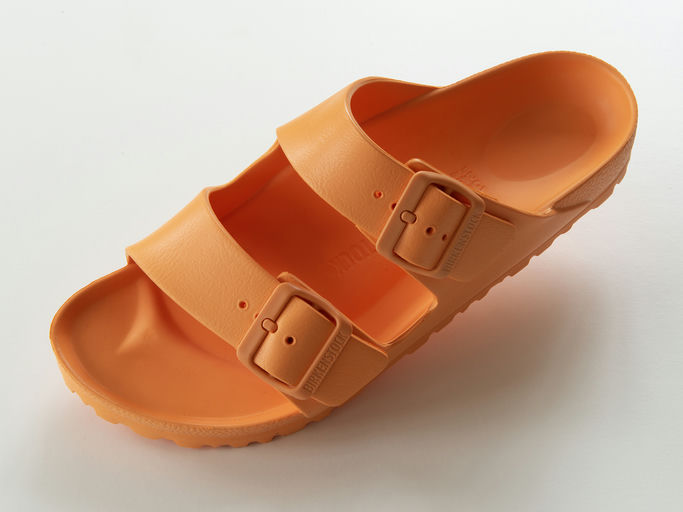 Ethylene vinyl acetate (EVA)1 type
 Eucalyptus1 type
 Flax, Linen1 type
 Float glass6 types
 Fluoropolymer6 types
 Formaldehyde resin5 types
 Furan1 type
 Gabbro1 type
 Grass1 type
 Gypsum3 types
 Hemp3 types
 Iron14 types
 Larch2 types
 Lead1 type
 Lightweight aggregates6 types
 Lime2 types
 Mahogany1 type
 Maple1 type
 Mineral wool2 types
 Mycelium1 type
 Nickel1 type
 Oak2 types
 Paper2 types
 Pine9 types
 Polyamide (PA)1 type
 Polyamide fibre (PA)2 types
 Polycarbonate (PC)3 types
 Polyester fibre3 types
 Polyethylene (PE)9 types
 Polymethyl methacrylate (PMMA)7 types
 Polypropylene (PP)4 types
 Polystyrene (PS)4 types
 Polyurethane resin (PUR)3 typesPolyvinyl butyral1 type
 Polyvinyl chloride (PVC)4 types
 Poplar & Aspen4 types
 Regenerated cellulose1 type
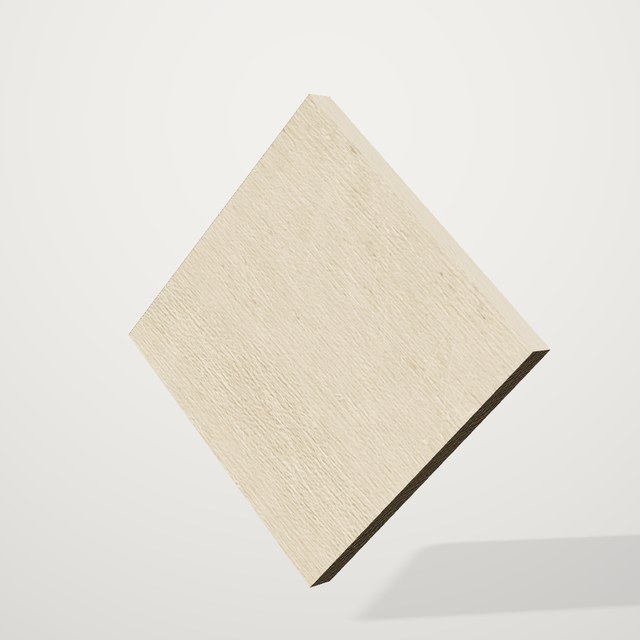 Rubberwood1 type
 Sandstone1 type
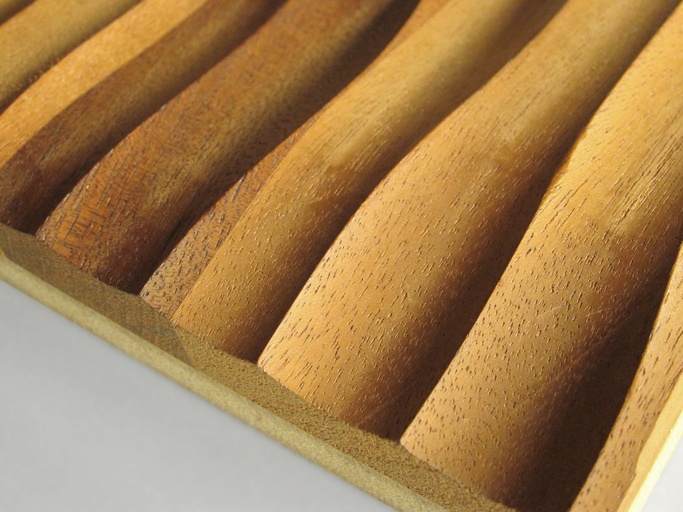 Sapele1 type
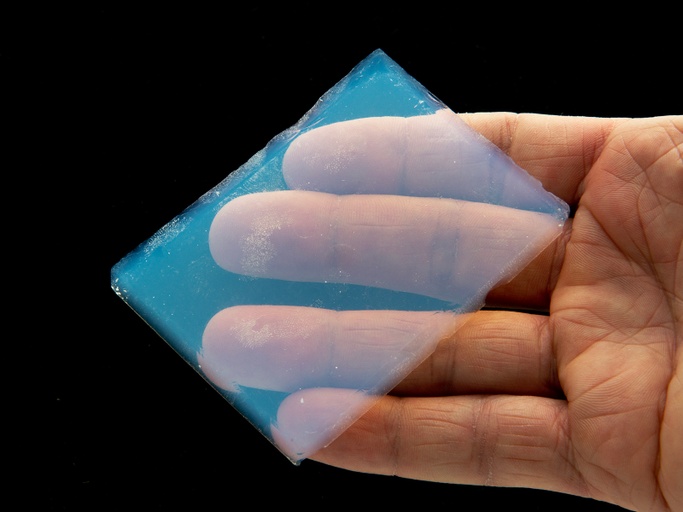 Silica1 type
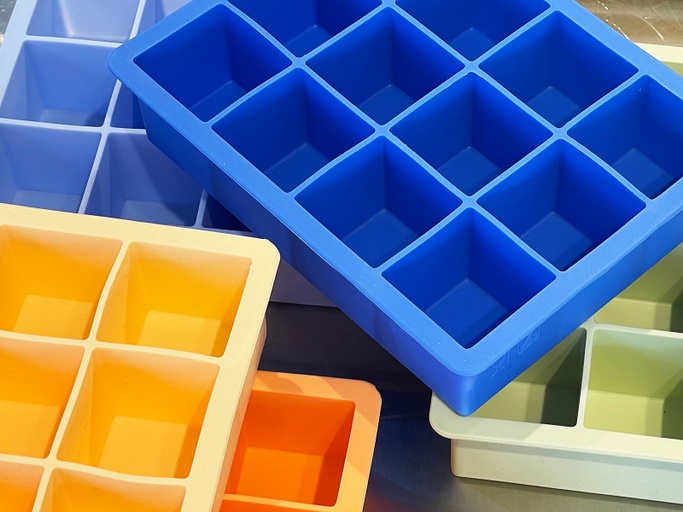 Silicone1 type
 Slate1 type
 Soda lime glass2 types
 Spruce7 types
 Stainless steel9 types
 Straw & reed3 types
 Synthetic rubber1 type
 Teak1 type
 Thermoplastic elastomer (TPE)2 types
 Thermoplastic polyester3 types
 Unsaturated polyester resin (UPR)3 types
 Vinyl ester1 type
 Wenge1 type
 Western red cedar1 type
 Wool3 types
 Zinc1 type
Applies: The rule covers this material or its typical uses.
Have a material in mind?
The checker shows its carbon, its concerns and what you could use instead, for more than 800 materials or every part of a product at once.
Other certifications
- Aluminium Stewardship Initiative (ASI)
- BCI Cotton (Better Cotton Initiative)
- EUCEB certification of mineral wool (CLP Note Q)
- Fairmined / Fairtrade Gold
- Forest Stewardship Council (FSC)
- Global Organic Latex Standard (GOLS)
- Global Organic Textile Standard (GOTS)
- Global Recycled Standard (GRS)
- ISCC PLUS
- Leather Working Group (LWG)
- Masters of FLAX FIBRE (formerly European Flax)
- OEKO-TEX STANDARD 100 / LEATHER STANDARD
- OK compost HOME
- Programme for the Endorsement of Forest Certification (PEFC)
- Responsible Alpaca Standard (RAS)
- Responsible Jewellery Council (RJC)
- Responsible Mohair Standard (RMS)
- Responsible Wool Standard (RWS)
- ResponsibleSteel
- The Good Cashmere Standard (GCS)
- Veramark Assurance (formerly the Copper Mark)
- Organic Content Standard (OCS)
- Materials Matter Standard (Textile Exchange)
- UL GREENGUARD and GREENGUARD Gold
- bluesign
Labels
Standards
Laws and regulations
- Ban on bisphenol A in food contact materials (EU) 2024/3190
- Biocidal Products Regulation (EU) 528/2012 (treated articles)
- Carbon Border Adjustment Mechanism (EU) 2023/956
- Ceramic Food Contact Directive 84/500/EEC
- Critical Raw Materials Act (EU) 2024/1252
- Ecodesign for Sustainable Products Regulation (EU) 2024/1781
- EU ban on Russian diamonds, Regulation (EU) 833/2014 Article 3p
- EU Conflict Minerals Regulation (EU) 2017/821
- EU Deforestation Regulation (EU) 2023/1115
- EU Toy Safety Regulation (EU) 2025/2509
- Extended producer responsibility for textiles (Directive (EU) 2025/1892)
- Food Contact Materials Regulation (EC) 1935/2004
- Kimberley Process Certification Scheme, Regulation (EC) 2368/2002
- Packaging and Packaging Waste Regulation (EU) 2025/40
- Persistent Organic Pollutants Regulation (EU) 2019/1021
- Plastic Food Contact Materials Regulation (EU) 10/2011
- Proposed EU-wide PFAS restriction (REACH)
- REACH: azo dyes that release carcinogenic aromatic amines (Annex XVII entry 43)
- REACH: chromium VI in leather (Annex XVII entry 47)
- REACH: formaldehyde emissions from articles (Annex XVII entry 77)
- REACH: hazardous substances in clothing, textiles and footwear (Annex XVII entry 72)
- REACH: lead in PVC and consumer articles (Annex XVII entry 63)
- REACH: nickel release (Annex XVII entry 27)
- REACH: PFHxA restriction (Annex XVII entry 79)
- REACH: phthalates in plasticised articles (Annex XVII entry 51)
- REACH: synthetic polymer microparticles (Annex XVII entry 78)
- Regenerated Cellulose Film for food contact, Directive 2007/42/EC
- RoHS Directive 2011/65/EU (hazardous substances in electronics)
- Single-Use Plastics Directive (EU) 2019/904
- Forced Labour Regulation (EU) 2024/3015