Trend briefing
Bioplastics: the good, the bad and the ugly
Bioplastics are growing fast and promise a lot. Some cut fossil carbon, some break down at the end of life, a few do both, and the labels rarely say which. Here is what is good, what is bad and what is ugly right now.
In short: compostable is a question of time
Every plastic breaks down eventually. What matters is how long it takes, where, and into what. A compostable plastic is designed to turn into CO₂, water and biomass within a set time under set conditions. A conventional plastic just gets smaller: over decades it fragments into microplastics that stay in soil, rivers and the sea.
Bioplastics are still only about half a percent of all plastics, and the word covers very different materials. Of the 56 bio-based and biodegradable grades in this briefing, 54% are tagged biodegradable, but only 23% home compostable, and 66% carry a microplastics warning.
The clock depends on the label, and it only runs under the conditions the label was tested for:
- 12 weeksIndustrial compost (EN 13432): at least 90% has fallen apart into pieces under 2 mm, at around 58 °C.
- 6 monthsIndustrial compost (EN 13432): at least 90% has turned into CO₂, water and biomass.
- 12 monthsHome compost (OK compost HOME, AS 5810, NF T 51-800): the same 90% breakdown at garden-heap temperatures of about 20–30 °C.
- Over a yearThe sea: in a Scripps trial off San Diego, PLA, the most common compostable plastic, showed no sign of breaking down after more than a year, while cotton and wood-based cellulose fabrics fell apart in about a month.
- DecadesConventional plastics fragment into microplastics instead of biodegrading. The EU banned oxo-degradable plastics, designed to fragment faster, from July 2021 for that reason.
Sources: European Bioplastics, industrial and home composting · Measurlabs, compostability test standards (EN 13432, AS 5810) · TÜV Austria, OK compost HOME · Royer et al. 2023, PLOS ONE: PLA in seawater · Scripps trial, ScienceDaily · Single-Use Plastics Directive (EU) 2019/904 · European Bioplastics, market update 2025
One word, three meanings
Ask any supplier which one they mean:
- Bio-based: made partly or fully from plants, waste or captured carbon. It says nothing about end of life: bio-PE and bio-polyamide behave exactly like their fossil twins.
- Biodegradable: microbes can break it down, but how fast and where (soil, sea, compost) varies hugely.
- Compostable: breaks down within a set time in a composting process. Most certificates, such as EN 13432, mean an industrial plant, not a garden heap.
In 2025 about 58% of bioplastics production was bio-based but not biodegradable, led by bio-polyamides, PTT and bio-PE.
The good: renewable carbon, sometimes less of it
Used like for like, bio-based plastic can cut carbon. Bio-based polyethylene is 1.7 kg CO₂e/kg against 2.1 kg CO₂e/kg for fossil HDPE, and PEF is 1.2 kg CO₂e/kg against 2.5 kg CO₂e/kg for PET, with a better gas barrier too. 86% of these grades are tagged Renewable.
Now look at the grey dots at the top: recycled conventional plastics are often lower still.
Carbon footprint, raw material to factory gate (kg CO2e per kg)
The market: growing fast, still tiny
Global capacity for bio-based plastics was 2.31 million tonnes in 2025 and is forecast to double to about 4.69 million tonnes by 2030. Plants ran at 72% of capacity, producing 1.67 million tonnes. That is about 0.5% of the roughly 431 million tonnes of plastics made each year.
Packaging is the biggest use at 41% of capacity, Asia holds over half of production capacity, and PLA is the largest single polymer at just over a quarter.
Sources: European Bioplastics · Packaging World · Argus
The bad: bio-based is not automatically low carbon
The median for these grades is 3.88 kg CO₂e/kg, against 1.85 kg CO₂e/kg for fossil polypropylene. PLA is 3.05 kg CO₂e/kg, PHA 4.5 kg CO₂e/kg and PBAT 4.75 kg CO₂e/kg. Farming, fermentation and drying all use energy, and results swing with the crop and the power grid.
Many bioplastics are blends: 21 grades contain non-renewable ingredients, 9 carry a deforestation risk and 37 are tagged for microplastics.
Concerns tagged on bioplastic grades (number of grades)
Out of 56 grades.
The ugly: the end-of-life muddle
End of life is where the promises unravel. Only 23% of these grades are tagged home compostable. 57% are tagged Recycle, meaning they can be remelted in principle, but separate collection for PLA, PHA or starch plastics barely exists, so for most the route stays theoretical.
Compostable plastics need separate collection and an industrial plant that accepts them, and many plants don't. In a PET recycling stream, PLA is a contaminant. A compostable cup in a general waste bin behaves much like any other plastic.
Grades tagged with each end-of-life route, out of 56.
The rules have changed
Two EU laws now shape what you can make and what you can say.
Packaging (PPWR) has applied since 12 August 2026. It puts reuse and recycling ahead of composting, but from 12 February 2028 permeable tea and coffee bags, soft single-serve pods and sticky fruit labels must be compostable.
Claims (Empowering Consumers Directive) has applied since 27 September 2026. Generic claims such as "biodegradable" or "biobased" are banned unless backed by recognised excellent environmental performance. Say exactly what is bio-based, how much, and where it composts.
- Food Contact Materials Regulation (EC) 1935/2004
- Packaging and Packaging Waste Regulation (EU) 2025/40
- Plastic Food Contact Materials Regulation (EU) 10/2011
- USDA Certified Biobased Product (BioPreferred)
- Single-Use Plastics Directive (EU) 2019/904
- Industrial compostable (EN 13432)
- ISCC PLUS
- EU Toy Safety Regulation (EU) 2025/2509
Sources: PPWR timeline (FoodNavigator) · PPWR overview (CMS) · EmpCo Directive (EU Ecolabel Germany) · Packaging Gateway
Shake-out and scale-up
The money is moving from hype to scale. US PHA and PLA maker Danimer Scientific filed for bankruptcy in March 2025, and its business was bought by the compounder Teknor Apex that June.
At the other end, Avantium produced the first FDCA, the building block of PEF, at its flagship plant in Delfzijl in September 2026, with commercial deliveries expected around the end of the year. Expect fewer, larger players, and prices above fossil plastics for some time.
Sources: Bioplastics Magazine · Plastics Machinery & Manufacturing · Hydrocarbon Processing · ChemXplore
Who to watch
From plant-based PEF and methane-based PHA to seaweed packaging. 129 bioplastic innovations are in Spotlight; these are the ones to know now.
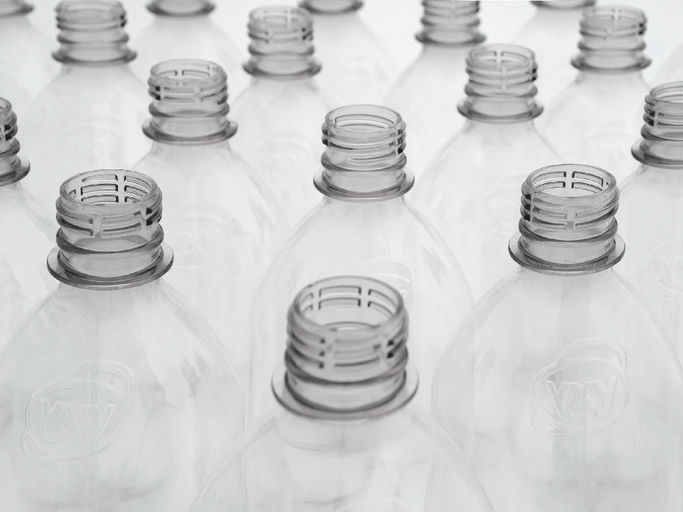 Avantium polyethylene furanoate (PEF), bio-based polyesterAvantiumAvantium polyethylene furanoate (PEF), bio-based polyester is suitable as a fossil-free replacement for polyethylene terephthalate (PET), polyester, such as in packaging applications. It is made from plant sugars (currently from crops such as sugar cane, corn, wheat and sugar beet).Image: Avantium
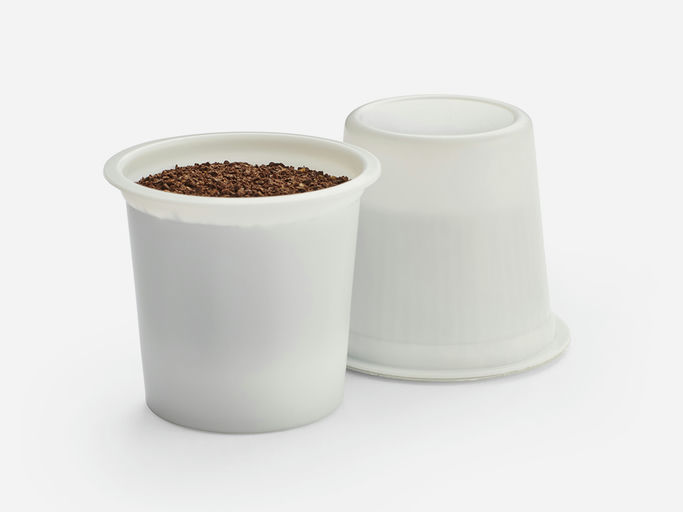 Ingeo polylactic acid (PLA) by NatureWorksNatureWorksNatureWorks Ingeo polylactic acid (PLA) provides compostable packaging for food and beverages such as coffee, dairy, dry foods, produce and bakery goods. It is suitable for ultrasonic welding, such as used to seal coffee pods, which creates an effective oxygen barrier without the need for a secondary packaging.Image: NatureWorks
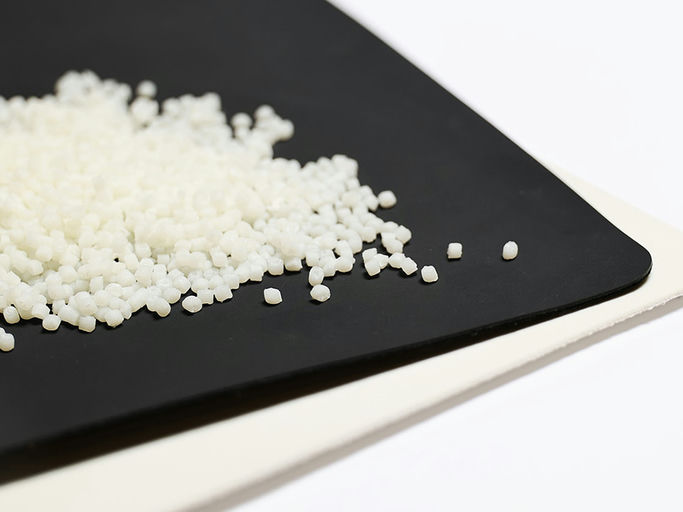 AirCarbon polyhydroxybutyrate (PHB), biodegradable polyester from methaneNewlight TechnologiesAirCarbon polyhydroxybutyrate (PHB), biodegradable polyester is produced by Newlight Technologies. They use a novel catalytic process based on microorganisms from the ocean.Image: Newlight Technologies
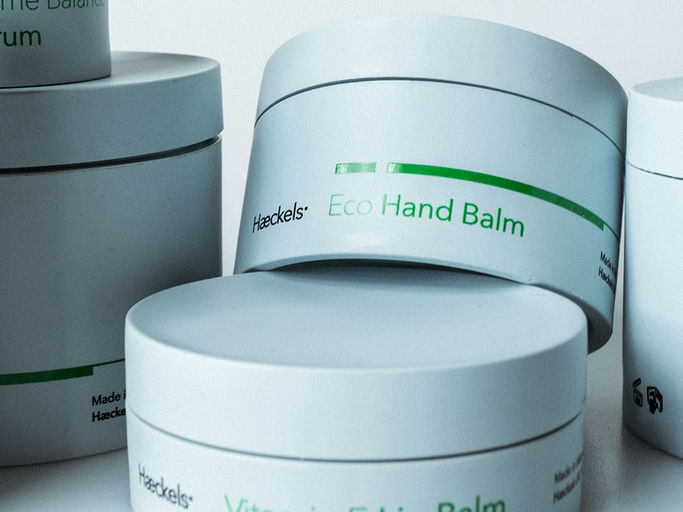 Vivomer polyhydroxyalkanoates (PHA) by ShellworksShellworksVivomer by Shellworks is made with the fat of microorganisms found in the soil and sea. The microbes are grown and fermented to produce polyhydroxyalkanoates (PHA), biodegradable polyester. Once used, Vivomer is easily metabolised by these same microbes so that it can be thrown away like ordinary food waste.Image: Shellworks
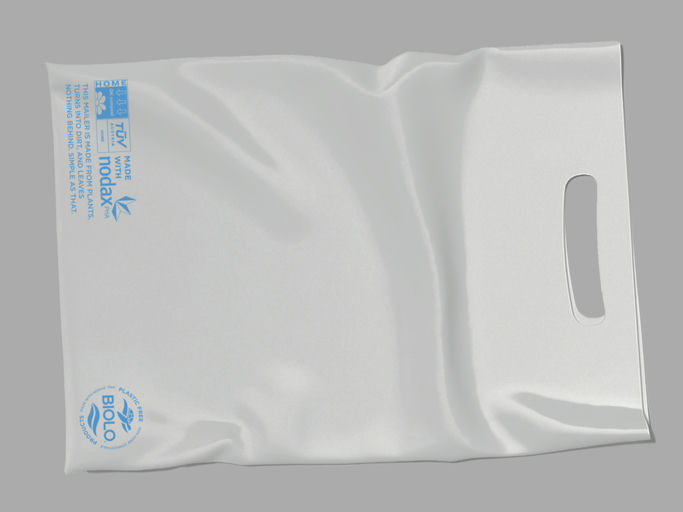
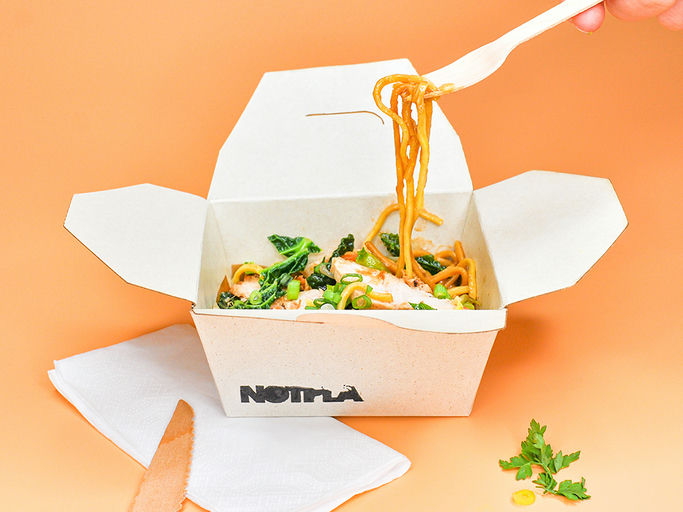 Notpla seaweed packagingNotplaNotpla are compostable seaweed based paper coatings and packaging films that provide a plastic-free barrier to water and grease. After use, the packaging can be disposed in paper recycling, or home composted.Image: Notpla
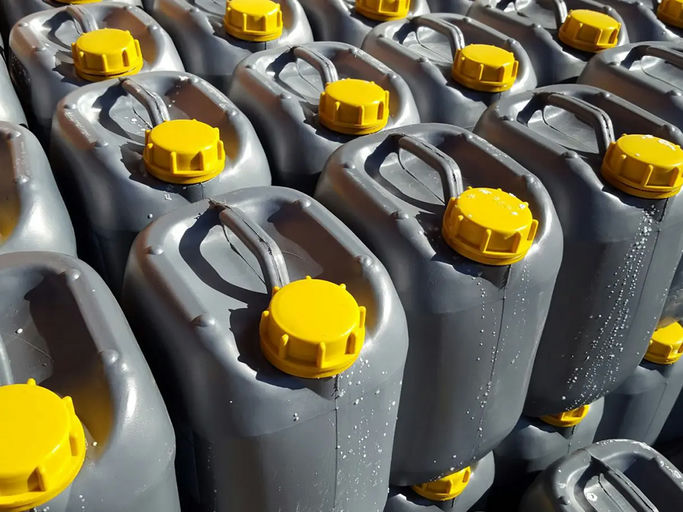 Terralene by FKuRFKuRTerralene by FKuR includes a range of partially bio-based polyolefins - polyethylene (bio-PE) and polypropylene (bio-PP) - for extrusion blow moulding, extruded profiles and injection moulding.Image: FKuR
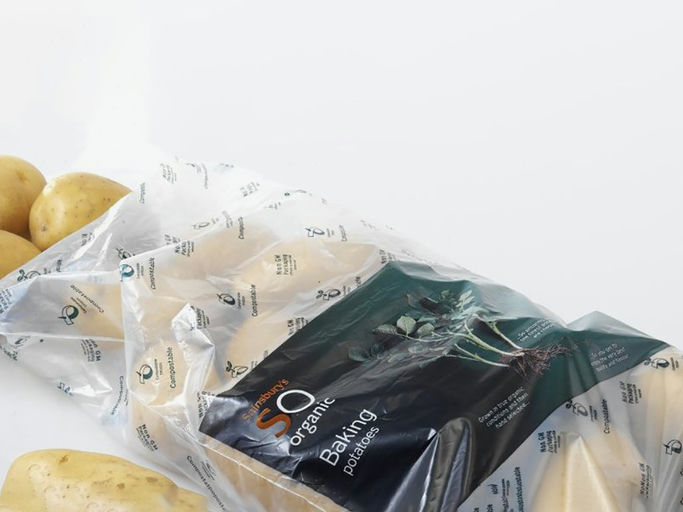 Mater-bi starch-based bioplastic by NovamontNovamontMater-bi starch-based bioplastic by Novamont can be used in a wide variety of packaging applications including bags, pouches, sealing films, cling film plus rigid pots, trays and lids. It is designed to be used on existing blown, cast film, thermoformed and injection moulding equipment used for traditional plastics.Image: Novamont
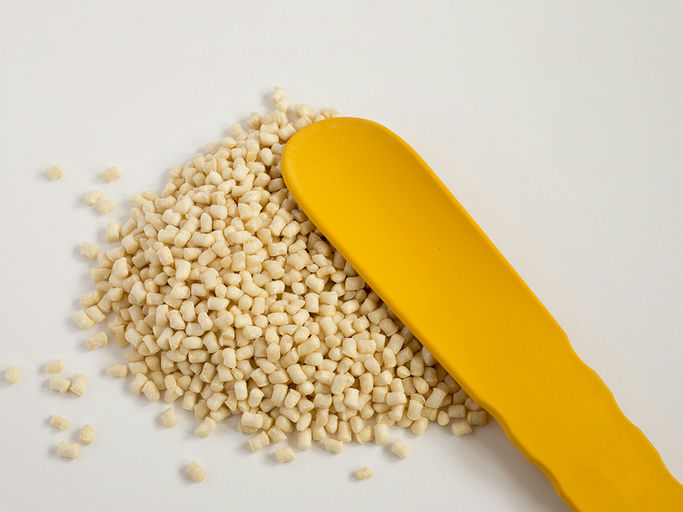 UPM Formi EcoAce bio-based polypropylene (bio-PP)UPMUPM Formi EcoAce is a bio-based polypropylene (bio-PP) produced from bio-based naphtha, which is made from crude tall oil, a byproduct of the paper pulp process. The bio-composite version contains certified wood fibre (40-60%) or cellulose fibres (30-50%).Image: UPM
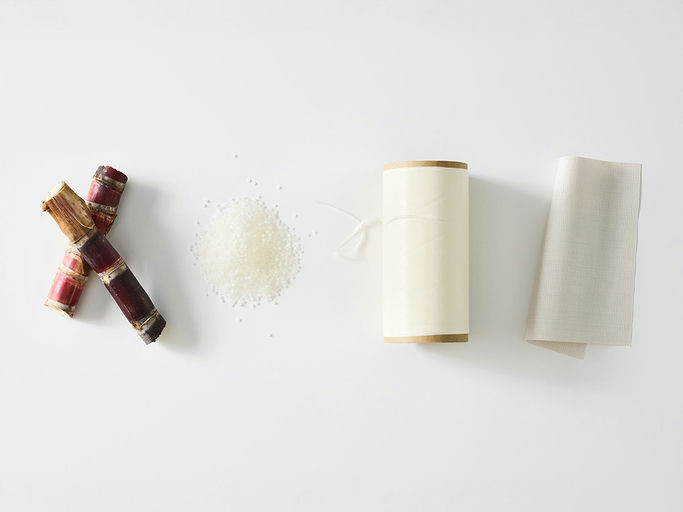 Biobased Xorel sugarcane polyethylene textile by CarnegieCarnegieBiobased Xorel is a woven textile from the American fabric company Carnegie, made from polyethylene (PE) derived from sugarcane rather than oil. Many patterns contain up to 91% bio-based content.Image: Carnegie
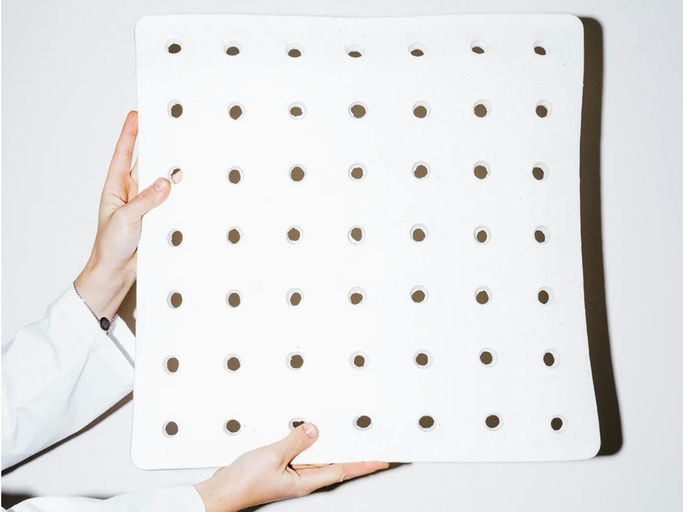 Agoprene seaweed foamAgoprene · In developmentAgoprene seaweed foam is primarily made up of ingredients derived from Norwegian kelp, but also some minerals from crab shells and waste from the Norwegian paper industry.Image: Agoprene
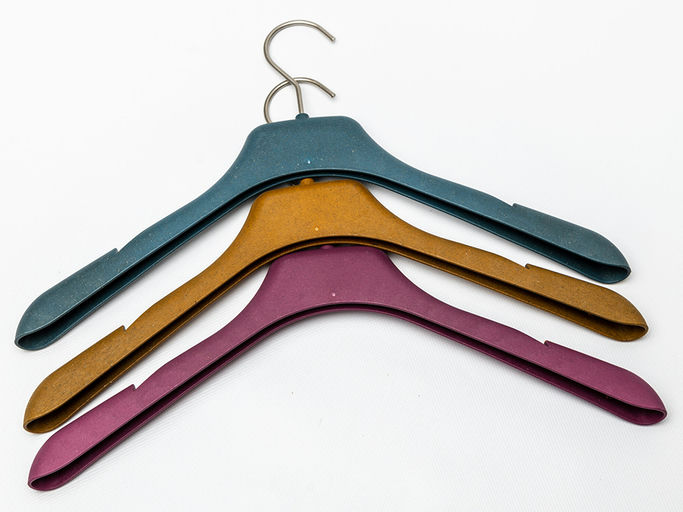 AgriPlast by BiowertBiowertAgriPlast by Biowert is a bio-based composite of recycled industrial polypropylene (rPP) mixed with up to 75% cellulose fibres obtained from meadow grass.Image: Biowert
 Akromid partially bio-based polyamide (bio-PA), nylonAkro PlasticAkromid Next is Akro-Plastic's range of partially bio-based polyamides (bio-PA, nylon): PA 6.10 and PA 11 from castor oil, PA 6.9 from sunflower oil and PA 5.6 from corn, with bio-based contents from about 41% to over 92%.Image: Akro Plastic
How to choose
Four questions before you specify a bioplastic:
- What problem does it solve: fossil carbon, end of life, or both?
- Where will it actually end up, and does that system exist where the product is sold?
- Would a recycled version of the conventional plastic be lower carbon?
- Can you prove the claim in the exact words you plan to use?
Then test it: run a polyethylene film liner in the Material checker and compare the bio-based, compostable and recycled options.
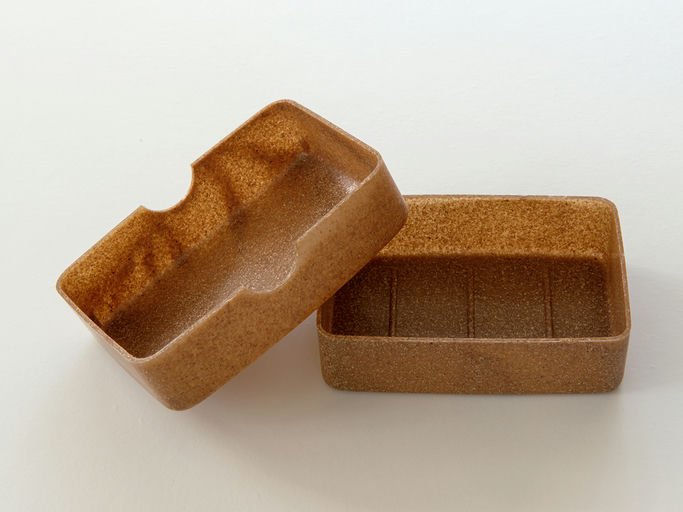 Lignin bioplastic
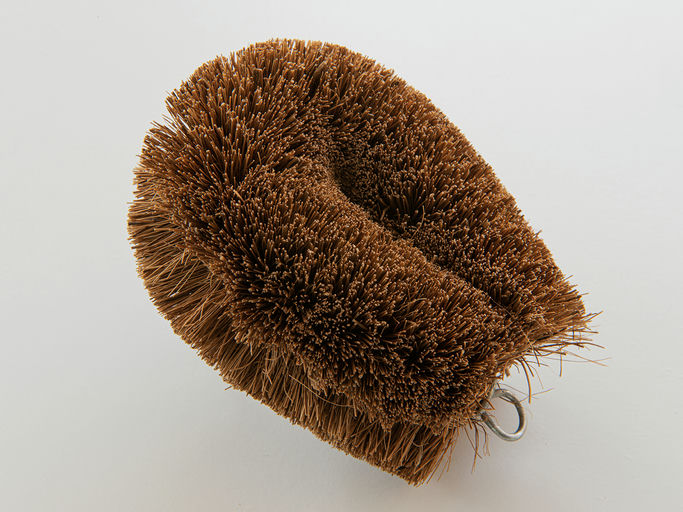 Coir
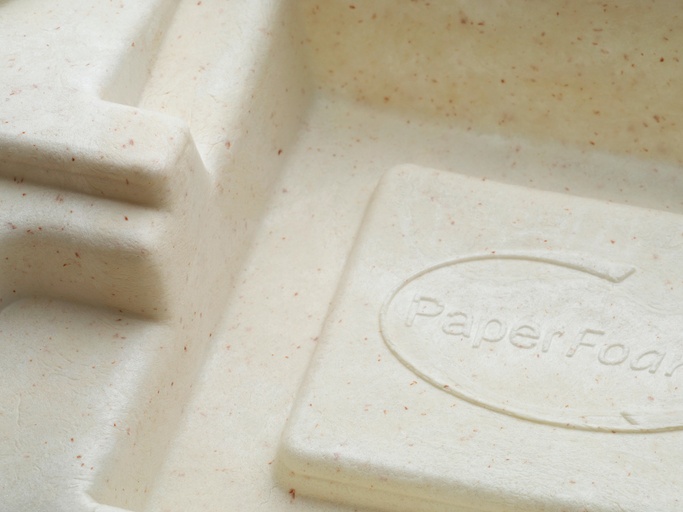 Starch
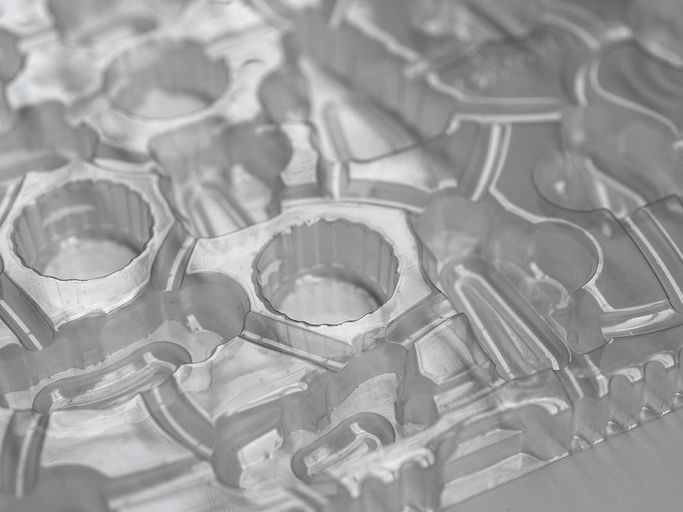 Thermoplastic polyester
 Polypropylene (PP)
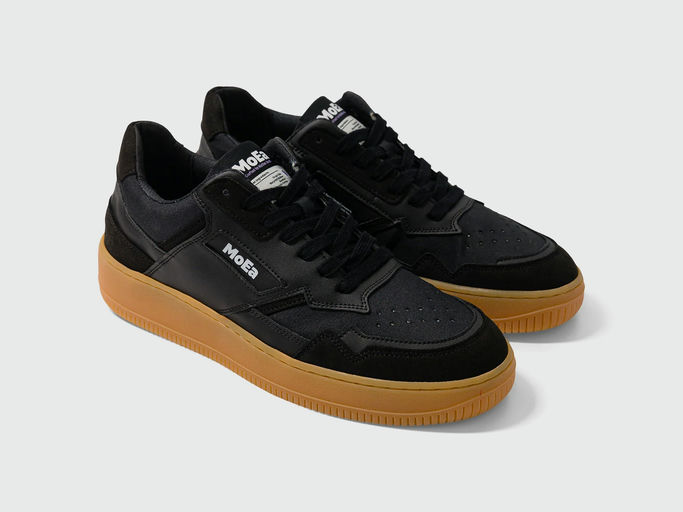 Natural rubber
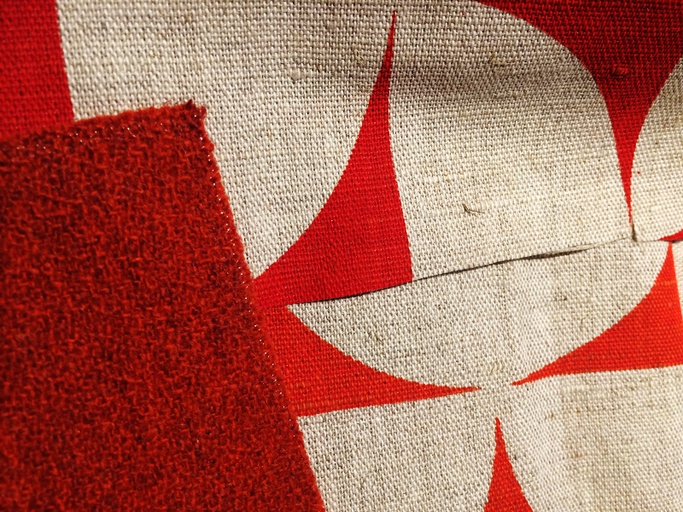 Flax, Linen
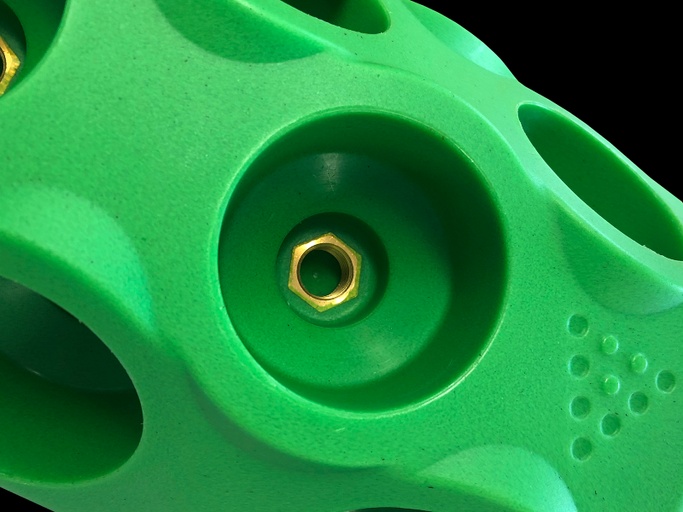 Polyethylene (PE)
 Furan
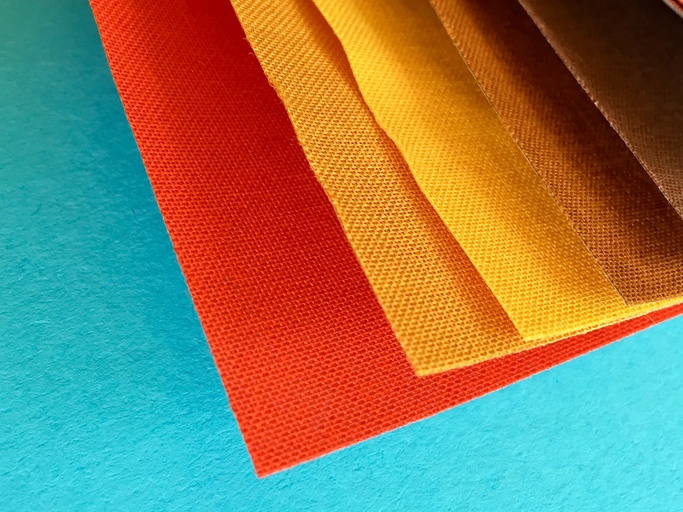 Regenerated cellulose
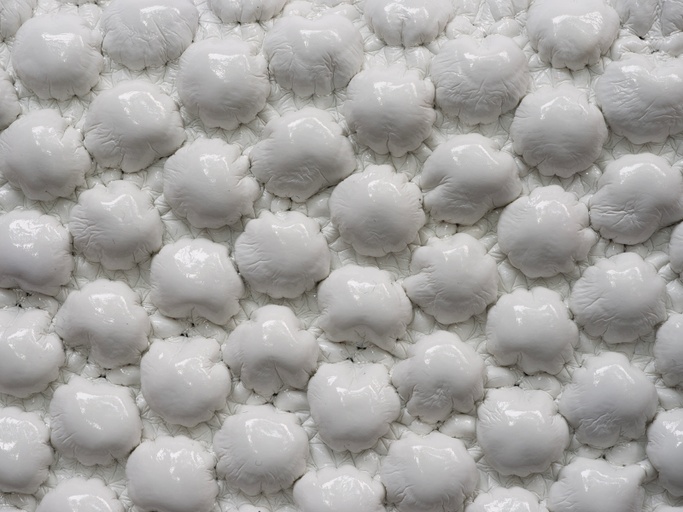 Thermoplastic polyurethane (TPU)
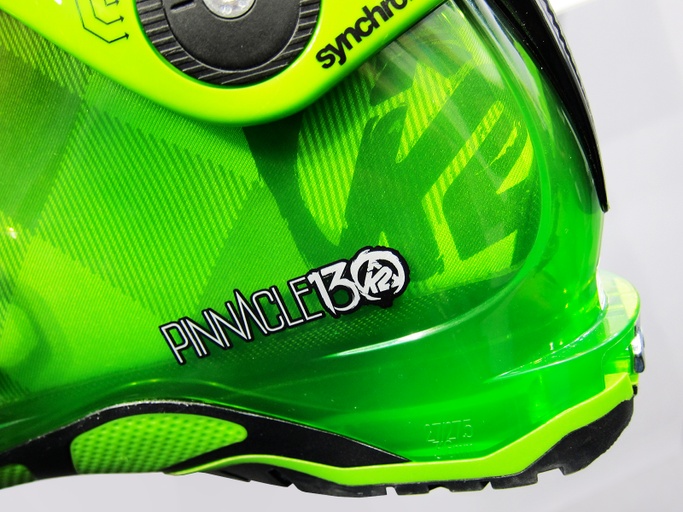 Polyamide (PA)
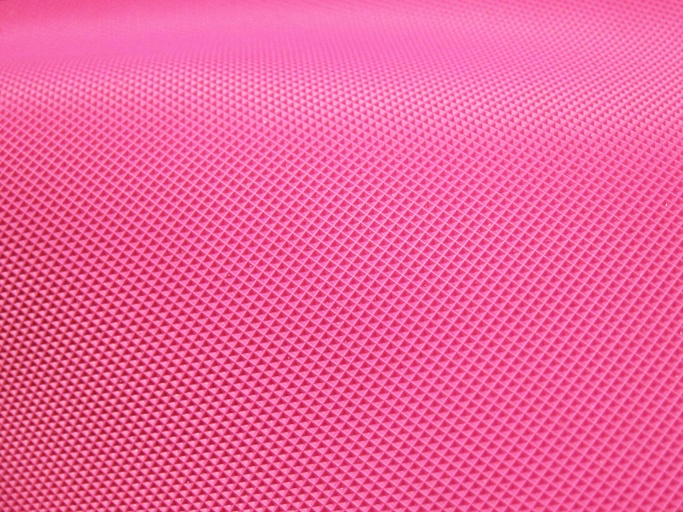 Polyurethane resin (PUR)
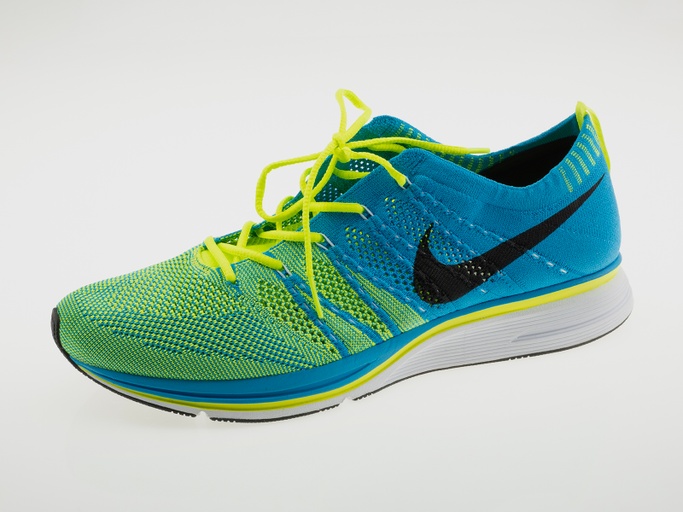 Polyester fibre
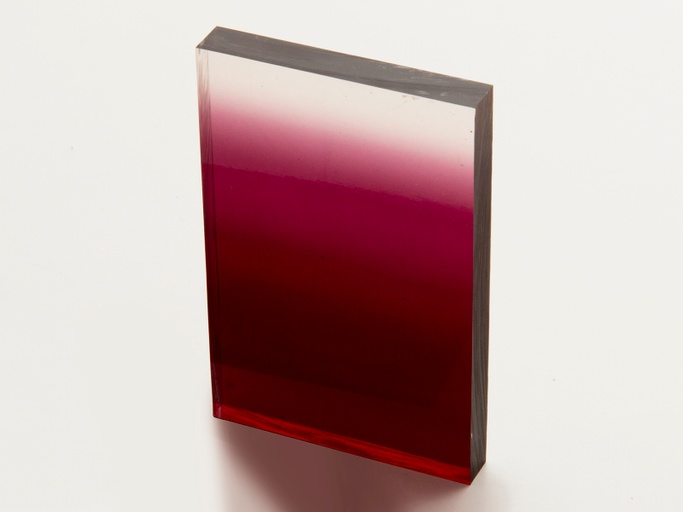 Cellulose acetate (CA)
 Epoxy
 Synthetic rubber
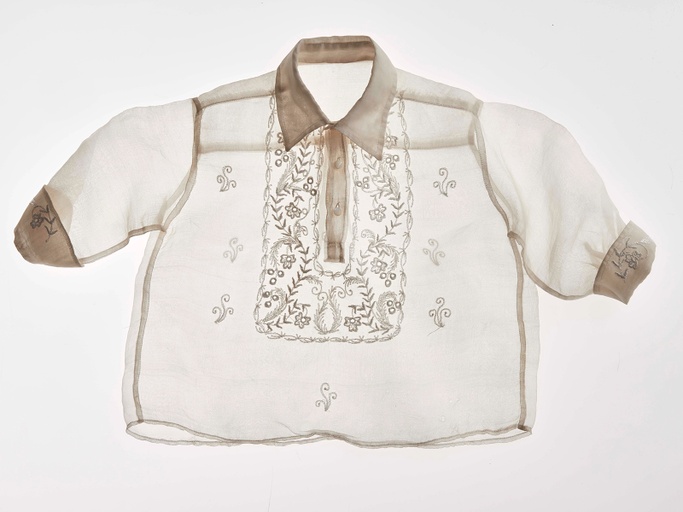 Pineapple fibre, piña
 Seaweed bioplastic