Topic
Compostable materials
Materials that can break down in a home compost heap, from timber and plant fibres to newer bioplastics.
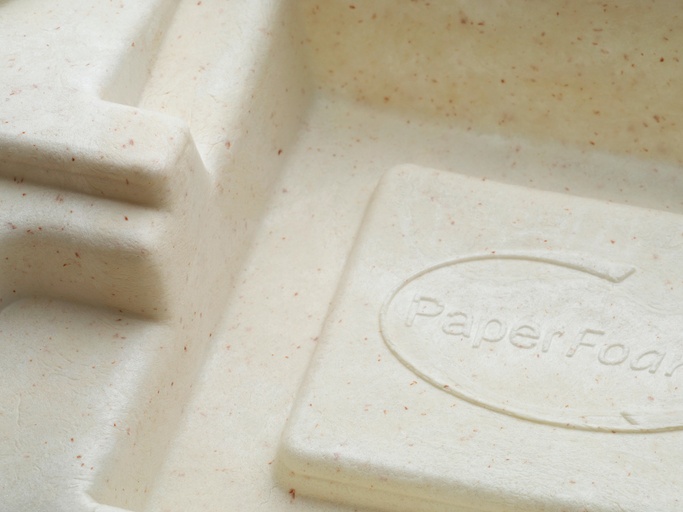
A compostable material does not make a compostable product. Coatings, dyes, glues and thickness all change the result, and industrial composting is a different standard from home composting.
Tagged home compostable
86 materials in 42 families. Lowest carbon first.
Ultra low carbon Straw & reedfrom 0.06 kg CO₂e/kg · 2 types
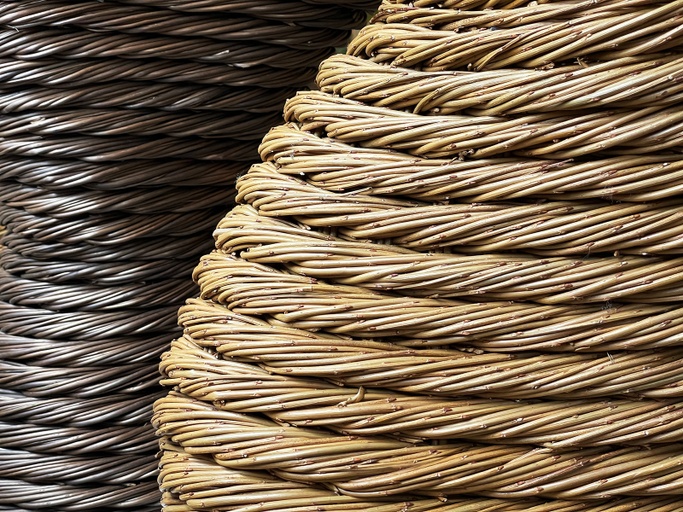 Willowfrom 0.17 kg CO₂e/kg · 1 type
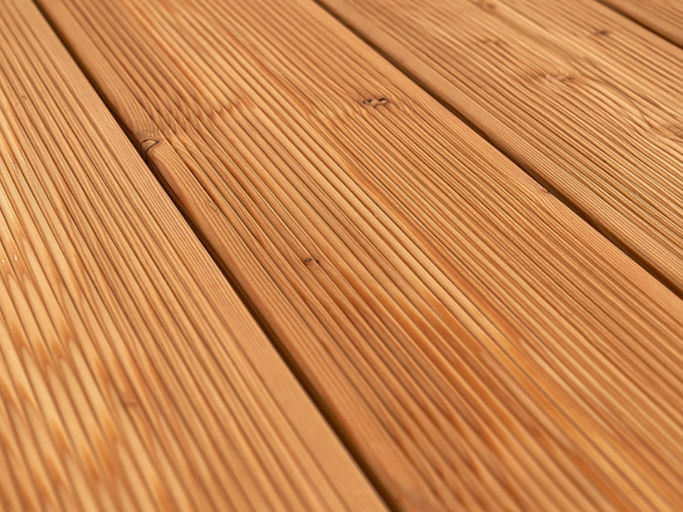 Larchfrom 0.19 kg CO₂e/kg · 1 type
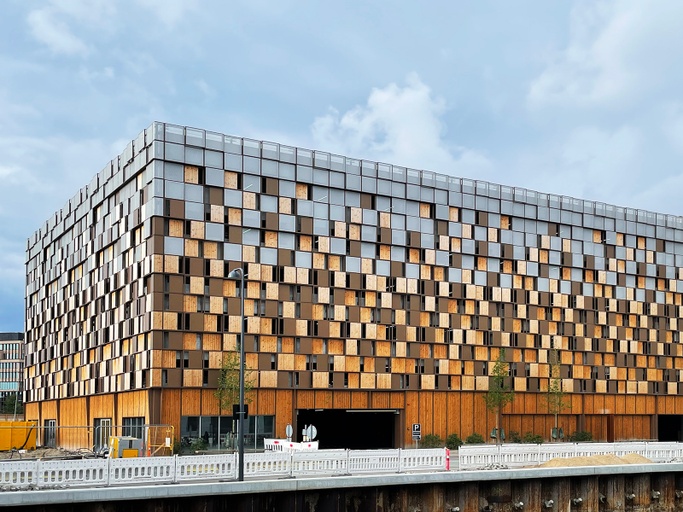 Pinefrom 0.19 kg CO₂e/kg · 4 types
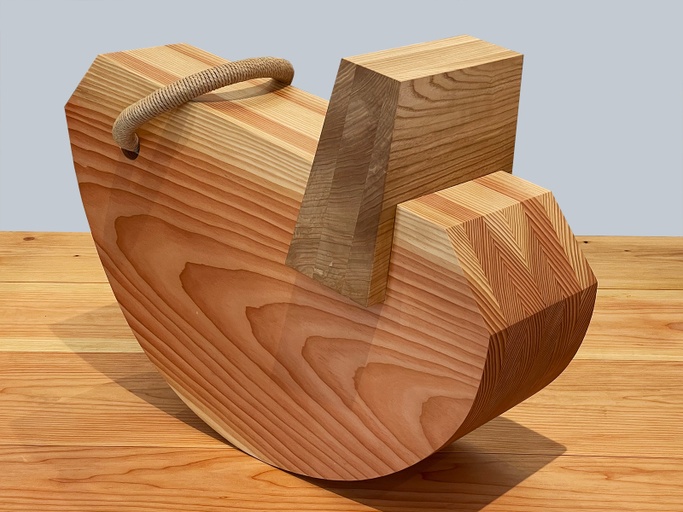 Douglas firfrom 0.19 kg CO₂e/kg · 1 type
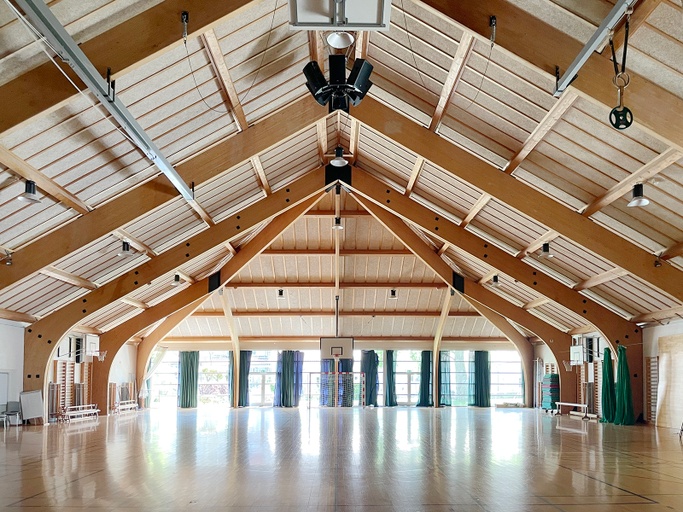 Sprucefrom 0.19 kg CO₂e/kg · 2 types
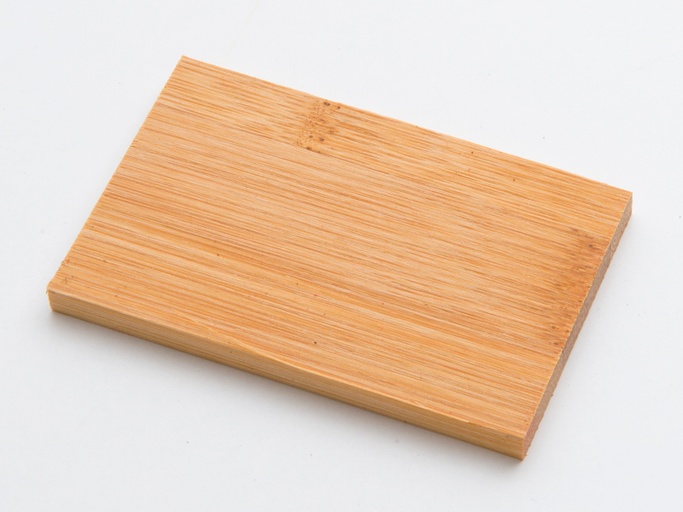 Bamboofrom 0.2 kg CO₂e/kg · 2 types
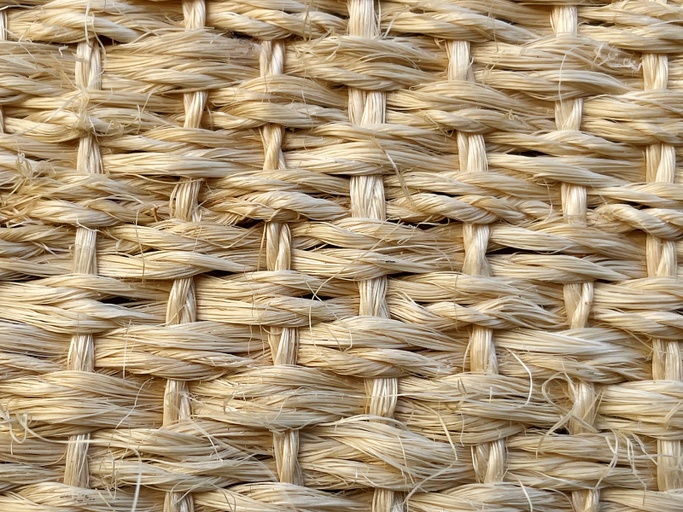 Sisalfrom 0.27 kg CO₂e/kg · 1 type
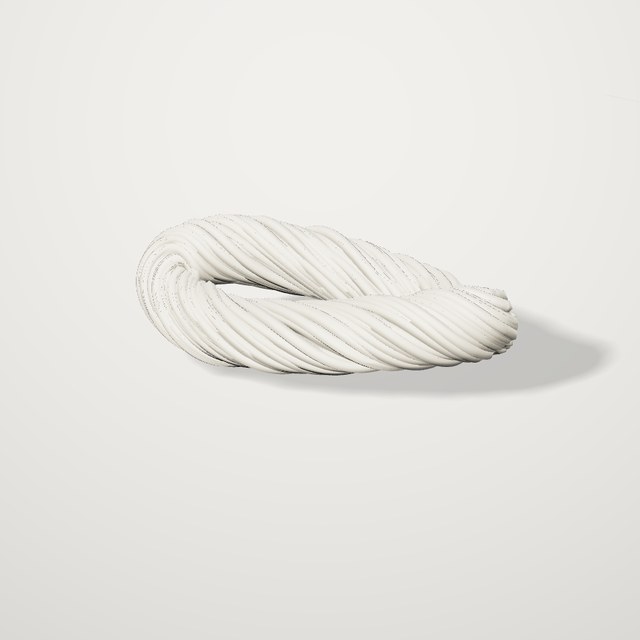 Abaca fibrefrom 0.28 kg CO₂e/kg · 1 type
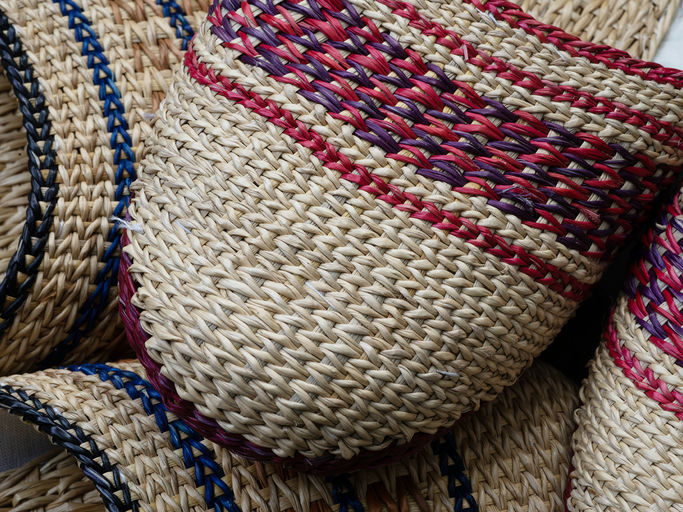 Grassfrom 0.3 kg CO₂e/kg · 1 type
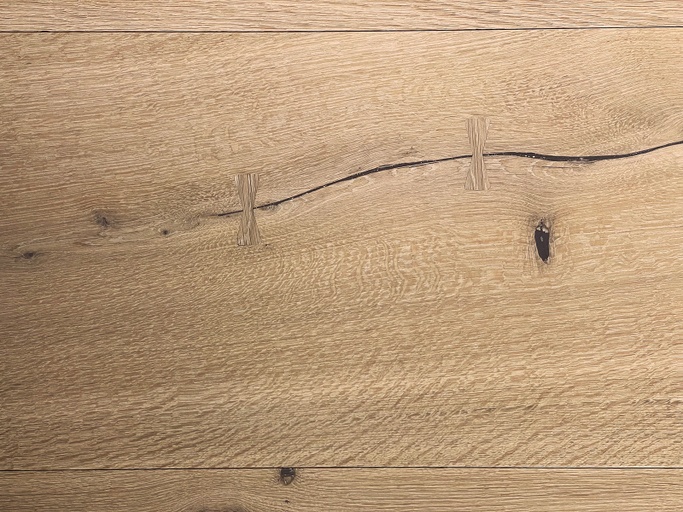 Oakfrom 0.39 kg CO₂e/kg · 2 types
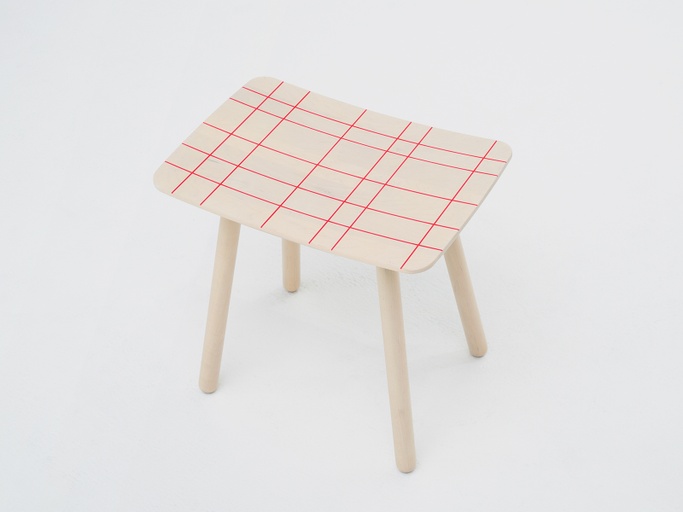 Maplefrom 0.39 kg CO₂e/kg · 1 type
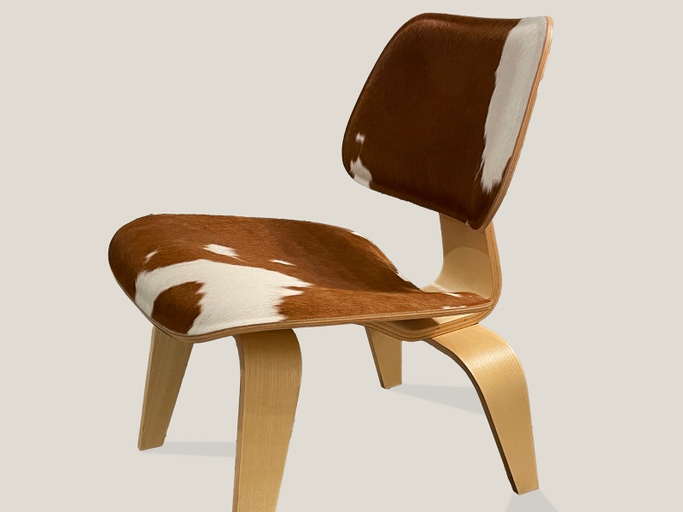 Birchfrom 0.39 kg CO₂e/kg · 1 type
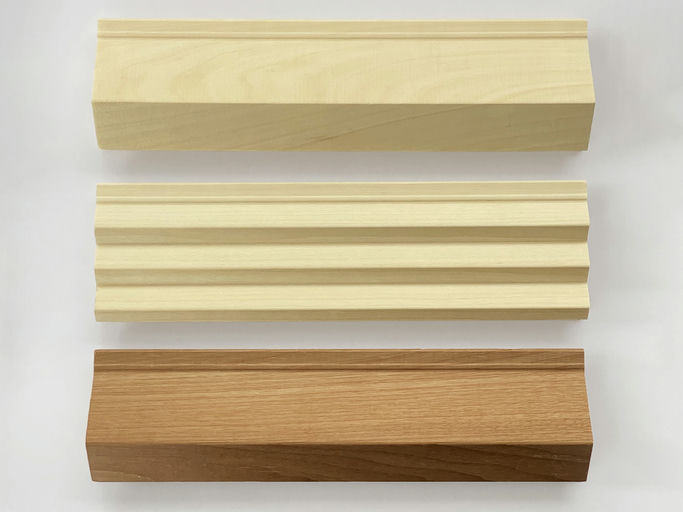 Poplar & Aspenfrom 0.39 kg CO₂e/kg · 2 types
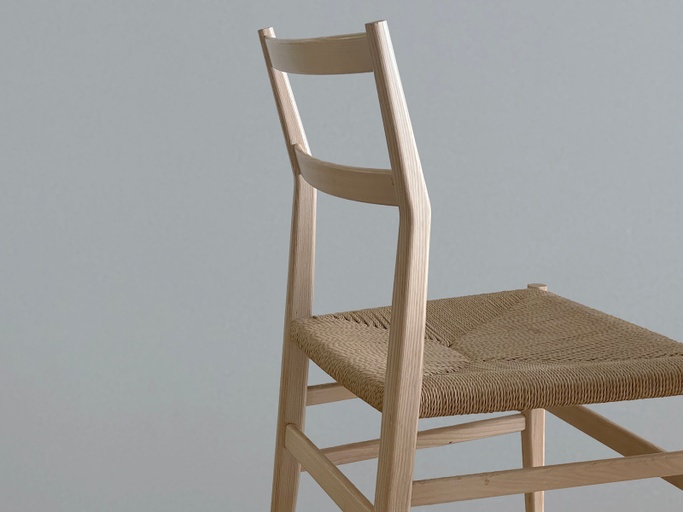 Ashfrom 0.39 kg CO₂e/kg · 2 types
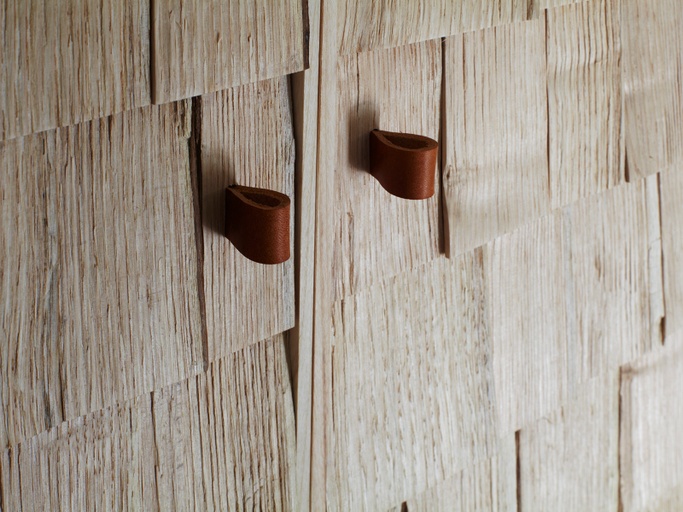 Chestnutfrom 0.39 kg CO₂e/kg · 1 type
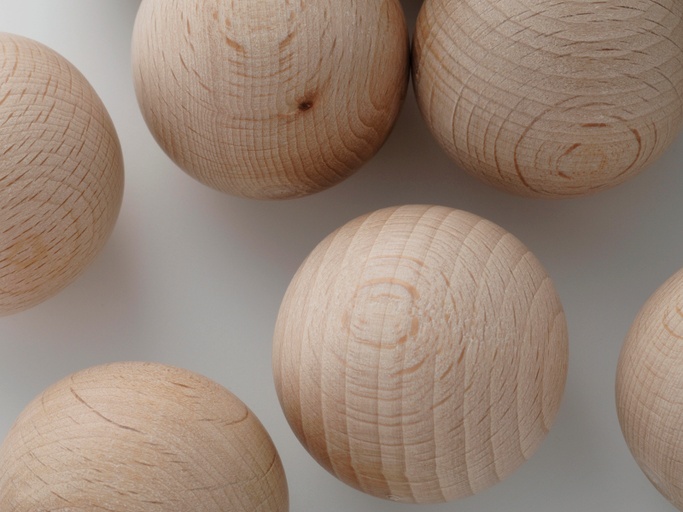 Beechfrom 0.39 kg CO₂e/kg · 1 type
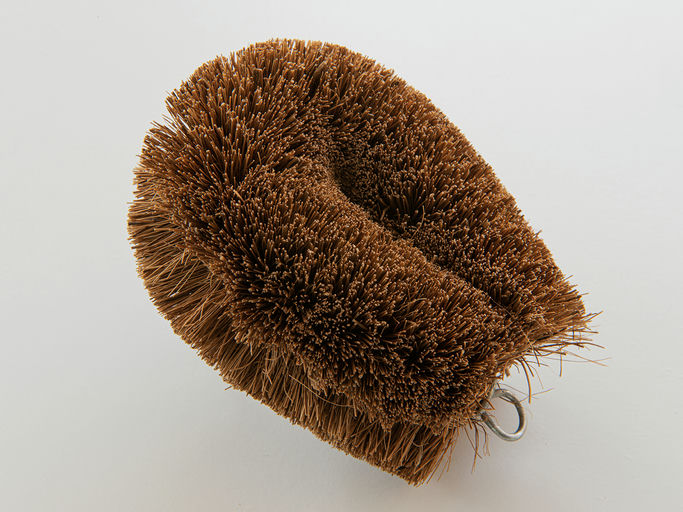 Coirfrom 0.45 kg CO₂e/kg · 2 types
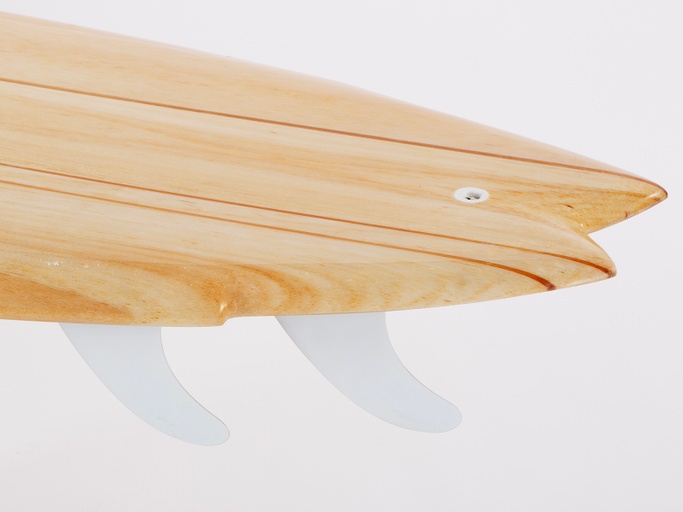 Balsafrom 0.45 kg CO₂e/kg · 3 types
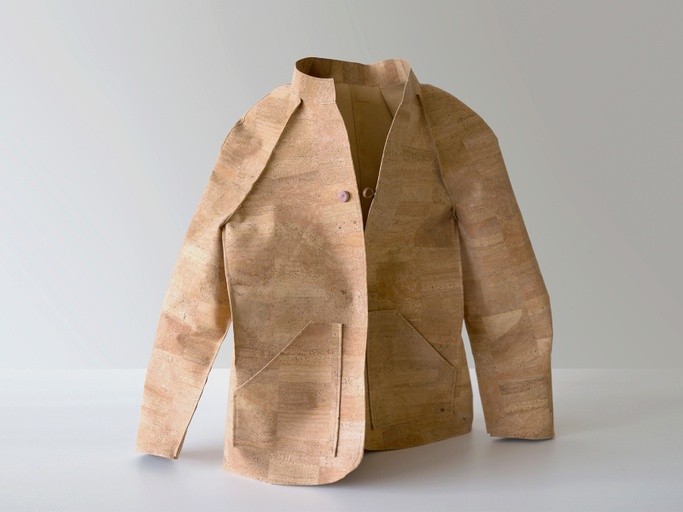 Corkfrom 0.5 kg CO₂e/kg · 3 types
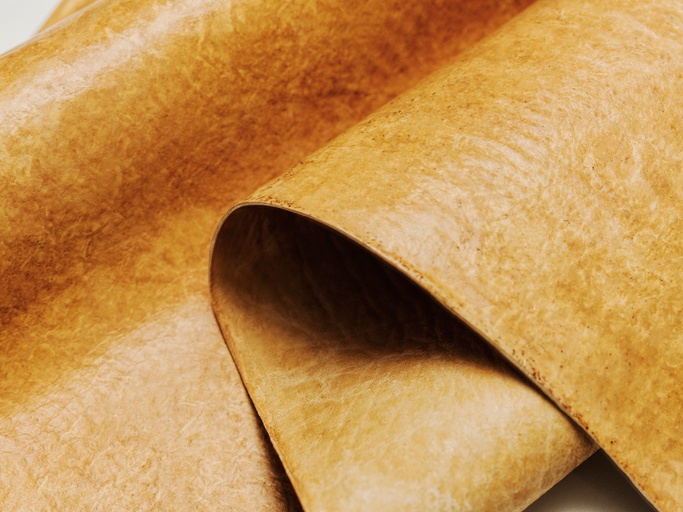 Myceliumfrom 0.5 kg CO₂e/kg · 3 types
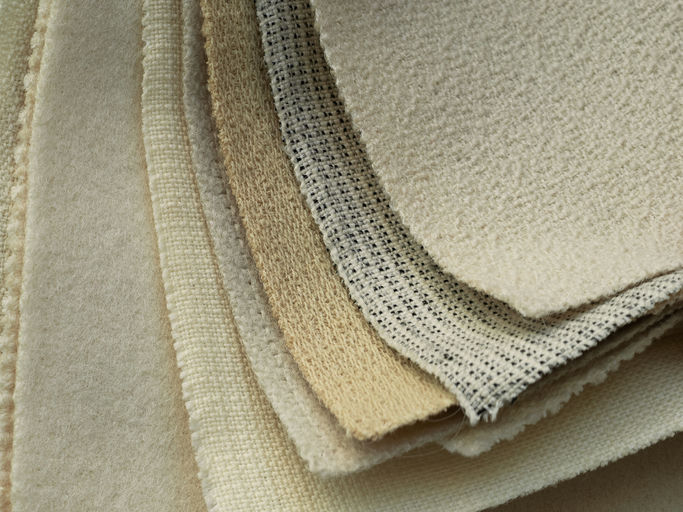 Woolfrom 0.5 kg CO₂e/kg · 6 types
Straw & reedfrom 0.06 kg CO₂e/kg · 2 typesWillowfrom 0.17 kg CO₂e/kg · 1 typeLarchfrom 0.19 kg CO₂e/kg · 1 typePinefrom 0.19 kg CO₂e/kg · 4 typesDouglas firfrom 0.19 kg CO₂e/kg · 1 typeSprucefrom 0.19 kg CO₂e/kg · 2 typesBamboofrom 0.2 kg CO₂e/kg · 2 typesSisalfrom 0.27 kg CO₂e/kg · 1 typeAbaca fibrefrom 0.28 kg CO₂e/kg · 1 typeGrassfrom 0.3 kg CO₂e/kg · 1 typeOakfrom 0.39 kg CO₂e/kg · 2 typesMaplefrom 0.39 kg CO₂e/kg · 1 typeBirchfrom 0.39 kg CO₂e/kg · 1 typePoplar & Aspenfrom 0.39 kg CO₂e/kg · 2 typesAshfrom 0.39 kg CO₂e/kg · 2 typesChestnutfrom 0.39 kg CO₂e/kg · 1 typeBeechfrom 0.39 kg CO₂e/kg · 1 typeCoirfrom 0.45 kg CO₂e/kg · 2 typesBalsafrom 0.45 kg CO₂e/kg · 3 typesCorkfrom 0.5 kg CO₂e/kg · 3 typesMyceliumfrom 0.5 kg CO₂e/kg · 3 typesWoolfrom 0.5 kg CO₂e/kg · 6 typesLow carbon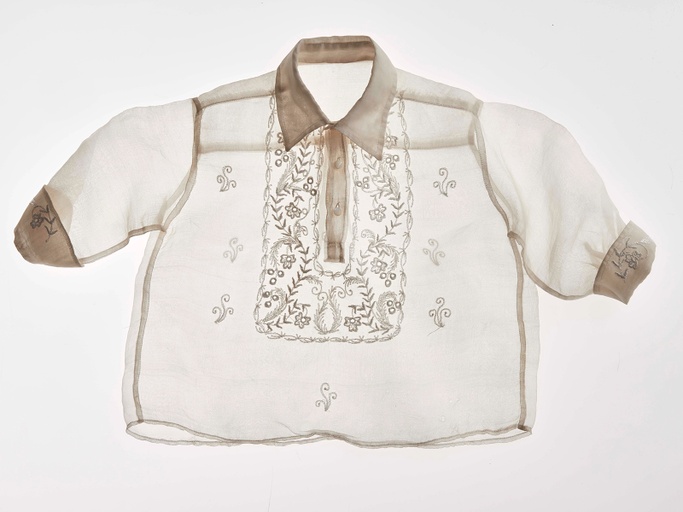 Pineapple fibre, piñafrom 0.55 kg CO₂e/kg · 1 type
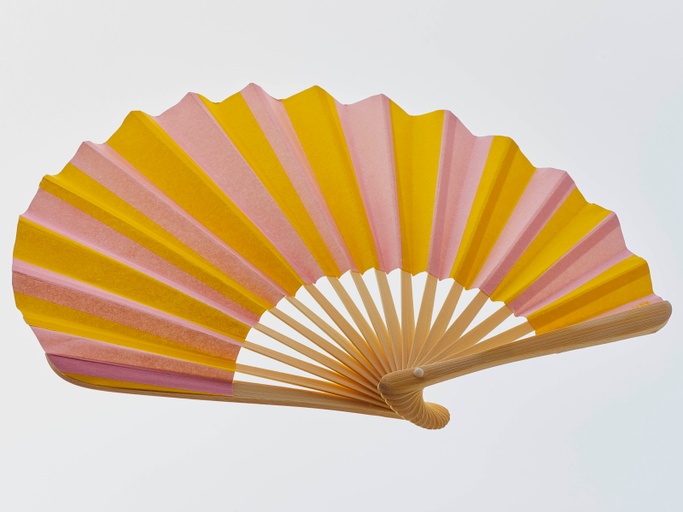 Paperfrom 0.55 kg CO₂e/kg · 11 types
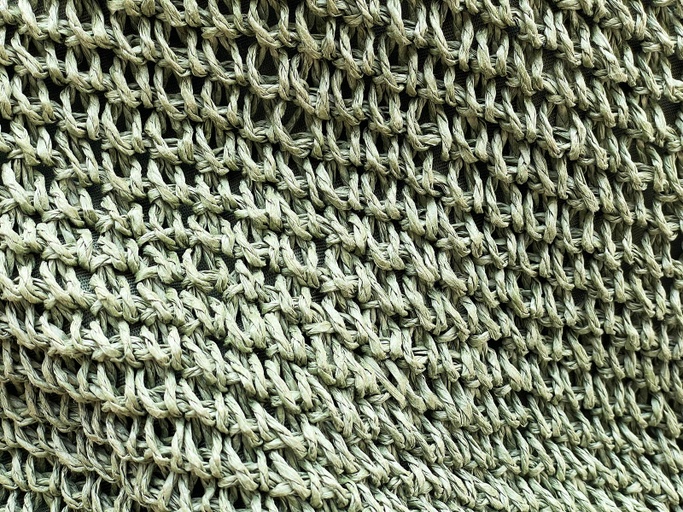 Raffiafrom 0.6 kg CO₂e/kg · 1 type
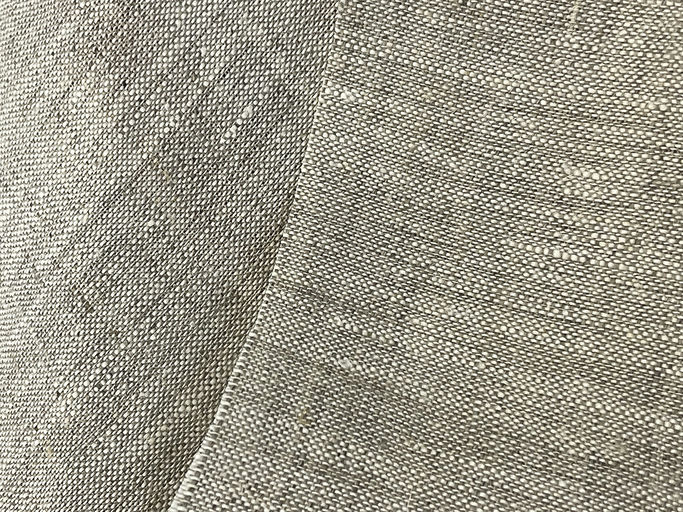 Hempfrom 0.62 kg CO₂e/kg · 2 types
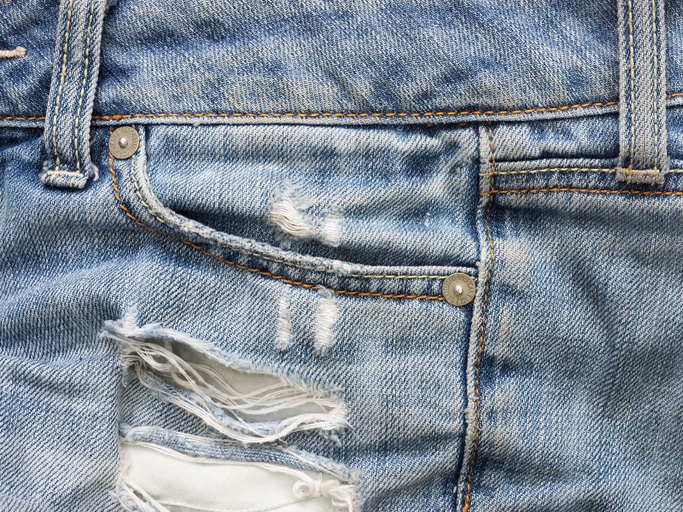 Cottonfrom 0.65 kg CO₂e/kg · 3 types
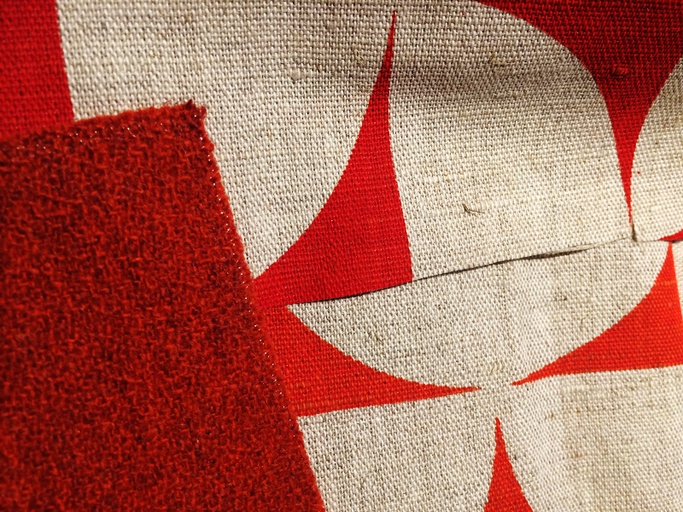 Flax, Linenfrom 0.7 kg CO₂e/kg · 2 types
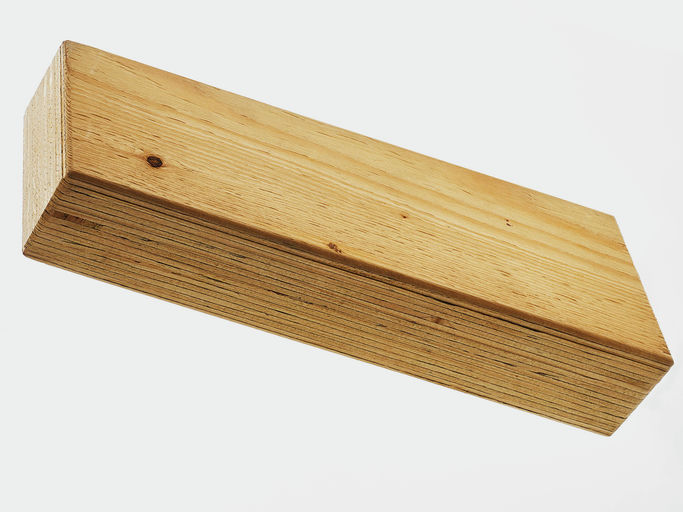 Engineered woodfrom 0.82 kg CO₂e/kg · 2 types
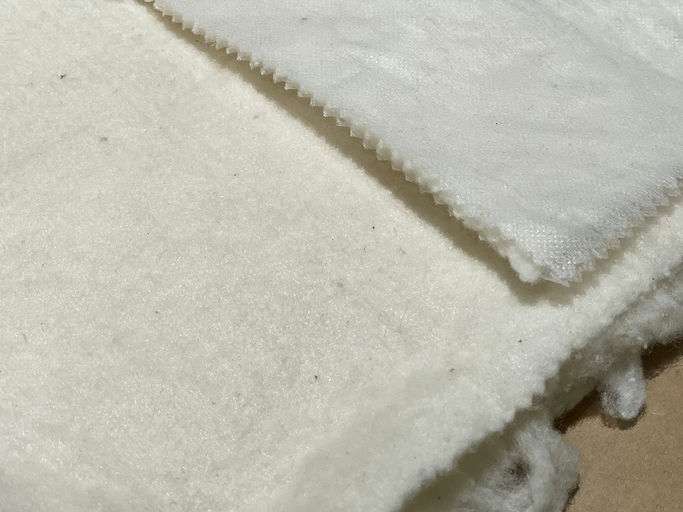 Kapokfrom 0.9 kg CO₂e/kg · 2 types
 Kenaf fibrefrom 0.9 kg CO₂e/kg · 1 type
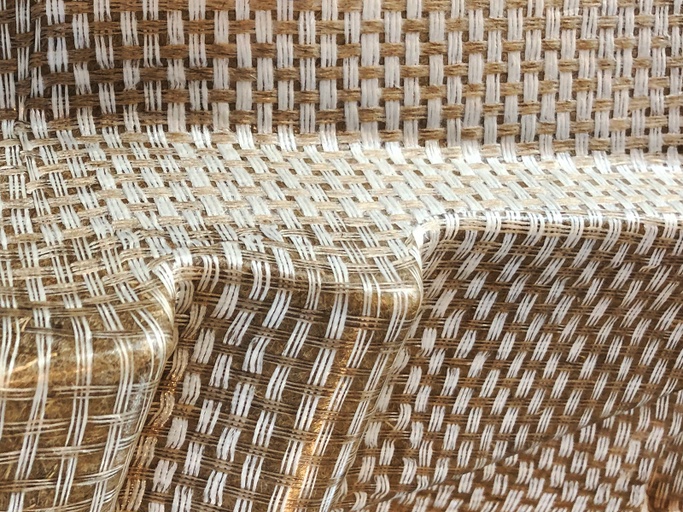 Jute fibrefrom 0.95 kg CO₂e/kg · 1 type
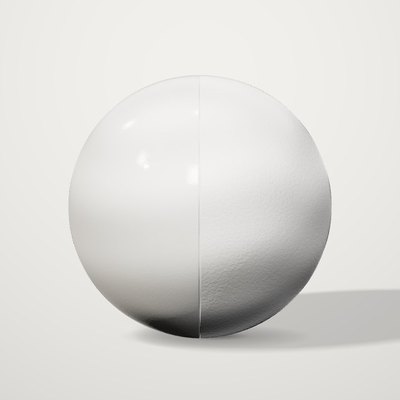 Adhesives & sealantsfrom 1 kg CO₂e/kg · 1 type
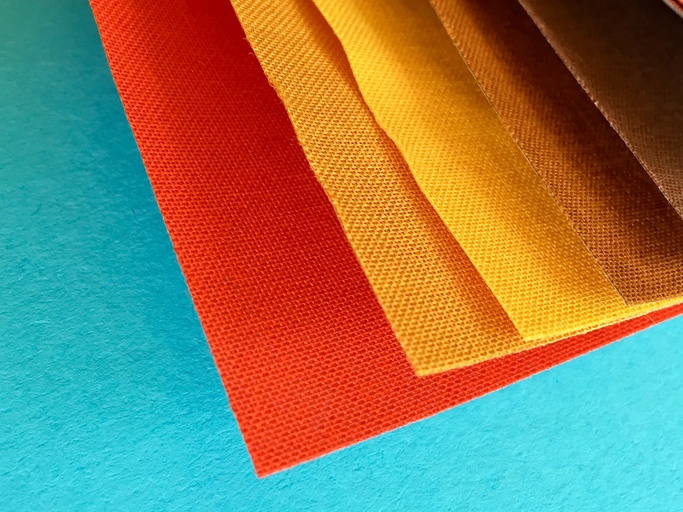 Regenerated cellulosefrom 1 kg CO₂e/kg · 3 types
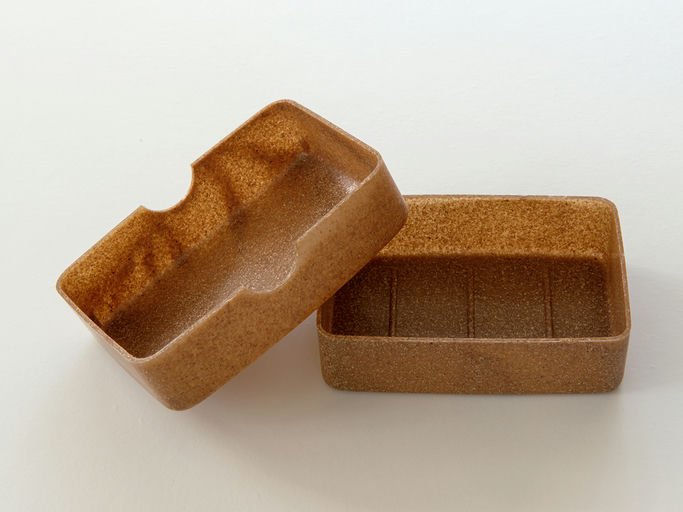 Lignin bioplasticfrom 1 kg CO₂e/kg · 1 typeStarchfrom 1.15 kg CO₂e/kg · 3 types
Pineapple fibre, piñafrom 0.55 kg CO₂e/kg · 1 typePaperfrom 0.55 kg CO₂e/kg · 11 typesRaffiafrom 0.6 kg CO₂e/kg · 1 typeHempfrom 0.62 kg CO₂e/kg · 2 typesCottonfrom 0.65 kg CO₂e/kg · 3 typesFlax, Linenfrom 0.7 kg CO₂e/kg · 2 typesEngineered woodfrom 0.82 kg CO₂e/kg · 2 typesKapokfrom 0.9 kg CO₂e/kg · 2 typesKenaf fibrefrom 0.9 kg CO₂e/kg · 1 typeJute fibrefrom 0.95 kg CO₂e/kg · 1 typeAdhesives & sealantsfrom 1 kg CO₂e/kg · 1 typeRegenerated cellulosefrom 1 kg CO₂e/kg · 3 typesLignin bioplasticfrom 1 kg CO₂e/kg · 1 typeStarchfrom 1.15 kg CO₂e/kg · 3 typesModerate carbon
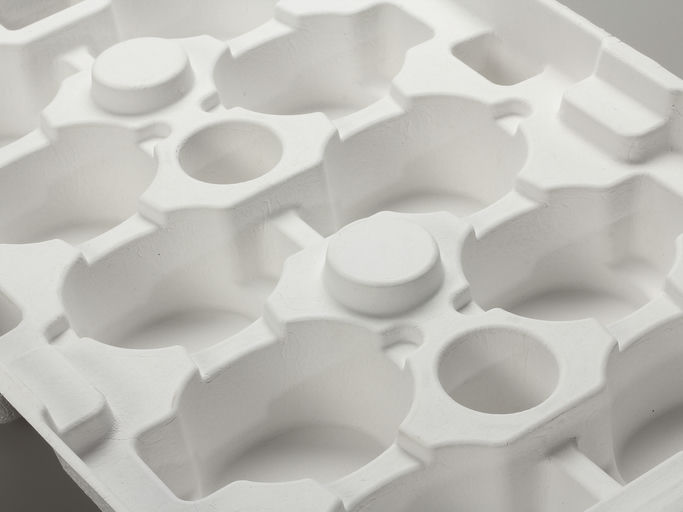 Moulded pulp
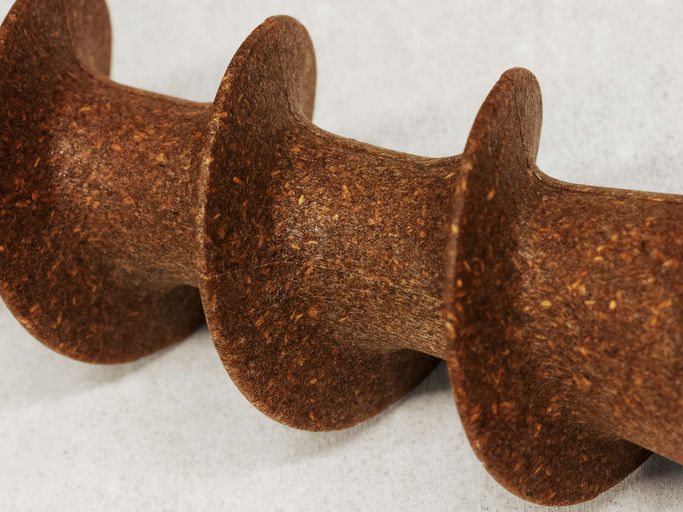 Biodegradable polyester
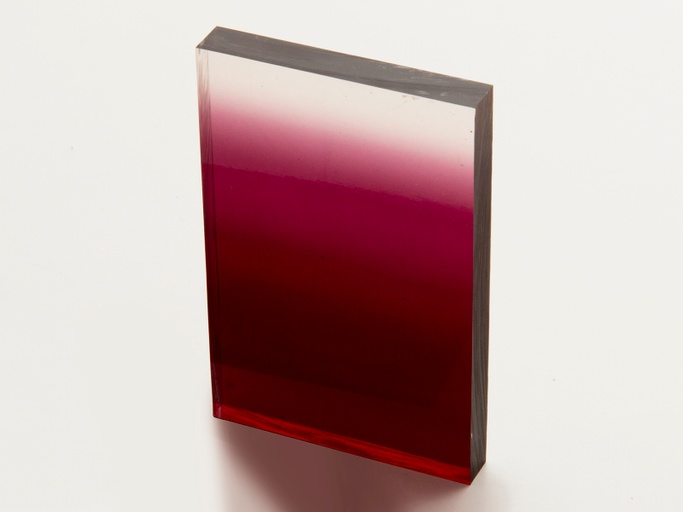 Cellulose acetate (CA)
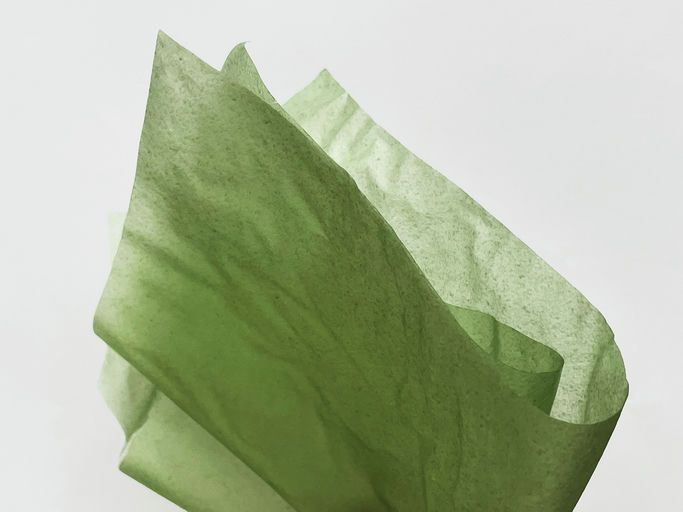 Seaweed bioplastic
 Silk
Rules and certifications to know
Last checked 28 October 2026. Outlined ones have a guide.
Replacing something?
Have a material in mind?
The checker shows its carbon, its concerns and what you could use instead, for more than 800 materials or every part of a product at once.
Companies making compostable materials
Commercial materials from the database. Listed for reference, not rated. Showing 18 of 127.
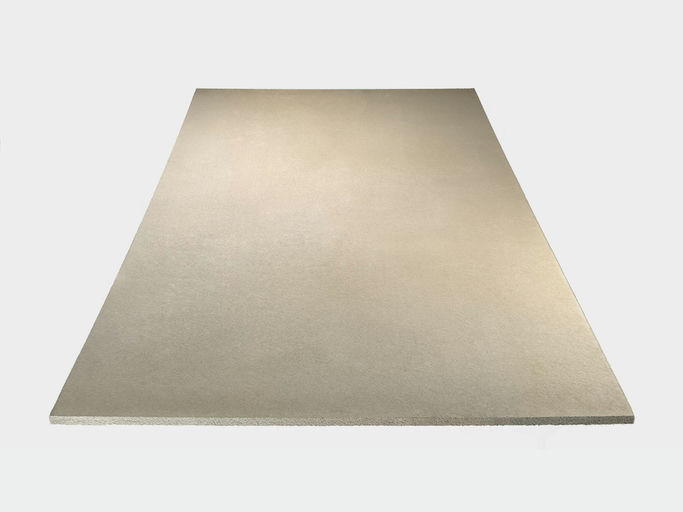 440 SoundBarrier recycled paper fibreboard by Homasote440 SoundBarrier is a dense fibreboard made in the USA by Homasote, a New Jersey company that has made boards from recycled paper since the early 1900s.Image: Homasote
 Agraloop Biofiber natural fibre by Circular SystemsAgraloop Biofibre is a textile fibre produced from agricultural products and leftovers, such as hemp, flax, banana and pineapple.Image: Circular Systems
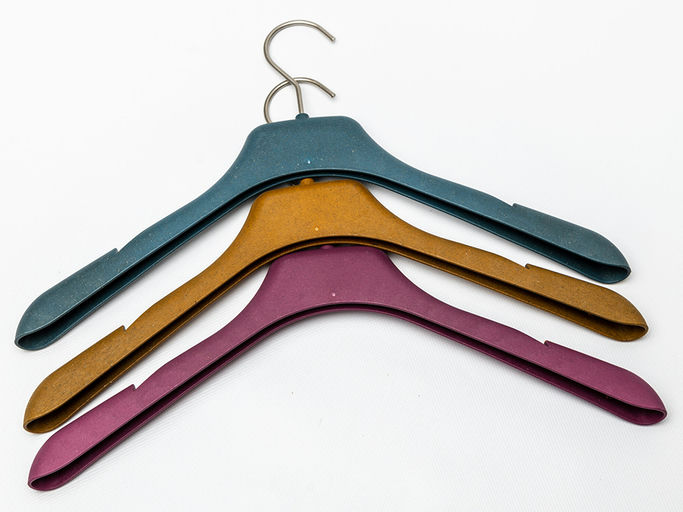 AgriPlast by BiowertAgriPlast by Biowert is a bio-based composite of recycled industrial polypropylene (rPP) mixed with up to 75% cellulose fibres obtained from meadow grass.Image: Biowert
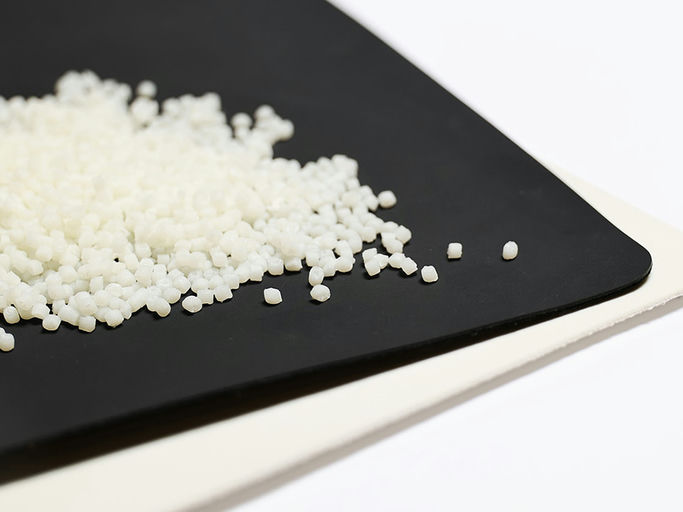 AirCarbon polyhydroxybutyrate (PHB), biodegradable polyester from methaneAirCarbon polyhydroxybutyrate (PHB), biodegradable polyester is produced by Newlight Technologies. They use a novel catalytic process based on microorganisms from the ocean.Image: Newlight Technologies
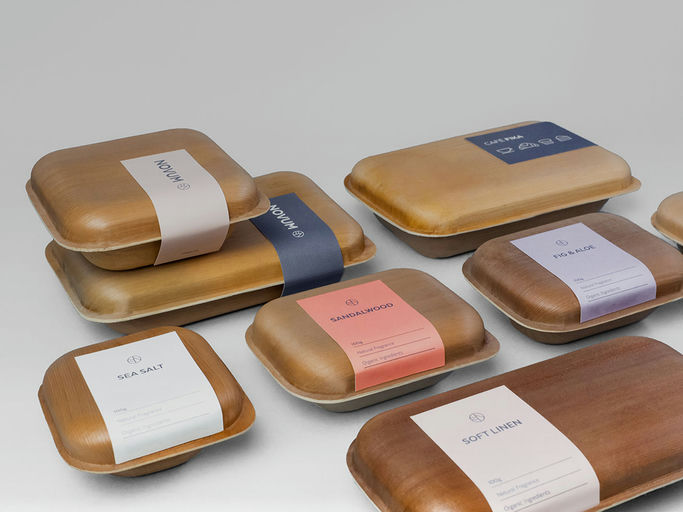 Arekapak palm leaf packagingArekapak palm leaf packaging. Made without plastics, coatings or additives, Areca palm leaves are dried and pressed into trays and boxes. Arekapak describes the packaging as compostable.Image: Arekapak
 Avani compostable bio-based plastic packaging filmAvani compostable bio-based plastic packaging films are produced from starch derived from cassava. It is certified compostable to EN 13432 (industrial composting) and dissolves in water.Image: Avani
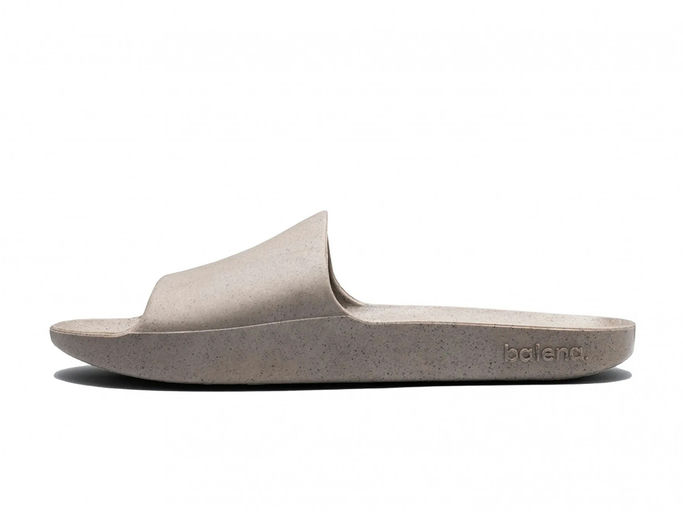 Balena BioCir partially bio-based thermoplastic elastomer (bio-TPE)Balena BioCir partially bio-based thermoplastic elastomer (bio-TPE) contains 50-85% bio-based ingredients.Image: Balena
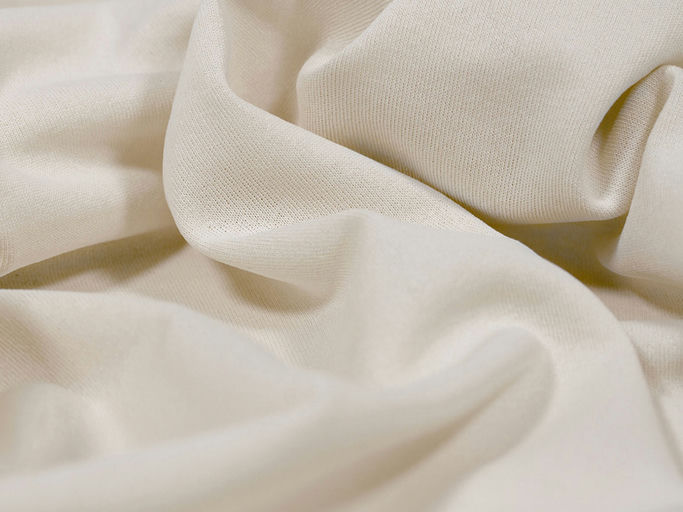 Bananatex fabric from abaca banana fibreBananatex fabric is produced from 100% abaca banana fibre. The natural white colour reflects the actual colour of the fibres and is not dyed; other colours are yarn-dyed.Image: Bananatex
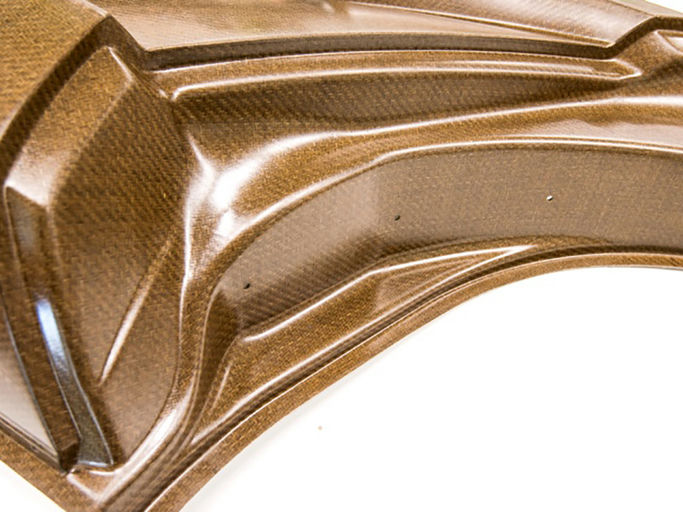 Bcomp flax fibre composite reinforcementBcomp have developed flax fibre reinforcement solutions, including powerRibs and ampliTex, suitable for processing via standard composite manufacturing techniques such as wet lay-up, compression…Image: Bcomp
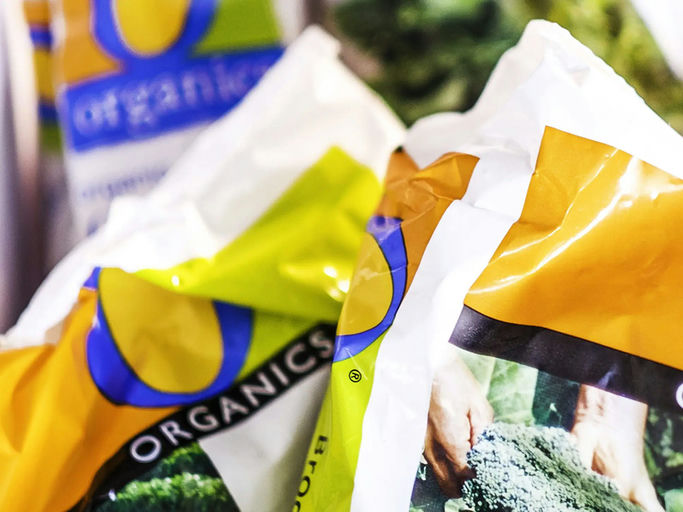 Bio-Flex partially bio-based polylactic acid (PLA) by FKuRBio-Flex by FKuR is a range of partially bio-based, biodegradable polylactic acid (PLA) blends suitable for flexible film applications, such as agricultural, household and hygiene films, and is also…Image: FKuR
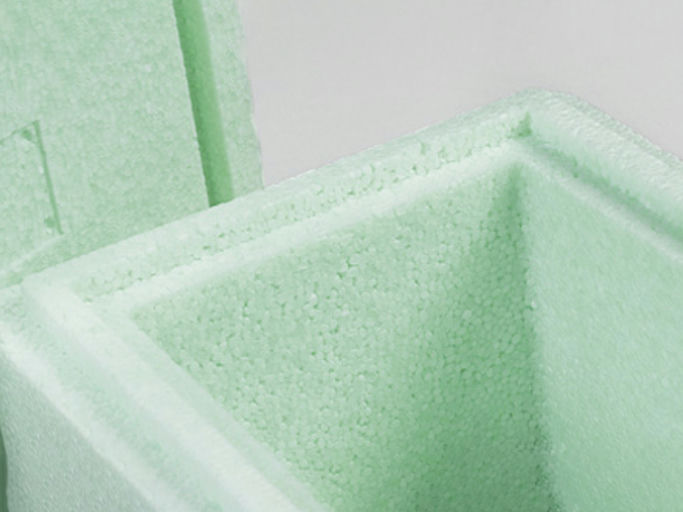 BioFoam expanded polylactic acid (EPLA) by BewiBioFoam by Bewi is an expanded polylactic acid (EPLA), providing an alternative to expanded polystyrene (EPS) in packaging applications.Image: BEWI
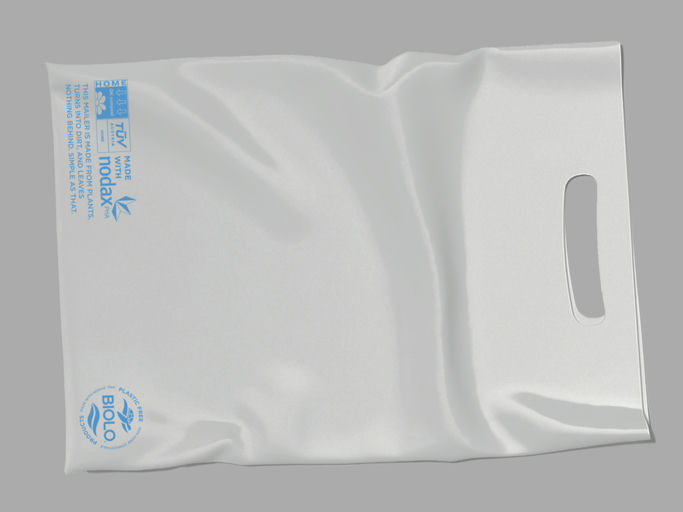 Biolo polyhydroxyalkanoates (PHA), biodegradable polyester film packagingBiolo bioplastic film packaging manufactured from plant-based polyhydroxyalkanoates (PHA), biodegradable polyester, and suitable for home composting.Image: Biolo
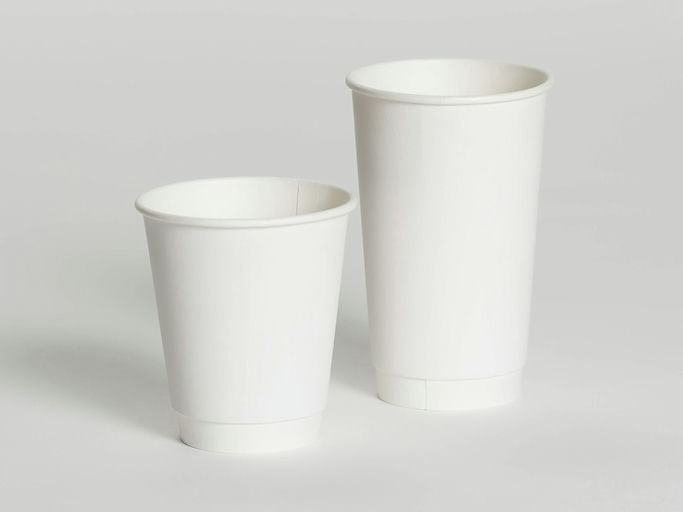 BioPBS biodegradable co-polyester by MitsubishiBioPBS polybutylene succinate (PBS) produced in a joint venture between Mitsubishi Chemical Company and PTT Global Chemical Public Company.Image: Mitsubishi Chemical and PTT Global Chemical
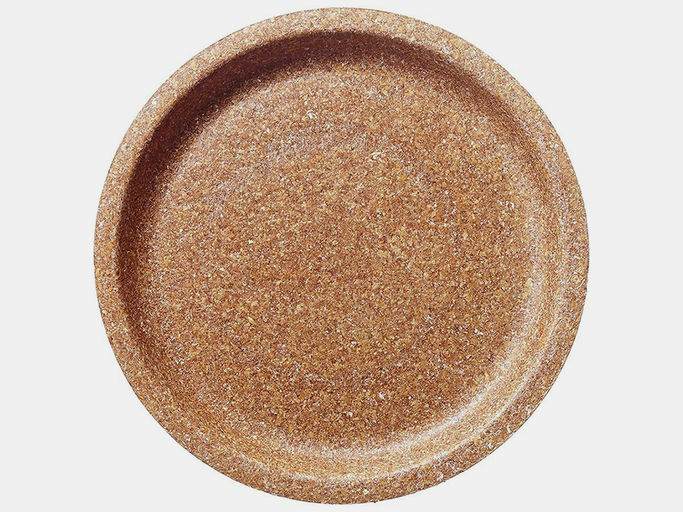 BiotremBiotrem disposable tableware is produced from edible wheat bran pressed into plates and bowls. The tableware is made in Poland, and 1 ton of bran yields around 10,000 units.Image: Biotrem
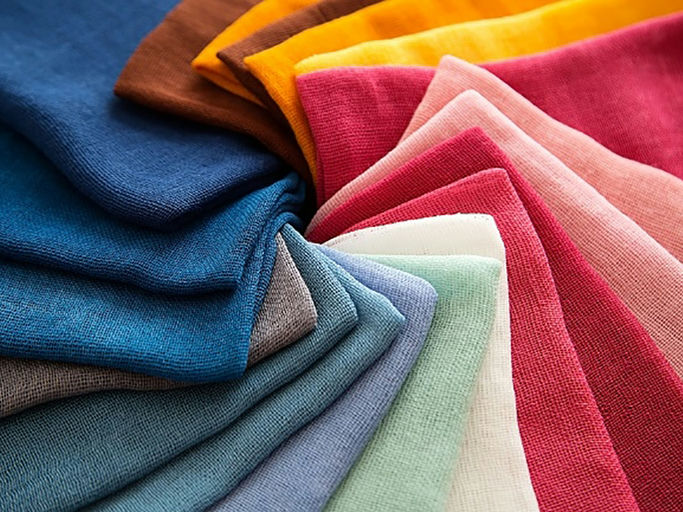 Birla regenerated cellulose fibreBirla Cellulose produce a range of bio-based fibres for textiles including rayon, viscose, modal and lyocell.Image: Birla Cellulose
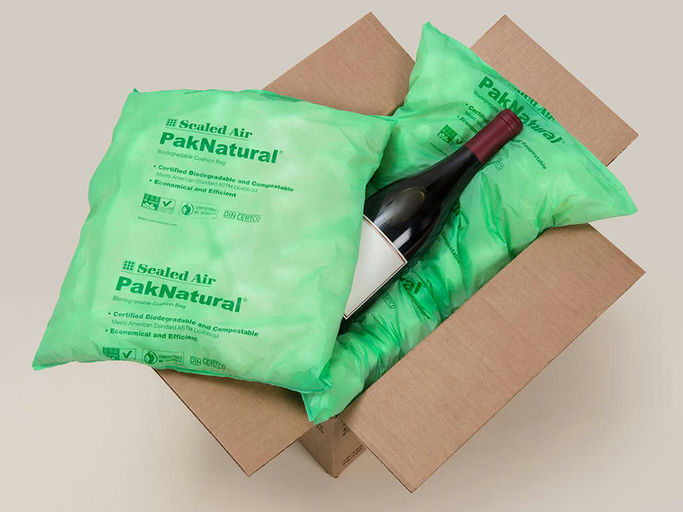 Cardia Compostable starch-based bioplasticCardia Compostable starch-based bioplastics are blends of thermoplastic corn starch, biodegradable polyesters and natural plasticisers, with no conventional plastics such as PE, PP, PS or PVC. They…Image: Cardia Bioplastics (Myeco Group)
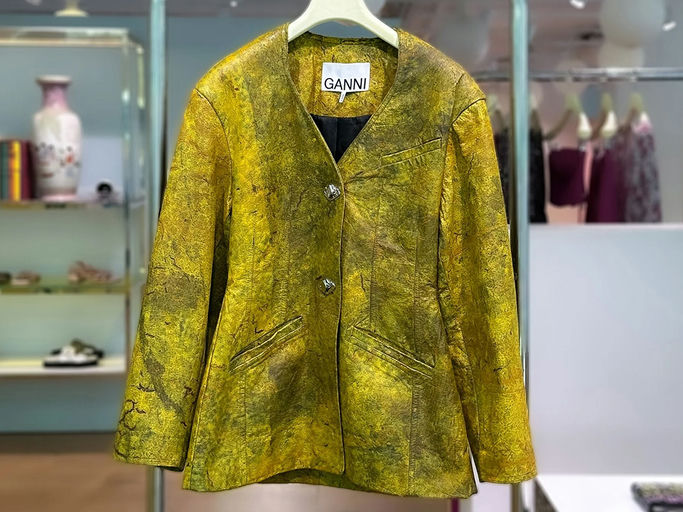 Celium bacterial cellulose leather by PolybionCelium bacterial cellulose leather by Polybion is produced by feeding bacteria with agro-industrial fruit waste. The cellulose structure is a metabolic by-product.Image: Polybion
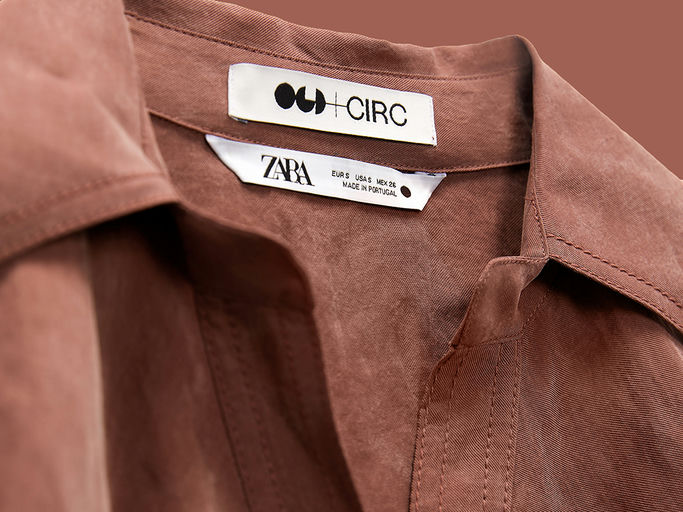 Circ Lyocell fibreCirc have developed a hydrothermal process for recycling mixed textiles made up of cotton and polyester, like polycotton.Image: Circ