Topic
Vegan materials
Alternatives to leather, wool, silk, down and fur, alongside the animal materials they replace.
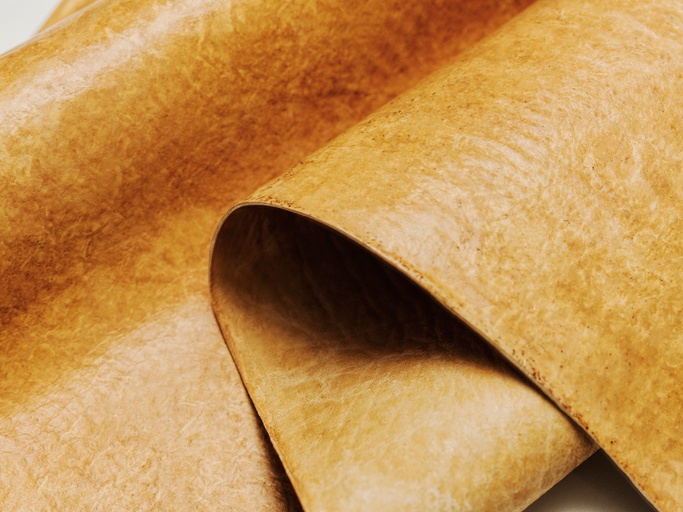
Animal free is not the same as low impact. Several alternatives are plastics, with their own concerns. Compare both lists before you choose.
Alternatives to animal materials
15 materials in 10 families. Described in the database as vegan or as an alternative to an animal material.
Ultra low carbon
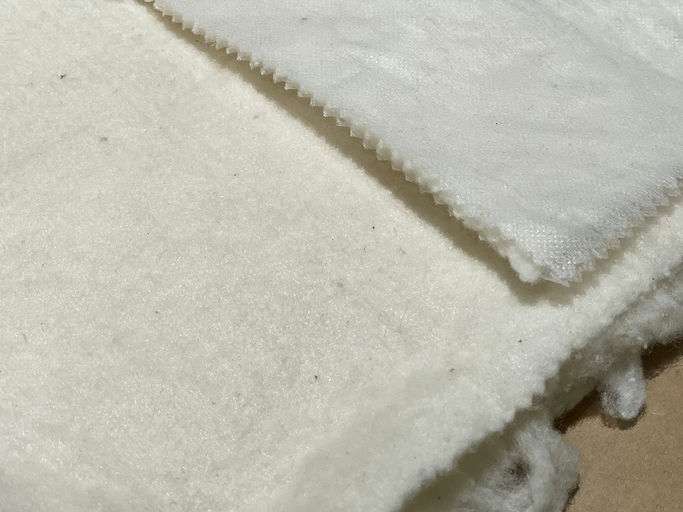 Kapok
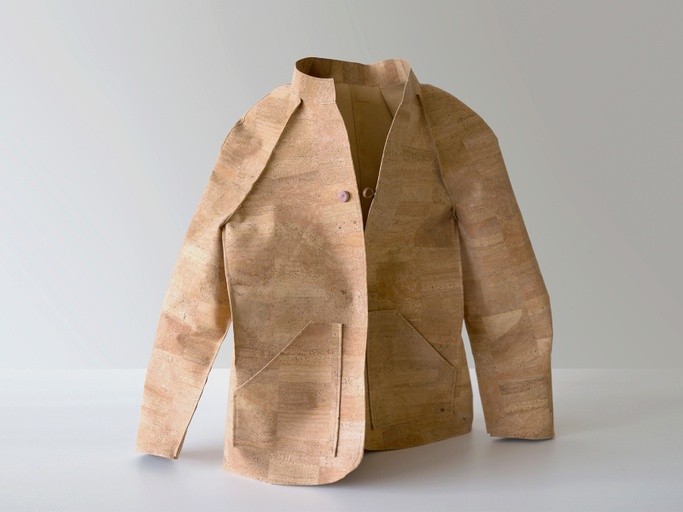 Cork
Moderate carbon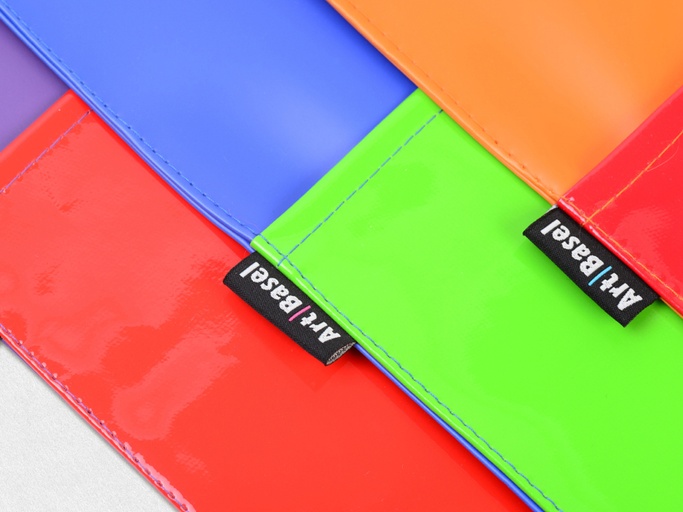 Polyvinyl chloride (PVC)from 2.3 kg CO₂e/kg · 2 types
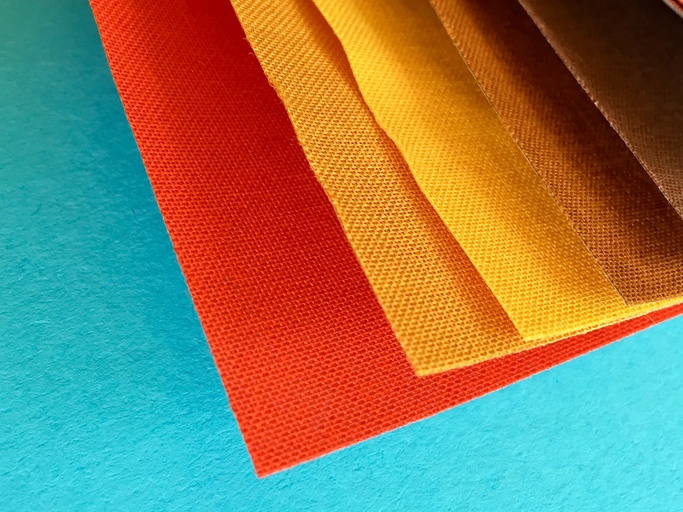 Regenerated cellulosefrom 3.5 kg CO₂e/kg · 1 type
 Synthetic rubberfrom 3.6 kg CO₂e/kg · 1 type
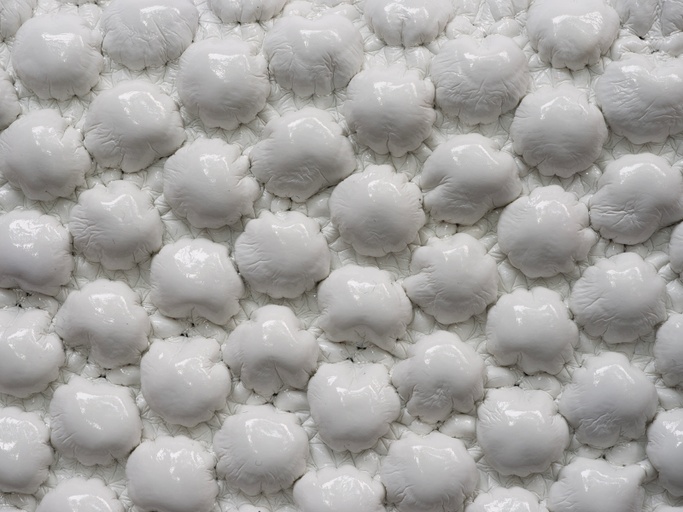 Thermoplastic polyurethane (TPU)from 4.1 kg CO₂e/kg · 2 types
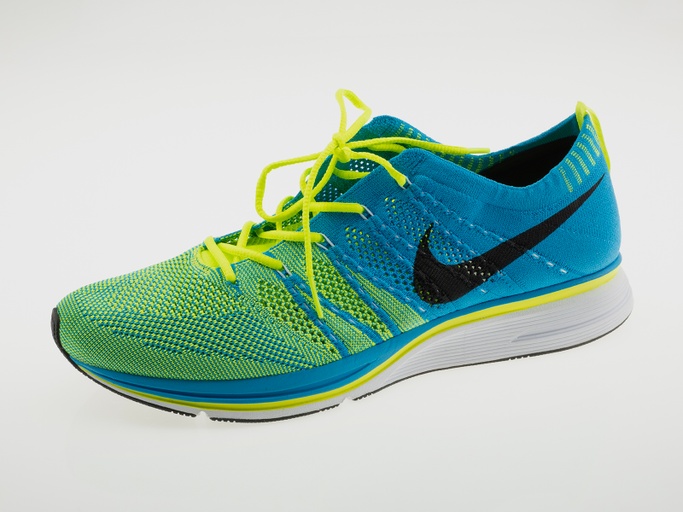 Polyester fibrefrom 4.45 kg CO₂e/kg · 2 types
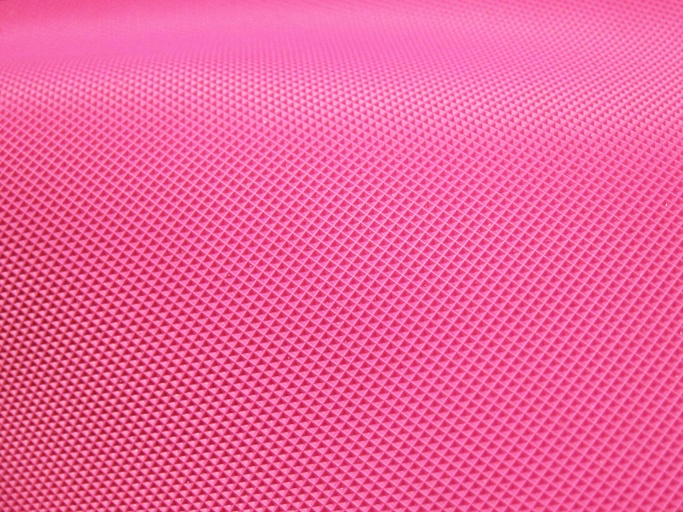 Polyurethane resin (PUR)from 4.5 kg CO₂e/kg · 2 types
Polyvinyl chloride (PVC)from 2.3 kg CO₂e/kg · 2 typesRegenerated cellulosefrom 3.5 kg CO₂e/kg · 1 typeSynthetic rubberfrom 3.6 kg CO₂e/kg · 1 typeThermoplastic polyurethane (TPU)from 4.1 kg CO₂e/kg · 2 typesPolyester fibrefrom 4.45 kg CO₂e/kg · 2 typesPolyurethane resin (PUR)from 4.5 kg CO₂e/kg · 2 typesHigh carbon and above
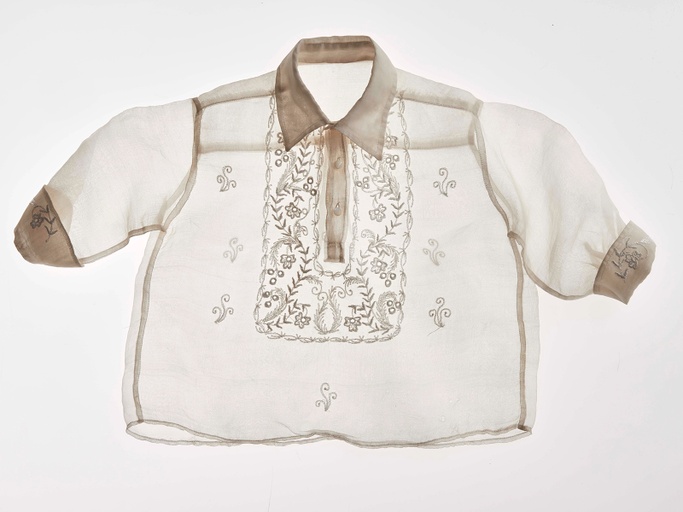 Pineapple fibre, piña
The animal materials they replace
32 materials in 12 families. Materials that come from animals, including some waxes, paints and coatings.
Ultra low carbon
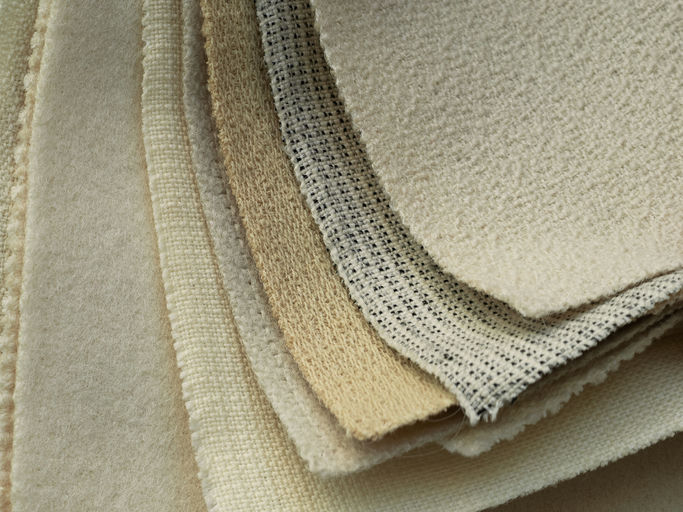 Wool
Moderate carbon
 Paints & coatings
 Natural waxes
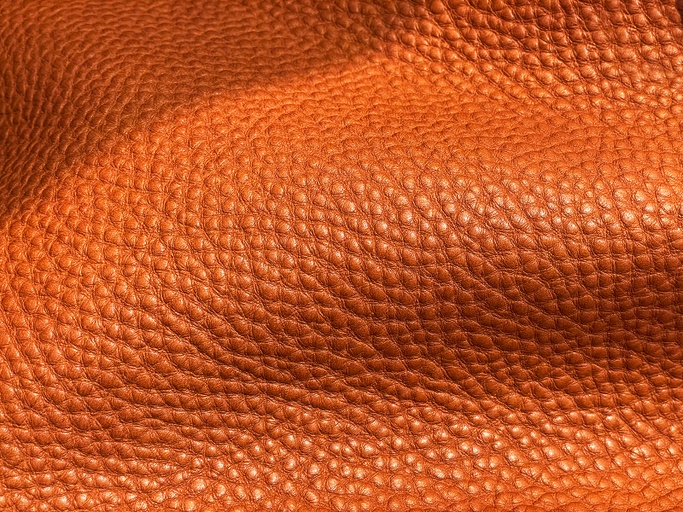 Cowhide
High carbon and above
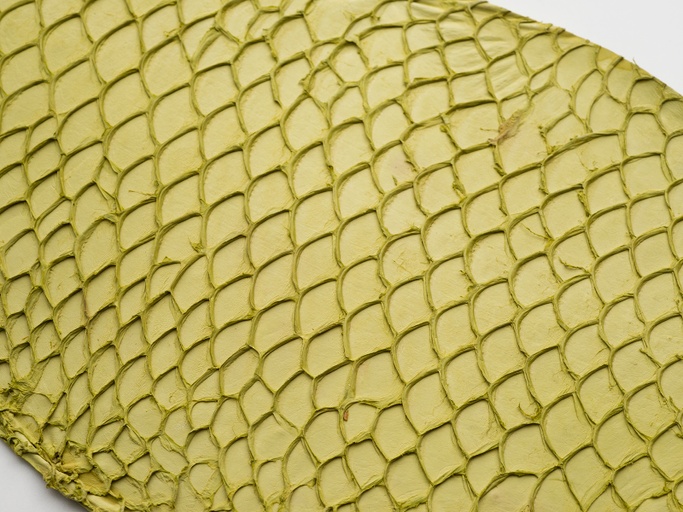 Exotic leather
 Pigskin
 Sheepskin
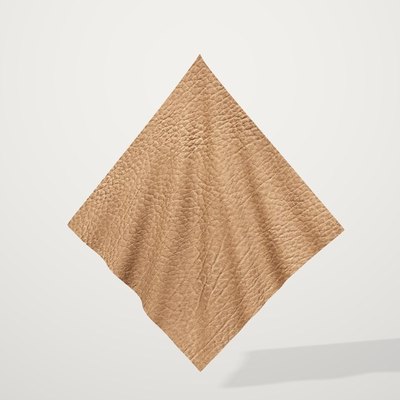 Goatskin
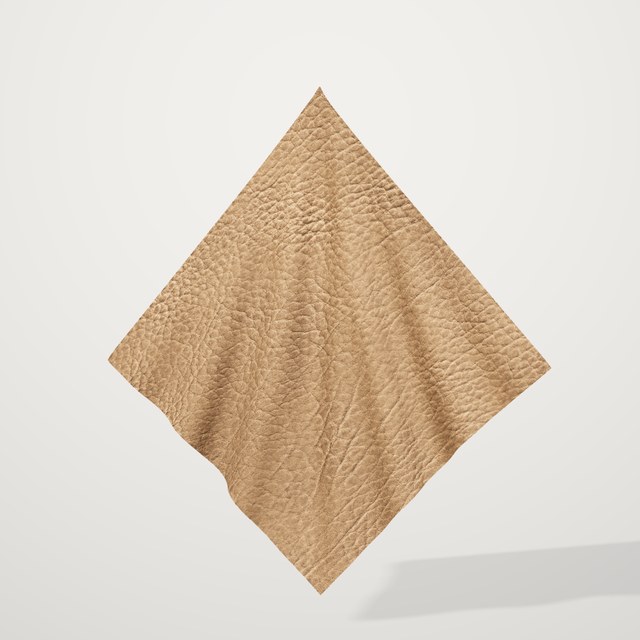 Deerskin
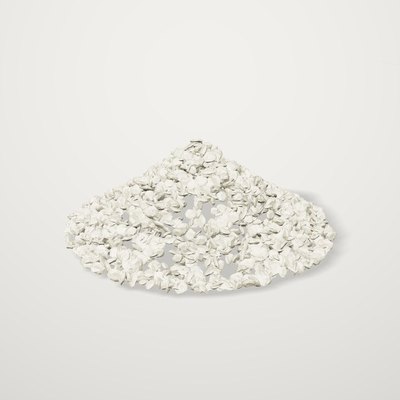 Chitosan
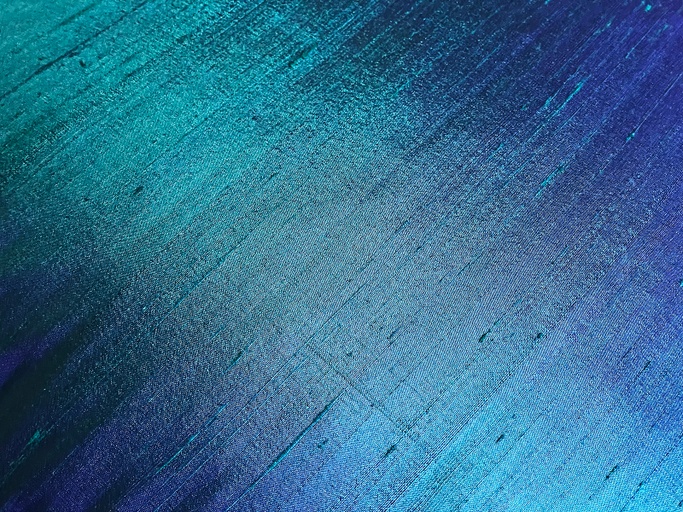 Silk
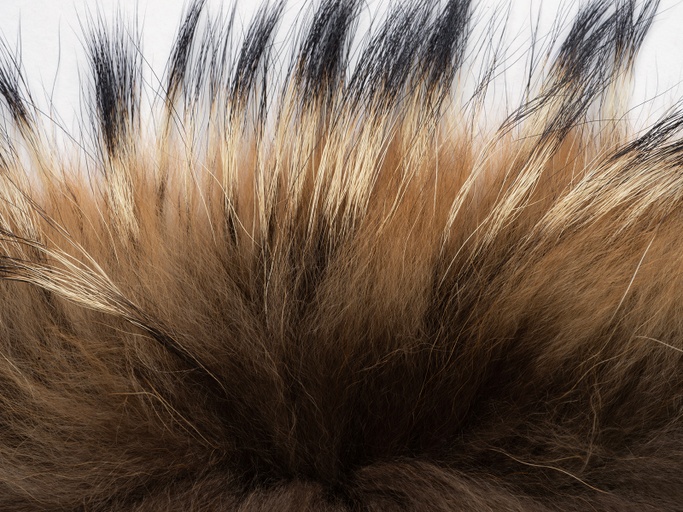 Fur
Rules and certifications to know
Last checked 28 October 2026. Outlined ones have a guide.
Replacing something?
Have a material in mind?
The checker shows its carbon, its concerns and what you could use instead, for more than 800 materials or every part of a product at once.
Companies making alternatives
Commercial materials from the database. Listed for reference, not rated.
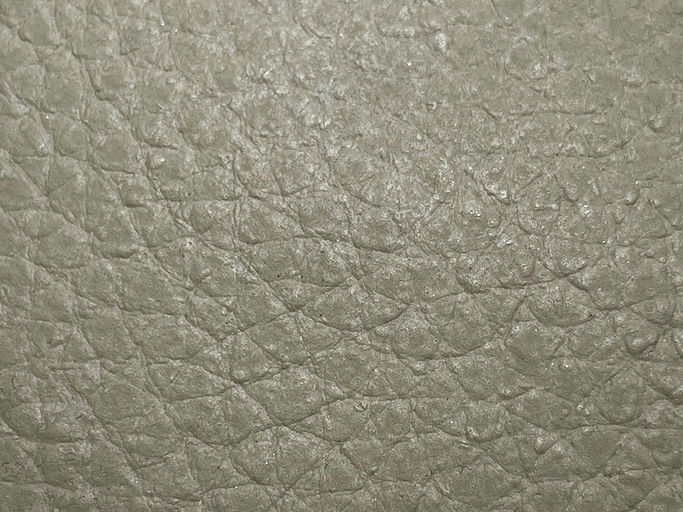
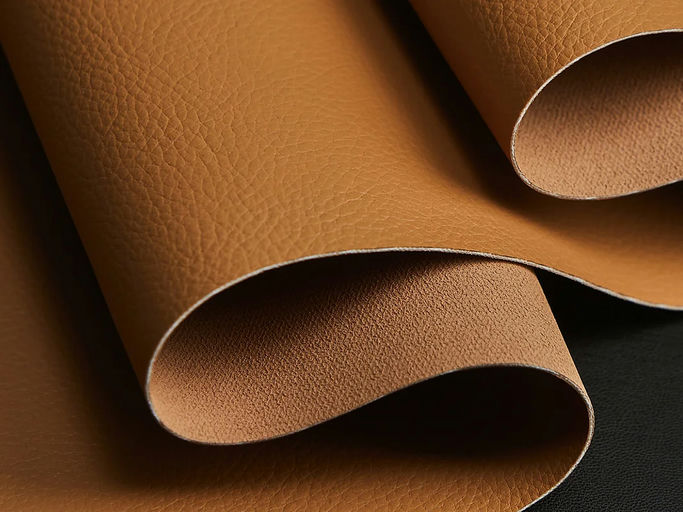 AppleSkin by VegatexAppleSkin by Vegatex is a leather alternative made in two layers: a top layer of waste from apple juice production (apple pomace) mixed with water-based polyurethane (PU), bonded to a textile backing…Image: Vegatex
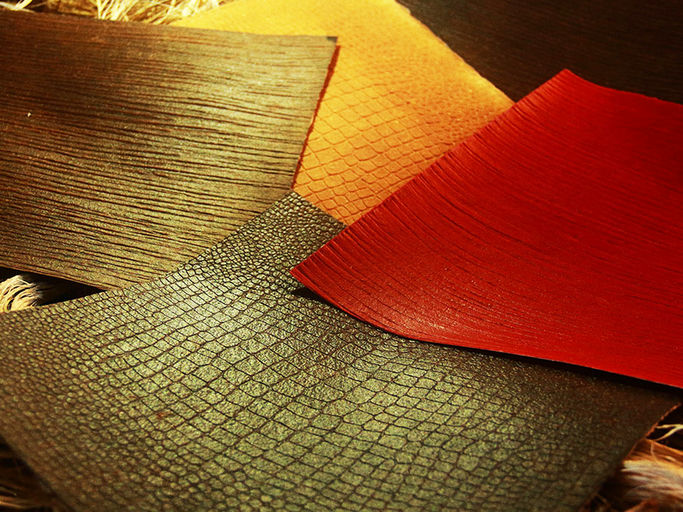
 Bacterial cellulose textiles by Modern SynthesisModern Synthesis are developing a new class of materials using nanocellulose derived from bacterial fermentation.Image: Modern Synthesis
 Banofi plant-based leatherBanofi (from banana fibre) is a plant-based leather alternative made in India from the stems of banana plants, a waste product of banana farming.Image: BanofiClay paint by KreidezeitKreidezeit is a German maker of natural paints. Its clay paints are sold as powders that are mixed with water on site and rolled, brushed or sprayed onto interior walls and ceilings.CORKonLINEN compostable cork and linen material by RTFACT BrandsCORKonLINEN is a leather alternative from RTFACT Brands of Brest, France, made from just three ingredients: thin Portuguese cork, linen woven from flax grown in northern France, and a water-based…
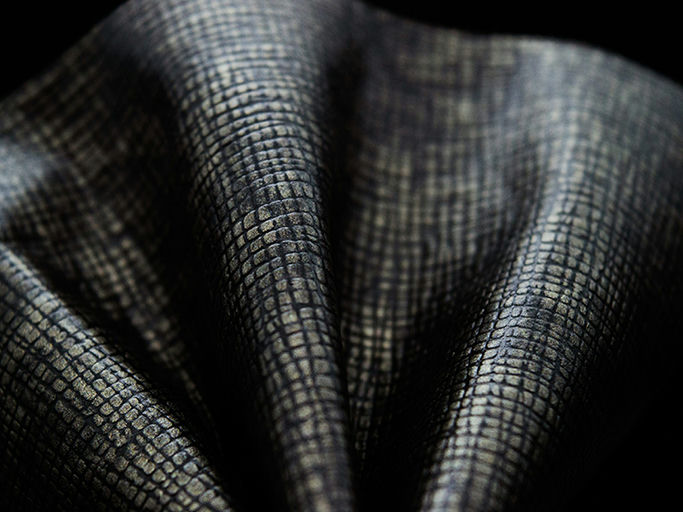 Ephea mushroom leather by SqimEphea is a flexible mycelium material that offers a sustainable alternative to animal leather and synthetic materials.Image: Sqim
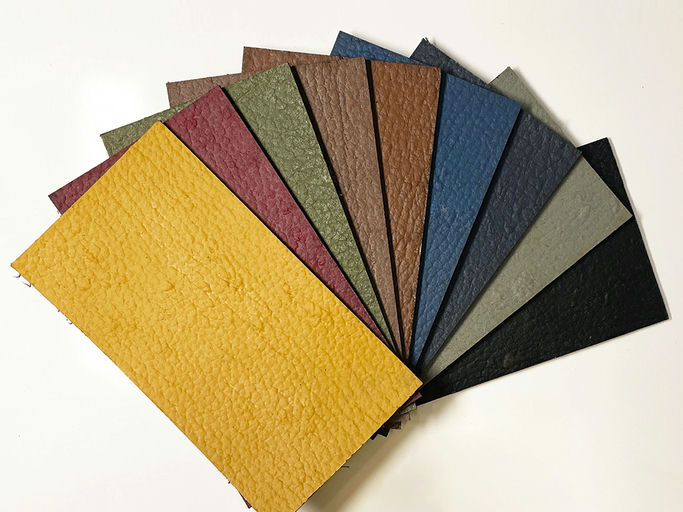 FruitleatherFruitleather is produced from mango waste mixed with additives and finished with a waterproof coating. It is backed with organic cotton to provide strength.Image: Fruitleather RotterdamFy fungi-based leather alternative by HydefyHydefy, based in Chicago, USA, makes Fy, a leather-like material from fungal biomass.
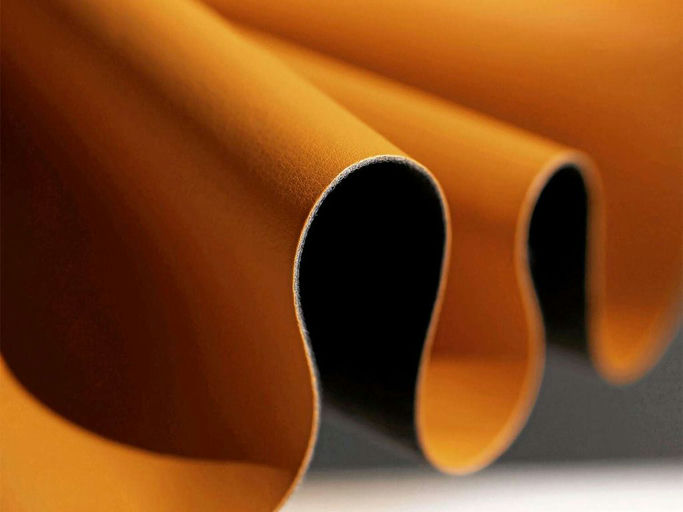 Leap plant-based leather alternative from Beyond LeatherLeap plant-based leather alternative from Beyond Leather takes apple waste and converts it into textile.Image: Beyond LeatherLOVR hemp-based leather alternative by RevoltechLOVR is a leather-like sheet material made by Revoltech in Darmstadt, Germany, from hemp residues left over in German hemp fields.
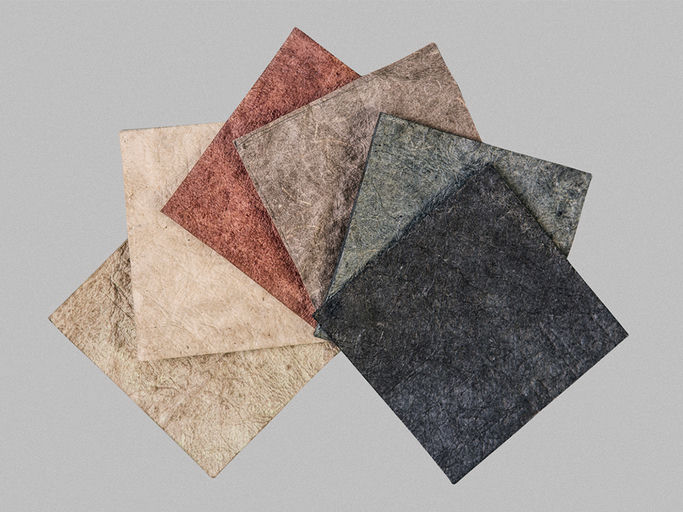 Malai coconut leatherMalai coconut leather is produced through bacterial fermentation of waste coconut water, a byproduct of coconut production.Image: MalaiMATTR algae-based leather alternative by RevoltechMATTR is a flexible, leather-like sheet material from Revoltech, a spin-off of the Technical University of Darmstadt in Germany.
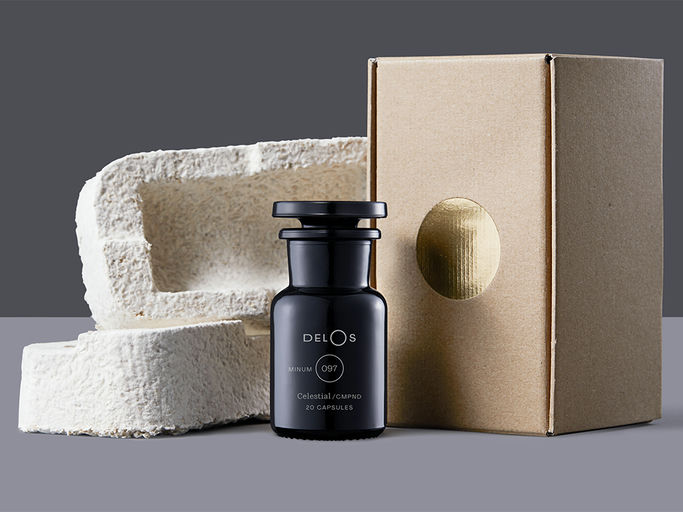 MycoComposite mushroom leather by EcovativeMycoComposite by Ecovative is a mushroom material that uses mycelium and agricultural waste to create lightweight composite panels suitable for packaging and interiors.Image: Ecovative
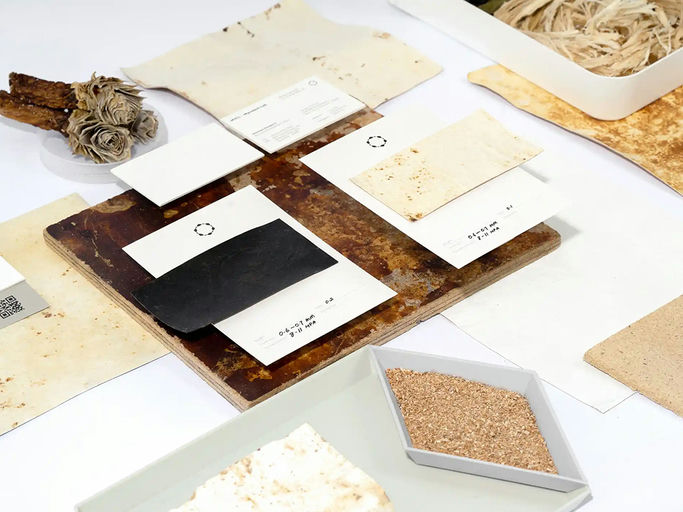 Mylea mushroom leather by Mycotech LabMylea mushroom leather, made with mycelium, by Mycotech Lab MYCL. It is grown in a controlled environment in Indonesia and used for footwear, bags and accessories.Image: Mycotech Lab
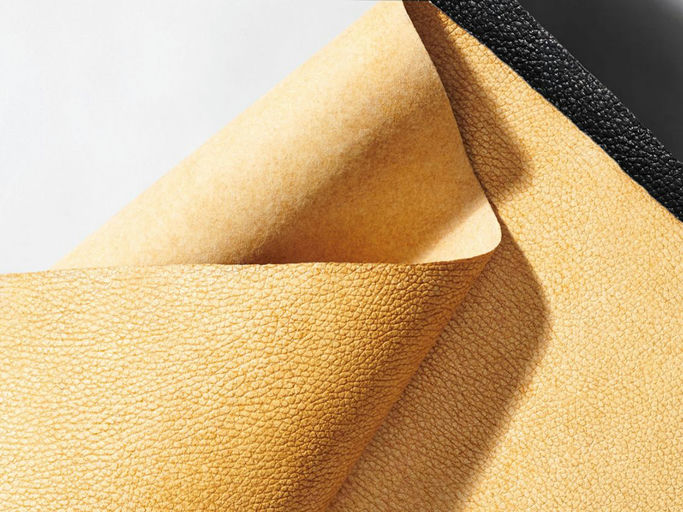 Mylo mushroom leatherMylo mushroom leather by Bolt Threads is produced with mycelium, grown in a vertical farming facility powered by 100% renewable energy and transformed it into a material that looks and feels like…Image: Bolt Threads
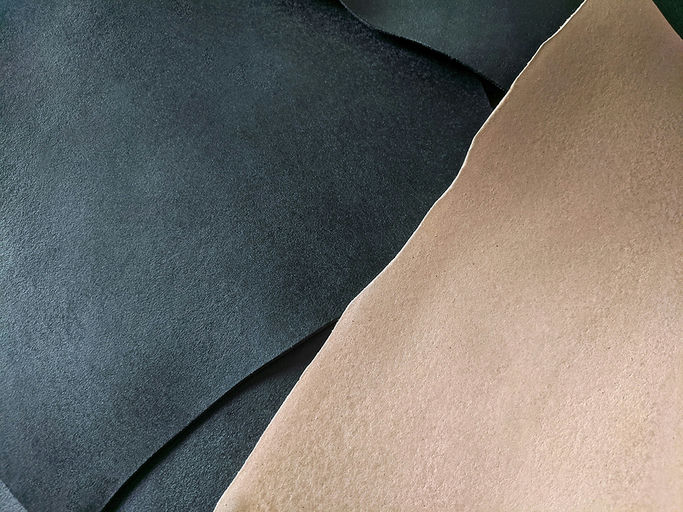 Treekind plant-based leather by BiophilicaA flexible, leather-like material, made from urban plant waste, agricultural waste and forestry waste.Image: Biophilica
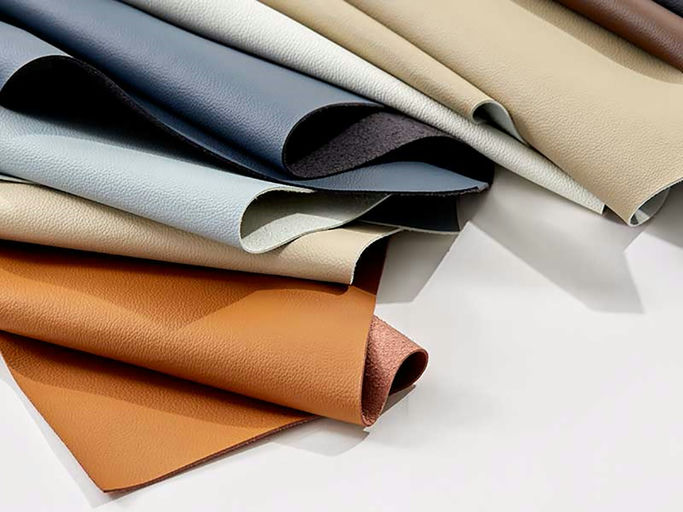 Wastea synthetic leather made with waste tea leavesLeather alternative made by the Istanbul-based Scays Group with a mix of waste tea leaves, which are ordinarily burnt, and bio-based polyurethane resin (bio-PUR).Image: Wastea
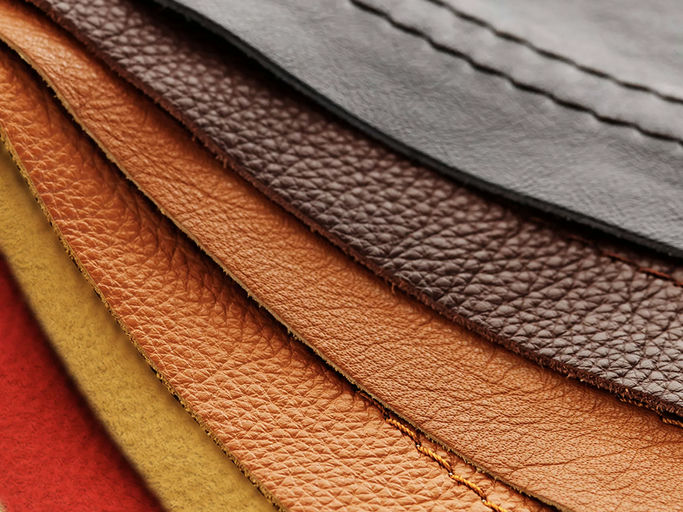 Zoa bio-based leather alternative by Modern MeadowModern Meadow’s technology originally produced animal-free collagen, a protein naturally found in animal hides, via a fermentation process using yeast cells.Image: Modern Meadow