Topic

Mycelium materials

The root network of fungi, grown into foams, panels and leather-like sheets: what they are, how they rate and who is making them.

Mycelium materials

Trend briefing

Mycelium materials: grown, not made

Mycelium, the root-like network of fungi, can be grown into foams, panels and leather-like sheets in days, on agricultural waste, at room temperature. It is one of the most exciting material families in design, and one of the hardest to scale. Here is where it stands, what it is good for and what to check.

3grades in 1 families
1.25median kg CO₂e/kg
100%tagged renewable
16company innovations

Live from the Spot Material database · figures updated 23 Nov 2026 · text last edited 18 Nov 2026

In short

Mycelium can be grown into almost any shape, binds loose waste such as straw, hemp and wood chips into solid parts, and returns to the soil at the end. Mushroom leather promises an alternative to animal skins, and mycelium composites could replace foam packaging and some building materials.

But it is still niche, relatively expensive and short of independent data, and several pioneers have paused or restructured. The database holds 3 fungus grades so far, and 16 fungus innovations are in Spotlight.

How it is made

There are two main routes:

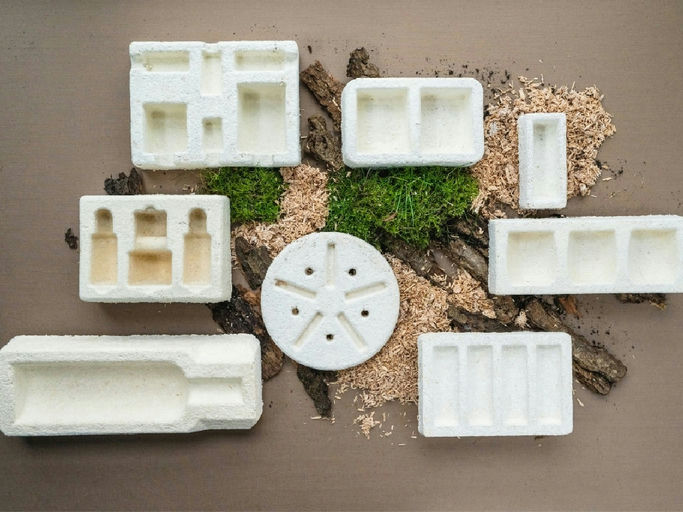
  • Composites: agricultural waste is sterilised, inoculated with mycelium and packed into a mould. In a few days the mycelium grows through it, and the part is dried or heated to stop growth. The result is light, rigid and brittle, so it suits thick sections.
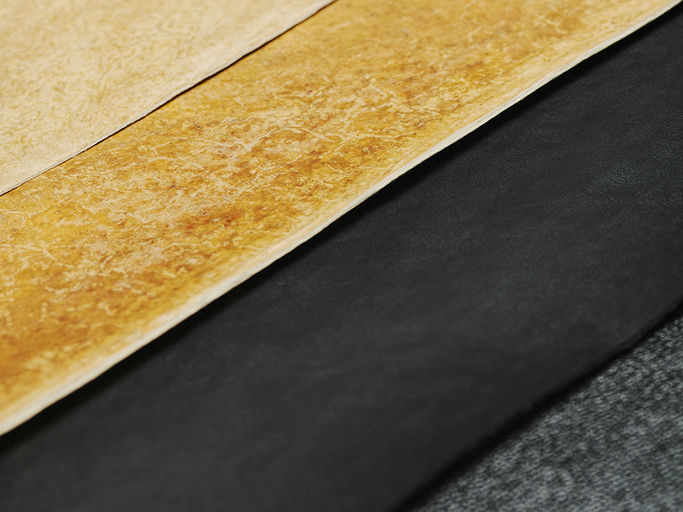
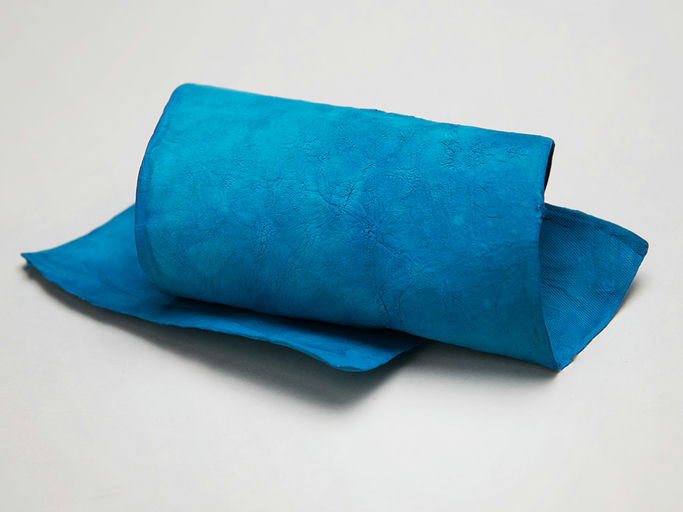
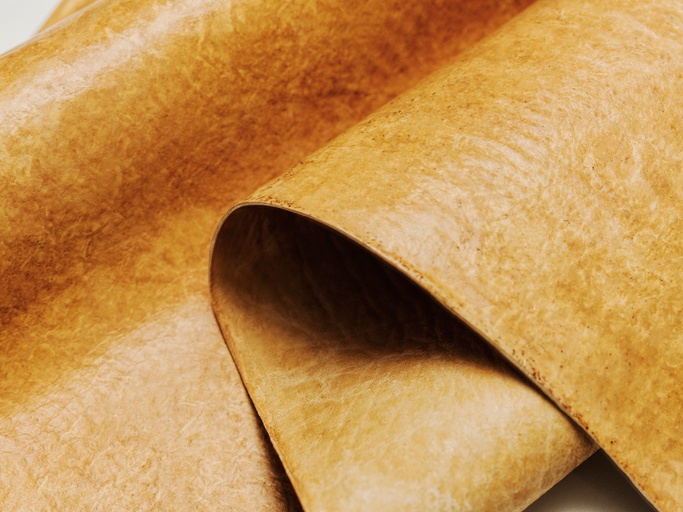
  • Pure mycelium: a mat or sheet is grown on top of the feedstock, then separated, pressed and finished. Ecovative grows AirMycelium sheets up to 4 m wide and 60 m long; MycoWorks engineers the mat as it grows to make dense Fine Mycelium.

Leather-like sheets are then tanned, coated and often laminated to a textile backing. That finishing decides much of the performance, and much of the end-of-life story.

The carbon picture

Grown at room temperature on waste, mycelium composite is 1.25 kg CO₂e/kg, against 2.7 kg CO₂e/kg for expanded polystyrene. Leather-like sheets need more processing: mycelium leather is 9.75 kg CO₂e/kg per kilo in the database, far below 27.5 kg CO₂e/kg for cowhide but above 7 kg CO₂e/kg for PU leatherette.

Company figures are often per square metre. MycoWorks' peer-reviewed 2022 LCA of Reishi put it at 2.76–5.80 kg CO₂e per m², about 8% of the cow leather it was compared with. Always check the basis before comparing.

Carbon footprint, raw material to factory gate (kg CO2e per kg)

0.3131030MuSkin (Phellinus fungus)0.5Mycelium composite1.25Expanded polystyrene (EPS)2.7PU leatherette7Mycelium leather9.75Cowhide leather27.5
Fungi and myceliumConventional alternativesDot = typical, line = range · log scale

Packaging and foam

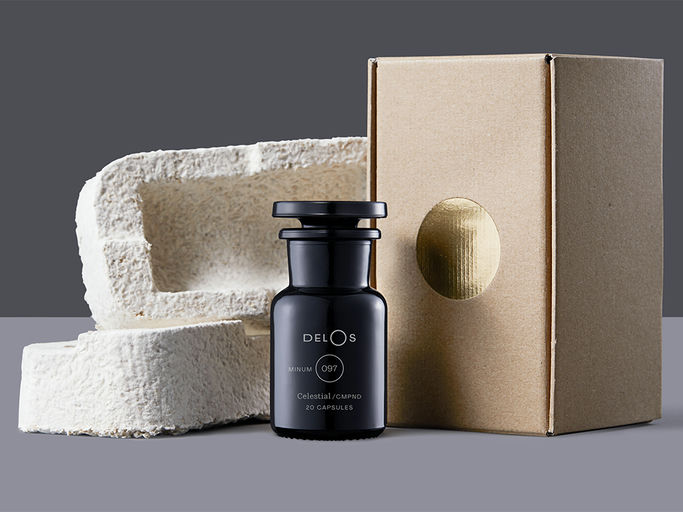
Protective packaging was mycelium's first commercial market: moulded corner blocks and trays that replace polystyrene, grown to shape with almost no waste. The same process makes furniture and door cores, and pure mycelium foams such as AirMycelium are being developed as elastomeric foams and hides.

The trade-offs are strength, moisture and cost. Composites are brittle and absorb water, so they need thick walls or a coating, and they still cost more than EPS made at enormous scale.

Interiors and insulation

Interiors are where mycelium composites are gaining ground. The porous structure absorbs sound, so acoustic panels and tiles from Mogu, Impact Acoustic and others are among the most established products. Mogu also makes flooring with a mycelium core and a bio-based polyurethane top layer.

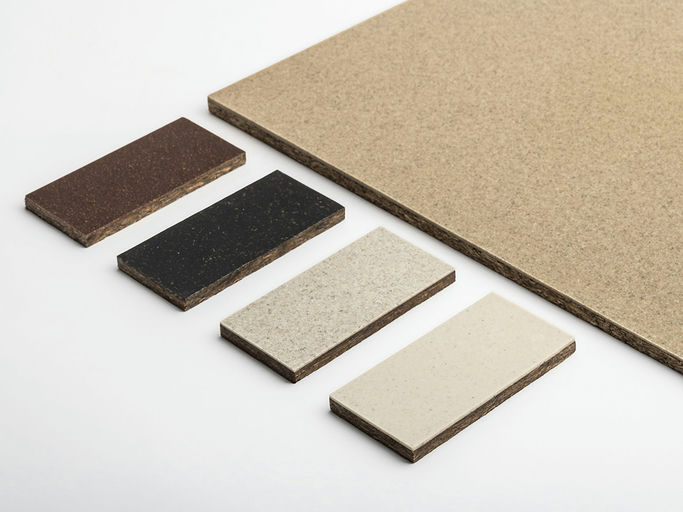
Insulation is next. UK start-up Mykor binds waste plant fibres with mycelium into rigid boards and raised £4 million in May 2026 to scale up. Its environmental claims are still company estimates, and any building product needs fire, thermal and durability certification first.

Insulation and panel materials compared (kg CO2e per kg)

0.313Mycelium composite1.25Insulation cork board0.7Glass wool1.2Stone wool1.45EPS2.7PIR board3.3XPS board3.3
Fungi and myceliumConventional alternativesDot = typical, line = range · log scale
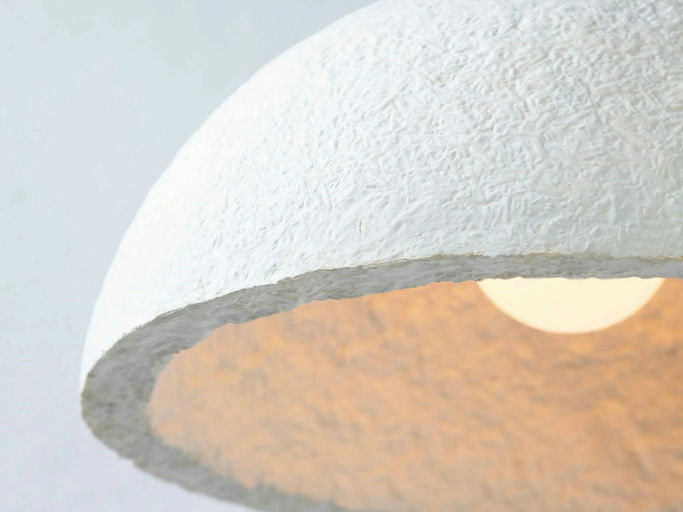
Mogu mycelium acoustic panelsMoguMogu fabricate modular acoustic panels for interior applications with mycelium grown on a matrix of agricultural and textile residues. The panels are dried so the mycelium is inert, coloured with natural-based pigments, and described as plastic-free and VOC-free.Image: MoguMogu mycelium flooringMoguMogu flooring is produced with mycelium and agricultural residue. A bio-based polyurethane resin (bio-PUR) coating is added to enhance durability and ensure the surface can tolerate heels, scratches and abrasions just like any conventional floor.Image: MoguArchisonic Mycelium acoustic wall tile by Impact AcousticImpact AcousticArchisonic Mycelium is a sound-absorbing wall tile from the Swiss acoustic brand Impact Acoustic. It is grown in Switzerland from mycelium on agricultural by-products such as paper waste or sawdust. The tiles are 300 x 300 x 50 mm in a natural white and are used on walls in offices, hospitality and public interiors.Image: Impact AcousticMycelium insulation panel by Grown.bioGrown.bioGrown.bio, based in Hilversum in the Netherlands, grows products from mycelium, the root network of fungi, which binds agricultural waste into a solid material. Alongside protective packaging and interior products, it makes insulation panels for building.Image: Grown.bioMycelium composite acoustic panels by MyconomMyconomMyconom is a small company in Istanbul, Turkey, that grows acoustic panels for interiors from fungal mycelium on agricultural and textile waste.MushLume mycelium lighting collection by Danielle Trofe DesignMushLume Lighting (Danielle Trofe Design)MushLume is a collection of pendant lights, sconces, table lamps and chandeliers by US biodesigner Danielle Trofe. The shades are grown from mycelium on a hemp substrate: the fungus digests and binds the hemp in a mould, and the shade is then dried to stop growth.Image: MushLume Lighting (Danielle Trofe Design)

Sources: Net Zero Compare on Mykor

Mushroom leather

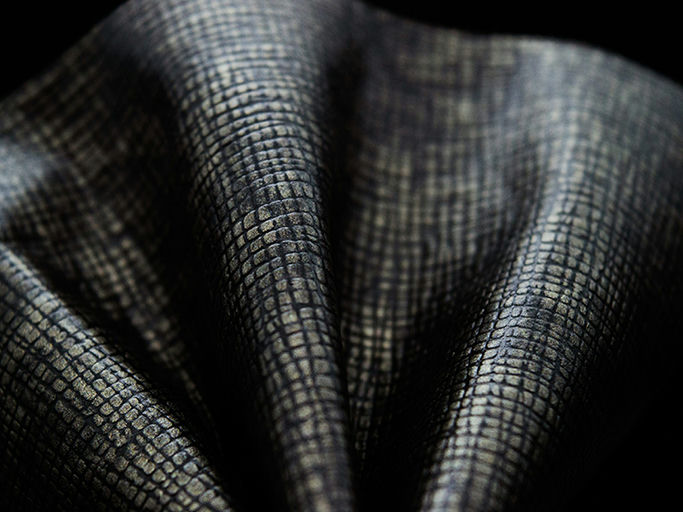
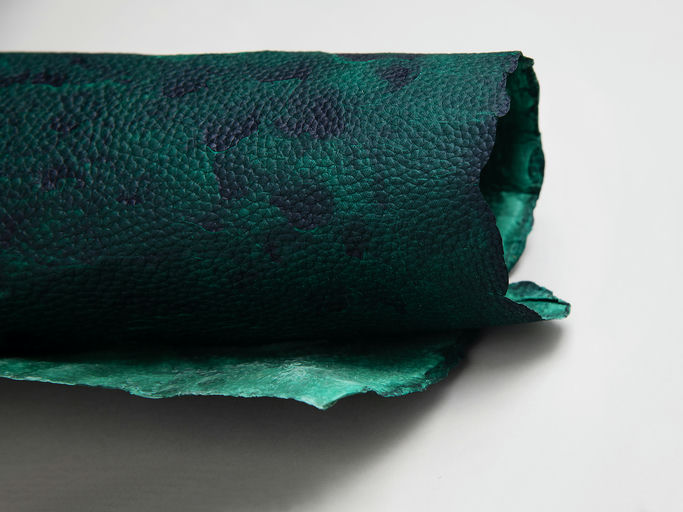
Mycelium leather has drawn the most investment and the most hype. MycoWorks' Reishi is grown as dense Fine Mycelium and finished with tanning techniques adapted from leather. Sqim makes a flexible mycelium material for fashion and interiors, Mycotech Lab in Indonesia makes Mylea, and Life Materials' MuSkin (0.5 kg CO₂e/kg) is cut from a wild fungus that grows on trees.

Mycelium is weaker than hide, so many products add a textile backing or a polyurethane coating, which affects durability and compostability. MycoWorks says its updated Rei-Tan process lifts tensile strength from about 4 to 18 MPa.

Leather and leather alternatives (kg CO2e per kg)

131030MuSkin0.5PVC leatherette2.85Plant-based synthetic leather (bio-PU)4.5PU leatherette7Mycelium leather9.75Cowhide27.5
Fungi and myceliumConventional alternativesDot = typical, line = range · log scale

Sources: Just Style on MycoWorks

Hype, setbacks and a reset

Scaling up has proved far harder than growing samples. Bolt Threads paused Mylo, its mushroom leather backed by Stella McCartney, adidas and others, in mid-2023 after failing to raise the capital to scale.

In October 2025 MycoWorks announced it would close its South Carolina plant and stop growing its own mycelium, sourcing it from other producers and focusing on tanning and finishing. In early 2026 it was taken over by investment firm DFX Corp, with the founders staying on.

For specifiers: choose suppliers with products on the market and realistic volumes, and keep a fallback material in mind.

Sources: Business of Fashion · FashionUnited · Just Style · Green Queen

Watch-outs and end of life

3 of the 3 fungus grades are tagged home compostable: an uncoated composite panel or packaging block can be broken up and composted. Check every product for:

  • Coatings and backings: polyurethane top coats, textile backings and binders can turn a compostable material into a composite that is neither compostable nor recyclable.
  • Moisture and durability: uncoated mycelium absorbs water; ask for test data for your conditions.
  • Consistency: grown materials vary with strain, substrate and season.
  • Data: many figures are company estimates; ask for an independent LCA and its basis (per kg or per m²).
Biodegradable
3
Circular
3
Home compostable
3
Industrially compostable
3

Grades tagged with each end-of-life route, out of 3.

Rules and claims

Mycelium materials are new, so few standards are written for them. Building products still need CE marking and fire classification under the Construction Products Regulation; packaging falls under the PPWR; and since 27 September 2026, EU law bans generic claims such as "biodegradable" without proof. These are the rules and labels linked to fungus grades in the database:

How to choose

Five questions before you specify mycelium:

  • Is the form right for the job: composites for thick, protected parts, pure mycelium for sheets and foams?
  • What are the binder, coating and backing made of, and is the finished product certified compostable?
  • Is there moisture, fire and durability data for your application?
  • Is there an independent LCA, and is it per kg or per m²?
  • Can the supplier deliver your volumes, and what is your fallback?

Then test it: run EPS packaging in the Material checker and compare the bio-based options.

Check EPS in the Material checker

The short version

Fungi offers amazing potential for low carbon, circular, plastic free and animal free biomaterials and biocomposites for a wide range of consumer applications. The biofabrication of composites and textiles from fungi has created alternatives to plastic, foam and leather in packaging, fashion, footwear and interiors.

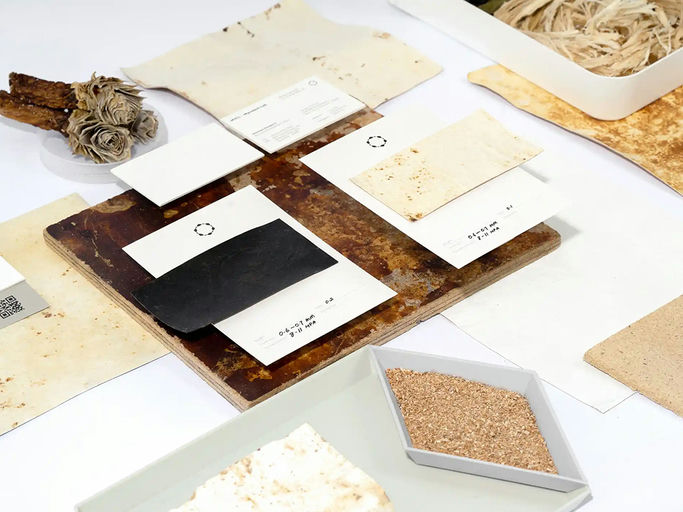
Mycelium are the root structure of fungi. The thread like hyphae (1-30 microns in diameter) intertwine and fuse as they grow, forming a dense and stable network. Before the fungi can form its mushroom, it is cooked (pasteurised at around 70 degC) to lock the fibre structure in place. The mycelium may be grown on its own (100% mycelium), around or onto a fabric structure (such as cotton or polyester), or with woody fibre reinforcement. Ranging from highly compressible materials similar to expanded polystyrene (EPS) to dense leather-like fabrics, the properties of mycelium are highly tailorable. It is affected by the growing medium and conditions, as well as any additives or other reinforcements. By controlling these elements, the material properties are adjusted to suit an application.

Growth is promoted actively, or allowed to develop passively. In the active method, such as employed by Ecovative, CO2 is used to promote the development of mycelium and prevents the growth of mushrooms. Adding CO2 will impact greatly on the sustainability of the finished material. The carbon range here runs from mycelium composites grown on agricultural waste (about 0.3-2.2 kg CO2e/kg in published life cycle assessments) to mycelium leather (about 4.5-15 kg CO2e/kg, from MycoWorks' Reishi assessment, converted from per square metre). Most of the footprint comes from the electricity used to sterilise, incubate and dry the material, so it depends heavily on the local grid: the same kind of leather made on a fossil-heavy grid can be several times higher.

Full check for mycelium →
How it rates

3 types in the database. Carbon is per kilogram of material, so thin films and light foams go a long way.

Mycocomposite, Mycl composite

Moderate carbon 1.25 kg CO₂e/kg

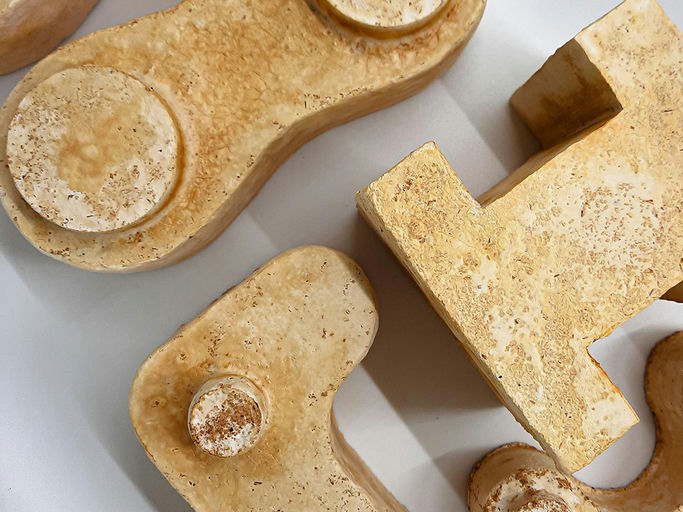
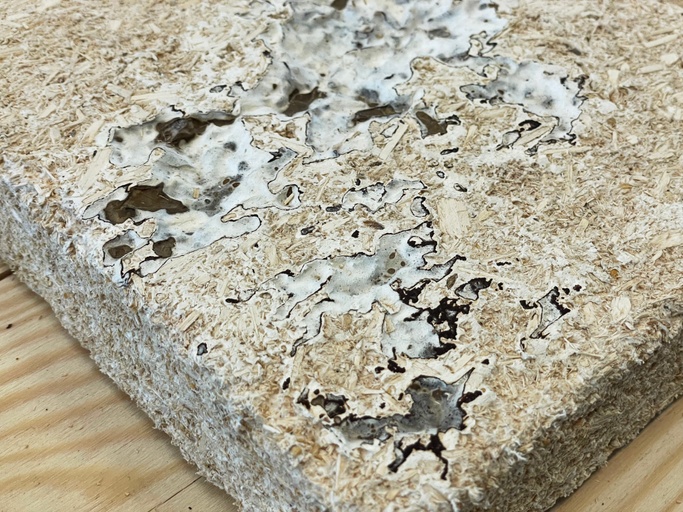
Mycelium is fabricated into composite panels such as used for packaging and acoustics. Mycelium mushroom spawn are mixed with agricultural waste - flax shives, hemp shives, wood chip and kenaf, for example - and allowed to grow a root-like structure.

Check this material →

Reishi, Forager, AirMycelium, Mylea, Mylo

Very high carbon 9.75 kg CO₂e/kg

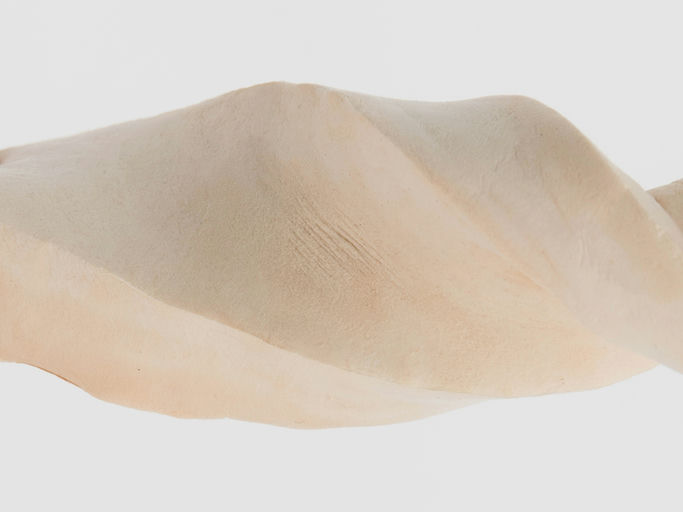
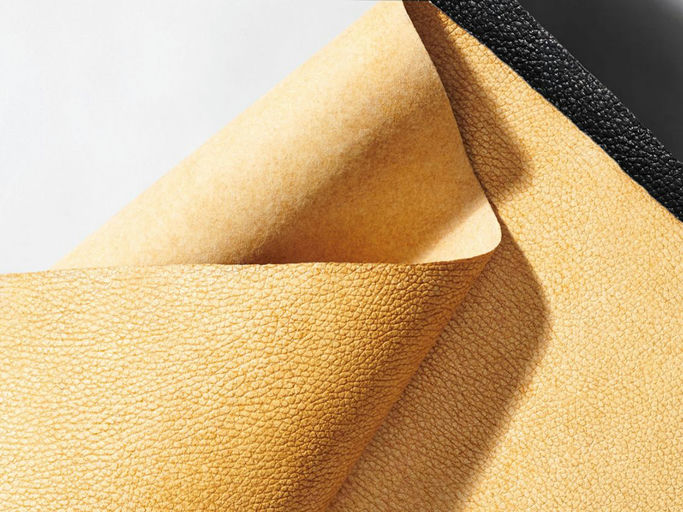
Bioassembled mycelium materials provide an exciting alternative to leather - the 3D structure of the hyphae is very similar to the collagen in leather - that has been explored in fashion and footwear. It is an industry with huge potential.

Check this material →

MuSkin

Ultra low carbon 0.5 kg CO₂e/kg (estimate)

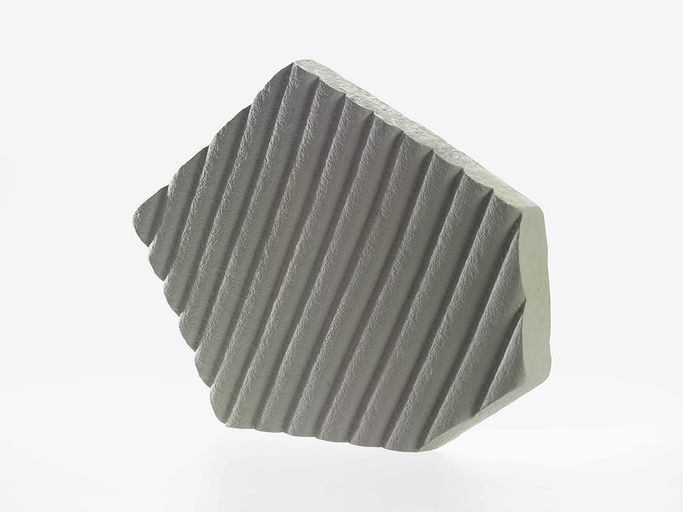
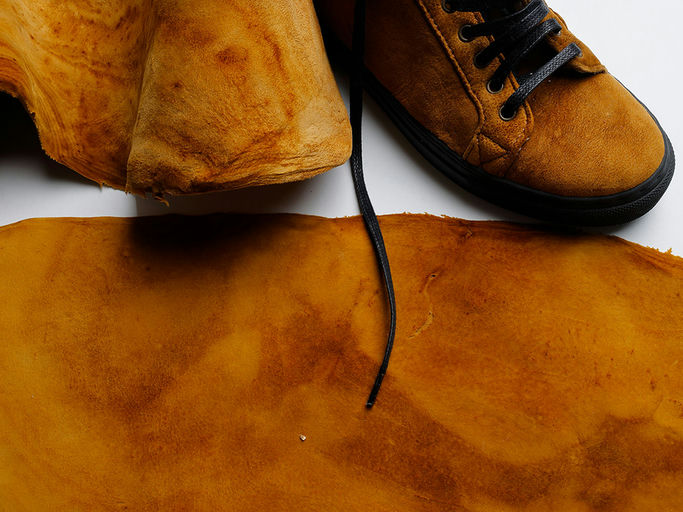
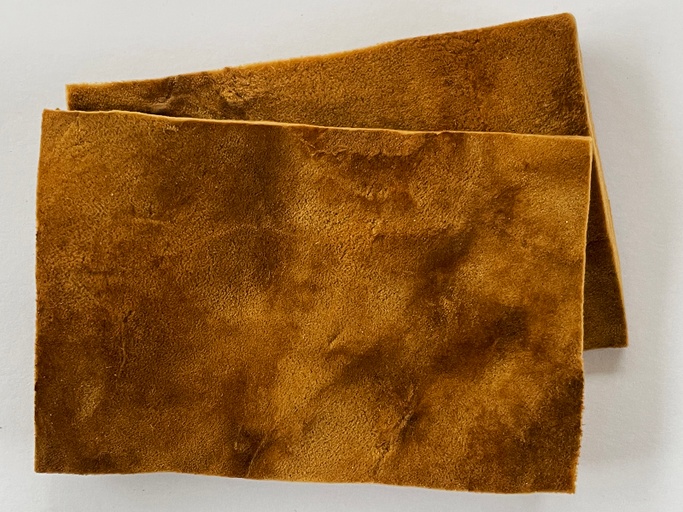
MuSkin comes from Phellinus ellipsoideus, a gigantic inedible fungus that grows on trees in the subtropical forests. It is made from the outside skin of the mushroom and is suitable for shoes, luggage and accessories. It is very soft and feels like suede.

Check this material →

Rules and certifications to check

What applies to these materials or is available for them. Last checked 28 October 2026.

Have a material in mind?

The checker shows its carbon, its concerns and what you could use instead, for more than 800 materials or every part of a product at once.

Who is making it

15 commercial materials from the database. Listed for reference, not rated.

AirMycelium by EcovativeAirMycelium developed by Ecovative makes a range of materials possible with mycelium. By carefully guiding the growth pattern of mushroom mycelia it is possible to produce open-cell foam, fabric, leather and food.Image: EcovativeArchisonic Mycelium acoustic wall tile by Impact AcousticArchisonic Mycelium is a sound-absorbing wall tile from the Swiss acoustic brand Impact Acoustic. It is grown in Switzerland from mycelium on agricultural by-products such as paper waste or sawdust.Image: Impact AcousticEphea mushroom leather by SqimEphea is a flexible mycelium material that offers a sustainable alternative to animal leather and synthetic materials.Image: SqimForager by EcovativeForager by Ecovative is a mushroom based leather produced with their AirMycelium technology.Image: EcovativeMogu mycelium acoustic panelsMogu fabricate modular acoustic panels for interior applications with mycelium grown on a matrix of agricultural and textile residues.Image: MoguMogu mycelium flooringMogu flooring is produced with mycelium and agricultural residue.Image: MoguMushLume mycelium lighting collection by Danielle Trofe DesignMushLume is a collection of pendant lights, sconces, table lamps and chandeliers by US biodesigner Danielle Trofe.MuSkinMuSkin by Life Materials comes from Phellinus ellipsoideus, a gigantic inedible fungus that grows on trees in the subtropical forests. It is made from the outside skin of the mushroom and is suitable for shoes, luggage and accessories.Image: Life MaterialsMycelium composite acoustic panels by MyconomMyconom is a small company in Istanbul, Turkey, that grows acoustic panels for interiors from fungal mycelium on agricultural and textile waste.Mycelium insulation panel by Grown.bioGrown.bio, based in Hilversum in the Netherlands, grows products from mycelium, the root network of fungi, which binds agricultural waste into a solid material.Mycl mushroom composite by Mycotech LabMycl Composite by Mycotech Lab is a biodegradable composite made from mushroom mycelium and agricultural waste that grows into 3D shapes. It is used for creating products, interiors, installations and furniture.Image: Mycotech LabMycoComposite mushroom leather by EcovativeMycoComposite by Ecovative is a mushroom material that uses mycelium and agricultural waste to create lightweight composite panels suitable for packaging and interiors.Image: EcovativeMylea mushroom leather by Mycotech LabMylea mushroom leather, made with mycelium, by Mycotech Lab MYCL. It is grown in a controlled environment in Indonesia and used for footwear, bags and accessories.Image: Mycotech LabMylo mushroom leatherMylo mushroom leather by Bolt Threads is produced with mycelium, grown in a vertical farming facility powered by 100% renewable energy and transformed it into a material that looks and feels like animal leather.Image: Bolt ThreadsReishi fine mycelium fabricReishi fine mycelium fabric by MycoWorks is an alternative to animal leather and to plastic-based textiles made using polyurethane (PU) or polyvinyl chloride (PVC).Image: MycoWorks