Trend briefing
PFAS-free: designing without forever chemicals
PFAS give products water, oil and stain repellency, non-stick surfaces and extreme chemical resistance. They also never break down. Bans are now arriving product by product, and the EU-wide restriction is getting closer. Here is where the rules stand, and what to design with instead.
In short
PFAS, or per- and polyfluoroalkyl substances, are a family of around 14,000 synthetic chemicals built on the carbon-fluorine bond, one of the strongest in chemistry. That is what makes them so useful, and why they persist for generations in water, soil and people.
Regulation has moved from single substances to whole product groups. Clothing, footwear, cosmetics, food packaging, cookware and firefighting foams are now covered by bans in the EU, several member states and a growing list of US states, and an EU-wide restriction on almost all PFAS is in its final scientific review. For designers, the question is no longer whether to go PFAS-free, but how and by when.
Sources: CMS on the EU PFAS restriction
What PFAS do, and where they hide
Designers rarely specify "PFAS" by name. They come in through performance requirements:
- Durable water repellent (DWR) finishes and membranes on outdoor clothing, shoes and bags.
- Grease-proofing on paper, board and moulded fibre food packaging.
- Non-stick coatings on cookware and bakeware, and release coatings in manufacturing.
- Fluoropolymers such as PTFE, ETFE, PVDF and FEVE in seals, cables, membranes, roofs and long-life coatings.
In this briefing's scope, 9 grades carry the Forever chemicals tag: every fluoropolymer grade, plus boxboard and moulded pulp, where fluorinated grease-proofing is common. Ask suppliers for a declaration and a total fluorine test.
Concerns tagged on fluoropolymers and their alternatives (number of grades)
Out of 37 grades.
The carbon picture
Fluorine chemistry is energy-intensive. PTFE is 16.5 kg CO₂e/kg per kilo, ETFE 16.5 kg CO₂e/kg and PVDF 8.5 kg CO₂e/kg. Most of the alternatives are far lower: silicone is 6.8 kg CO₂e/kg, stainless steel 304 4.4 kg CO₂e/kg and kraft paper 0.88 kg CO₂e/kg.
Per kilo is not the whole story. A DWR finish or a grease-proofing treatment weighs a few grams, so the real case against PFAS is persistence and toxicity, not carbon. Where a fluoropolymer is the whole part, though, as with a membrane, roof foil or seal, the carbon difference is real too.
Carbon footprint, raw material to factory gate (kg CO2e per kg)
The EU-wide restriction: where it stands
Five countries proposed restricting almost all PFAS under REACH in January 2023. In early March 2026 ECHA's risk committee (RAC) adopted its final opinion, and on 10 March its socio-economic committee (SEAC) agreed a draft. Both back an EU-wide restriction on making, selling and using PFAS, with targeted, time-limited derogations where there are no alternatives yet.
The consultation on SEAC's draft closed on 25 May 2026, and SEAC's final opinion is expected by the end of 2026. The European Commission then drafts the law for a vote by member states in the REACH Committee. No date is set for entry into force, but transition periods of five or twelve years after a general 18 months are on the table.
For fluoropolymers, the committees did not support a general exemption. Expect any derogation to be use by use, with conditions such as emission controls and labelling.
Sources: CMS · ChemLinked · Linklaters
Already in force in Europe
While the big restriction is decided, narrower rules are already biting. The dates that matter for designers:
- 1 January 2026France: no PFAS in clothing, footwear, cosmetics, ski wax or waterproofing agents. All textiles follow in 2030; non-stick cookware was left out.
- 10 April 2026PFHxA (REACH entry 79): firefighting foams for training and public fire services.
- 1 July 2026Denmark: no PFAS in consumer clothing, footwear and waterproofing agents, with sell-through until 1 January 2027.
- 12 August 2026Packaging (PPWR): food-contact packaging containing PFAS above the set limits can no longer be placed on the EU market.
- 10 October 2026PFHxA: consumer clothing, footwear, food-contact paper and board, cosmetics and mixtures.
- 10 October 2027PFHxA: other consumer textiles.
- 2030France: all textiles.
- Proposed EU-wide PFAS restriction (REACH)
- REACH: PFHxA restriction (Annex XVII entry 79)
- Packaging and Packaging Waste Regulation (EU) 2025/40
- Food Contact Materials Regulation (EC) 1935/2004
Sources: PPWR timeline (BeverageDaily) · PFHxA restriction (SGS) · France and Denmark (SML) · Chemistry World
Beyond Europe: the US states
With no federal ban, US states are setting the pace, mostly by banning intentionally added PFAS in named product groups:
- Minnesota (Amara's Law), from 1 January 2025: carpets and rugs, cleaning products, cookware, cosmetics, dental floss, fabric treatments, juvenile products, menstrual products, textile furnishings, ski wax and upholstered furniture. Product reports are due from 1 July 2026.
- Maine, Colorado and Vermont, from 1 January 2026: overlapping lists that include cookware, cosmetics, textiles, juvenile products, upholstered furniture, carpets and ski wax.
- Connecticut bans start on 1 July 2026, and Illinois follows in 2032.
If you sell globally, design to the strictest market: a single PFAS-free specification is simpler than regional versions.
Sources: Morgan Lewis, state PFAS laws 2026
Waterproof textiles without PFAS
Outdoor brands have shown that it can be done. Patagonia now says all of its styles are made without intentionally added PFAS, using Gore-Tex ePE membranes, expanded polyethylene in place of expanded PTFE. UHMWPE fibre (3.15 kg CO₂e/kg) and polyurethane laminates are other fluorine-free routes to waterproof, windproof fabric.
For surface repellency, PFAS-free DWR finishes use silicones, waxes, hydrocarbons or bio-based chemistry. They shed water well but resist oil and stains less, and need re-proofing more often. Dense weaves, waxed cotton and rubber-bonded cotton, the original Mackintosh, solve the problem with construction instead of chemistry.
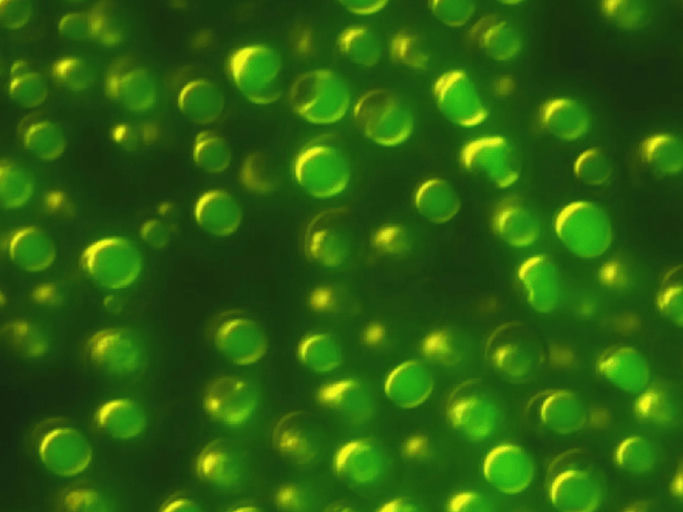 miDori bio-based textile finishes by Beyond Surface TechnologiesBeyond Surface TechnologiesMidori-Bio coatings produced from algae and plant seed oil enhance the performance of textiles. With 55-94% bio-based content, they are optimised to provide wicking, anti-odour or water-repellent properties.Image: Beyond Surface Technologies
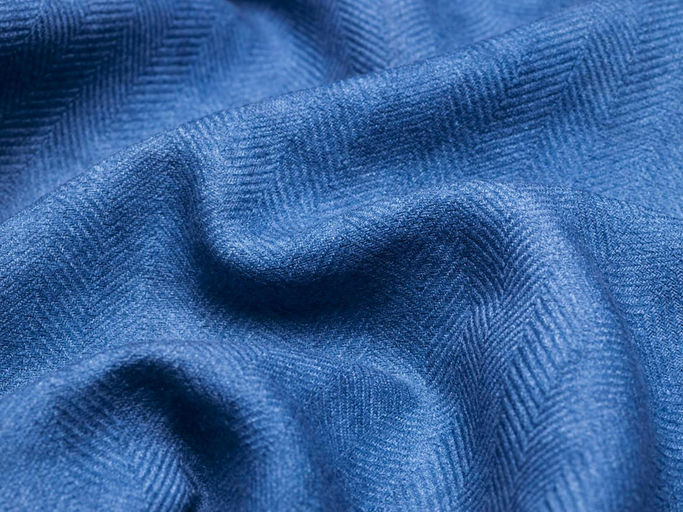 Spinnova fibreSpinnovaSpinnova is a textile fibre produced from micro fibrillated cellulose (MFC), made from FSC-certified wood pulp or from waste streams such as leather, textile and crop residues, without harmful dissolving chemicals. It is white, fluffy and firm, with a warmth comparable to lambswool.Image: Spinnova
Sources: Patagonia on ePE
Grease barriers for food packaging
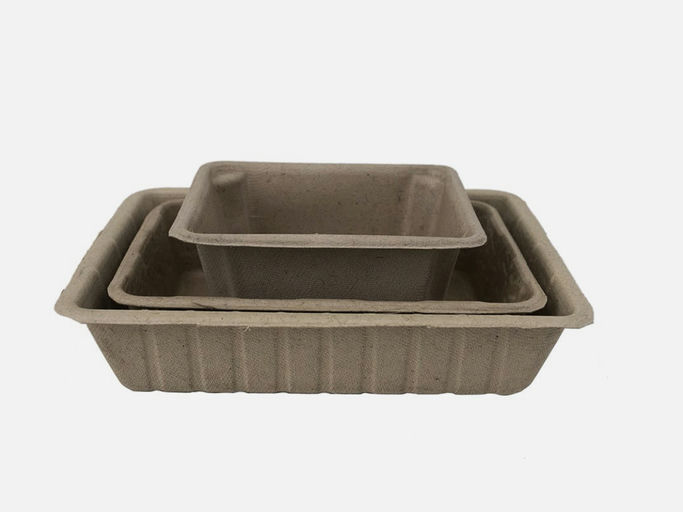
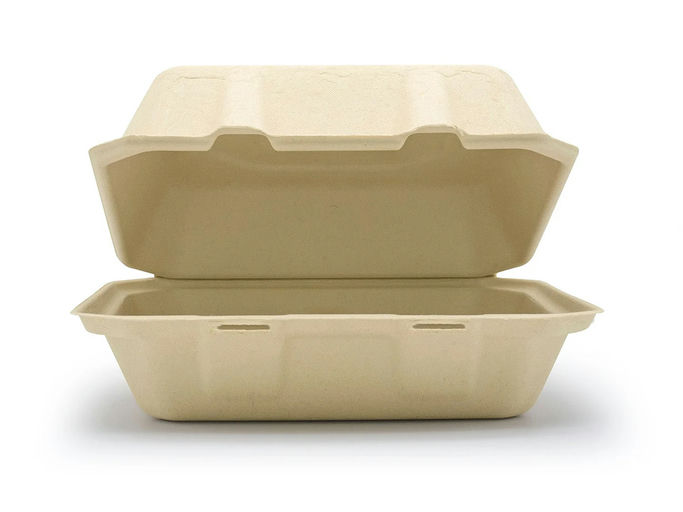
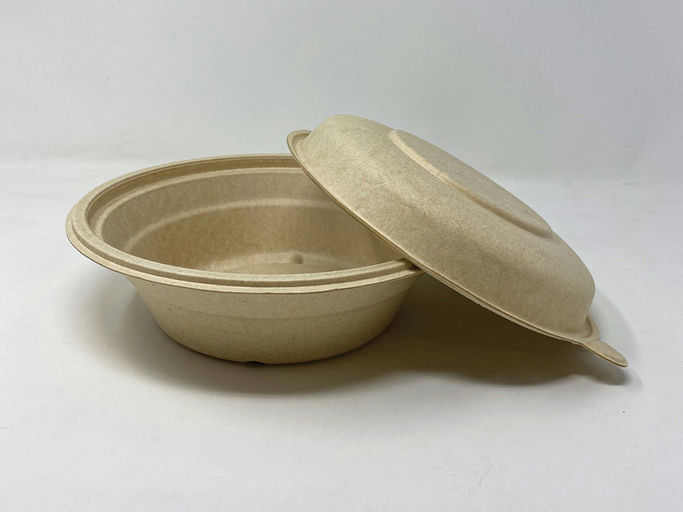
Paper and moulded fibre need a barrier against fat and moisture, and that barrier was often fluorinated. In the database, boxboard and moulded pulp are still tagged for forever chemicals for this reason.
PFAS-free routes are now mainstream: dense papers such as glassine (1.75 kg CO₂e/kg), natural wax coatings, water-based mineral or bio-based barrier coatings, cellulose films and dry-formed fibre. Check two things: that the barrier still lets the pack be recycled or composted, and that the supplier can show a total fluorine result, not just a claim.
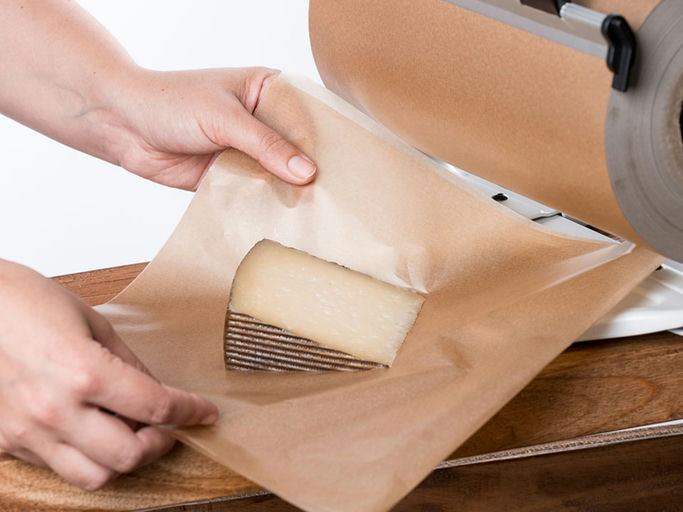 Compostella wax paperCompostellaCompostella wax paper is a greaseproof packaging paper made from unbleached cellulose with a thin coating of carnauba wax, and no paraffin or silicone.Image: Compostella
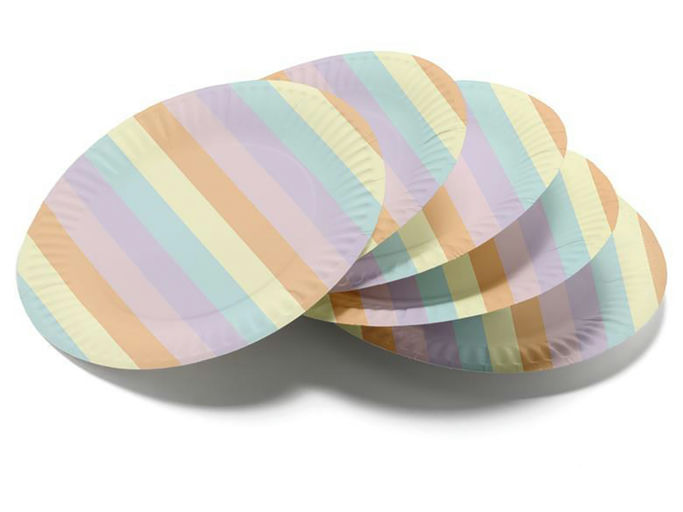 Siegwerk's Uninature water-oil barrier paper coatingSiegwerkSiegwerk's UniNATURE water-oil barrier coating for single-use paper plates and other paper packaging is water-based and described by Siegwerk as 100% natural content, with mineral components.Image: Siegwerk
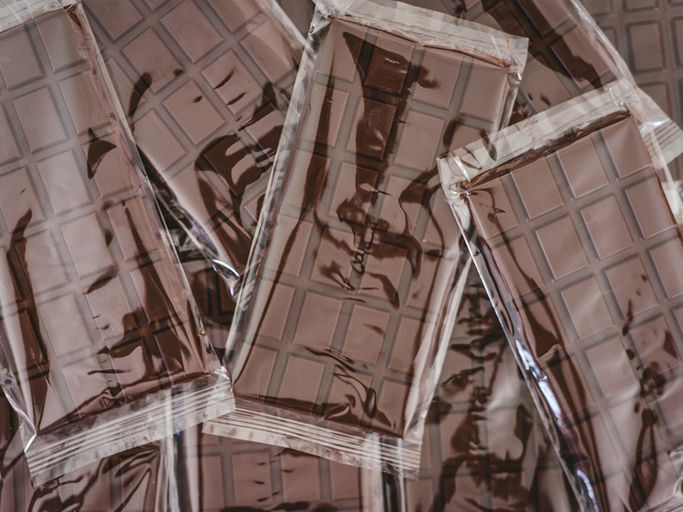 NatureFlex cellulose packaging filmsFutamuraNatureFlex home compostable cellulose packaging films are made by Futamura from wood pulp from managed plantations and are generally over 90% bio-based. They offer high transparency and gloss, a high barrier to oxygen, grease resistance and chemical resistance, and can be printed and heat-sealed.Image: Futamura
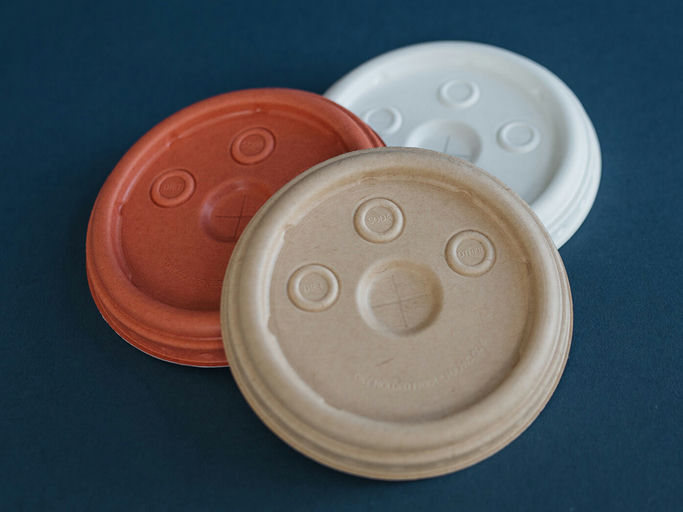 Dry molded fiber by PulpacPulPacThe dry molded fiber process, developed by Pulpac, removes most of the water from paper pulp moulding, which helps to increase efficiency, reduce cycle time, and minimise carbon footprint.Image: PulPac
Non-stick, seals and the hard cases
In cookware, the established alternatives are stainless steel, cast iron, carbon steel, enamel and sol-gel ceramic coatings. They need more oil and care, but last longer than a scratched PTFE pan. Silicone covers bakeware, seals and gaskets in most consumer products.
Some uses have no drop-in replacement yet: PTFE-coated glass fabric for high-temperature conveyors and tensile roofs, ETFE foil cushions, PVDF membranes and FEVE coatings with very long lives. These are the uses most likely to get time-limited derogations. If you rely on them, document why, track the alternatives and design for take-back so the material doesn't end up in the environment.
How to go PFAS-free
A practical sequence:
- Map where PFAS could enter: finishes, coatings, membranes, seals, inks, lubricants, packaging.
- Ask every supplier for a PFAS declaration and total fluorine test results.
- Question the requirement before the chemistry: does it really need oil repellency, or just water repellency?
- Choose construction over coating where possible: dense weaves, laminates, solid materials.
- Plan for the strictest market and the shortest deadline.
Then look at the alternatives to a fluoropolymer in the Material checker.
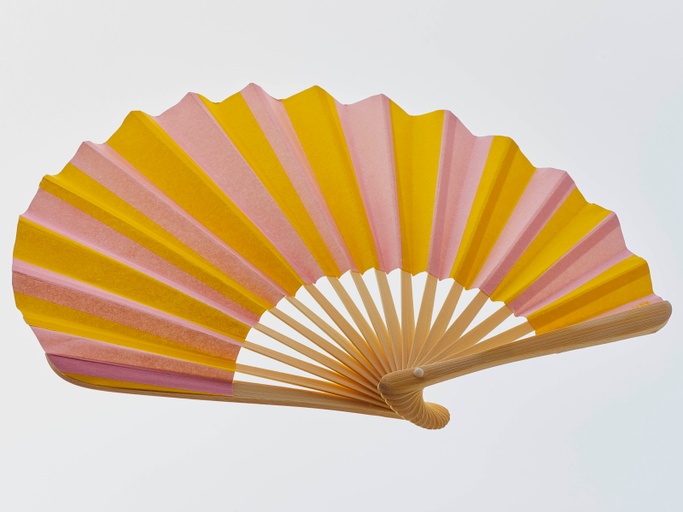 Paper
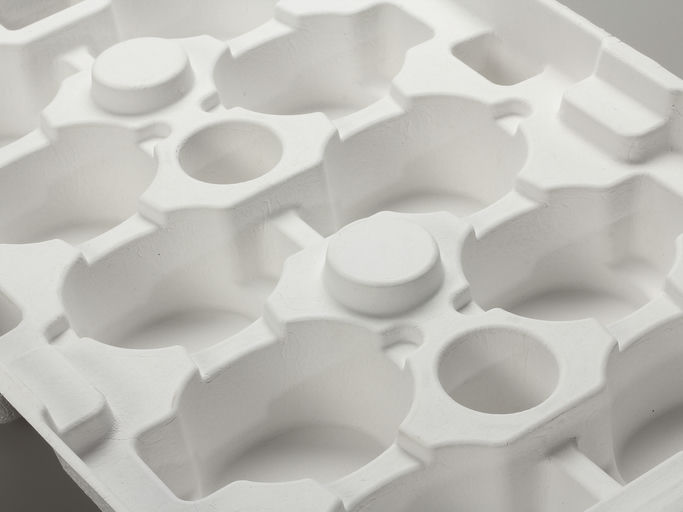 Moulded pulp