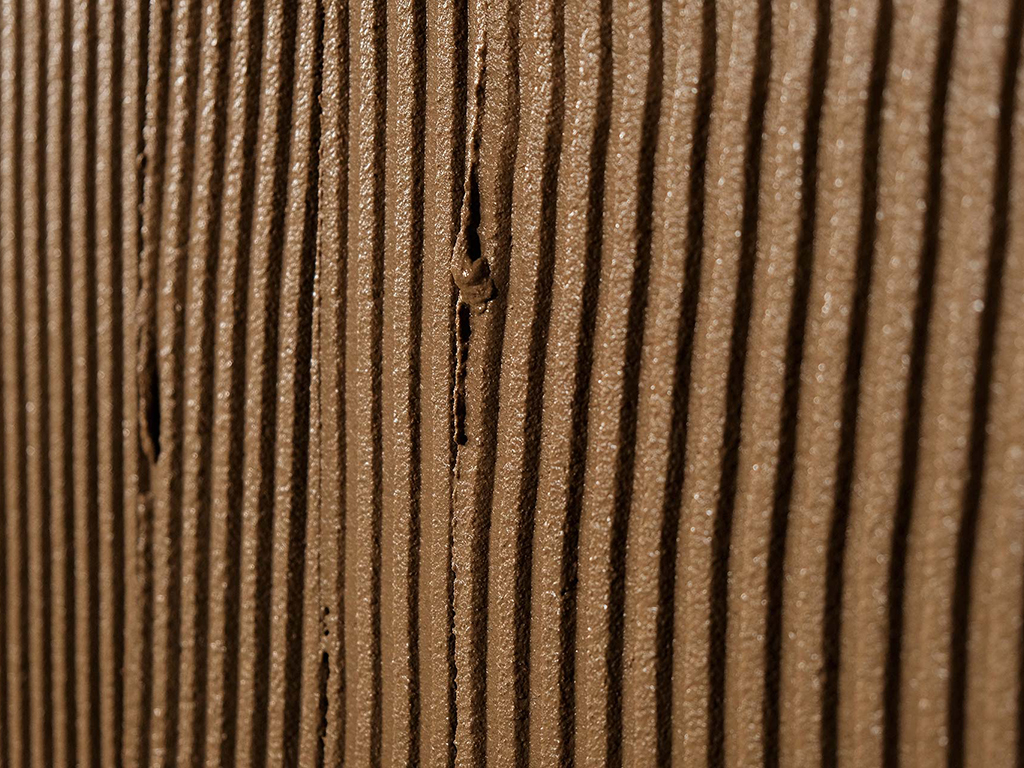
Photo: Clay plaster by ClayTec: an unfired finish that hardens by drying and can be reworked with water. Image: ClayTec.
01Why minerals
Low per kilo, huge in total
Concrete, brick, stone, plaster and glass are what buildings are made of. Per kilo they are among the lowest-carbon materials in the database, which holds 79 mineral grades in 17 families. But buildings use them by the thousand tonnes, so they dominate a building's footprint.
One ingredient stands out. Cement, the grey powder that binds concrete, accounts for about 7 to 8% of the world's CO₂ emissions.
Three questions sort the mineral materials:
- Was it fired, and how hot? Cement, lime, brick, ceramics and glass all pass through a kiln or furnace. Earth, clay plaster and stone do not.
- How much cement is in it? Less clinker means less carbon.
- Can it be taken apart and used again? A brick laid in lime mortar can; one laid in cement mortar usually cannot.
Sources: World Economic Forum, Cement is a big problem for the environment
From rammed earth to cement
The range within this group is enormous. Rammed earth is 0.018 kg CO₂e/kg and cut limestone 0.075 kg CO₂e/kg: dug or quarried, shaped, and nothing more. Concrete is 0.12 kg CO₂e/kg, low because it is mostly sand and stone. Fired brick is 0.2 kg CO₂e/kg and plasterboard 0.35 kg CO₂e/kg. At the top are the fired binders and glass: Portland cement at 0.78 kg CO₂e/kg and float glass at 1.03 kg CO₂e/kg.
Steel and plastics are shown for scale. They are higher per kilo, but a concrete frame weighs many times more than a steel or timber one, so always compare whole building elements: a square metre of wall or floor doing the same job.
Carbon footprint, raw material to factory gate (kg CO2e per kg)
Fired and unfired
The families fall into four groups:
- Unfired: earth, clay plaster and natural stone. The lowest in carbon, and the oldest.
- Binders: cement, lime and gypsum, made by heating rock until it changes chemically. They set when water is added.
- Fired clay: brick, tile, terracotta and ceramics, baked at around 1,000°C or more.
- Melted: glass and mineral wool, made at about 1,500°C.
Typical carbon by family (kg CO₂e/kg; number of grades in brackets)
Each family opens in the material checker.
02Cement and concrete
Cement: the problem in one ingredient
Cement is made by heating limestone and clay to about 1,450°C to form clinker, which is then ground to powder. The CO₂ comes from two places. About 40% is from the fuel that heats the kiln. About 60% is released by the limestone itself as it turns to lime, and that share comes out however the kiln is heated.
That is why Portland cement is 0.78 kg CO₂e/kg while concrete as a whole is only 0.12 kg CO₂e/kg: concrete is roughly one part cement to six or seven parts sand, gravel and water. Steel reinforcement adds more; reinforced concrete is 0.18 kg CO₂e/kg.
So there are three ways to lower-carbon concrete, in order of effect today:
- Use less concrete: leaner structures, voided slabs, longer life for what is already built.
- Use less cement in the concrete: better mix design and grading.
- Use less clinker in the cement (next section).
Cement and concrete grades (kg CO2e per kg)
Sources: World Economic Forum, The 'electric vehicle of cement-making' · Inzonex, State of cement and concrete decarbonisation 2026
Cutting the clinker
Part of the clinker in cement can be replaced with other fine powders that also bind. The long-standing ones are by-products: slag from blast furnaces and fly ash from coal power stations. Both are becoming scarcer as steel and power clean up, which is good news overall and bad news for cement.
The replacement with the most room to grow is calcined clay. In LC3 (limestone calcined clay cement), about half the clinker is replaced by clay heated to a much lower temperature and ground limestone, neither of which gives off CO₂ the way limestone does in a kiln. It cuts emissions by around 40%, and suitable clay is found almost everywhere.
Worldwide, cement is still about 63% clinker; the industry's own roadmap aims for 52% by 2050. Low-carbon cement in the database is 0.42 kg CO₂e/kg.
Further out are cements with no clinker at all, such as geopolymers, and carbon capture at the kiln. Ask your concrete supplier for the cement type and the clinker content; it is the single most useful number.
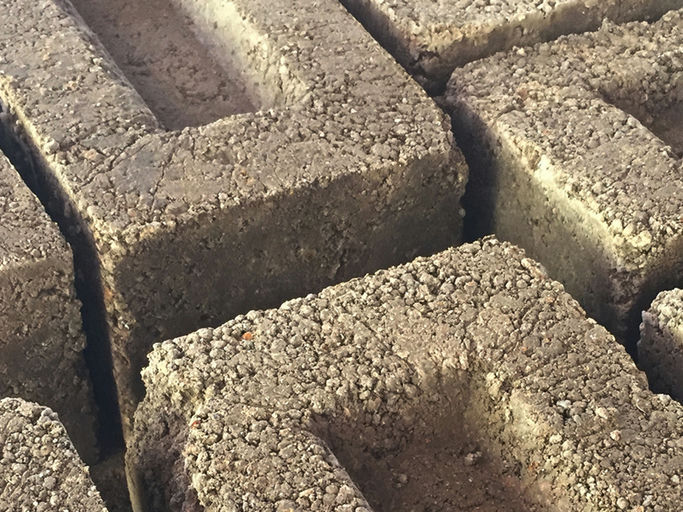 Limestone calcined clay cement, LC3LC3 ProjectLimestone calcined clay cement (LC3) cement produces 30-40% less CO2 emissions compared to regular cement. The reduction is achieved by partially substituting (20-70%) clinker with calcined clay and limestone.Image: LC3 ProjectGeopolymer concrete mixes by Geopolymer InternationalGeopolymer InternationalGeopolymer International, based in Las Vegas, Nevada, develops and produces geopolymer construction materials, including its GeoCement binder, and the equipment to mix and 3D-print them, as North American distributor of Constructions-3D printers.
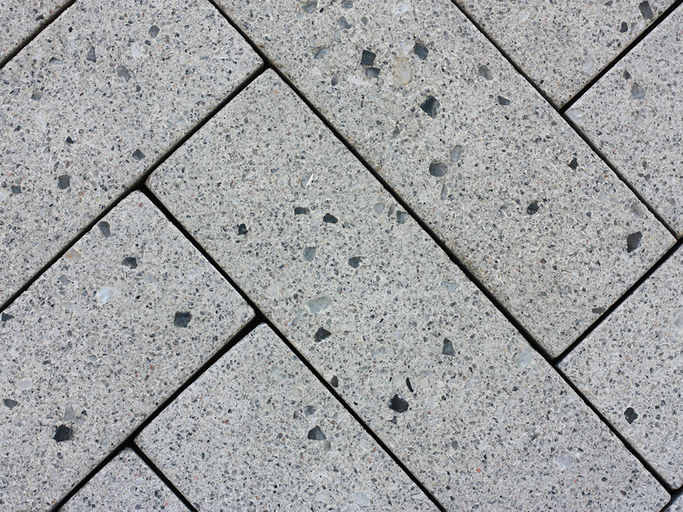 Biomason biocementBiomasonBiomason biocement is made with calcium carbonate (CaCO3) produced by microorganisms and provides an alternative to Portland cement. Through a process of microbiologically induced calcium carbonate precipitation (MICP), microorganisms react with chemical components to produce minerals suitable as binding agents.Image: Biomason
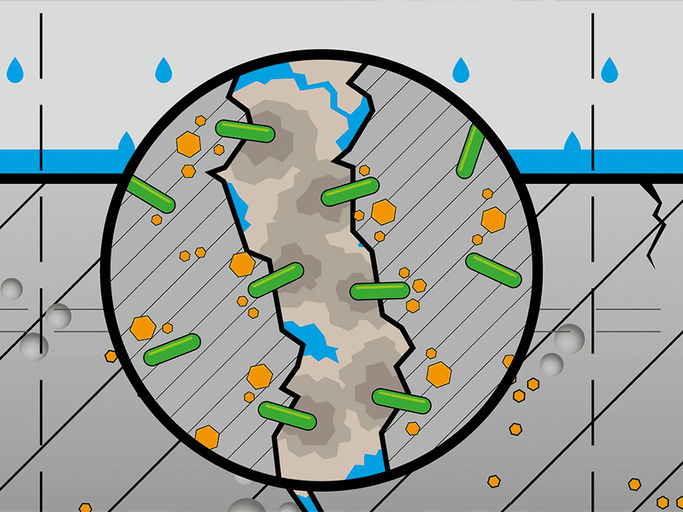 Basilisk bacteria-based self-healing concrete by BasiliskBasiliskBasilisk is a Dutch company that sells bacteria-based self-healing products for concrete, based on research by Prof. Henk Jonkers at Delft University of Technology, where the technology was developed and patented.Image: Basilisk
Sources: World Economic Forum, Cement is a big problem for the environment · Inzonex, State of cement and concrete decarbonisation 2026
03Earth, lime and brick
Earth and clay
Clay binds without firing: it hardens as it dries and softens again when wet. That makes unfired earth the lowest-carbon walling there is, and one that can go back to the ground. Rammed earth is 0.018 kg CO₂e/kg, unfired earth blocks 0.07 kg CO₂e/kg and clay plaster 0.045 kg CO₂e/kg.
Indoors, clay plasters and clay boards (0.16 kg CO₂e/kg) take up and release moisture, which evens out humidity, and they can be re-wetted and reworked.
The limits are water and strength. Earth needs a dry base and a good roof overhang, and load-bearing earth walls are thick. Some products add cement or lime as a stabiliser, which raises the footprint and stops the material returning to soil; ask whether a block is stabilised and with what.
Unfired earth beside fired and cement-based products (kg CO2e per kg)
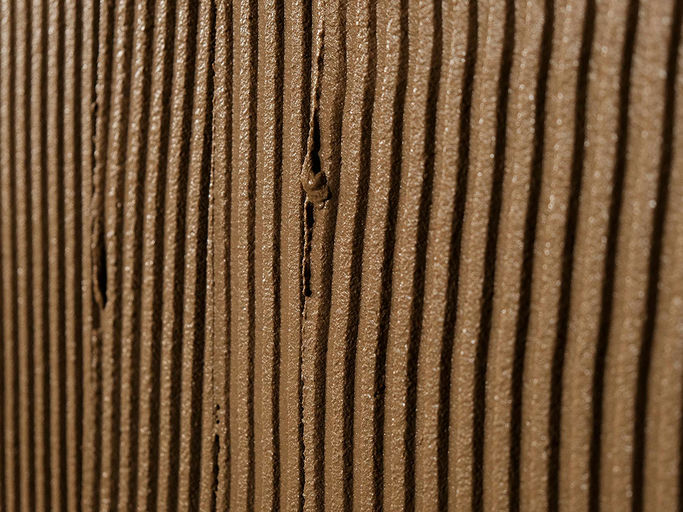 ClayTec clay plasterClayTecClay plasters help to maintain healthy indoor air quality, regulate temperature and balance humidity. Clay plasters adhere to all common substrates used in construction; they are machine-friendly but also easily processed by hand.Image: ClayTec
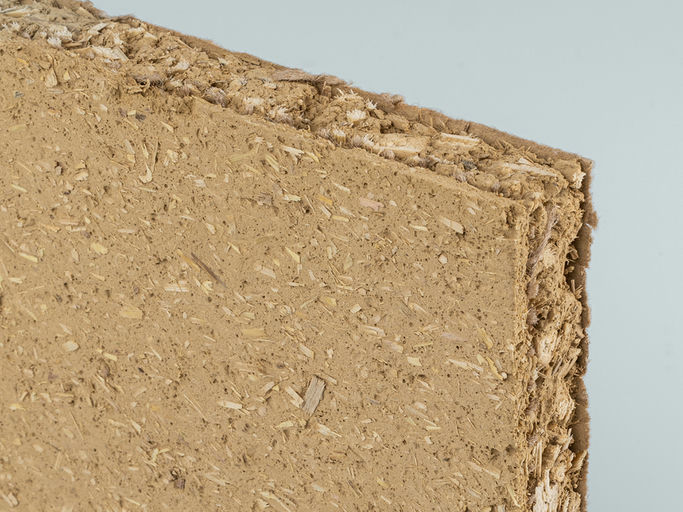 Clay building board D22 solar by ClayTecClayTecThe ClayTec Lehmbauplatte D22 solar is a 22 mm clay building board for interior dry construction from ClayTec in Viersen, Germany. It is made from building clay with miscanthus fibres and about 0.2% starch, with a jute mesh near the face, a top layer containing fine straw fibres and paper on the back.Image: ClayTec
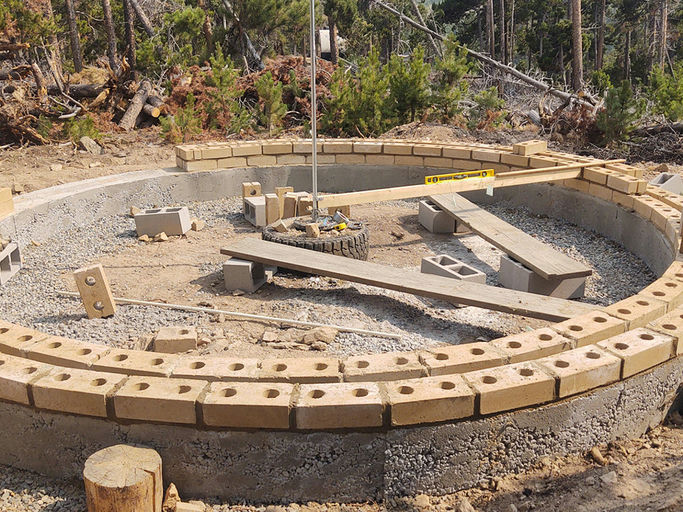 ecoBlocks compressed earth blocks by Nova Terra (Colorado Earth)Nova Terra (formerly Colorado Earth)Colorado Earth makes compressed earth blocks (sold as ecoBlocks or EcoBlox) in Colorado, USA.Image: Nova Terra (formerly Colorado Earth)
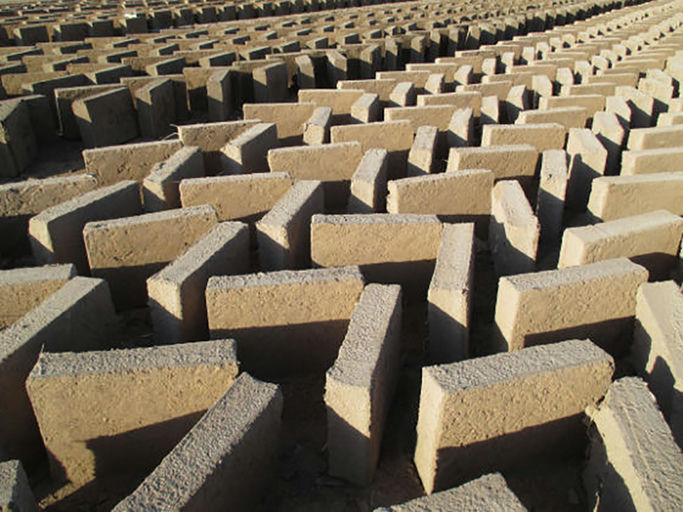 Adobe earth building blocks by New Mexico EarthNew Mexico EarthNew Mexico Earth has made sun-dried adobe blocks in New Mexico, USA, since 1972. The blocks are made from screened local soil, water and straw, moulded and dried in the sun rather than fired.Image: New Mexico Earth
Lime, gypsum and hempcrete
Lime is limestone burned at a lower temperature than cement. As a pure binder hydrated lime is 0.9 kg CO₂e/kg, similar to cement, because the limestone gives off the same CO₂. The difference is in use. Lime mortars and plasters reabsorb part of that CO₂ from the air as they harden over the years, they stay slightly flexible and let moisture through, and they are soft enough for bricks to be cleaned and reused. Hydraulic lime mortar is 0.3 kg CO₂e/kg.
Gypsum needs far less heat, around 150°C, and can in principle be recycled again and again. Plasterboard is 0.35 kg CO₂e/kg; the paper facing and contamination on site are what hold recycling back.
Hempcrete (0.85 kg CO₂e/kg) mixes hemp stalk with a lime binder to make an insulating, non-structural wall fill. The hemp stores carbon taken up as it grew, which the factory-gate figure here does not credit.
Binders and what is made from them (kg CO2e per kg)
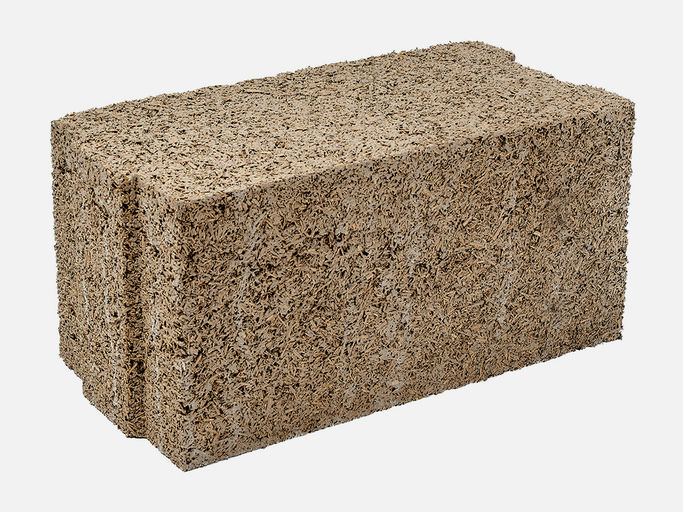 IsoHemp hemp blocksIsoHempIsoHemp hemp blocks (also called hemplime and hempcrete) are particularly suitable for the construction of residential houses, for lining existing walls from the inside or outside, as well as for industrial and flat partitioning. It offers high thermal insulation, breathability and very low carbon footprint.Image: IsoHempLimewash paint by Bauwerk ColourBauwerk ColourBauwerk Colour, founded in Western Australia and now also working from Saxony in Germany, makes a limewash paint known for its soft, mottled colour.
Brick: fire once, use twice
Firing turns clay into a material that lasts for centuries and never needs painting. Fired brick is 0.2 kg CO₂e/kg, nearly all of it from the kiln fuel, which is mostly gas. Kilns are starting to switch to electricity, hydrogen and biogas.
Because a brick outlives its building, the best low-carbon brick is one that already exists. Reclaimed bricks are cleaned, tested and sold with documented performance. The condition is the mortar: lime mortar comes off; hard cement mortar often breaks the brick first. Specify lime mortar today and the bricks can be reused in a hundred years.
Unfired bricks and bricks pressed from construction waste are the other route, with no kiln at all.
Fired clay products (kg CO2e per kg)
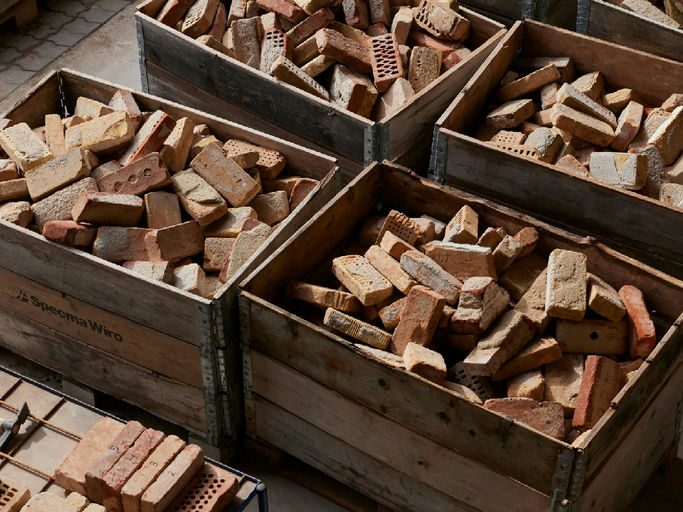 Reclaimed bricks by Gamle MurstenGamle MurstenGamle Mursten ('old bricks') is a Danish company, founded in 2003 in Svendborg, that reclaims bricks from demolition sites, cleans off the mortar with a patented vibration process, then hand-sorts them and stacks them by robot for resale.Image: Gamle Mursten
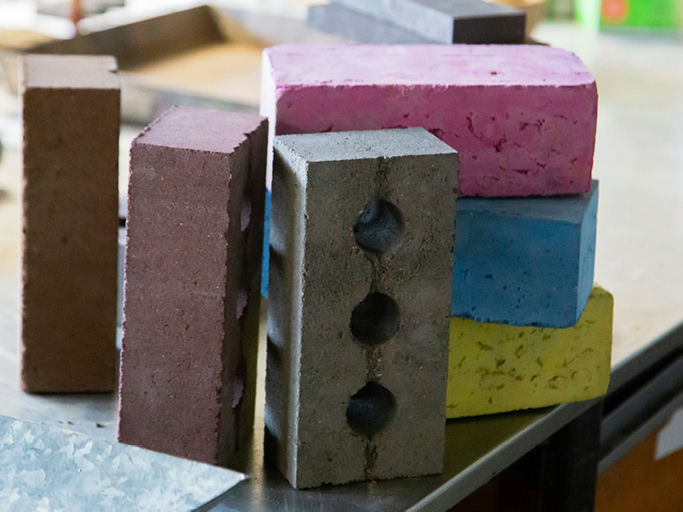 K-Briq recycled construction brick by KenoteqKenoteqThe Kenoteq K-Briq is produced from over 90% recycled construction and demolition waste - such as plasterboard, brick, stone, rubble and mortar - mixed with a cement-free binder. The mix is compressed at high pressure and cured, as opposed to being fired like conventional clay products.Image: Kenoteq
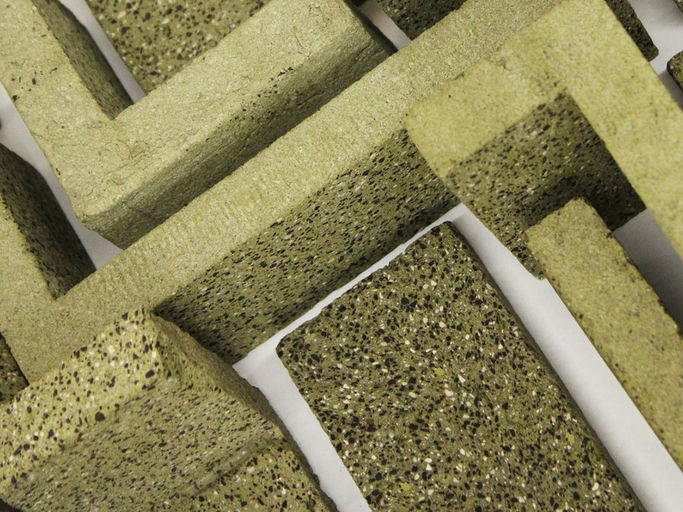 WasteBasedBricks by FRONTFRONT (formerly StoneCycling)WasteBasedBricks by StoneCycling (renamed FRONT in 2024) are made with at least 60% waste, mostly mineral waste from demolition and industry, and are produced in the Netherlands. The company aims to reach 100% waste content.Image: FRONT (formerly StoneCycling)
04Stone, glass and wool
Stone, natural and engineered
Natural stone is already made. Quarrying, sawing and finishing are all it needs, so sandstone is 0.07 kg CO₂e/kg, slate 0.07 kg CO₂e/kg and limestone 0.075 kg CO₂e/kg. Hard stones take more energy to cut and polish, which is why granite ranges up to the top of 0.38 kg CO₂e/kg.
Stone is heavy, so distance matters more than for almost any other material. A local stone can have a fraction of the footprint of the same stone shipped across the world and back for processing. Ask where it was quarried and where it was cut.
Engineered alternatives are higher: engineered quartz, which is crushed stone bound with plastic resin, is 1.18 kg CO₂e/kg, and sintered stone 0.79 kg CO₂e/kg. Cutting engineered quartz dry releases fine silica dust that has been linked to serious lung disease in fabricators, so it must be cut wet with extraction.
Solid stone can be load-bearing too, not only cladding, and it can be taken down and re-cut.
Natural and engineered stone (kg CO2e per kg)
Glass and mineral wool
Glass is sand, soda ash and limestone melted at about 1,500°C. Float glass for windows is 1.03 kg CO₂e/kg. Recycled glass melts at a lower temperature and releases no CO₂ from raw materials, so recycled container glass is 0.65 kg CO₂e/kg against 1.05 kg CO₂e/kg for new.
Bottles are recycled widely. Window glass mostly is not: coatings, laminates and frames get in the way, and a float line tolerates very little contamination. Old glazing more often becomes glass wool or aggregate.
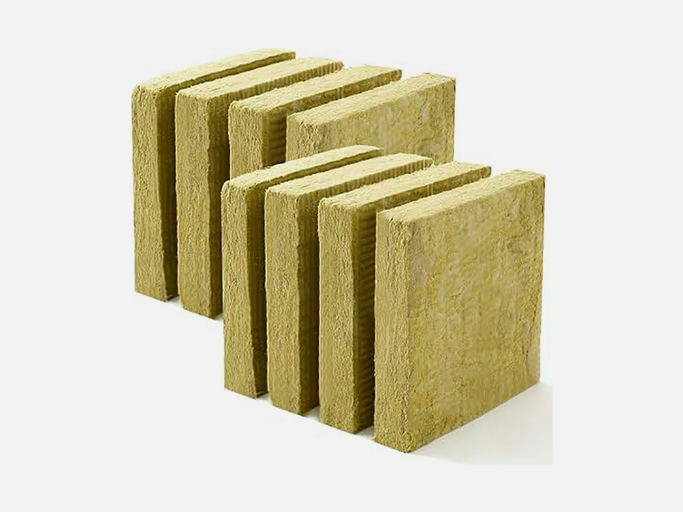
Glass wool (1.2 kg CO₂e/kg) and stone wool (1.45 kg CO₂e/kg) are spun from melted glass or rock. They look high per kilo, but insulation is very light and saves many times its footprint in heating over its life. They do not burn, which sets them apart from plastic foams.
Melted minerals (kg CO2e per kg)
05Watch-outs
The warnings
Mineral materials are non-renewable: rock does not grow back, and sand and gravel suitable for concrete are running short in many regions. Quarries and pits change landscapes and water tables for good.
The other recurring concern is dust. Cutting and grinding stone, concrete, brick and above all engineered quartz releases fine silica, which damages lungs. It is a risk for the people who make and install the product, not for the people who live with it.
Concerns tagged on mineral grades (number of grades)
Out of 79 grades.
After use
Most demolished concrete and masonry is crushed and used as fill or road base. That keeps it out of landfill but saves almost no carbon, because the cement is spent. Real savings come from keeping things whole: reusing the structure, lifting out precast elements, reclaiming bricks, stone and roof tiles. Dry and lime-based joints make that possible; cement and glue prevent it. Unfired earth is the only walling that returns to the ground unchanged.
Grades tagged with each end-of-life route, out of 79.
Rules and labels
Cement is one of the goods covered by the EU's Carbon Border Adjustment Mechanism. Since 1 January 2026 importers of cement and clinker must be authorised and buy certificates for the emissions embedded in what they bring in, first surrendered in 2027. Inside the EU, cement plants already pay for their emissions under the emissions trading system. Either way the carbon in cement now has a price, and lower-clinker cements become cheaper by comparison.
For any construction product, the document to ask for is the EPD, which gives the carbon figure per tonne or per square metre.
- Oct 2023CBAM reporting starts for importers
- 1 Jan 2026CBAM definitive period: authorised importers only
- 2027First CBAM certificates surrendered (for 2026 imports)
- Carbon Border Adjustment Mechanism (EU) 2023/956
- Construction Products Regulation (EU) 2024/3110
- Environmental Product Declaration (EN 15804 / ISO 14025)
- EU Ecolabel
Sources: Umweltbundesamt, CBAM simplified
06Specifying
More from Spotlight
Lower-carbon cements, earth and reclaimed masonry from Spotlight, the Spot Material innovation library.
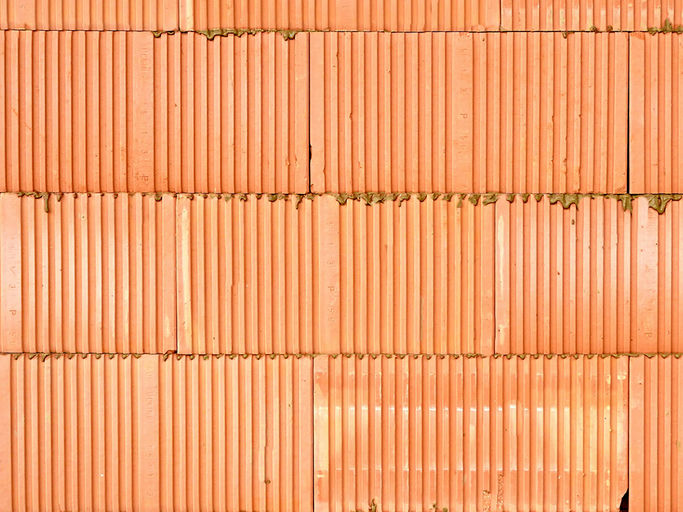 Clay thin-bed mortar for reusable masonry by ClayTecClayTecClayTec Clay thin-bed mortar is a dry, ready-mixed clay adhesive mortar for laying bricks and flat blocks in non-load-bearing interior walls. It is made from sand, building clay, talc, perlite, plant fibres and cellulose, mixed with water on site.Image: ClayTec
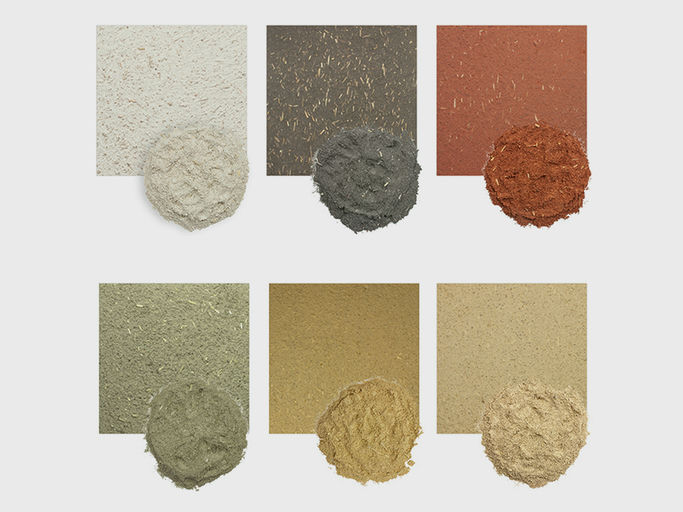 Clay undercoat plaster with straw by ClayTecClayTecClayTec's clay undercoat plaster with straw is a base-coat plaster made from building clay, washed sand and aggregate under 8 mm, reinforced with chopped barley straw up to 30 mm long.Image: ClayTec
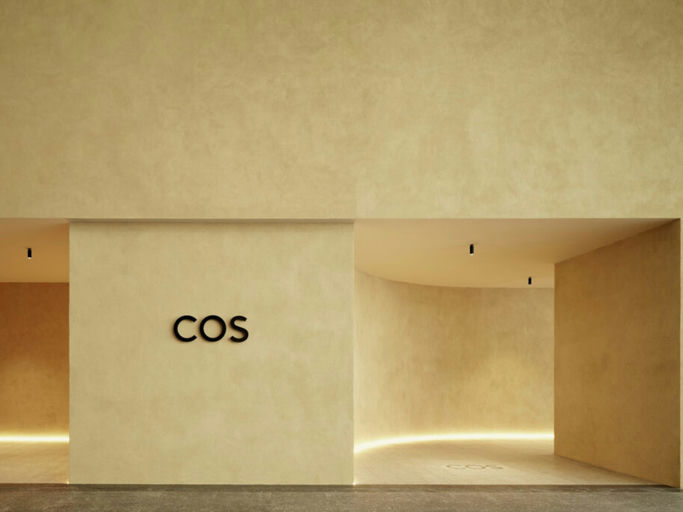 Clayworks unfired clay plastersClayworksClayworks makes interior clay plasters in Cornwall, UK, from unfired local clays blended with minerals and natural pigments, with no synthetic additives. The colour runs through the material, so walls do not need painting.Image: Clayworks
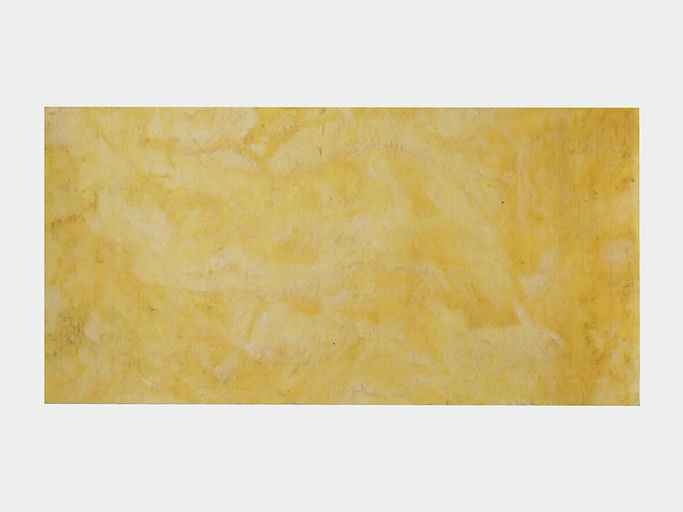 Comfortboard 80 rigid stone wool insulation board by RockwoolRockwoolComfortboard 80 is a rigid stone wool board sold by Rockwool in North America as continuous exterior insulation: non-structural sheathing outside the frame, behind cladding or stucco, on basement and foundation walls, under slabs and in cathedral ceilings.Image: Rockwool
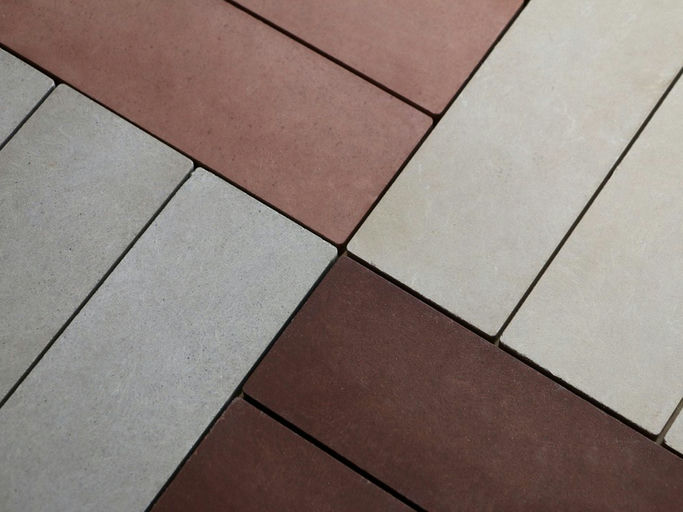 Criaterra unfired earth wall tilesCriaterraCriaterra wall tiles are decorative interior tiles made from stone powders, clays and plant fibres, coloured with natural pigments. Instead of being fired in a kiln, they are cast and set using a patented low-temperature process that the Israeli developer calls Advanced Earth Technology, with no cement.Image: Criaterra
Specifying mineral materials well
A short checklist:
- Keep what is already built. An existing structure has no new footprint.
- Use less concrete, then less cement in it, then less clinker in the cement. Ask for the cement type and an EPD.
- Where loads allow, use unfired earth, clay plaster and stone in place of fired and cement-based products.
- Use lime mortar so bricks and stone can be reused.
- Choose reclaimed bricks, tiles and stone where they are available with documented performance.
- Source heavy materials close to site; ask where stone was quarried and cut.
- Design joints that come apart.
Then test a material in the Material checker and compare the routes.