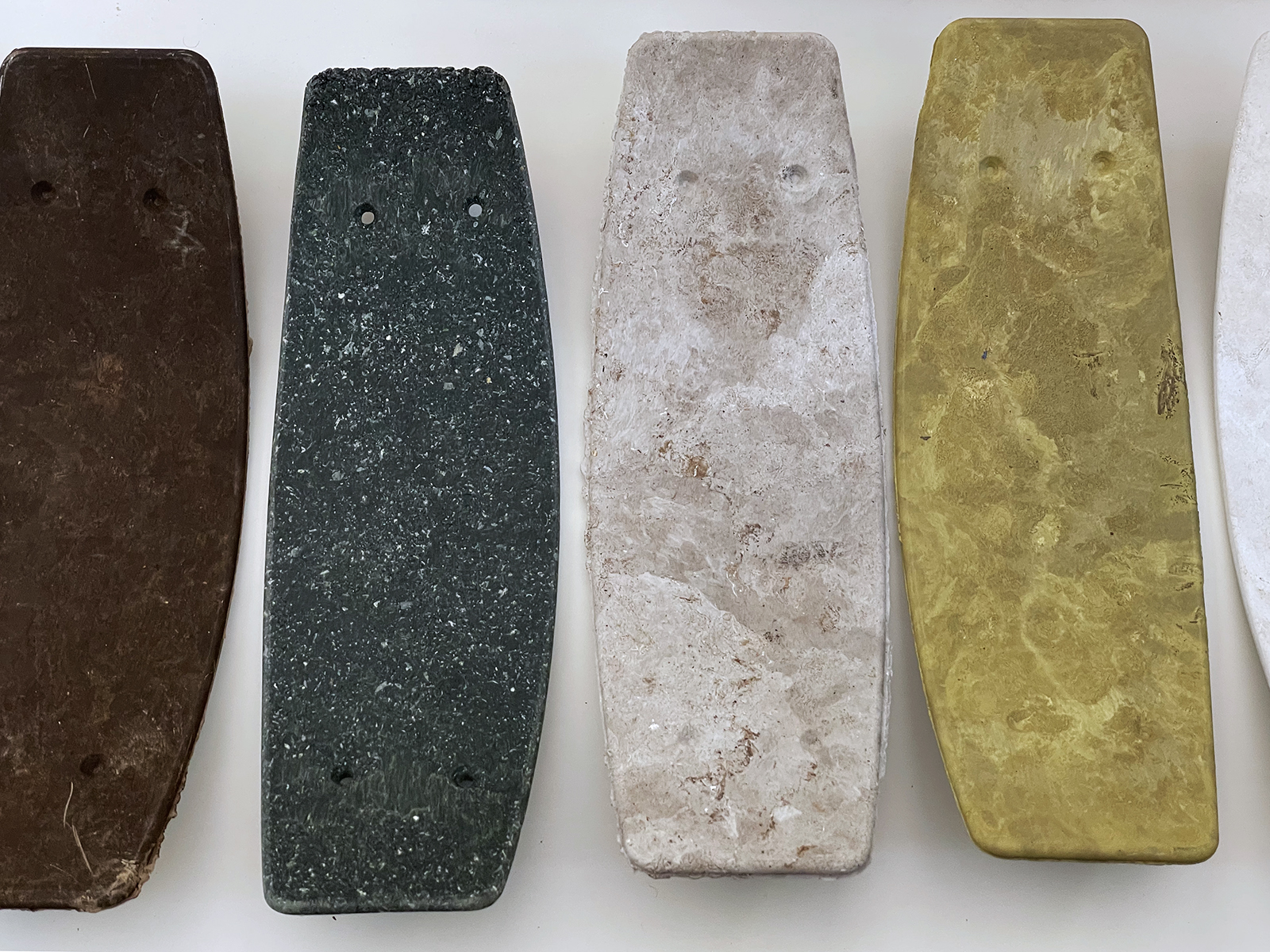
Photo: Chair back rests moulded from recycled polypropylene mixed with industrial waste: the Conscious Chair by Børge Mogensen and Esben Klint for Mater.
01Why plastics
How good are plastics?
Plastics do a great deal with very little: a few grams keep food fresh, a moulded housing replaces a dozen metal parts, a pipe lasts a century underground. Per kilo, the common plastics are lower in carbon than most metals. The database holds 268 plastic grades in 19 families.
The trouble starts after use. The OECD estimates that only 9% of the world's plastic waste is recycled; about half goes to landfill, a fifth is burned and a fifth is mismanaged. Recycled plastic makes up only about 6% of what is produced.
So three questions matter more than the polymer name:
- Is the grade recycled, and from what?
- Will the finished part really be collected and recycled where it is sold?
- What is added to it, and what does it shed?
Sources: Circular Online, on the OECD Global Plastics Outlook · edie, The global state of plastics production and pollution
Where plastic's carbon comes from
Almost all plastic starts as oil or gas, cracked into small molecules and joined into long chains. The simplest chains are the lowest in carbon: polypropylene is 1.85 kg CO₂e/kg and HDPE 2.1 kg CO₂e/kg. More complex chemistry costs more: PET is 2.5 kg CO₂e/kg, ABS 3.25 kg CO₂e/kg, polycarbonate 3.8 kg CO₂e/kg and nylon 6 6.4 kg CO₂e/kg.
These figures stop at the factory gate. Burning a kilo of plastic at the end of its life releases roughly as much CO₂ again, because the carbon in the plastic itself goes up the chimney. Keeping plastic in use, or recycling it, avoids both the making and the burning.
Carbon footprint, raw material to factory gate (kg CO2e per kg)
Commodity, engineering and high-performance
Plastics fall into three rough groups:
- Commodity plastics such as polyethylene, polypropylene, PET, polystyrene and PVC: made in huge volumes, a few kilos of CO₂e per kilo, and the only ones with recycling at real scale.
- Engineering plastics such as ABS, polycarbonate, nylon, acetal and acrylic: stronger, tougher or clearer, and roughly twice the carbon.
- High-performance plastics such as PEEK at 16.5 kg CO₂e/kg and the fluoropolymers: for heat and chemicals nothing else survives, at a high carbon cost.
Use the simplest plastic that does the job. Every step up the list costs carbon and usually makes recycling harder.
Typical carbon by family (kg CO₂e/kg; number of grades in brackets)
Each family opens in the material checker.
02Recycled and recyclable
New against recycled, polymer by polymer
Mechanical recycling, which means sorting, washing, shredding and melting, skips the oil and the chemistry, so recycled grades come out far lower: recycled HDPE is 0.45 kg CO₂e/kg, recycled PP 0.9 kg CO₂e/kg, recycled PET 0.7 kg CO₂e/kg and recycled ABS 1.1 kg CO₂e/kg.
The catch is quality. Each melt shortens the polymer chains a little, colours mix to grey, and smells and unknown additives travel with the material. Recycled grades are easiest to use where colour and food contact do not matter. For food contact, only PET has a well-established route back into the same use.
The same polymer, new and recycled (kg CO2e per kg)
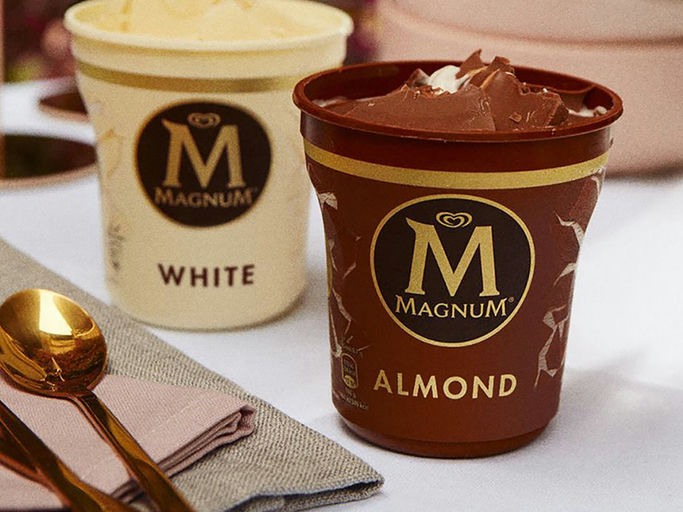 Sabic recycled polypropylene (rPP) impact copolymerSABICSabic recycled polypropylene (rPP) impact copolymer, from its Trucircle programme, is made from post-consumer mixed plastic, which is chemically broken down into its molecular building blocks, to create plastics with the same properties as virgin material.Image: SABIC
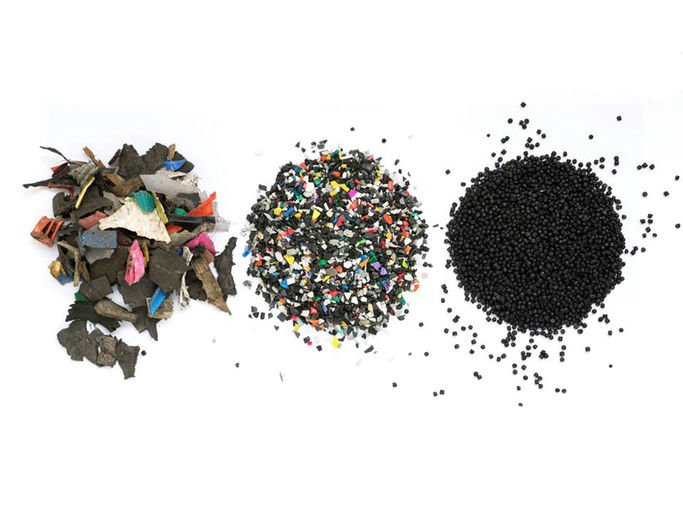 MBA Polymers recycled plasticMBA PolymersMBA Polymers has developed a set of processes that separate mixed plastic waste, mainly from discarded electrical and electronic equipment and shredded end-of-life cars, and convert it into plastic for new products.Image: MBA Polymers
Recyclable is not recycled
Nearly every thermoplastic can be melted and remoulded, so nearly every one can be called recyclable. Whether it is recycled depends on things the polymer cannot decide:
- Is it collected? Bottles and rigid packaging are; films, foams and small parts mostly are not.
- Can a sorting line recognise it? Black plastics, multi-layer films and parts with glued-on labels or metal inserts confuse the sensors.
- Is there enough of it? PET, HDPE and PP have markets. Most engineering plastics do not, outside take-back schemes for cars and electronics.
- Is it clean and single-material? Glass fibre, flame retardants, paint and over-moulded rubber all lower the value of what comes out.
The EU is turning this into law. Under the packaging regulation, packaging that scores below 70% for recyclability can no longer be sold from 2030, and from 2035 it must also be recycled at scale, not only designed for it.
Sources: MAAK Law, The European Packaging and Packaging Waste Regulation · AGRINFO, New EU packaging rules explained
Chemical recycling and mass balance
Where mechanical recycling cannot cope, chemical recycling breaks the plastic back down, either to its building blocks (as with PET and nylon) or to an oil that goes into a cracker alongside fossil feedstock. The output can be as good as new, including for food contact, but the processes use more energy and lose more material.
When recycled oil is mixed with fossil oil, nobody can say which molecules ended up in which product. Mass balance is the bookkeeping that allocates the recycled share on paper. On 30 June 2026 the Commission adopted rules that let chemically recycled content in single-use PET drinks bottles count towards EU targets using mass balance, on a "fuel-use excluded" basis: whatever becomes fuel or is lost in the process cannot be counted. Recyclers welcomed the certainty; Zero Waste Europe argues that the method lets products be sold as recycled without containing recycled material.
For a designer the practical question is simple: does the claim mean recycled material is physically in this part, or allocated to it?
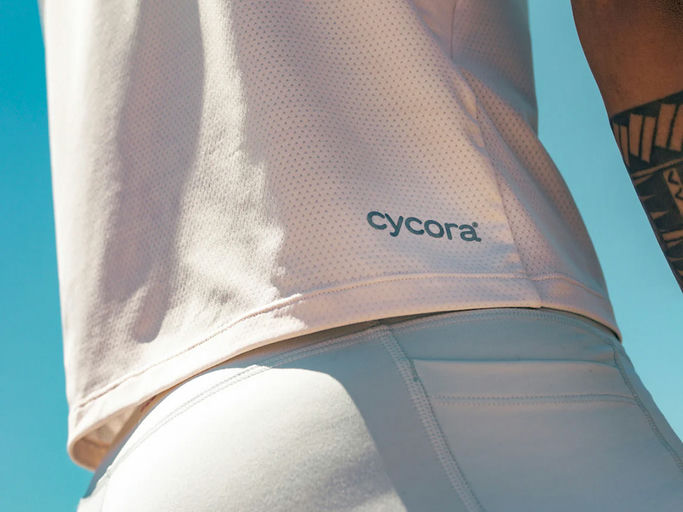 Cycora chemically recycled polyesterAmbercycleAmbercycle have developed a chemical recycling process that converts waste polyethylene terephthalate (PET), polyester, fibre and textiles into raw materials without any loss of quality.Image: Ambercycle
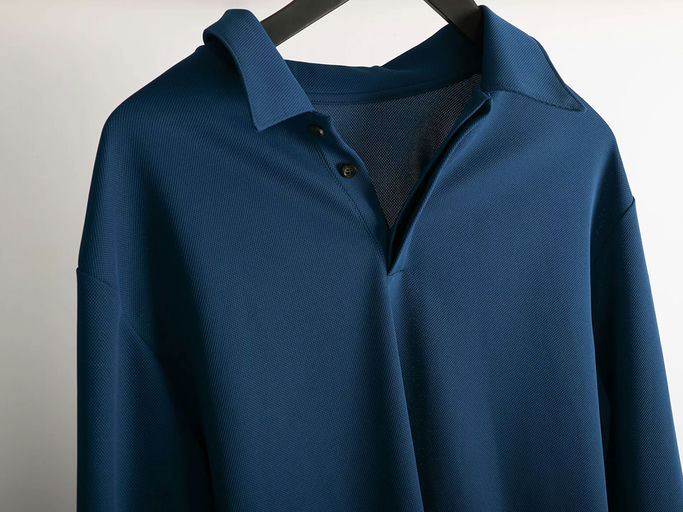 Syre chemically recycled polyesterSyre · In developmentBacked by H&M Group, Syre have developed a chemical recycling process to convert waste polyester (PET) textiles into new fibres. The polyester, derived from post-consumer waste and direct industry waste from factories, is depolymerised to make BHET, which forms the building block for new polyester fibre.Image: Syre
Sources: Commission Implementing Decision (EU) 2026/1425 · PackagingLaw, EU adopts new rules for recycled content in PET bottles · Zero Waste Europe, press release (Feb 2026)
Plant-based is not automatically better
Two different ideas hide behind "bioplastic". Bio-based means made from plants; biodegradable means it can break down under the right conditions. A plastic can be one, both or neither.
Bio-based polyethylene from sugar cane is 1.7 kg CO₂e/kg and is chemically the same as fossil polyethylene, so it recycles with it. PLA is 3.05 kg CO₂e/kg, no better than new polypropylene at 1.85 kg CO₂e/kg and well above recycled polypropylene at 0.9 kg CO₂e/kg; it needs industrial composting and contaminates PET recycling if it strays there.
The bioplastics briefing in this library covers compostability in detail.
Plant-based, fossil and recycled (kg CO2e per kg)
03Watch-outs
The warnings
The concerns tagged most often on plastic grades are that they are made from non-renewable ingredients and that they shed microplastics. Plastic does not rot; it breaks into ever smaller pieces that are now found in water, soil and people.
The EU has restricted microplastics that are added to products on purpose, such as glitter, microbeads and the rubber crumb in artificial pitches, since October 2023. Particles that wear off in use, from tyres, textiles, paint and pellets spilled in transport, are a larger source and are not covered by that rule.
Concerns tagged on plastic grades (number of grades)
Out of 268 grades.
Sources: Garrigues, The European Union bans the use of microplastics
What's in it besides the polymer
A plastic part is rarely pure polymer. Additives make it flexible, stable, coloured or fire-safe, and they are where most of the health questions sit.
- Plasticisers. Soft PVC can be a third or more plasticiser by weight. Several phthalates are restricted in the EU; ask which plasticiser is used.
- Flame retardants. Some older brominated types are now banned as persistent pollutants, which is why plastics from old electronics and old insulation need care when recycled.
- Stabilisers and pigments. Lead and cadmium are gone from new European PVC but remain in old material.
- Fluorinated chemicals (PFAS). Used as processing aids and coatings; now limited in food-contact packaging in the EU.
- Fillers and fibres. Glass fibre, minerals and wood flour change properties and make recycling harder.
The simpler and better documented the recipe, the more likely the part has a second life.
After use
93% of plastic grades in the database are tagged Recycle, which describes what is technically possible rather than what happens. Reuse beats recycling where a part can be refilled, repaired or resold. Design for one polymer per part, snap fits instead of glue, no paint where colour can be moulded in, and a marking that says what the plastic is.
Grades tagged with each end-of-life route, out of 268.
Rules and labels
The EU's Packaging and Packaging Waste Regulation has applied since 12 August 2026. Its biggest effect on plastics arrives on 1 January 2030, when plastic packaging must contain a minimum share of post-consumer recycled plastic, measured as an average per factory and year:
- 30% for food-contact and other sensitive packaging made mainly of PET
- 10% for sensitive packaging in other plastics
- 30% for single-use drinks bottles
- 35% for all other plastic packaging
In 2040 these rise to 50%, 25%, 65% and 65%. Factory offcuts do not count. Expect recycled PP, PE and PET to be in short supply as 2030 approaches, and plan early.
- Jul 2021EU bans single-use plastic cutlery, plates, straws and EPS food containers
- Oct 2023Restriction on intentionally added microplastics starts
- 12 Aug 2026Packaging regulation applies, with PFAS limits for food-contact packaging
- 1 Jan 2030Minimum recycled content in plastic packaging; low-recyclability packaging banned
- 2035Packaging must be recycled at scale
- 2040Recycled-content minimums rise
- Packaging and Packaging Waste Regulation (EU) 2025/40
- Single-Use Plastics Directive (EU) 2019/904
- Plastic Food Contact Materials Regulation (EU) 10/2011
- REACH: synthetic polymer microparticles (Annex XVII entry 78)
- REACH: phthalates in plasticised articles (Annex XVII entry 51)
- Persistent Organic Pollutants Regulation (EU) 2019/1021
- ISCC PLUS
- Global Recycled Standard (GRS)
Sources: Faerch, PPWR overview and targets · FoodNavigator, PPWR implementation timeline (Aug 2026) · European Commission, Single-use plastics
04Specifying
How plastics are shaped
Injection moulding, extrusion, blow moulding and thermoforming all melt the plastic once and waste little; sprues and trimmings can usually go straight back into the machine. The energy to shape a plastic part is small beside the energy to make the plastic, so material choice and part weight matter most.
Number of grades that list each process.
More from Spotlight
Recycled plastics from Spotlight, the Spot Material innovation library.
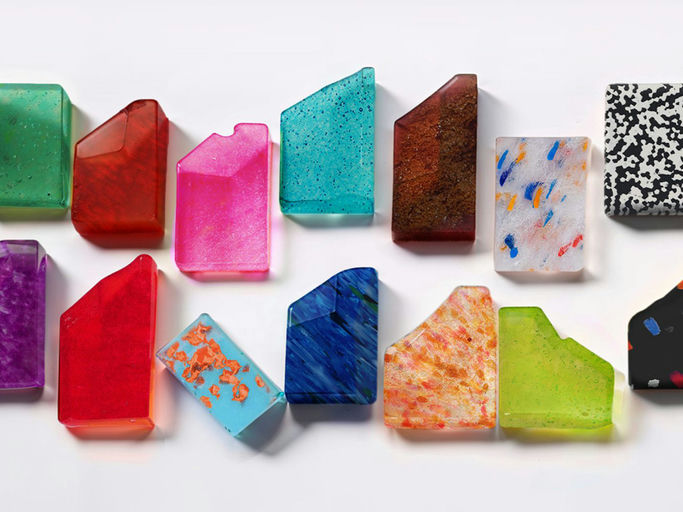 Polygood recycled polystyrene (rPS) interior panelsGood Plastic CompanyPolygood panels are manufactured by the Good Plastic Company using 100% post consumer recycled polystyrene (rPS). The company takes back off-cuts and used Polygood panels at its Netherlands factory and recycles them into new panels. Image Good Plastic Company.Image: Good Plastic Company
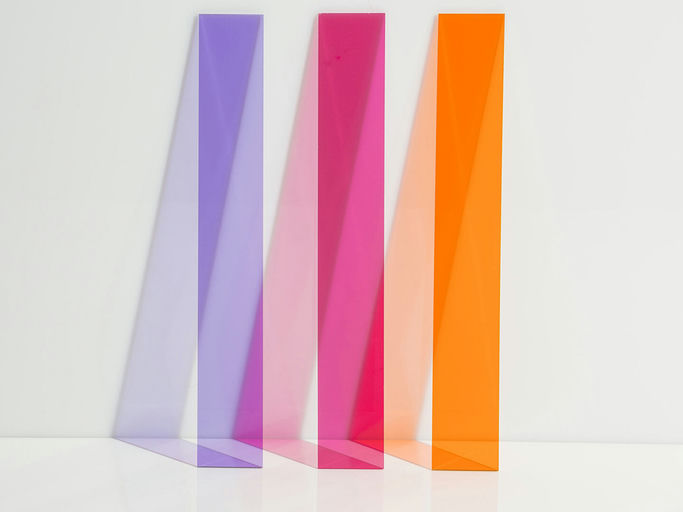 Green Cast recycled acrylic sheetMadreperlaGreen Cast by Madreperla is 100% recycled and recyclable cast polymethyl methacrylate (PMMA), acrylic, sheet. PMMA from manufacturing offcuts and end-of-life products is depolymerised back to its monomer (regenerated MMA), distilled and cast into new sheet, and Madreperla says its own scrap can be regenerated again.Image: Madreperla
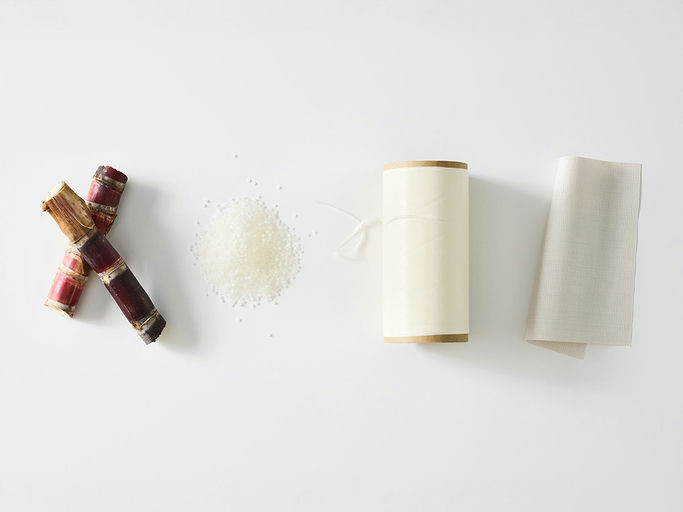 Biobased Xorel sugarcane polyethylene textile by CarnegieCarnegieBiobased Xorel is a woven textile from the American fabric company Carnegie, made from polyethylene (PE) derived from sugarcane rather than oil. Many patterns contain up to 91% bio-based content.Image: Carnegie
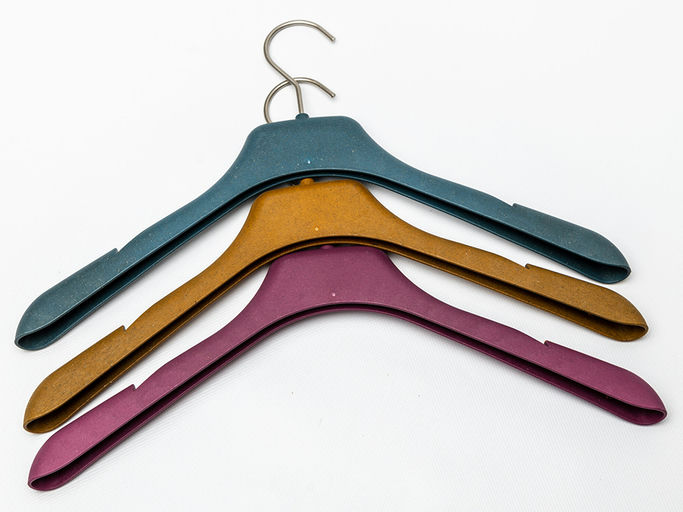 AgriPlast by BiowertBiowertAgriPlast by Biowert is a bio-based composite of recycled industrial polypropylene (rPP) mixed with up to 75% cellulose fibres obtained from meadow grass.Image: Biowert
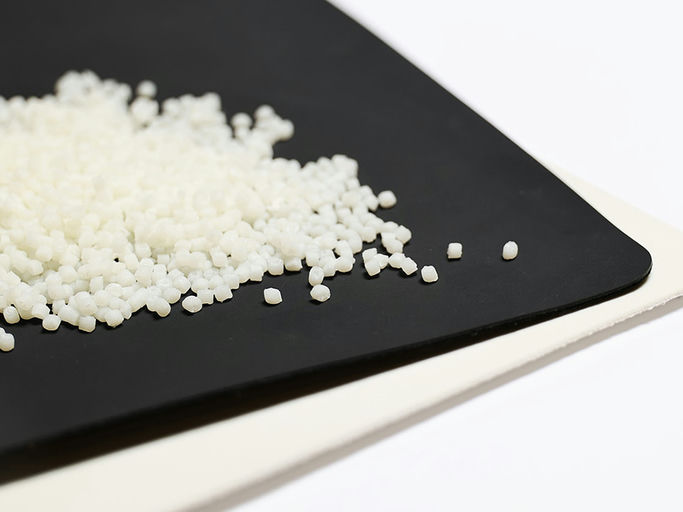 AirCarbon polyhydroxybutyrate (PHB), biodegradable polyester from methaneNewlight TechnologiesAirCarbon polyhydroxybutyrate (PHB), biodegradable polyester is produced by Newlight Technologies. They use a novel catalytic process based on microorganisms from the ocean.Image: Newlight Technologies
 Akromid partially bio-based polyamide (bio-PA), nylonAkro PlasticAkromid Next is Akro-Plastic's range of partially bio-based polyamides (bio-PA, nylon): PA 6.10 and PA 11 from castor oil, PA 6.9 from sunflower oil and PA 5.6 from corn, with bio-based contents from about 41% to over 92%.Image: Akro Plastic
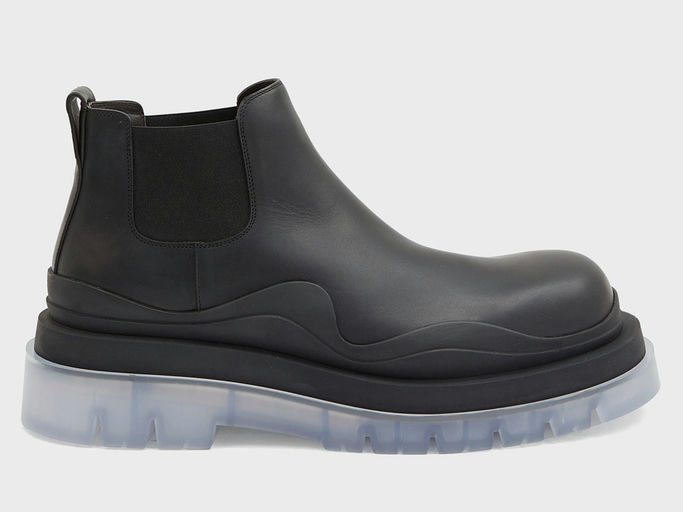 Apilon 52 bio-based thermoplastic polyurethane (bio-TPU) by TrinseoTrinseoApilon 52 bio-based thermoplastic polyurethane (bio-TPU) by Trinseo contains raw materials from renewable sources and offers the same performance as traditional fossil-based TPUs. This family of materials includes soft and rigid, as well as transparent, grades suitable for fashion and footwear applications.Image: Trinseo
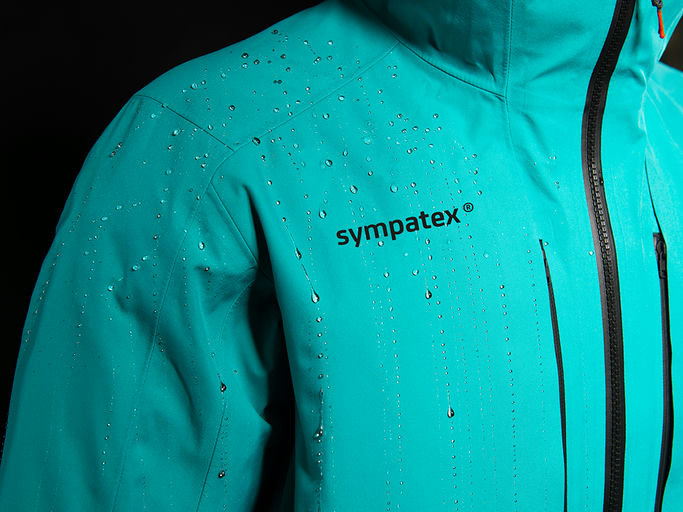 Arnitel Eco, partially bio-based thermoplastic co-polyester elastomer (TPC), by DSMEnvalior (formerly DSM Engineering Materials)Arnitel Eco is a high-performance partially bio-based thermoplastic co-polyester elastomer (TPC) made with rapeseed oil (about 50% renewable resources).Image: Envalior (formerly DSM Engineering Materials)
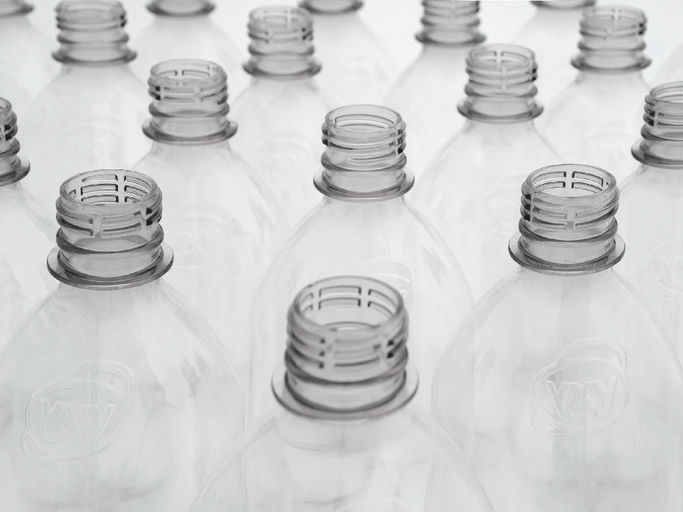 Avantium polyethylene furanoate (PEF), bio-based polyesterAvantiumAvantium polyethylene furanoate (PEF), bio-based polyester is suitable as a fossil-free replacement for polyethylene terephthalate (PET), polyester, such as in packaging applications. It is made from plant sugars (currently from crops such as sugar cane, corn, wheat and sugar beet).Image: Avantium
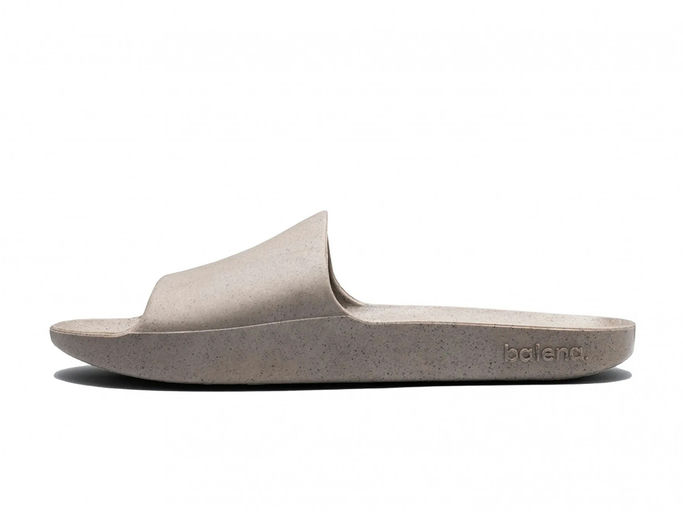 Balena BioCir partially bio-based thermoplastic elastomer (bio-TPE)BalenaBalena BioCir partially bio-based thermoplastic elastomer (bio-TPE) contains 50-85% bio-based ingredients. It is suitable for injection moulding, extrusion, and 3D printing with filaments or pellets, and is industrially compostable at the end of its life.Image: Balena
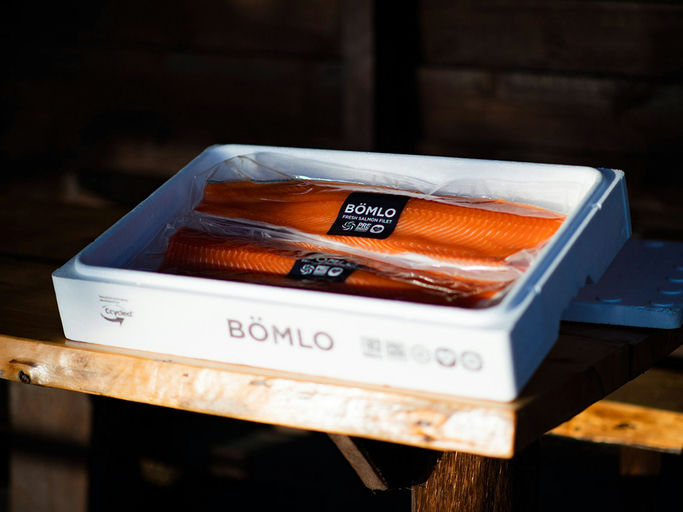 BASF Styropor Ccycled expanded polystyrene (rEPS)BASFBASF Styropor Ccycled expanded polystyrene (rEPS) is made from raw materials derived from chemically recycling mixed plastic waste that would otherwise be incinerated or landfilled.Image: BASF
Specifying plastics well
A short checklist:
- Start with recycled PP, PE or PET where the job allows, and ask whether the content is post-consumer and physically in the part.
- Use the simplest polymer that works; step up to engineering plastics only for a reason.
- One polymer per part. Avoid glass fibre, paint, glued labels and over-moulding unless they earn their place.
- Ask for the additive list: plasticisers, flame retardants, PFAS.
- Choose colours a sorting line can read; avoid carbon black.
- Design for the collection system where the product is sold, not for the laboratory.
- Mark the polymer on the part.
Then test a real part in the Material checker and see the recycled, plant-based and plastic-free routes side by side.