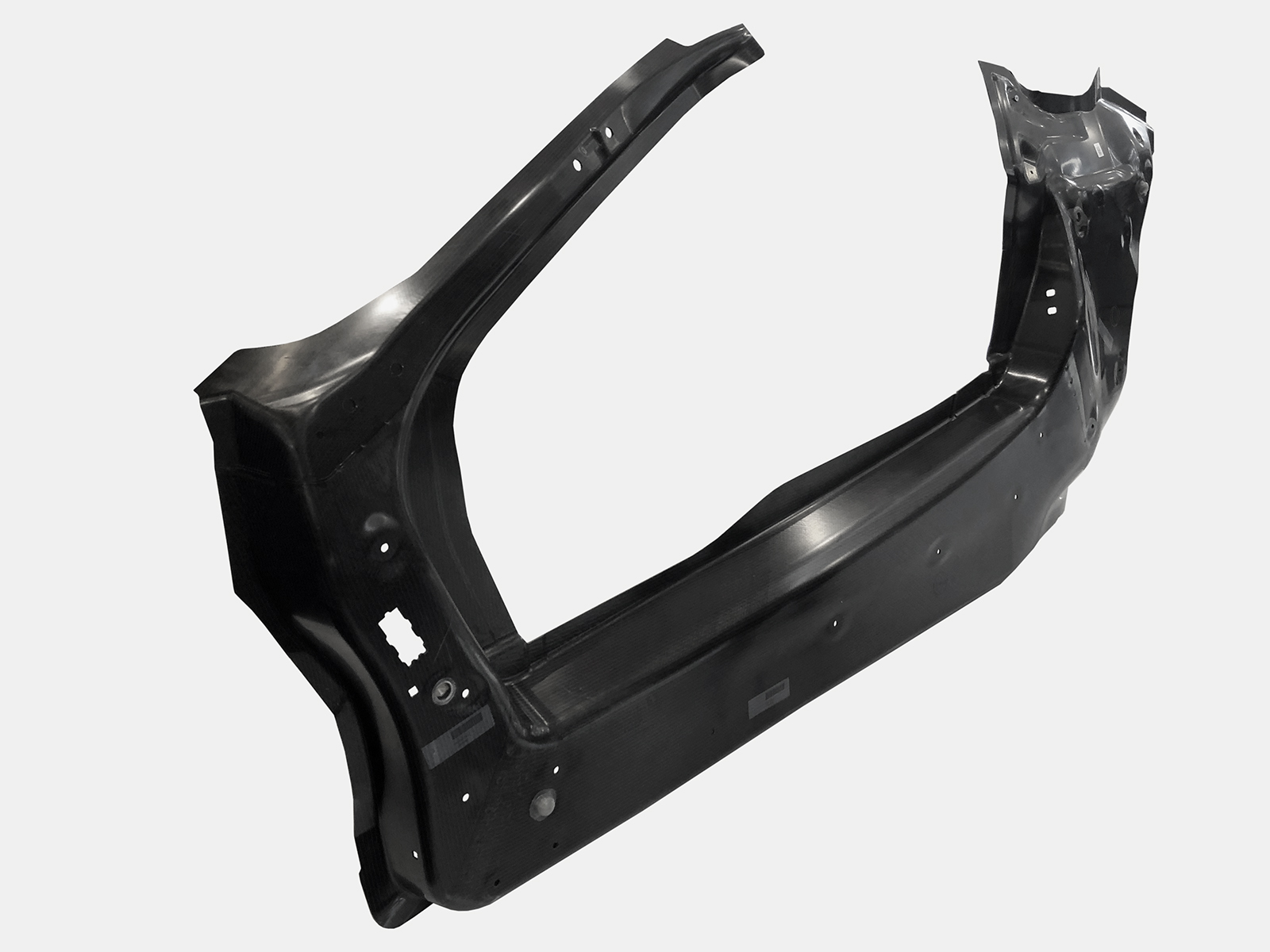
Photo: Hydro Reduxa, primary aluminium smelted with renewable power. Image: Hydro.
In short
Making things lighter saves material, and in anything that moves it saves energy for the whole of the product's life. So engineers swap steel for aluminium, aluminium for magnesium, metal for carbon fibre.
The catch is that the light materials take far more energy to make. Per kilo, aluminium is several times steel, and carbon fibre is higher again. A lighter part can start its life with a larger carbon debt than the heavy part it replaced.
Three things decide whether lightweighting pays:
- how much lighter the part really is for the same job;
- how the light material was made;
- whether the product moves, and for how long.
One panel, five materials
Take a flat panel that must be equally stiff in bending whatever it is made of. In steel it weighs 1 kg. The same panel weighs about half that in aluminium, a little over a third in magnesium, and under a fifth in carbon fibre composite.
Now count the carbon to make each one, using typical values from the database:
- Steel, 1.00 kg: about 2.1 kg CO₂e
- Aluminium, 0.49 kg: about 5.2
- Magnesium, 0.37 kg: about 7.1
- Carbon fibre composite, 0.19 kg: about 3.4
- Flax and polypropylene composite, 0.32 kg: about 0.44
Every step lighter in metal is a step heavier in carbon. Carbon fibre is the lightest and still costs more than steel. The flax composite is both light and the lowest of all, though it is a plastic-bound material with limits of its own.
The ranges behind these figures are wide, and composites are measured along the fibre. Treat it as an illustration, not a ranking.
Carbon to make the same panel (kg CO₂e per panel, cradle to gate)
Why: the cost per kilo
Mild steel is 2.1 kg CO₂e/kg per kilo. Primary aluminium is 10.6 kg CO₂e/kg, magnesium 19 kg CO₂e/kg, carbon fibre composite 18 kg CO₂e/kg and titanium 35 kg CO₂e/kg.
The light metals are won from their ores by electrolysis or energy-hungry chemistry, and carbon fibre is baked at very high temperatures. A material has to save a great deal of weight to make up a gap of five or ten times per kilo.
There is also a quieter option: use steel better. High-strength steels let a part be thinner for the same strength, with almost no carbon penalty per kilo.
Carbon footprint per kilo (kg CO₂e per kg)
When the weight pays back
In a vehicle, every kilo saved cuts fuel or electricity for every kilometre driven. The question is how many kilometres it takes to repay the extra carbon of making the lighter part.
The studies disagree, and it is worth knowing why.
- An aluminium producer's study with a German research institute found that swapping steel body parts for average European aluminium broke even at about 70,000 km, and that low-carbon aluminium was ahead from the first kilometre.
- A steel industry study found that bodies made of high-strength steel had equal or lower lifetime emissions than aluminium ones in every vehicle class it tested.
- A classic textbook example: a 10 kg aluminium bumper replacing a 14 kg steel one needs about 200,000 km to break even.
The differences come from the assumed footprint of the aluminium, how much weight is really saved, and what the car runs on. As electricity gets cleaner, each kilo saved in an electric car saves less carbon in use, so the footprint of making the part matters more, not less.
For things that do not move, such as furniture, buildings and housings, there is no payback in use at all. There, lighter only helps if it also means less carbon to make.
Sources: Hydro, Comparing aluminium lightweight design with steel in life-cycle analysis · Just Auto, Steel better for CO2 lightweighting than aluminium, study says · Cranfield University, Primary manufacturing, engine production and on-the-road CO2
Same metal, made better
The biggest lever is not which material but which version of it. Aluminium from a coal-powered smelter is 20 kg CO₂e/kg; low-carbon primary made with hydro or solar power is 3.5 kg CO₂e/kg; recycled aluminium is 1.35 kg CO₂e/kg.
Run the panel again with recycled aluminium and it falls from about 5.2 to about 0.65 kg CO₂e, well below new steel. With recycled steel the steel panel falls to about 0.5.
So a lightweight design in recycled or low-carbon aluminium can win on both counts, and a lightweight design in coal-powered aluminium can lose badly. Ask where and how the metal was made before deciding.
Aluminium and steel by how they are made (kg CO₂e per kg)
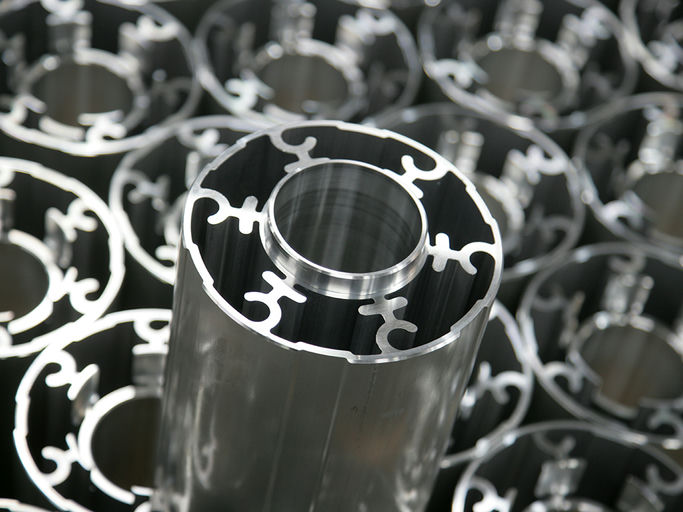 Hydro Circal 75R aluminium alloyHydroHydro Circal 75R is recycled aluminium made up of a minimum of 75% post-consumer scrap, such as window frames, doors and facades that have reached the end of their life. The balance being a combination of manufacturing waste and alloying elements to bring it in line with 6060 specification. Image Hydro.Image: Hydro
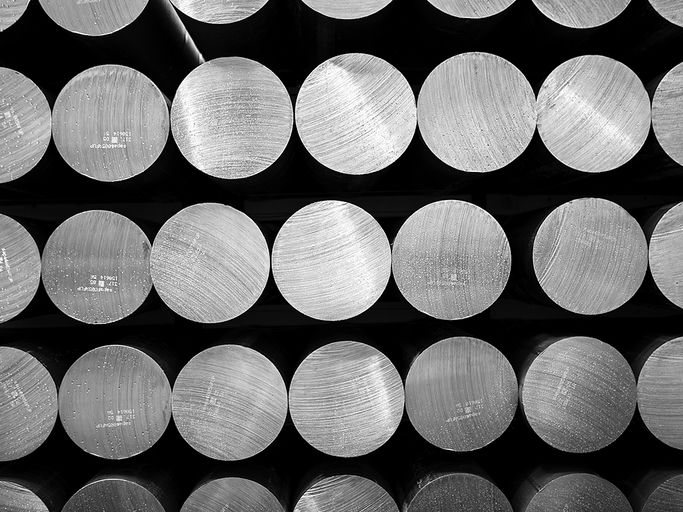 Hydro Reduxa aluminium alloysHydroHydro Reduxa is a series of certified low-carbon aluminium alloys. While the average kgCO2/kg for aluminium is 16.7, Hydro Reduxa has a maximum of 4.0. The reduction is achieved through the use of renewable energy (hydropower) and integrated manufacturing at Hydro's plants in Norway. Image Hydro.Image: Hydro
Lighter by design
Changing the material is one way to save weight. Changing the shape is often cheaper in carbon.
- Put material where the load is. Ribs, folds, tubes and box sections are far stiffer than flat sheet of the same weight.
- Hollow and cellular structures. Honeycomb cores, metal foams and sandwich panels give stiffness with very little material.
- Fewer parts. One moulding or casting in place of an assembly saves fixings and overlaps.
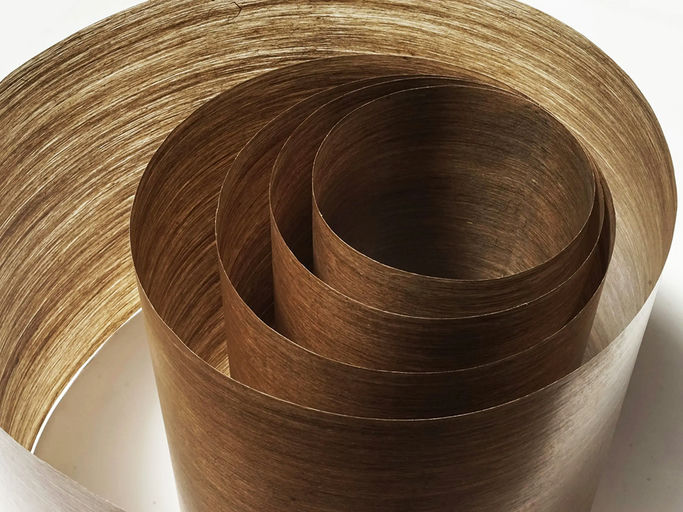
- Plant-fibre composites. Flax and hemp in a thermoplastic are light, stiff enough for panels and trim, and low in carbon; they are already used in car interiors.
- Right-sizing. Much weight is safety margin added out of habit. Testing and simulation let it come out safely.
The less material a design needs, the less its footprint depends on which material it is.
How to choose
- Compare whole parts doing the same job, never kilo against kilo.
- Does it move? If not, choose on carbon to make, not on weight.
- If it moves, estimate the distance or hours needed to repay the extra carbon, and whether the product will live that long.
- Try shape before material: ribs, sections, sandwiches.
- Try better steel before lighter metal.
- If you go to aluminium or magnesium, specify recycled or low-carbon metal and ask for the figure.
- Keep carbon fibre for where nothing else will do, and plan for its end of life.
The Material checker shows a material's footprint and its lower-carbon versions; it does not yet work out the weight saved, so bring your own part weights.